Fletching hides tuning errors. Pull the feathers off one shaft and the arrow has nothing to correct it, so any mismatch in spine, nocking point or brace height shows up as a visible angle in the target face.
The trap is fixing things in the wrong order and chasing your tail. Set vertical tune first, then horizontal, and change one variable at a time.
- Distance
- 15 yards
- You need
- 1 bare, 1 fletched
- Order
- Vertical, then horizontal
- First lever
- Point weight
01
The tuning sequence
Shoot from 15 yards with a relaxed, repeatable release. A bad release reads as a weak spine, so shoot three of each and read the pattern, never the single arrow.
- 1Set brace height to the middle of the manufacturer's range and set the nocking point 1/8 to 1/4 inch above square.
- 2Shoot three fletched arrows to establish your reference group.
- 3Shoot three bare shafts at the same spot. Read the nock angle in the target, not just where they landed.
- 4Nock high means lower the nocking point; nock low means raise it. Fix vertical before touching anything else.
- 5For a right-handed shooter, bare shafts nocking left mean the shaft is too stiff; nocking right means too weak. Reverse for left-handed.
- 6Too stiff: add point weight in 25 grain steps, or leave the shaft longer. Too weak: reduce point weight, shorten the shaft, or move up a spine group.
- 7Adjust brace height in 1/8 inch turns of the string to quiet the bow and fine-tune once flight is close.
- 8Finish when bare shafts strike straight and group with your fletched arrows, then verify with broadheads at 20 yards.
02
Reading the bare shaft (right-handed shooter)
| What you see | Diagnosis | First fix |
|---|---|---|
| Nock left of fletched group | Arrow too stiff | Add 25 grains of point weight |
| Nock right of fletched group | Arrow too weak | Reduce point weight or shorten shaft 1/4" |
| Nock high | Nocking point too low | Raise nocking point 1/16" |
| Nock low | Nocking point too high | Lower nocking point 1/16" |
| Buries straight, groups with fletched | Tuned | Verify with broadheads at 20 yd |
Questions
Frequently asked
- What does it mean if my bare shaft hits nock left?
- For a right-handed shooter it means the arrow is too stiff — it is not flexing enough to clear the riser. Add point weight in 25 grain steps first because it raises FOC at the same time; if that is not enough, leave the shaft longer or drop a spine group.
- How far should you bare-shaft tune?
- Fifteen yards is the standard for traditional bows. Closer than that and errors have not developed; much farther and a bare shaft planes so badly the reading becomes noise. Read the angle the nock sits at in the target rather than the point of impact alone.
- Can a bad release look like bad tune?
- Constantly. A plucked release throws the arrow the same way an underspined shaft does. Shoot three of each and read the pattern, and if your bare shafts scatter rather than group consistently, fix the release on a blank bale before changing a single component.
- Do I need to re-tune when I switch to broadheads?
- Always verify. A fixed broadhead acts like a small wing at the front and exaggerates any remaining tuning error. Shoot broadheads and matched field points at 20 yards; if they do not hit together, tune the broadhead group in rather than adjusting your aim.
Every hunting guide
Hunting Hub
Where every hunting guide on The Wild10 starts.
Types of Game
Big game, small game, upland birds, and waterfowl — habitat and season.
Big Game
Deer, elk, moose, bear, hog and sheep — where to hunt, tags, and what to expect.
Small Game & Birds
Turkey, pheasant, grouse, quail, ducks, geese, rabbits, squirrels and predators.
Hunting by State
All 50 states — what to hunt, license costs, laws and public land.
Deer Hunting by State
All 50 states — seasons, tags, laws, public land and tactics.
Turkey Hunting
Calling, shotguns, bows, camo, blinds, scouting, and spring vs fall.
Species Finder
Search every species and filter by tracks, droppings and sign, harvest, or skinning.
Rifle Hunting
Cartridges, zero, field positions, wind, and shot placement.
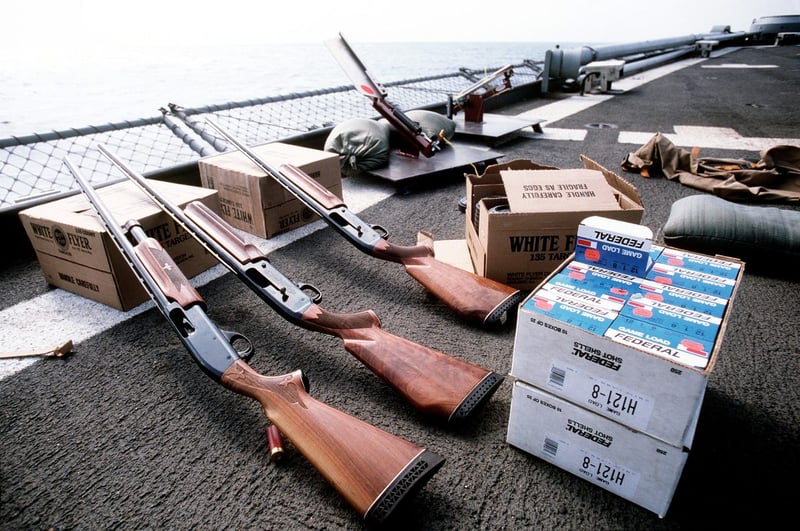
Shotgun Hunting
Gauges, chokes, shot size, and lead for birds and slug country.
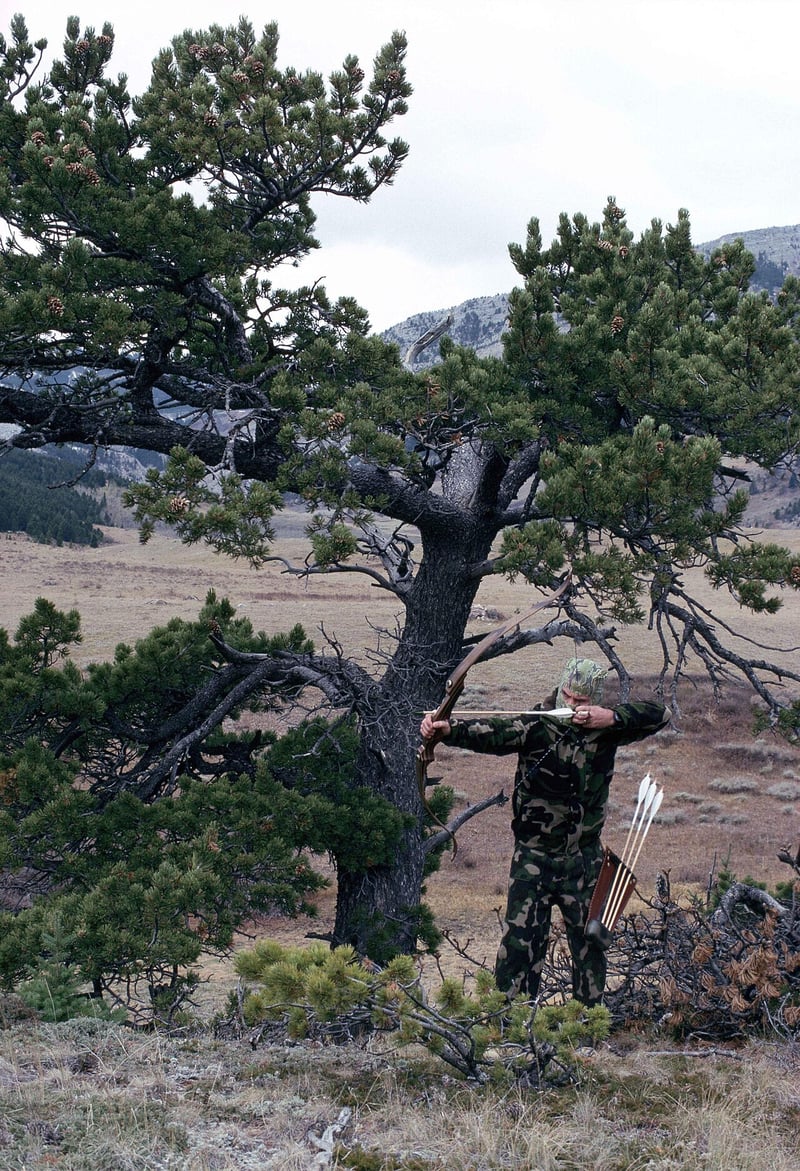
Recurve & Traditional Bow
Instinctive shooting, draw weight, arrow spine, and close-range craft.
Traditional Archery Hub
Eleven recurve and longbow guides: form, aiming, spine, tuning, and building tackle.
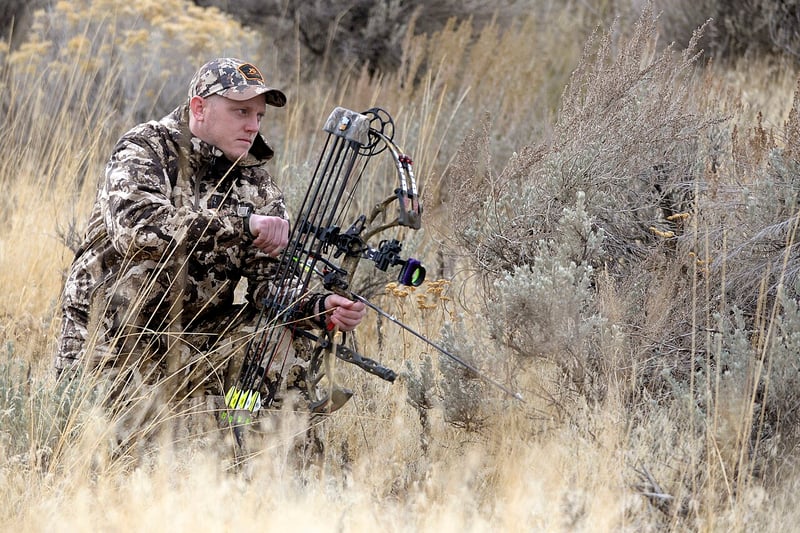
Compound Bow Hunting
Draw length, sight and rest setup, broadhead tuning, and shot process.
Hunting Tips
Wind discipline, stand placement, blood trailing, and meat care.
Keep going
Related reading
Traditional Archery Hub
Every recurve and longbow guide on The Wild10 in one place.
Read →Build Your Own Arrows
Cutting, squaring, inserts, fletching with a jig and finishing — build a matched dozen for a fraction of shop prices.
Read →Bow Tuning & Silencing
Brace height, nocking point, tiller and string silencers — how to make a recurve shoot flat, quiet and consistent.
Read →Bow & String Care
String wax, limb storage, humidity, travel and the pre-season inspection that catches a failure before it happens.
Read →Top 10 lists
Best in category: hunting gear
Ranked picks with real product photos, specs, and editor notes — the buying side of everything covered in these guides.
Best Hunting Rifles
Bolt guns from budget workhorses to mountain rifles.
See the ranking →Best Upland Shotguns
Over-unders and light autos built to carry all day.
See the ranking →Best Waterfowl Shotguns
3.5-inch guns that keep cycling through mud and ice.
See the ranking →Best Deer Hunting Shotguns
Rifled slug guns for shotgun-only whitetail country.
See the ranking →Best Compound Bows
Forgiving, quiet compounds that tune without a fight.
See the ranking →Best Recurve Bows
Hunting recurves that shoot quiet and hold up outside.
See the ranking →Also on The Wild10
Fishing Guides
Fish identification, the knots that hold, lure selection by conditions, and the habits that fill a stringer.
Open the fishing hub →