Short drawing
Too much bow
Coming to a shorter anchor to manage weight costs energy, changes spine, and moves impact unpredictably. Fix the poundage, not the anchor.
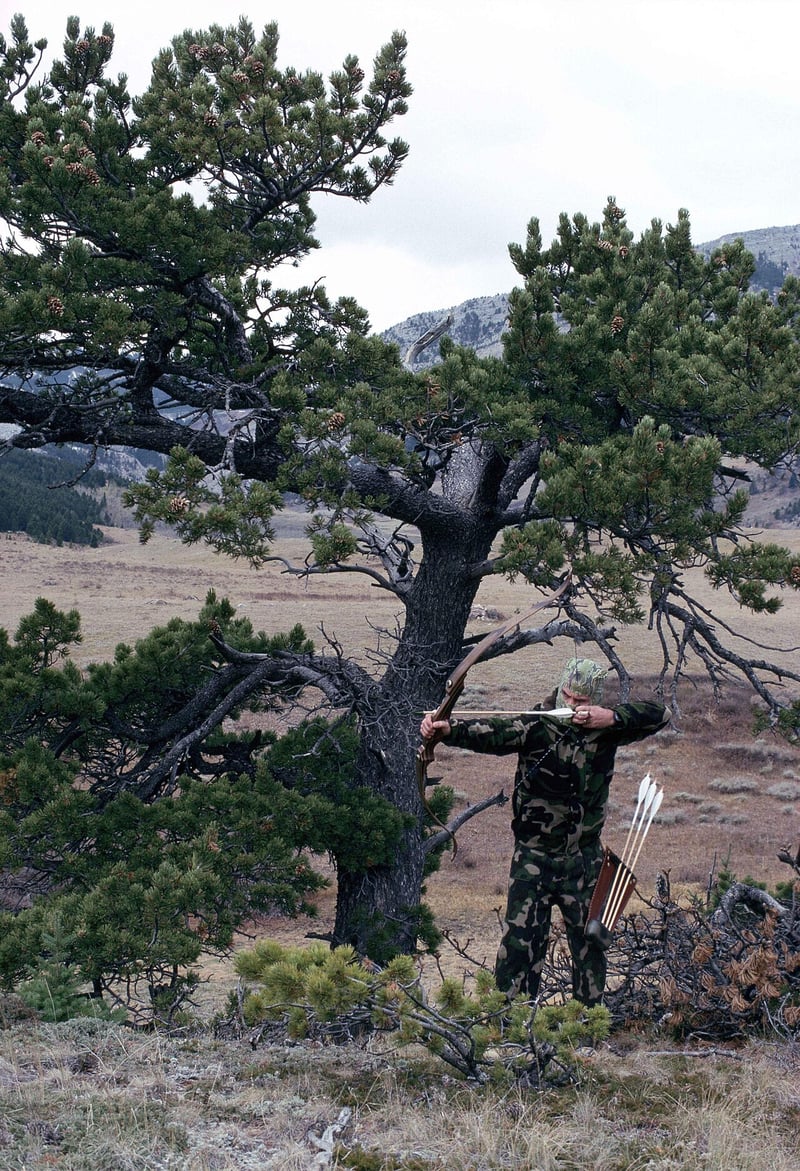
A compound shooter holds and settles. A traditional shooter draws, anchors and releases in a continuous two-to-four second cycle, because there is no let-off and a static hold turns into a collapse. That constraint means the sequence has to be identical every arrow.
Build it at three yards into a blank bale with your eyes closed. Shooting close and without a target teaches the body the motion without the scoring anxiety that creates target panic.
01
Say each step to yourself out loud during practice. When it becomes one motion, you have it.
02
Too much bow
Coming to a shorter anchor to manage weight costs energy, changes spine, and moves impact unpredictably. Fix the poundage, not the anchor.
Hand leaves the face
Releasing by opening the fingers and throwing the hand sideways sends the arrow left or right. The hand should relax and travel straight back along the jaw under back tension.
Peeking
Looking for the arrow before it lands drops impact low. Hold the bow arm up until you hear the hit — this single discipline fixes more misses than any equipment change.
Snap shooting, freezing
Releasing early or being unable to hold on the spot. Cure it with blank-bale shooting at three yards with no target, draw-and-let-down drills, and shooting a lighter bow for several weeks.
Questions
Where every hunting guide on The Wild10 starts.
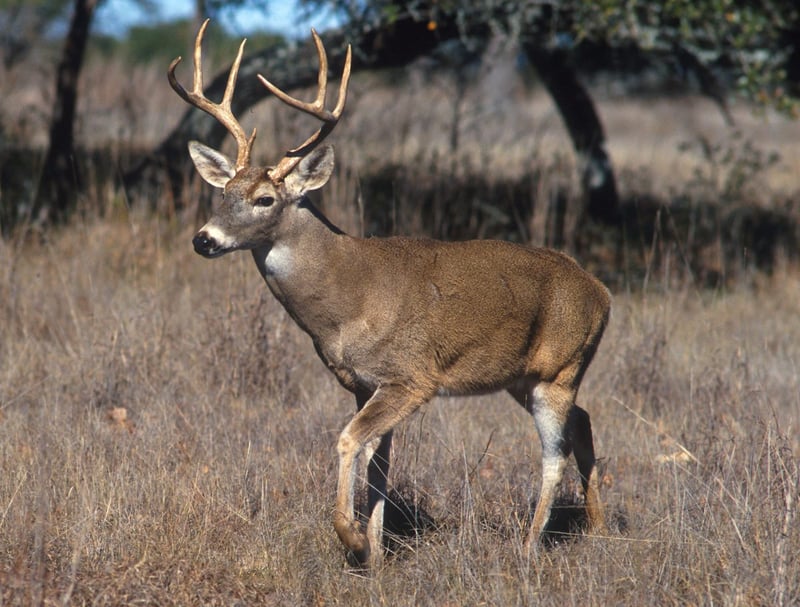
Big game, small game, upland birds, and waterfowl — habitat and season.
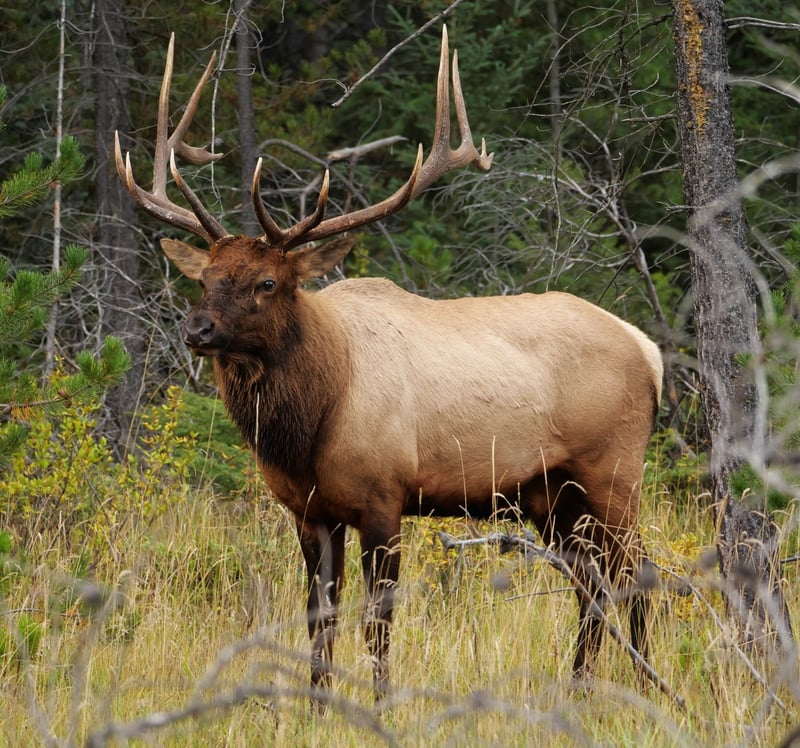
Deer, elk, moose, bear, hog and sheep — where to hunt, tags, and what to expect.
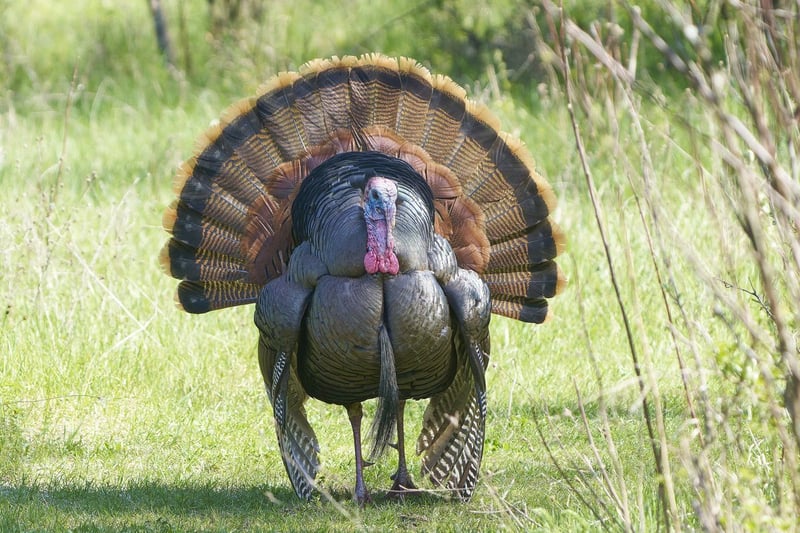
Turkey, pheasant, grouse, quail, ducks, geese, rabbits, squirrels and predators.
All 50 states — what to hunt, license costs, laws and public land.
All 50 states — seasons, tags, laws, public land and tactics.
Calling, shotguns, bows, camo, blinds, scouting, and spring vs fall.
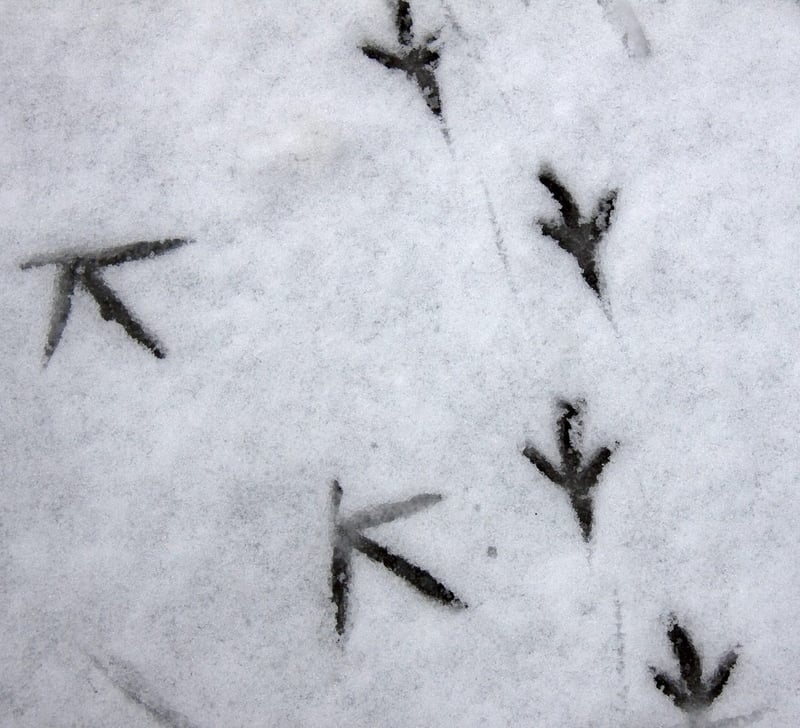
Search every species and filter by tracks, droppings and sign, harvest, or skinning.
Cartridges, zero, field positions, wind, and shot placement.
Gauges, chokes, shot size, and lead for birds and slug country.
Instinctive shooting, draw weight, arrow spine, and close-range craft.
Eleven recurve and longbow guides: form, aiming, spine, tuning, and building tackle.
Draw length, sight and rest setup, broadhead tuning, and shot process.
Wind discipline, stand placement, blood trailing, and meat care.
Keep going
Every recurve and longbow guide on The Wild10 in one place.
Read →The 15-yard test that tells you whether your arrows are spined and nocked right — read the nock angle and fix it in the right order.
Read →Cutting, squaring, inserts, fletching with a jig and finishing — build a matched dozen for a fraction of shop prices.
Read →Brace height, nocking point, tiller and string silencers — how to make a recurve shoot flat, quiet and consistent.
Read →Top 10 lists
Ranked picks with real product photos, specs, and editor notes — the buying side of everything covered in these guides.
Bolt guns from budget workhorses to mountain rifles.
See the ranking →Over-unders and light autos built to carry all day.
See the ranking →3.5-inch guns that keep cycling through mud and ice.
See the ranking →Rifled slug guns for shotgun-only whitetail country.
See the ranking →Forgiving, quiet compounds that tune without a fight.
See the ranking →Hunting recurves that shoot quiet and hold up outside.
See the ranking →Also on The Wild10
Fish identification, the knots that hold, lure selection by conditions, and the habits that fill a stringer.
Open the fishing hub →