Fletching jig
Buy once
A single-clamp helical jig is the traditional standard and handles feathers of any length. Straight-clamp jigs are faster but steer a broadhead less well.
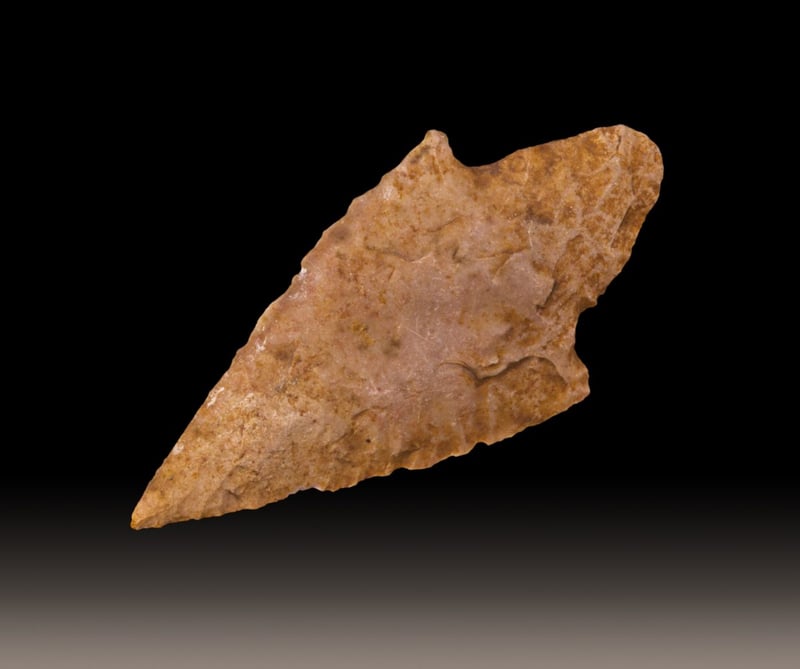
Shop-built traditional arrows cost two to three times the price of components, and they are rarely weight-matched to the tolerance a bare-shaft-tuned setup deserves. Building your own takes an afternoon and a modest kit.
It also means you can repair fletching in camp, swap point weight to re-tune, and keep a spare dozen ready before the season instead of waiting on a shop in October.
01
Work in batches: cut all twelve, square all twelve, then glue. Batching is what produces a matched set rather than twelve individual arrows.
02
Buy once
A single-clamp helical jig is the traditional standard and handles feathers of any length. Straight-clamp jigs are faster but steer a broadhead less well.
Carbon only
A high-speed abrasive wheel cuts carbon square and clean. Never cut carbon with a tube cutter or hacksaw — it splinters the wall and creates a shaft that can fail on release.
The cheap upgrade
Squares the shaft ends so points and nocks seat true. This single twenty-dollar tool removes most of the wobble people blame on spine.
Matching
A digital grain scale lets you sort shafts, points and finished arrows. Matching to within a few grains is what turns twelve arrows into a group.
Traditional builds
Wood shafts also need a taper tool for the point and nock ends, a spine tester or supplier-matched sets, and a finish — polyurethane or oil — to keep humidity from warping them.
Questions
Where every hunting guide on The Wild10 starts.
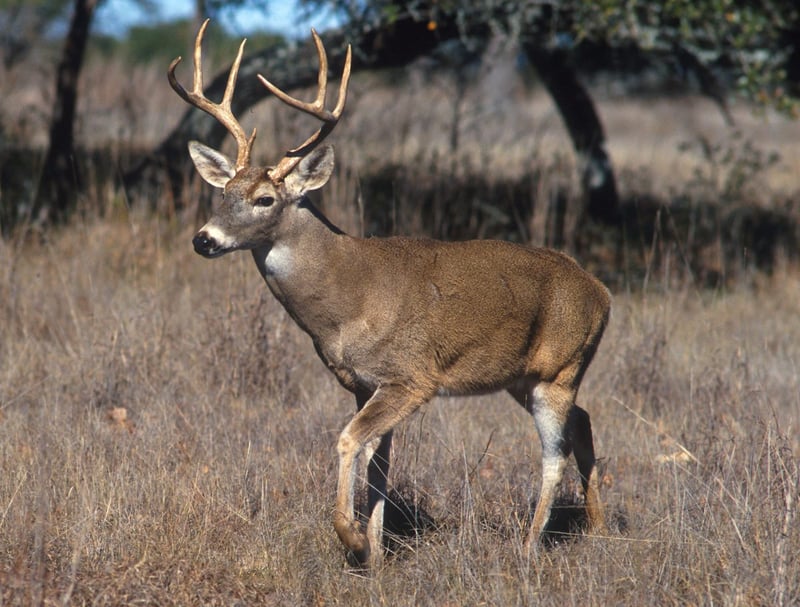
Big game, small game, upland birds, and waterfowl — habitat and season.
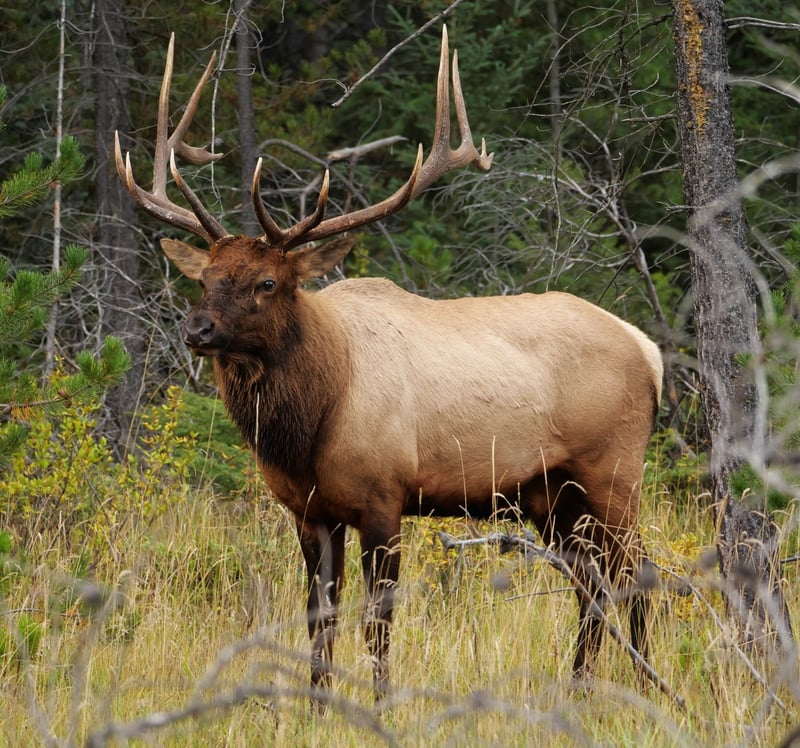
Deer, elk, moose, bear, hog and sheep — where to hunt, tags, and what to expect.
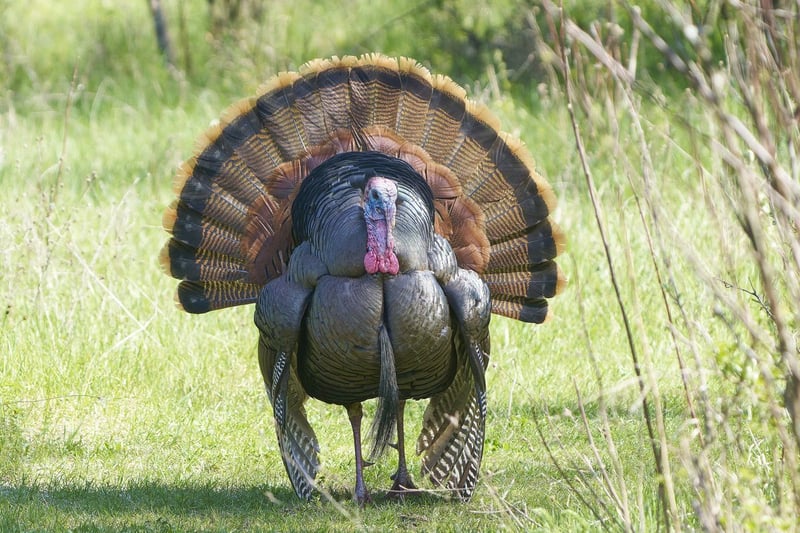
Turkey, pheasant, grouse, quail, ducks, geese, rabbits, squirrels and predators.
All 50 states — what to hunt, license costs, laws and public land.
All 50 states — seasons, tags, laws, public land and tactics.
Calling, shotguns, bows, camo, blinds, scouting, and spring vs fall.
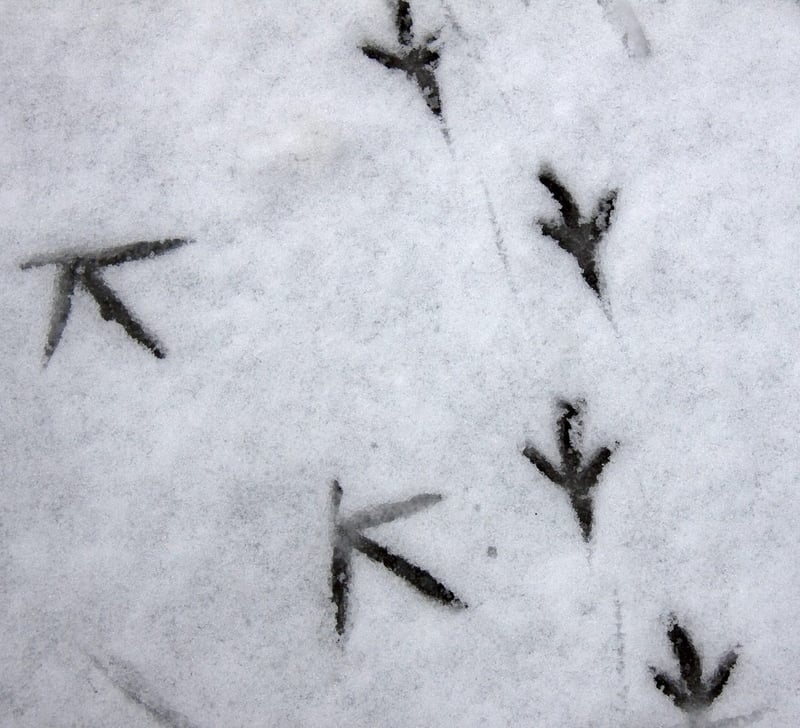
Search every species and filter by tracks, droppings and sign, harvest, or skinning.
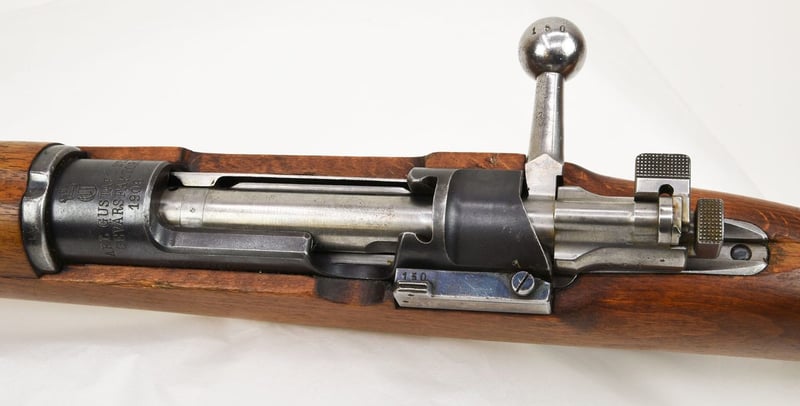
Cartridges, zero, field positions, wind, and shot placement.
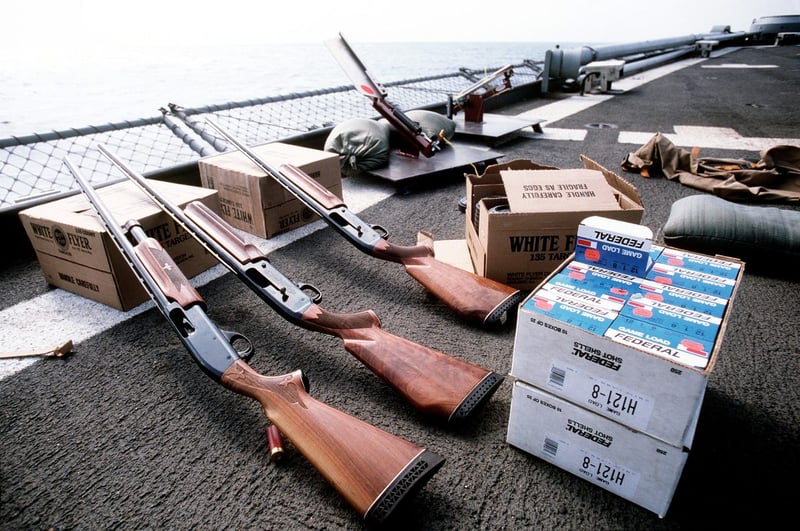
Gauges, chokes, shot size, and lead for birds and slug country.
Instinctive shooting, draw weight, arrow spine, and close-range craft.
Eleven recurve and longbow guides: form, aiming, spine, tuning, and building tackle.
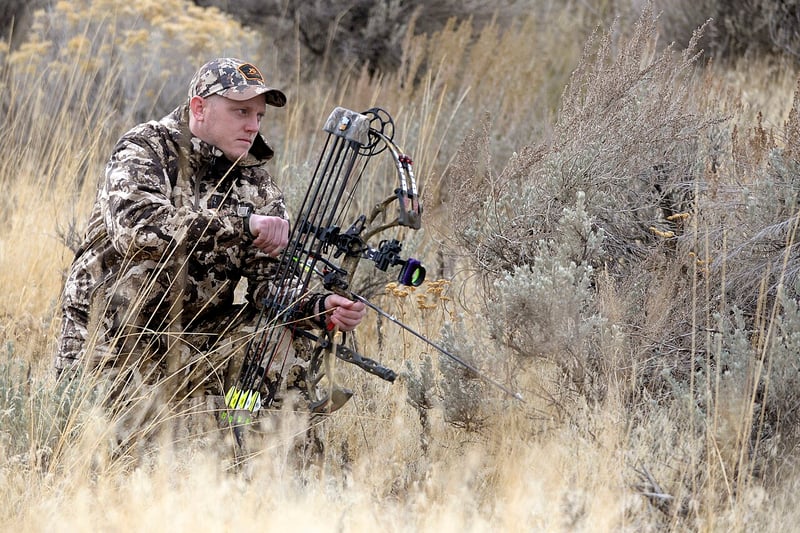
Draw length, sight and rest setup, broadhead tuning, and shot process.
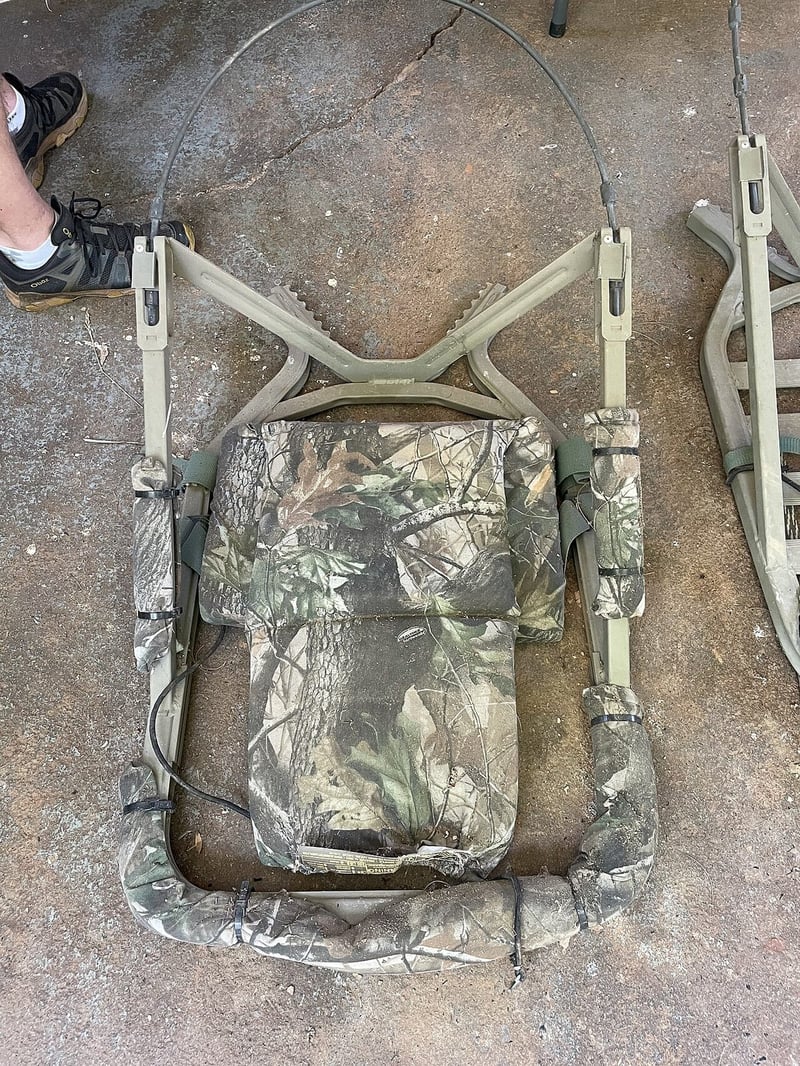
Wind discipline, stand placement, blood trailing, and meat care.
Keep going
Every recurve and longbow guide on The Wild10 in one place.
Read →Brace height, nocking point, tiller and string silencers — how to make a recurve shoot flat, quiet and consistent.
Read →String wax, limb storage, humidity, travel and the pre-season inspection that catches a failure before it happens.
Read →Two realistic first projects: a red oak board bow you can finish in a weekend, and a hickory or osage stave selfbow.
Read →Top 10 lists
Ranked picks with real product photos, specs, and editor notes — the buying side of everything covered in these guides.
Bolt guns from budget workhorses to mountain rifles.
See the ranking →Over-unders and light autos built to carry all day.
See the ranking →3.5-inch guns that keep cycling through mud and ice.
See the ranking →Rifled slug guns for shotgun-only whitetail country.
See the ranking →Forgiving, quiet compounds that tune without a fight.
See the ranking →Hunting recurves that shoot quiet and hold up outside.
See the ranking →Also on The Wild10
Fish identification, the knots that hold, lure selection by conditions, and the habits that fill a stringer.
Open the fishing hub →