Nocking point
1/8–1/4" above square
Set with a bow square and brass nock or served thread. Too low and the arrow porpoises nock-high; too high and it kicks nock-low. Fix this before touching spine.
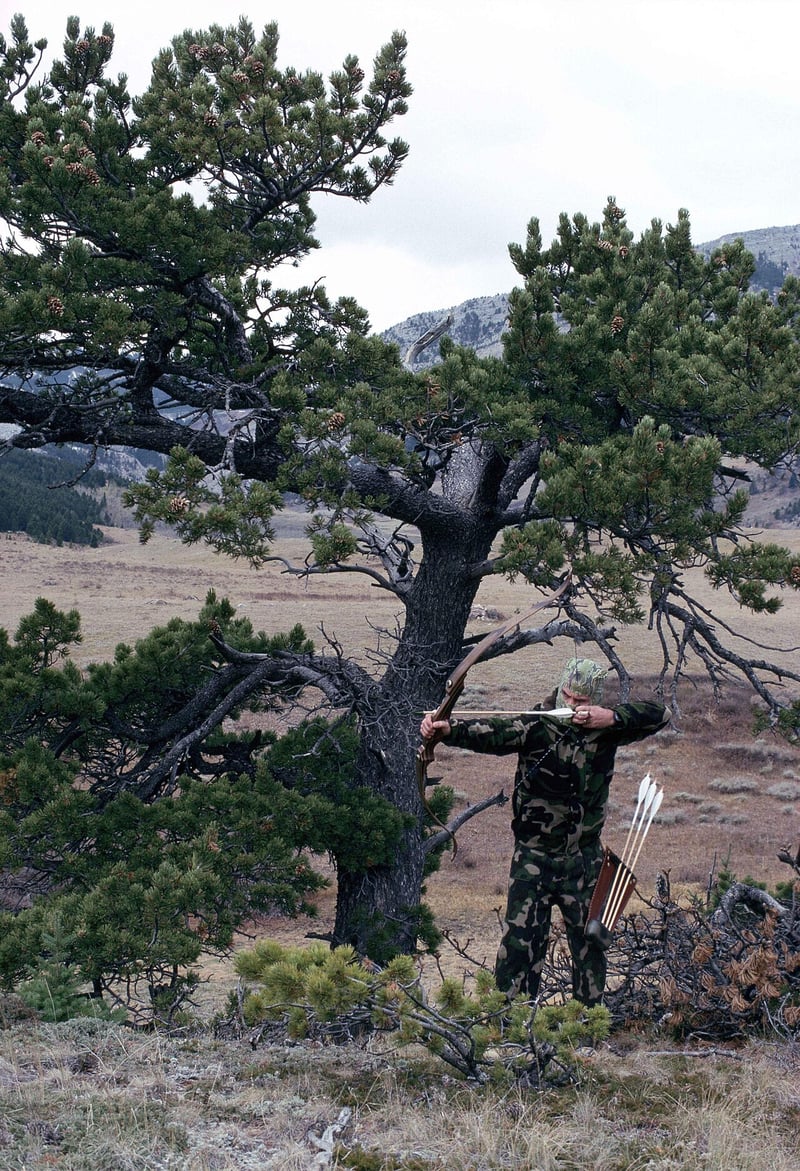
Traditional arrows travel slowly enough that an alert deer can hear the shot and drop below the arrow before it arrives. Noise reduction is therefore not a comfort item; it is an ethical part of the setup.
Tuning and silencing overlap: a bow at its correct brace height with a properly seated nocking point is already quieter, and silencers finish the job.
01
Brace height is the distance from the string to the deepest part of the grip. Every bow has a sweet spot inside its manufacturer's range where it goes quiet and groups tighten.
02
1/8–1/4" above square
Set with a bow square and brass nock or served thread. Too low and the arrow porpoises nock-high; too high and it kicks nock-low. Fix this before touching spine.
Usually 1/8–3/16" positive
Measure from the string to the base of each limb where it meets the riser. Most three-finger-under-the-nock shooters run the top limb slightly greater. Change it only on bows with adjustable limb bolts, and one turn at a time.
Fast Flight vs Dacron
Low-stretch strings are faster and quieter but only belong on bows rated for them — fitting one to an older bow can destroy the limb tips. Dacron is slower, stretchier and safe on everything.
Beaver fur, wool puffs, cat whiskers
Place a pair roughly a third of the way from each limb tip and adjust position until the bow goes dead. Fur and wool outperform rubber in cold and are near-silent when brushed by branches.
Kill the buzz
A strip of adhesive fleece or moleskin on the shelf and strike plate stops the arrow rattling as it leaves. Limb-tip dampeners take out the residual hum on faster bows.
Field check
Shake the bow with the quiver mounted and full. Loose arrows, a bouncing quiver hood or a bolt one turn short will make more noise than the shot. Fix them at home, not at eighteen yards.
Questions
Where every hunting guide on The Wild10 starts.
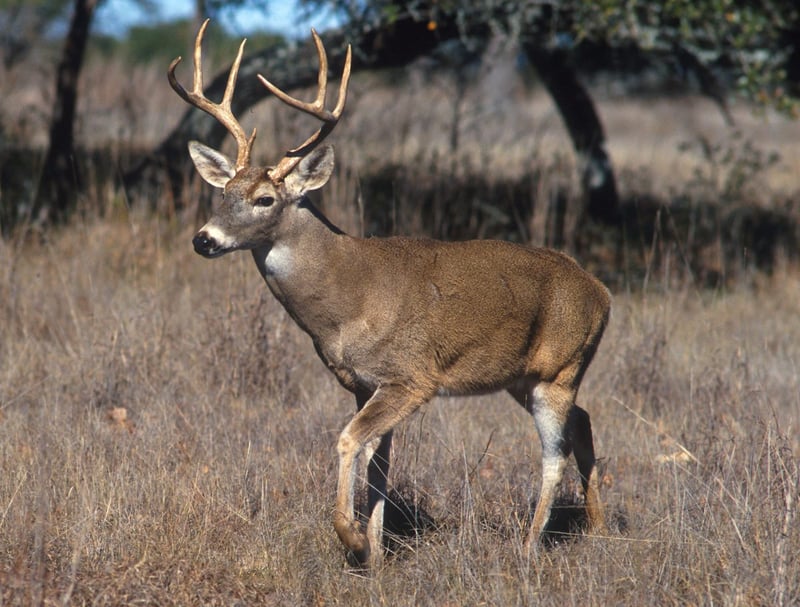
Big game, small game, upland birds, and waterfowl — habitat and season.
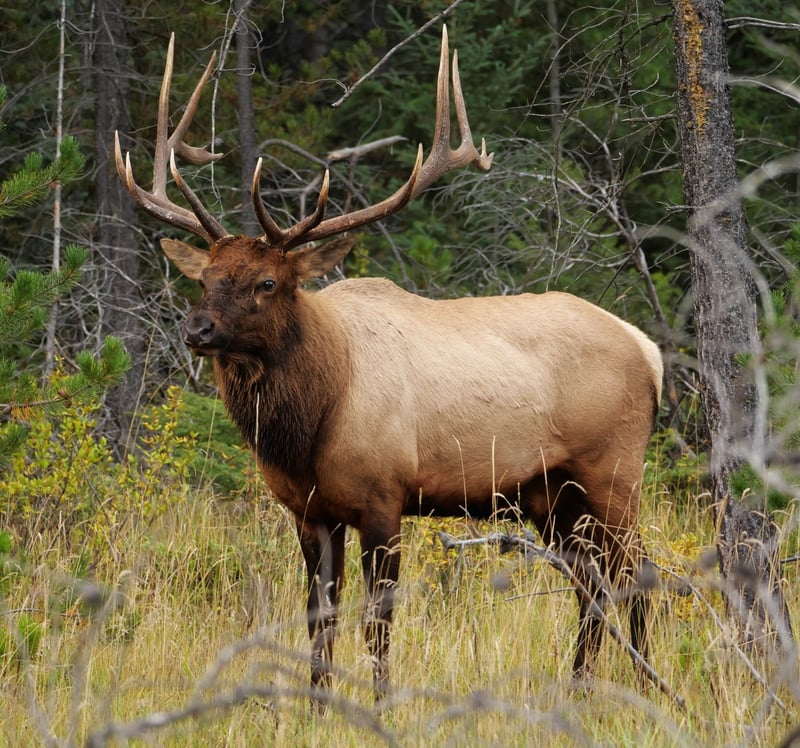
Deer, elk, moose, bear, hog and sheep — where to hunt, tags, and what to expect.
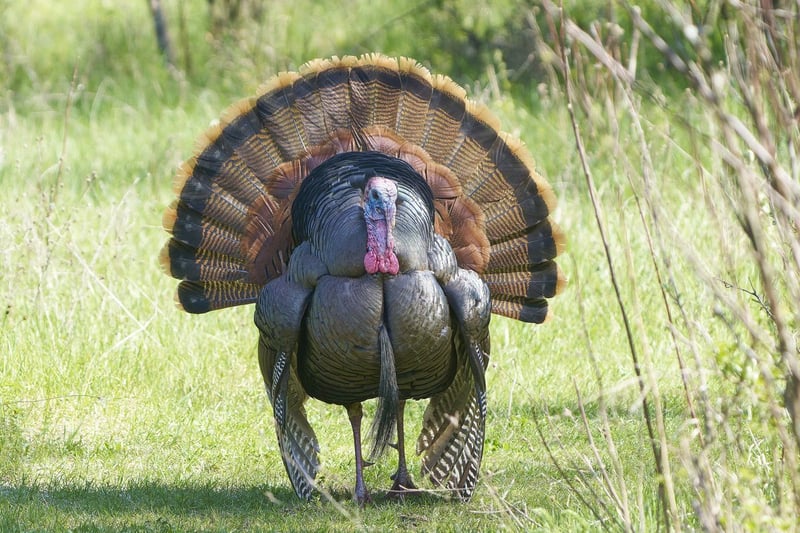
Turkey, pheasant, grouse, quail, ducks, geese, rabbits, squirrels and predators.
All 50 states — what to hunt, license costs, laws and public land.
All 50 states — seasons, tags, laws, public land and tactics.
Calling, shotguns, bows, camo, blinds, scouting, and spring vs fall.
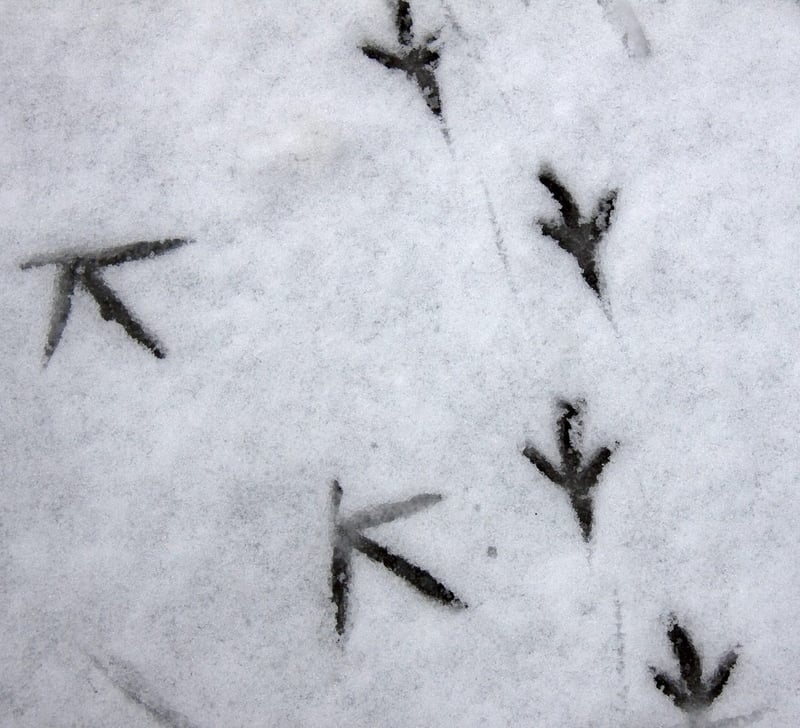
Search every species and filter by tracks, droppings and sign, harvest, or skinning.
Cartridges, zero, field positions, wind, and shot placement.
Gauges, chokes, shot size, and lead for birds and slug country.
Instinctive shooting, draw weight, arrow spine, and close-range craft.
Eleven recurve and longbow guides: form, aiming, spine, tuning, and building tackle.
Draw length, sight and rest setup, broadhead tuning, and shot process.
Wind discipline, stand placement, blood trailing, and meat care.
Keep going
Every recurve and longbow guide on The Wild10 in one place.
Read →String wax, limb storage, humidity, travel and the pre-season inspection that catches a failure before it happens.
Read →Two realistic first projects: a red oak board bow you can finish in a weekend, and a hickory or osage stave selfbow.
Read →Wind, cover, pace and the draw itself — the woodsmanship half of traditional bowhunting, which is most of it.
Read →Top 10 lists
Ranked picks with real product photos, specs, and editor notes — the buying side of everything covered in these guides.
Bolt guns from budget workhorses to mountain rifles.
See the ranking →Over-unders and light autos built to carry all day.
See the ranking →3.5-inch guns that keep cycling through mud and ice.
See the ranking →Rifled slug guns for shotgun-only whitetail country.
See the ranking →Forgiving, quiet compounds that tune without a fight.
See the ranking →Hunting recurves that shoot quiet and hold up outside.
See the ranking →Also on The Wild10
Fish identification, the knots that hold, lure selection by conditions, and the habits that fill a stringer.
Open the fishing hub →