Skip to content
Wild10
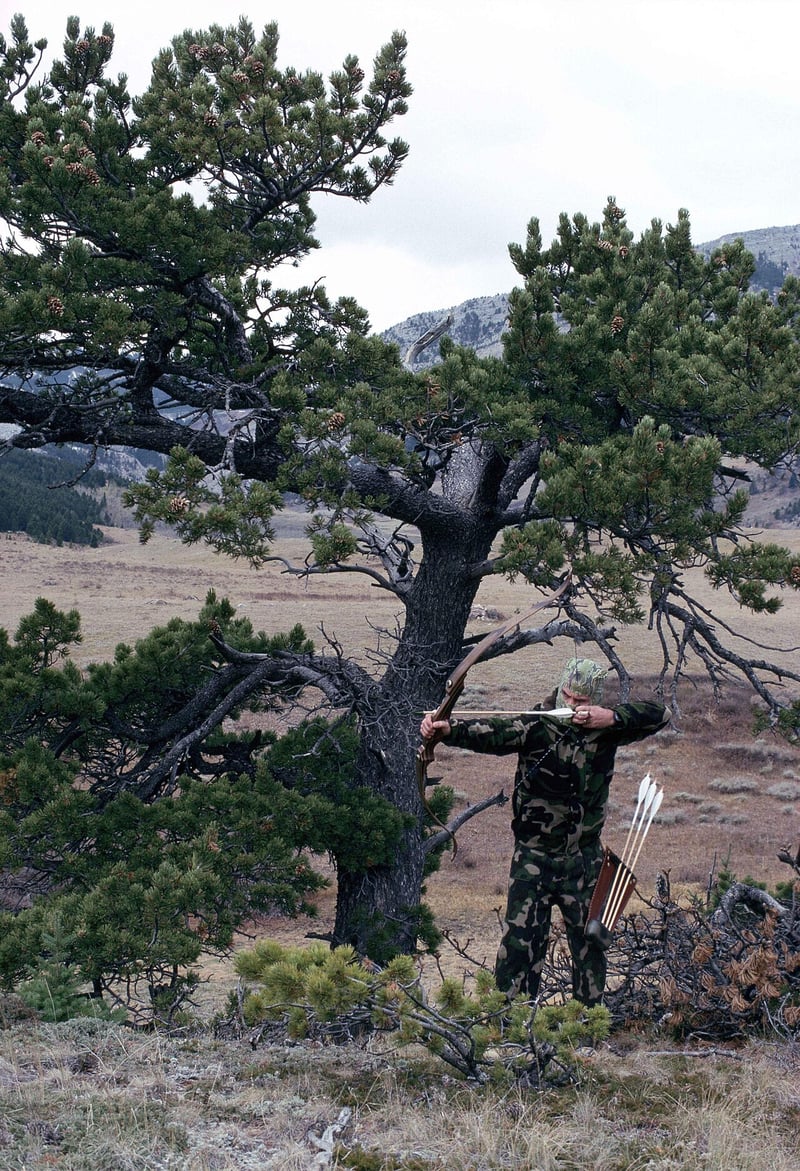
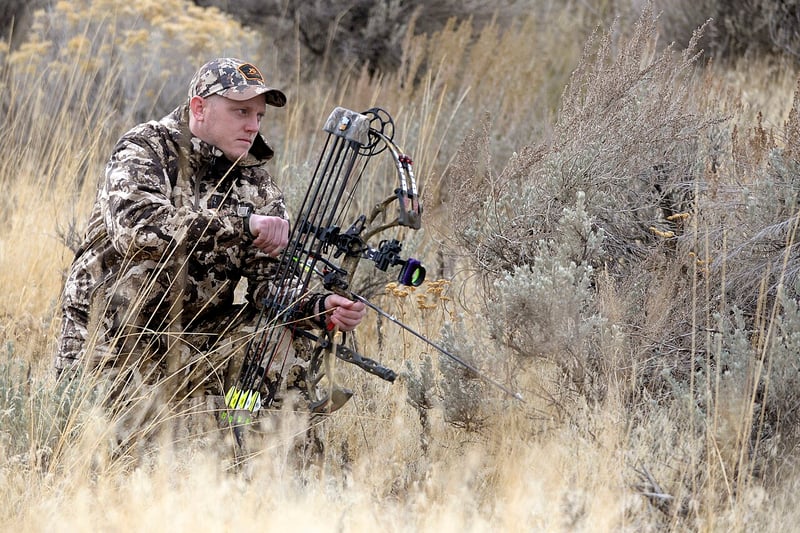
Camouflaged hunter at full draw with a traditional recurve bow in high country pine

Traditional archery · Skill

Caring for a bow you want to keep for thirty years

Traditional tackle outlives its owner if it is looked after — and fails spectacularly if it is not.

A recurve or longbow has almost nothing to go wrong, which is exactly why the few maintenance items matter. A dry, frayed string, a laminated limb left in a hot truck, or a wood bow stored strung will all end the same way.

None of this takes long: five minutes of wax every couple of weeks, sensible storage, and one honest inspection before the season.

Wax string
Every 2–3 weeks
Replace string
Yearly or 1,500 shots
Storage
Unstrung, horizontal, cool
Never
Hot vehicle

01

Maintenance that actually matters

Camouflaged hunter at full draw with a traditional recurve bow in high country pine
Mishler, N and MJ, U.S. Fish and Wildlife Service / Public domain · Wikimedia Commons

Waxing the string

Every 2–3 weeks in season

Run string wax over the string body — not the served sections — and burnish it in with a leather scrap or your fingers until it warms and absorbs. Wax keeps strands from abrading each other and sheds water.

Replacing the string

Annually, or at fuzz

Replace once a year for a hunting bow, sooner if the serving separates or strands look fuzzed and dry. Build the new string to your recorded brace height and always carry a spare, pre-stretched string in the pack.

Unstringing

Wood yes, glass usually no

Wood selfbows should be unstrung after every session to limit string follow. Modern fibreglass-laminate recurves tolerate being left strung for a hunting day but should be unstrung for long-term storage. Always use a bow stringer — the step-through method twists limbs and injures people.

Storage

Cool, dry, horizontal

Store unstrung, lying flat or hanging from the riser, at room temperature and moderate humidity. Never leave a bow in a vehicle: heat delaminates glue lines and is the single most common way good bows die.

Humidity and wood

40–60% RH

Wood limbs and wood arrows move with moisture. A stable indoor spot away from radiators and exterior walls is enough; a cheap hygrometer in the case tells you when it is not.

Travel

Takedown wins

A takedown breaks into a hard case for flights and pack trips. Pad the limb tips, keep the string in a separate bag so hardware cannot nick it, and never strap a strung bow to the outside of a pack through brush.

02

Pre-season inspection

Fifteen minutes in August that prevents a ruined October.

  1. 1Flex the bow slowly and look down each limb edge for twist, lifted glass or hairline separation at the glue lines.
  2. 2Check limb-bolt torque and limb-pocket alignment on takedown risers; snug, not gorilla-tight.
  3. 3Inspect the string end loops and centre serving for separation, fuzz, or a shiny worn spot.
  4. 4Verify brace height against your recorded number and re-twist if the string has crept.
  5. 5Confirm the nocking point has not slipped, then shoot a bare shaft to prove the tune survived the off-season.
  6. 6Check the shelf pad and strike plate, replace if compressed, and inspect every arrow for cracks by flexing and listening.

Questions

Frequently asked

Should I leave my recurve strung?
A modern fibreglass-laminate recurve can stay strung through a hunting day without harm, but should be unstrung for storage of more than a few days. Wood selfbows and older laminated longbows should be unstrung after every session to limit string follow and permanent set.
How often should I wax a bowstring?
Every two to three weeks during the season, and any time the string has been rained on or looks dry and fuzzy. Wax the string body only — never the served sections around the nocking point and end loops, where it collects grit.
When should I replace a bowstring?
Once a year on a hunting bow, or immediately if the centre serving separates, strands are visibly cut or fuzzed, or the brace height keeps creeping. Strings are cheap; a string failure at full draw can destroy a bow and injure the shooter.
Can I leave a bow in the truck?
No. A closed vehicle in summer can pass 150°F, which softens the epoxy in laminated limbs and permanently twists them. Heat damage is the most common way good traditional bows are ruined, and it is entirely preventable.


Also on The Wild10

Fishing Guides

Fish identification, the knots that hold, lure selection by conditions, and the habits that fill a stringer.

Open the fishing hub →
Fly angler casting on a clear northern river