Skip to content
Wild10
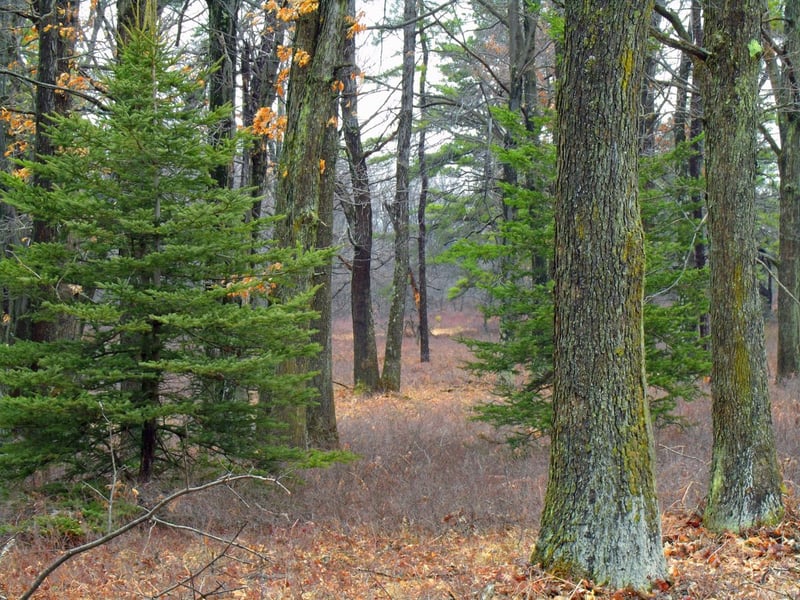
Hardwood forest in peak autumn color

Traditional archery · Skill

Building your first bow

A board bow from the hardware store teaches tillering for thirty dollars. A stave selfbow is the next step.

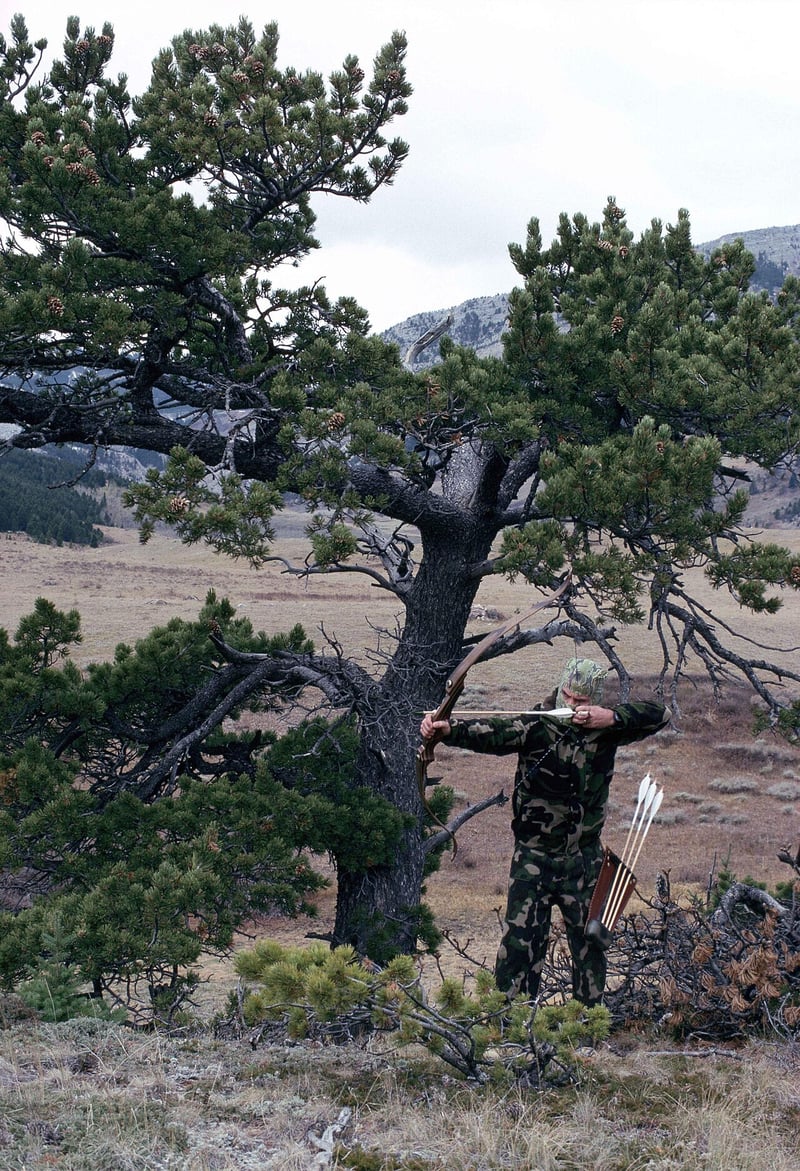
Bow building is the oldest branch of this discipline and the fastest way to understand why bows behave the way they do. You will learn more about limb timing in one tillering session than in a year of reading.

Start with a red oak board bow. The wood is cheap, the layout is straight, and if it breaks you have lost an afternoon — which it probably will, and that is the point.

First project
Red oak board bow
Cost
Under $40 in materials
Time
A weekend
Key skill
Tillering

01

Red oak board bow, step by step

Choose a 1x2 inch red oak board, 68 inches long, with perfectly straight grain running the full length and no run-off at the edges. Grain selection decides the outcome before you cut anything.

  1. 1Mark the centre, then a 4 inch handle section and 2 inch fades either side.
  2. 2Lay out the limbs tapering from about 1.5 inches at the fades to 0.5 inch at the tips, and cut the profile with a bandsaw or coping saw.
  3. 3Glue a handle riser block to the belly side so you never have to remove wood from the back.
  4. 4Floor tiller: brace one tip on your foot, press the handle down, and watch the limbs bend. Rasp the stiff spots until both limbs bend evenly.
  5. 5Cut side nocks about half an inch from each tip and fit a long tillering string.
  6. 6Put the bow on a tillering tree and draw to 10 inches. Scrape the belly wherever a limb is flat rather than bending, exercising the bow thirty times between every scraping.
  7. 7Work down in stages to your full draw length, checking weight on a scale and never exceeding the target weight at each stage.
  8. 8Sand through the grits, cut a shelf or shoot off the knuckle, and finish with several coats of tung oil or polyurethane to seal against moisture.

02

Moving up to a stave selfbow

Hardwood forest in peak autumn color
Unknown photographer / Wikimedia Commons · Wikimedia Commons

Wood choice

Osage, hickory, elm, yew

Osage orange is the North American benchmark; hickory is forgiving and tolerates humidity poorly but takes abuse; elm and yew are both classic. Cut in winter, seal the ends, and season for a year, or buy a dried stave.

Follow one ring

The defining skill

On ring-porous woods like osage you chase a single growth ring on the back with a drawknife and scraper. Any violation of that ring is where the bow will break, so this stage is slow and deliberate.

Tillering tree

Build one first

A vertical post with a pulley and notched scale lets you watch both limbs bend under load and read weight at each draw stage. Tillering by eye without one is how good staves become firewood.

Sinew, horn and backings

Advanced

Sinew backing adds cast and insurance against tension failure but takes weeks to cure. Linen or silk backings are far quicker and forgive an imperfect back ring on a first stave.

Safety

Non-negotiable

Wear eye protection at every draw. Never stand in line with a bow on the tillering tree, and never pull past your intended draw weight to see what happens — that is precisely when limbs explode.

Questions

Frequently asked

What wood is best for a first bow?
Red oak from a hardware store, chosen for dead-straight grain that runs the full length of the board. It is cheap, predictable and easy to work with hand tools. Hickory is the best forgiving choice once you move to a stave.
What is tillering?
Removing wood from the belly of the limbs until both bend in an even arc at full draw and the bow reaches its target weight. It is done in small stages with the bow exercised between each round, and it is the skill that separates a working bow from firewood.
How long does it take to build a selfbow?
A red oak board bow takes a weekend. A stave selfbow takes twenty to forty hours of work spread over weeks, plus a year of seasoning if you cut your own wood. Chasing a ring and tillering are the slow parts and cannot be rushed.
Can you hunt with a homemade bow?
Yes, provided it meets your state's minimum draw weight and shoots accurately and consistently. Shoot several hundred arrows through it first, confirm it holds weight and brace height, and inspect the limbs for hairline checks before you take it into the woods.


Also on The Wild10

Fishing Guides

Fish identification, the knots that hold, lure selection by conditions, and the habits that fill a stringer.

Open the fishing hub →
Fly angler casting on a clear northern river