- How do I measure draw length for a recurve?
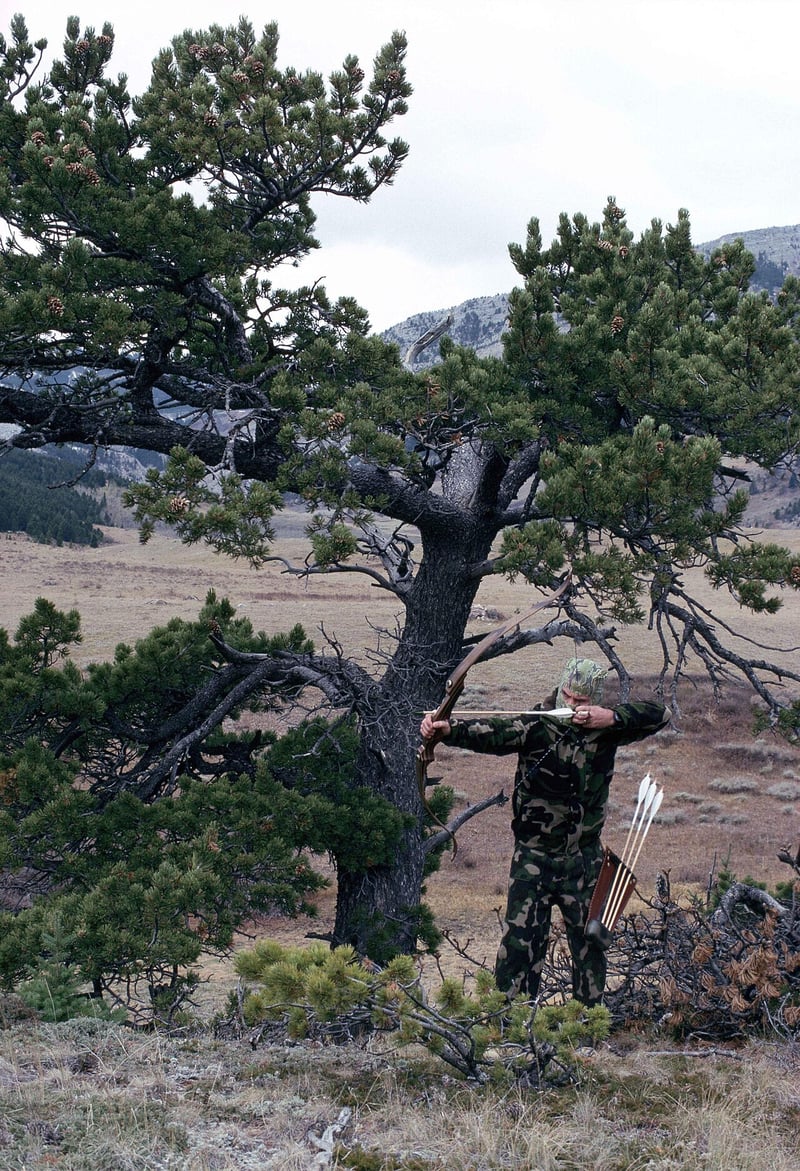
- Divide your wingspan in inches by 2.5 for an estimate, then confirm with a clip-on draw-length arrow drawn to your natural anchor and measured to the back of the bow. Traditional draw length usually runs half an inch to a full inch shorter than a compound draw length because the string hand anchors at the face rather than behind the jaw.
- What draw weight should a beginner start with?
- Thirty to thirty-five pounds at your draw length. It is heavy enough to teach back tension and light enough to shoot fifty arrows a session without form collapse. Buy a takedown riser so you can step up in five-pound increments as your back and shoulder adapt.
- How much does draw weight change per inch of draw?
- Roughly 2.5 lb per inch on a typical recurve, added above 28 inches and subtracted below it. Short bows drawn long can stack far harder than that in the last inch or two, which is one reason a 30 inch draw belongs on a 62 inch or longer bow.
- Is 40 lb enough for deer with a recurve?
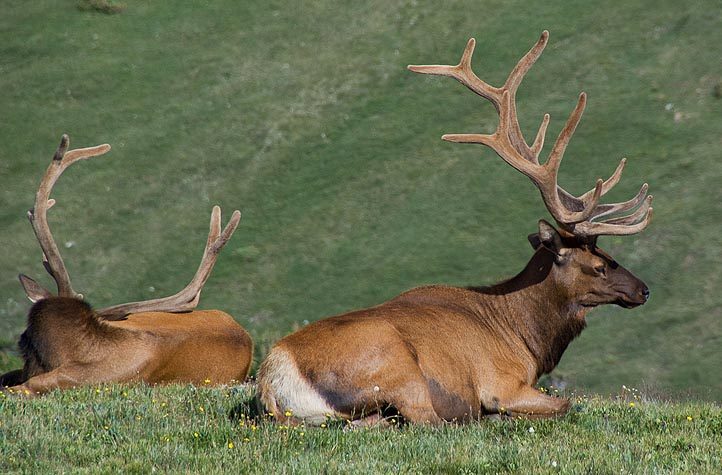
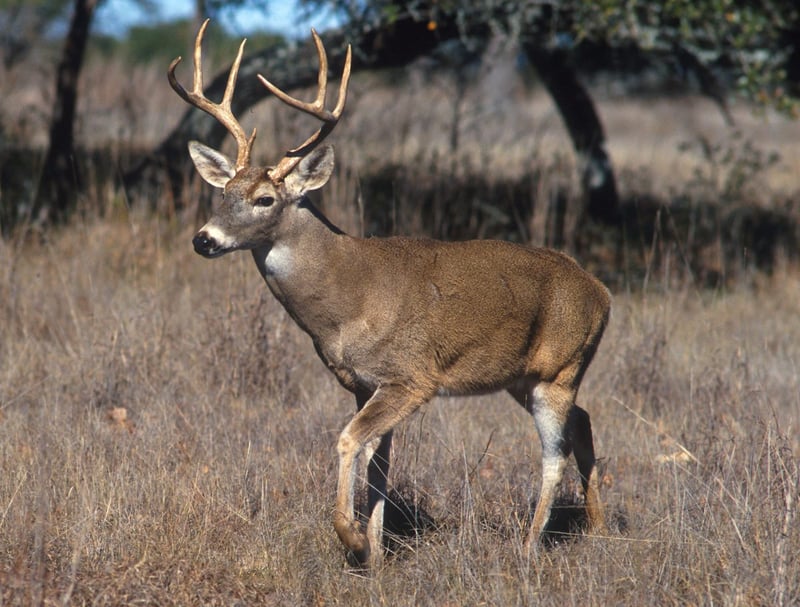
- Yes, with the right arrow and a disciplined shot. Forty pounds driving a 500+ grain arrow with a sharp, two-blade cut-on-contact head passes through broadside deer-sized game inside twenty yards. Sharpness, arrow weight and shot angle matter far more than the last five pounds of draw weight.