Tracks
5 in., round
Big, round, and blunt — nearly circular, wider than a moose track and far less pointed. Herd trails churn ground into a wide braided path.
Hunting · Big Game · Bison
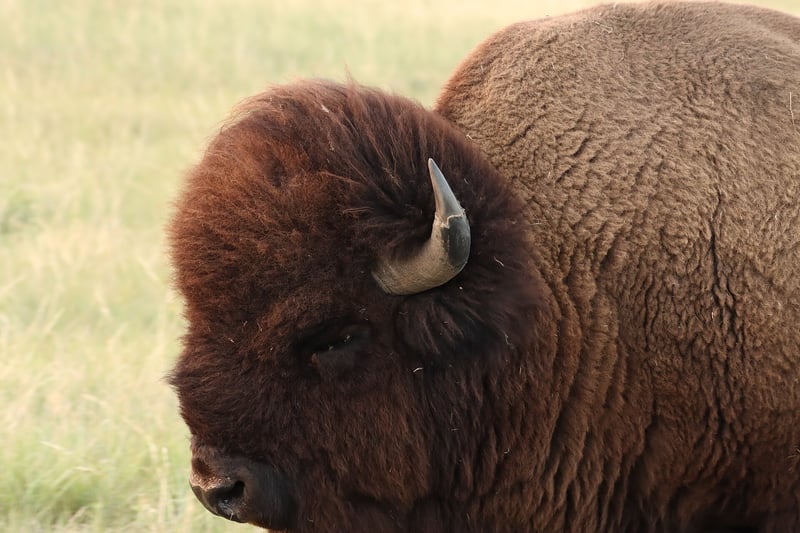
North America's largest land animal, a genuine once-in-a-lifetime public-land tag in most states, and a pack-out that dwarfs even moose or elk.
Wild, huntable bison herds are a small but real part of North American hunting — public herds exist in Utah's Henry Mountains and Book Cliffs, Arizona's House Rock Valley and Raymond Ranch, and Alaska's Delta and Copper River herds, alongside numerous tribal and private-ranch hunts.
A mature bull can weigh over a ton, making it the largest animal a North American hunter can legally pursue, and the difficulty of the hunt is almost entirely in logistics rather than in finding or approaching the animal, since wild bison in managed herds are often not particularly wary of vehicles or people at moderate distance.
Public-land bison tags are among the hardest in North America to draw — some Utah and Arizona hunts have odds under 1% — while private ranch hunts and some tribal lands offer a guaranteed, if expensive, hunt.
01
Genuine wild, free-ranging bison hunting is limited to a handful of managed public herds plus tribal and private-ranch options that guarantee access.
| Place | Why it's worth your time | How you get a tag |
|---|---|---|
| Utah — Henry Mountains & Book Cliffs | Free-ranging, genetically pure herds in rugged high-desert terrain | Extremely limited once-in-a-lifetime draw; odds often well under 1% |
| Arizona — House Rock Valley & Raymond Ranch | Managed public herds with a real fair-chase hunt | Limited draw; low odds, unit specific |
| Alaska — Delta & Copper River herds | Wild herds in genuine wilderness setting | Drawing permit or registration hunt; check current allocation method |
| Custer State Park, SD & other state-managed herds | Periodic public hunts on managed conservation herds | Application-based; check state park/wildlife agency for current-year hunts |
| Tribal lands & private ranches nationwide | Guaranteed hunts, often on large fenced or semi-wild range | Purchased hunt through the tribe or ranch; no draw required but cost is high |
02
Bison hunting is less about finding and approaching the animal — herds are often locatable and visible — and much more about picking the right animal, making a precise close-range shot, and being fully prepared for the enormous job that follows.
03
Bison sign is unmistakable and larger than anything else on the continent. In wild-herd units, you are usually following a herd rather than an individual.
5 in., round
Big, round, and blunt — nearly circular, wider than a moose track and far less pointed. Herd trails churn ground into a wide braided path.
Chips & pats
Large flat pats when green-fed, drying into the classic 'buffalo chip.' Fresh ones are dark and wet; a chip you can pick up whole is days old.
Bowl depressions
Dusty, bowl-shaped depressions 10–15 feet across where bulls roll. Old wallows persist on prairie for a century and hold rainwater.
Polished posts
Fence posts, boulders, and lone trees polished smooth with hair caught in the bark, sometimes rubbed hard enough to break the post.
Herd movement
Wide swaths of prairie cropped short with heavy trampling — a grazing pattern no other North American animal produces.
04
Public wild-bison tags are a long-odds lottery. A guaranteed hunt means going through a tribal program or a private ranch, at a real financial cost.
05
Compared to most western big game, locating a huntable bison is often the easy part — managed herds live in known ranges, and hunters frequently see animals from a truck or a short hike.
The real hunt is patience and judgment: picking the right bull from a herd, positioning for a clean and close shot, and resisting the urge to rush given how forgiving bison can seem at moderate distance.
The moment of the shot demands total focus — bison are famously tough, and shot placement into the vitals matters more here than with almost any other North American animal.
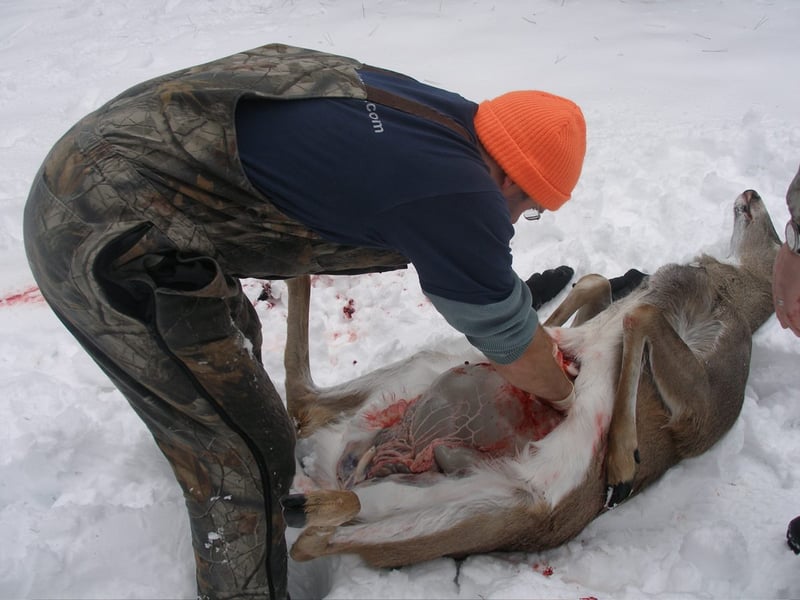
What follows the shot is the defining memory of a bison hunt for most people: hours of hard physical work quartering an animal that can weigh a ton or more, with meat, hide, and head requiring multiple vehicle loads or a serious hauling plan.
It's a hunt best done with a full crew — family, friends, or a hired processing team — because the volume of meat and work is genuinely beyond what one or two people can comfortably handle in a day.
06
Not a shopping list — the six or so items that change whether you fill the tag and whether the meat gets home in good condition.
.300 Win Mag and up
A magnum-class cartridge with premium, deep-penetrating bullets is standard; bison are dense and thick-hided, and underpowered rifles risk poor penetration.
Herd assessment
Used to pick out and judge bulls within a herd before committing to an approach, even though the animals themselves are often easy to spot.
Processing
A full processing kit including multiple sharp blades, a saw for the massive bones, and enough game bags for hundreds of pounds of meat.
The real requirement
A single bison can produce 400–600+ pounds of meat plus a heavy hide and skull — plan a vehicle and trailer setup, not a backpack, for hauling it out.
Labor
Recruit help before the hunt. Quartering and hauling a bison is a multi-person, multi-hour job even with the right equipment.
Storage
Arrange chest freezers, a processor, or multiple large coolers well in advance — the sheer volume of meat outstrips what most households can handle without planning.
07
A bison is 1,200–2,000 pounds. Everything about the harvest is a logistics problem you must solve in advance.
08
This is butchery at livestock scale. Most hunters skin, quarter, and immediately deliver to a processor.
09
A mature bison can yield 400–600+ pounds of boneless meat — more than double a bull elk and the largest single-animal meat haul in North American hunting.
Cool the meat as quickly as possible given the animal's size; quartering promptly and getting pieces into shade and airflow (or straight to a processor) matters even more than with elk or moose given the sheer mass of each piece.
Bison meat is lean, mild, and beef-like, and is widely regarded as some of the best-eating big game available — steaks and roasts from the hindquarters and loin, with the rest suited to grinding, sausage, and slow braising.
Seasons, fees, and draw rules change every year. These are the agencies and organizations that publish the current numbers — always confirm with them before you apply or hunt.
Henry Mountains and Book Cliffs draw details and odds.
House Rock Valley and Raymond Ranch hunt structure and draw information.
Delta and Copper River herd permit and registration hunt details.
Information on tribal bison herd management and hunting programs.
Questions
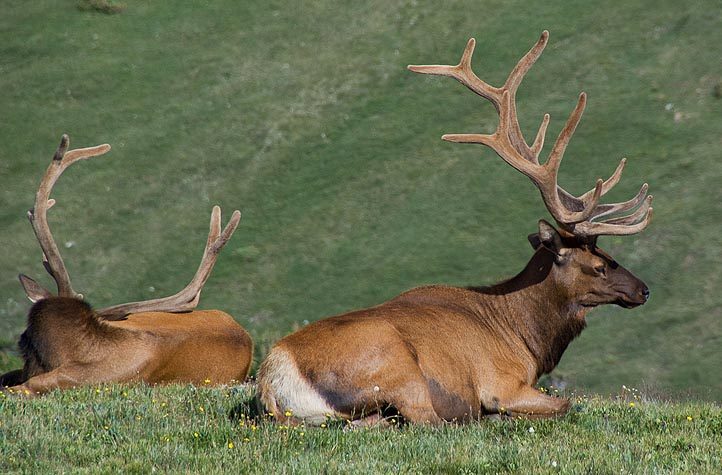
Where every hunting guide on The Wild10 starts.
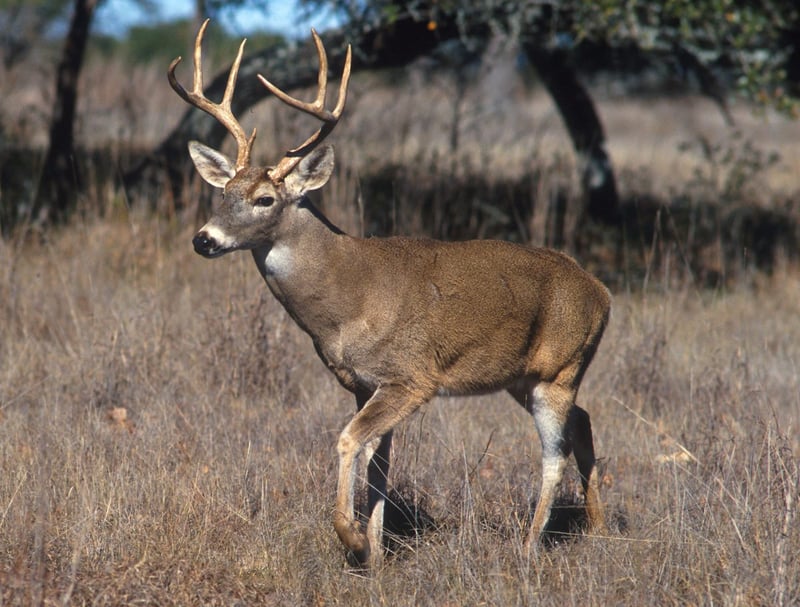
Big game, small game, upland birds, and waterfowl — habitat and season.
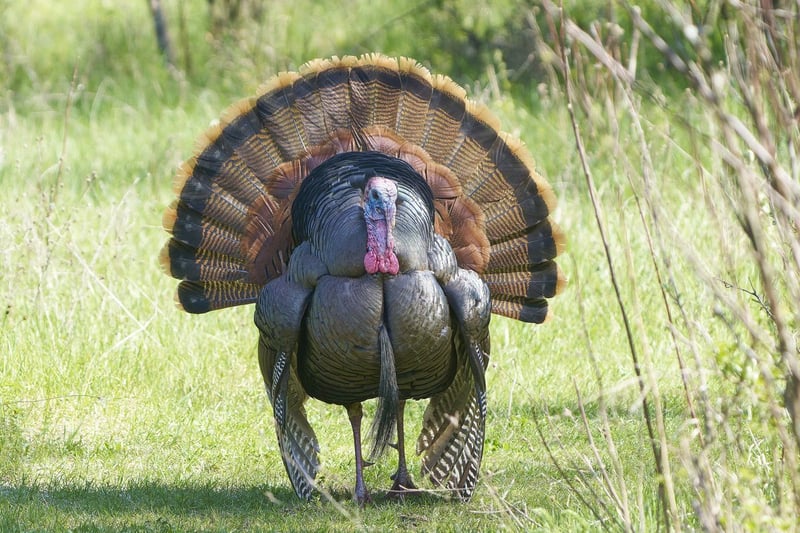
Turkey, pheasant, grouse, quail, ducks, geese, rabbits, squirrels and predators.
All 50 states — seasons, tags, laws, public land and tactics.
Calling, shotguns, bows, camo, blinds, scouting, and spring vs fall.
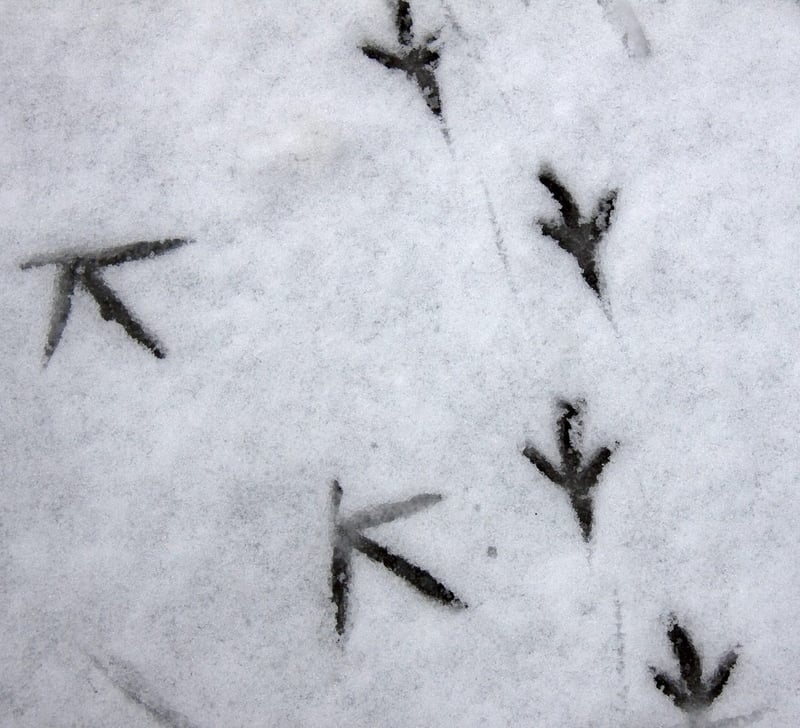
Search every species and filter by tracks, droppings and sign, harvest, or skinning.
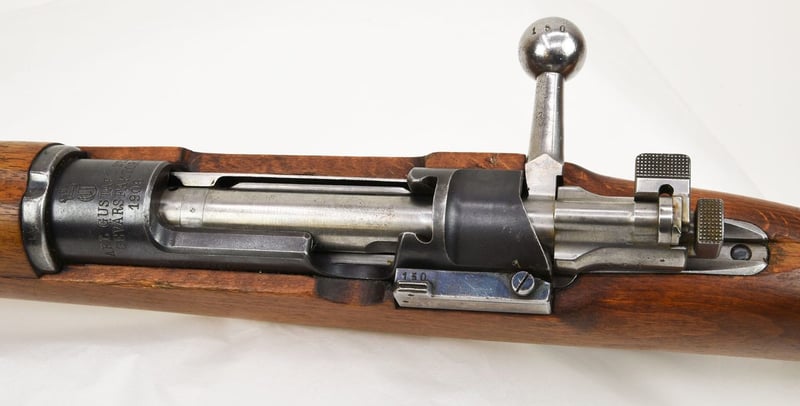
Cartridges, zero, field positions, wind, and shot placement.
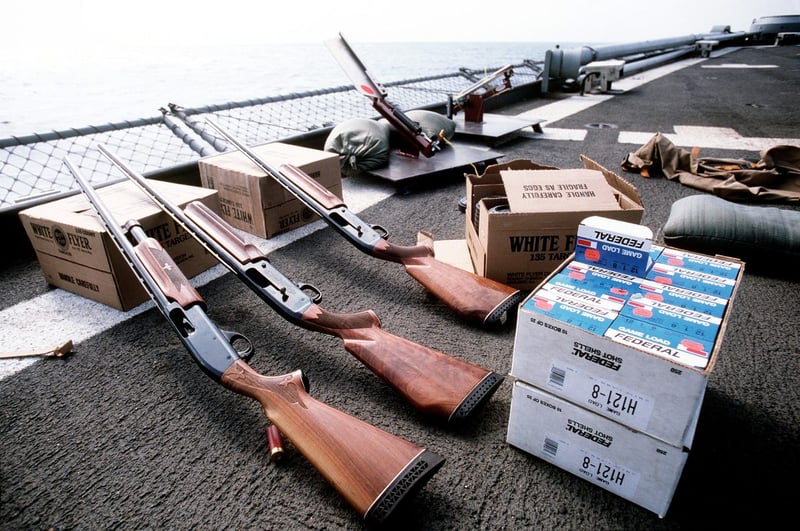
Gauges, chokes, shot size, and lead for birds and slug country.
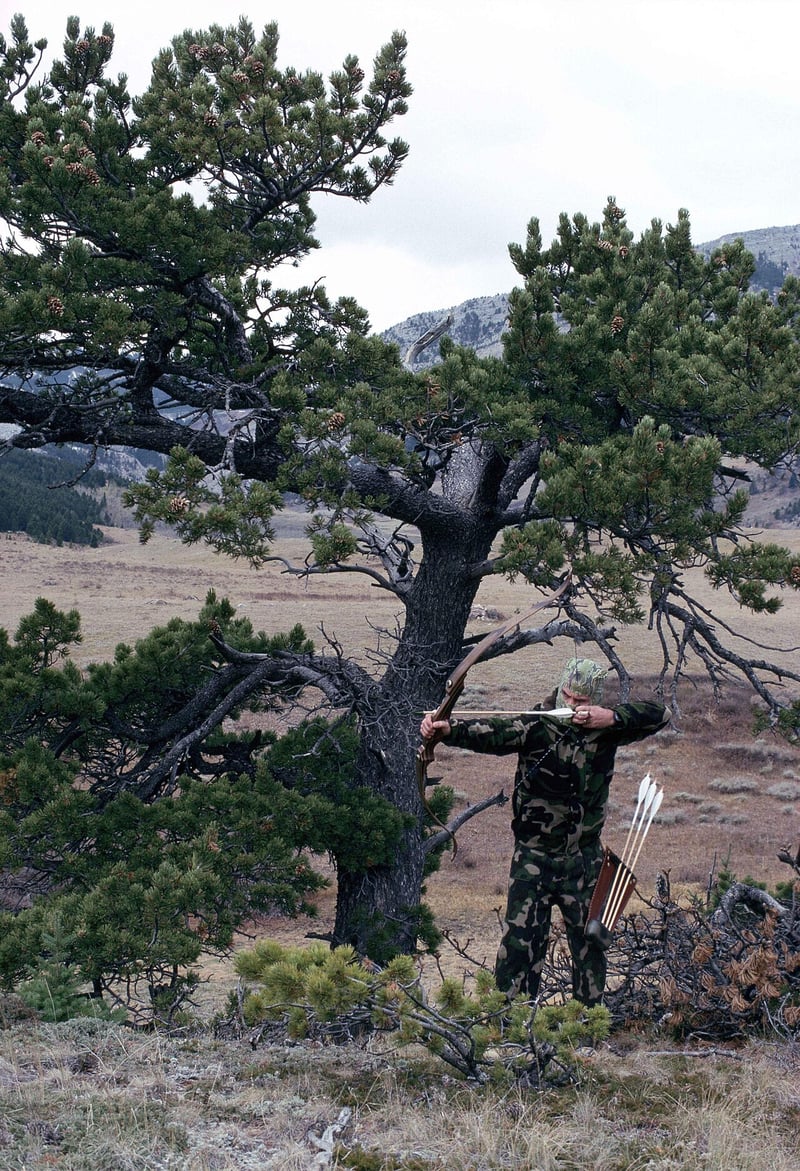
Instinctive shooting, draw weight, arrow spine, and close-range craft.
Eleven recurve and longbow guides: form, aiming, spine, tuning, and building tackle.
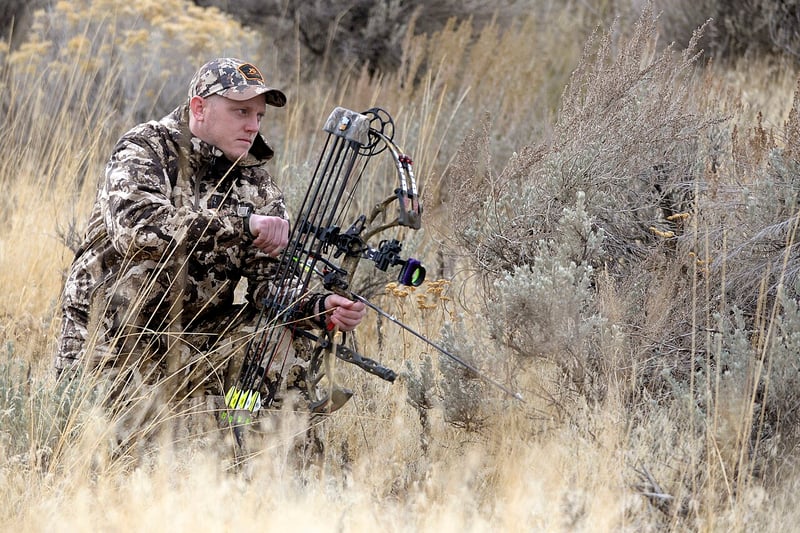
Draw length, sight and rest setup, broadhead tuning, and shot process.
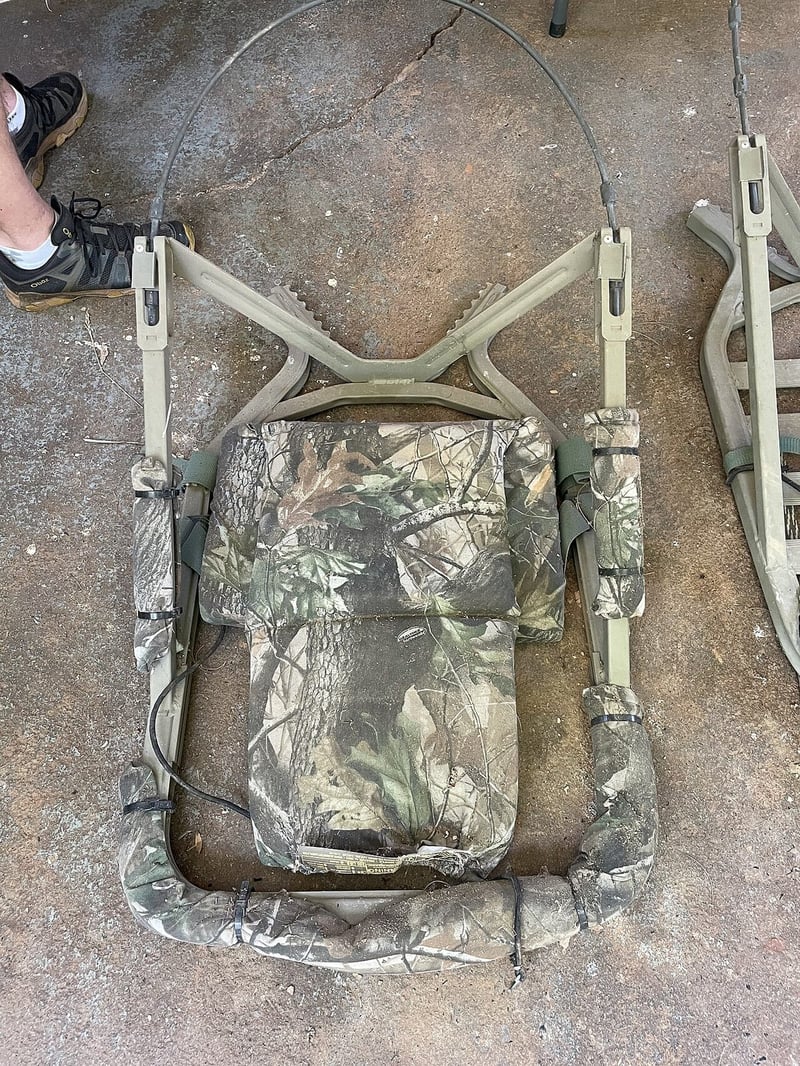
Wind discipline, stand placement, blood trailing, and meat care.
Keep going
Search every game profile by tracks, sign, harvest, and skinning guides.
Read →Cartridge choice, field positions, wind calls, and where the vitals actually sit.
Read →Gauges, chokes, slugs and straight-wall rules where rifles are not legal.
Read →Wind discipline, stand and stalk selection, blood trailing, and getting meat out cold.
Read →Book the rut week, map access, and plan the drive and cooler logistics before opening day.
Read →Top 10 lists
Ranked picks with real product photos, specs, and editor notes — the buying side of everything covered in these guides.
Bolt guns from budget workhorses to mountain rifles.
See the ranking →Rifled slug guns for shotgun-only whitetail country.
See the ranking →Spine, FOC, and broadhead pairings that fly true.
See the ranking →Quiet, wind-blocking shells for spring and early season.
See the ranking →Softshell and brush pants that move quiet and shed weather.
See the ranking →Insulated and shell layers ranked by warmth-to-noise.
See the ranking →Also on The Wild10
Fish identification, the knots that hold, lure selection by conditions, and the habits that fill a stringer.
Open the fishing hub →