
Tracks
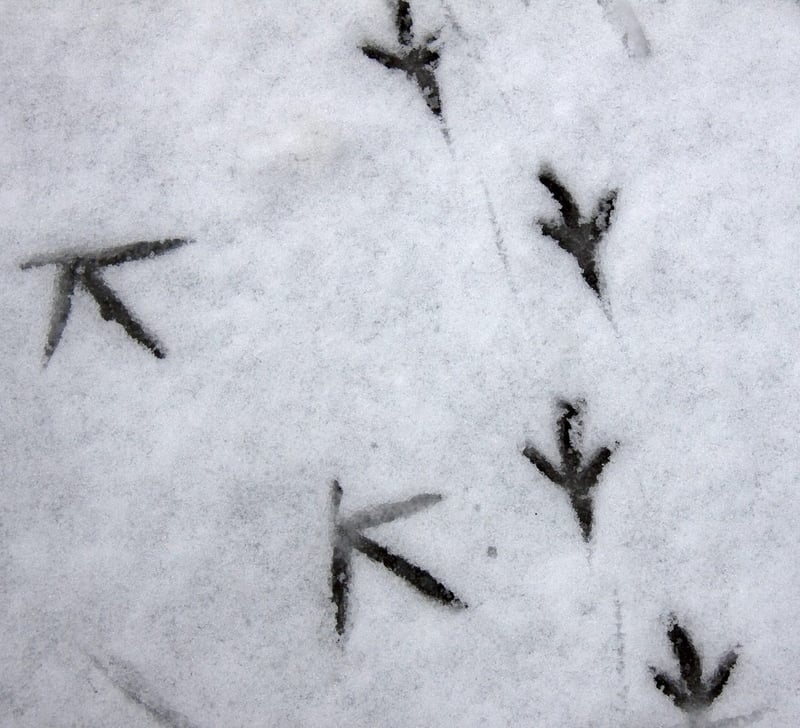
2 in.
Small three-toed prints, most visible in fresh snow along logging trails and cut edges. In winter, the feet grow comb-like pectinations that widen the track noticeably.
Hunting · Small Game & Birds · Ruffed Grouse
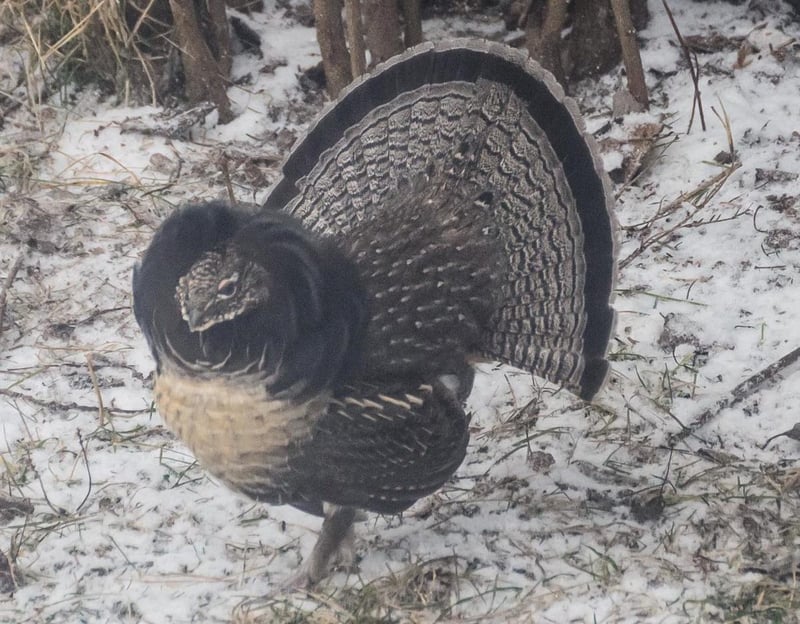
The 'king of game birds' — a thunderous wild flush from thick aspen cover that gives you a half-second snap shot and nothing more.
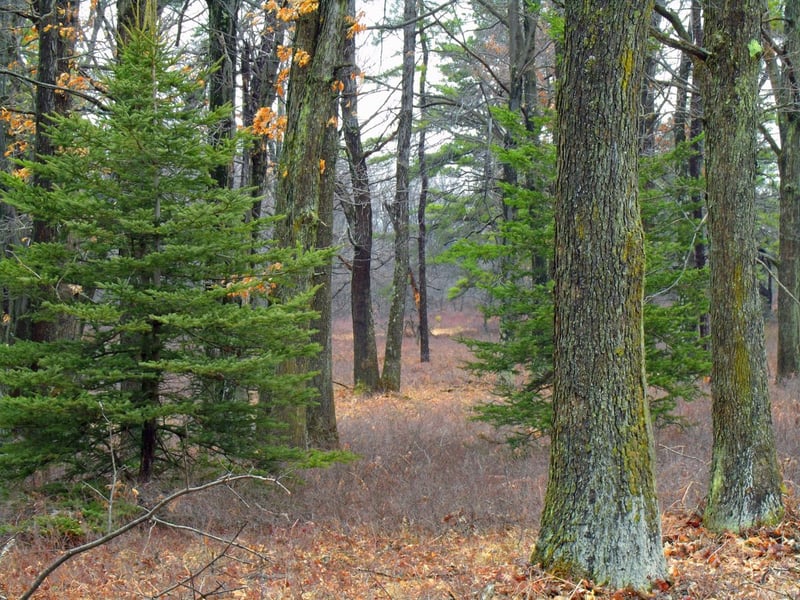
The ruffed grouse lives in dense young forest — regenerating aspen, alder thickets, and brushy edges — across the northern tier of the U.S. and much of Canada, and its population famously cycles up and down on a roughly ten-year rhythm tied to predator and food dynamics.
Unlike open-country birds, grouse hunting is a forest game: you walk logging roads, old skid trails, and young clear-cuts, and the bird flushes explosively from cover so thick you rarely see it before the shot. It has earned the nickname 'king of game birds' for exactly that reason.
Grouse tags are cheap and seasons are long, but the birds themselves are the challenge — a healthy adult grouse can put a tree trunk between itself and the gun in the same motion as the flush.
01
Grouse hunting quality tracks young-forest habitat — recently logged or naturally disturbed aspen and alder stands 5–20 years old hold the most birds.
| Place | Why it's worth your time | How you get a tag |
|---|---|---|
| Minnesota | Largest managed grouse habitat program in the country and huge public forest | Over-the-counter small-game license |
| Wisconsin | Excellent aspen management on county forest land, especially the north woods | Over-the-counter; small-game license covers grouse |
| Michigan (Upper Peninsula) | Vast public forest with strong grouse numbers on a healthy cycle year | Over-the-counter small-game license |
| Maine & New Hampshire | Classic New England grouse cover in mixed hardwood-conifer forest | Over-the-counter; check specific WMU dates |
| Pennsylvania | Extensive state game lands with good young-forest habitat programs | Over-the-counter small-game license |
02
Ruffed grouse hunting means walking dense young cover slowly with a dog or alone, ready for an instant, close-range flush.
03
Grouse sign is subtle and small, and finding it means learning to read young aspen. If you find drumming logs and clover-edge droppings in a ten-year-old cut, you have found the birds.
2 in.
Small three-toed prints, most visible in fresh snow along logging trails and cut edges. In winter, the feet grow comb-like pectinations that widen the track noticeably.
Curved cylinders
Small, dry, curved cylinders of fibrous plant matter about an inch long, often in piles under a roost or scattered along a feeding edge. A winter roost under snow leaves a compact heap.
Spring & fall
A mossy downed log with a bare, packed spot on top and droppings alongside, usually with good overhead cover and a view. Males use the same log for years.
Trail edges
Small dust bowls with feathers along old logging grades, and grit-picking sign on gravel roads at dawn and last light.
Winter
Small burrows and craters in powder where a bird plunged in to roost, with a distinctive wing-print explosion where it burst out.
04
Grouse hunting requires only a basic small-game license in most states — the planning effort goes into finding young-forest cover, not securing a tag.
05
Grouse hunting is a quiet forest walk punctuated by heart-stopping surprise. You move slowly through thick young timber, gun ready, and most of the walk is simply that — walking, listening, watching a dog's tail.
Then a grouse erupts from three feet away in a roar of wings, and you have perhaps a second and a half before it's screened by a tree trunk. Most shots are instinctive, close, and taken on birds you barely saw.
It's a hunt of low percentages — many experienced hunters flush ten birds for every one that ends up in the bag — but the fall woods, the dog work, and the occasional clean double make it one of the most satisfying wingshooting pursuits there is.
06
Not a shopping list — the handful of items that change whether you fill the tag and whether the meat gets home in good condition.
Fast handling
A light, quick-pointing gun with an open cylinder or skeet choke matters more than gauge — shots are close and instantaneous.
Dense pattern at close range
Grouse flush inside 20 yards most of the time; smaller shot gives a denser pattern for the split-second shot.
Thick cover
Alder and aspon regrowth is full of whips and thorns; faced brush pants and a tough vest prevent shredded clothing.
Keep track in cover
Visibility in dense young forest is often under 20 feet; a bell or beeper collar tells you where the dog is at all times.
Safety in shared woods
Grouse cover often overlaps with deer season in many states — high-visibility orange is essential.
07
Grouse are shot fast and close in thick cover. Marking the fall is harder than making the shot.
08
Ruffed grouse has the mildest white meat of any North American game bird and it is worth plucking whole.
09
Ruffed grouse yields small but exceptional breast meat, mild and slightly nutty, typically 6–8 ounces per bird.
Breasts are best pan-seared quickly to medium and rested, since the lean meat dries out fast if overcooked; legs are tough and better used in stock.
Bag two to four birds and cook them together for a proper meal — a single grouse breast makes a good appetizer, not a full plate.
Seasons, bag limits, and shell restrictions change every year — especially for migratory birds. Confirm with these agencies before you hunt.
Habitat programs, population cycle data, and state cover maps.
Drumming-count survey data and public forest access.
Locate national forest land open to grouse hunting.
Federal hunting resources and public land access information.
Questions
Where every hunting guide on The Wild10 starts.
Big game, small game, upland birds, and waterfowl — habitat and season.
Deer, elk, moose, bear, hog and sheep — where to hunt, tags, and what to expect.
All 50 states — seasons, tags, laws, public land and tactics.
Calling, shotguns, bows, camo, blinds, scouting, and spring vs fall.
Search every species and filter by tracks, droppings and sign, harvest, or skinning.
Cartridges, zero, field positions, wind, and shot placement.
Gauges, chokes, shot size, and lead for birds and slug country.
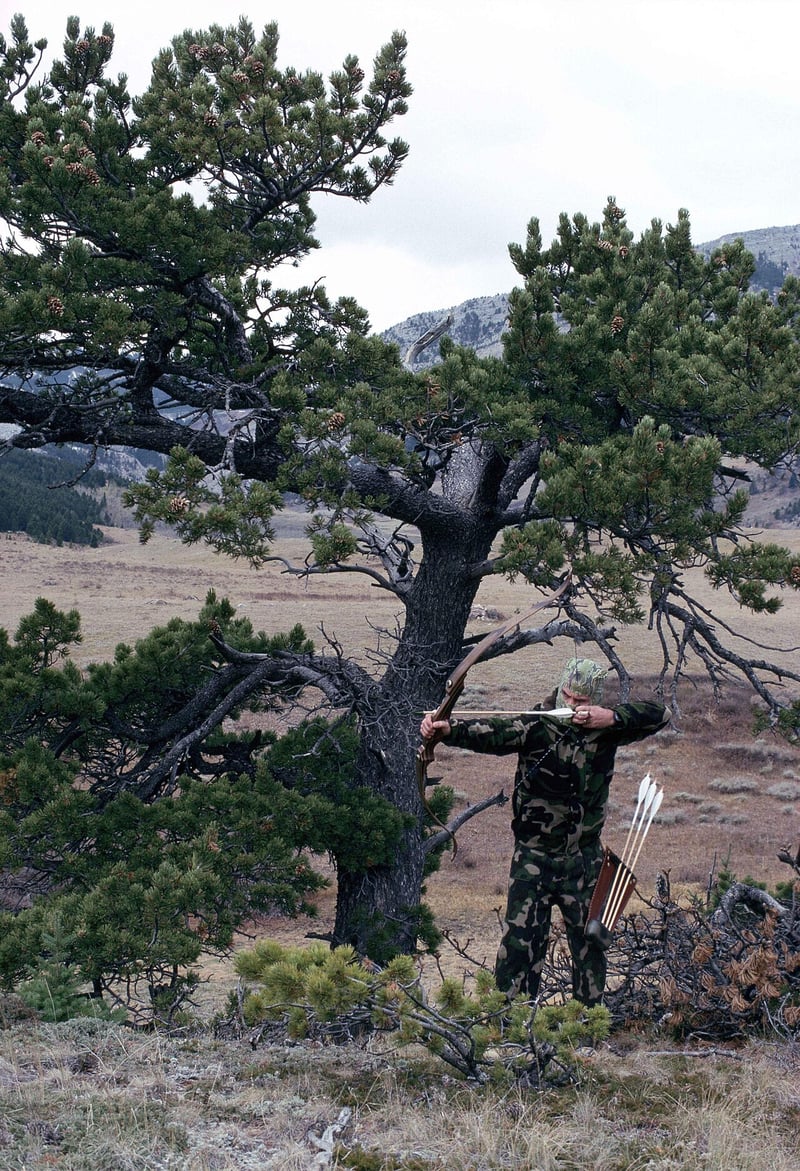
Instinctive shooting, draw weight, arrow spine, and close-range craft.
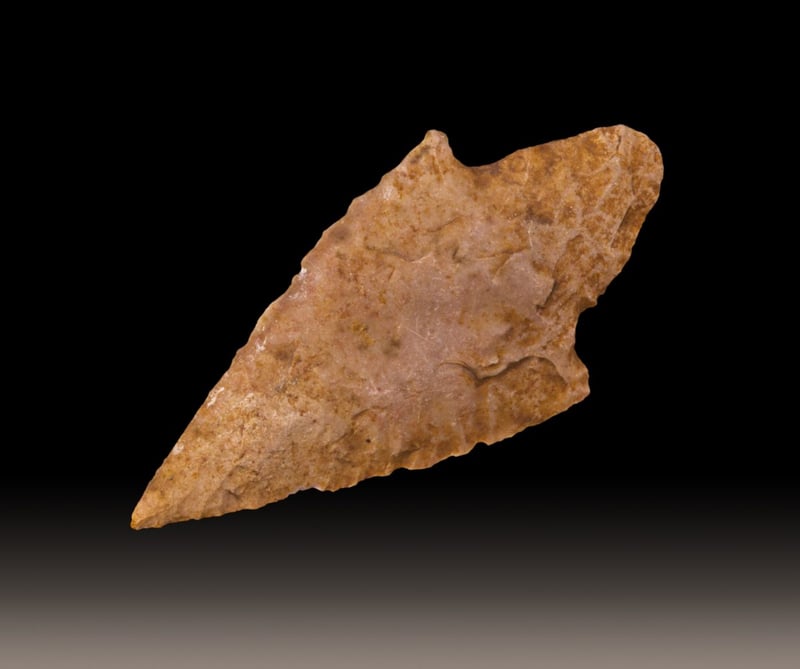
Eleven recurve and longbow guides: form, aiming, spine, tuning, and building tackle.
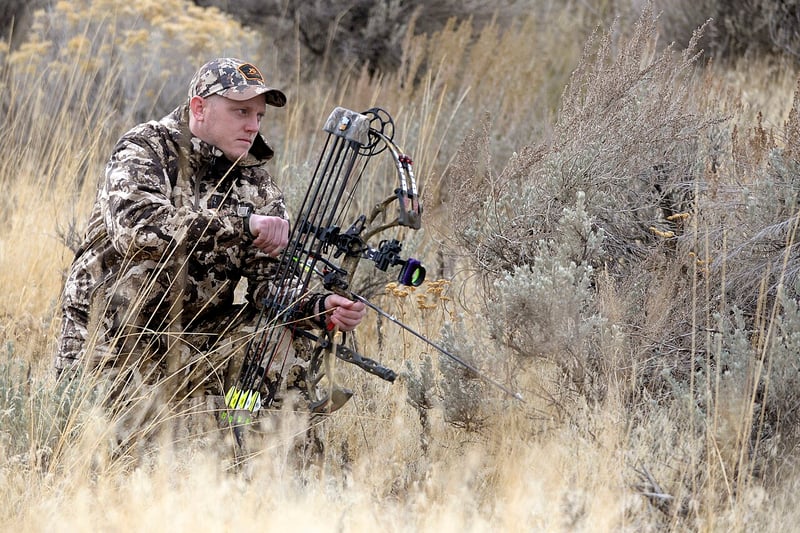
Draw length, sight and rest setup, broadhead tuning, and shot process.
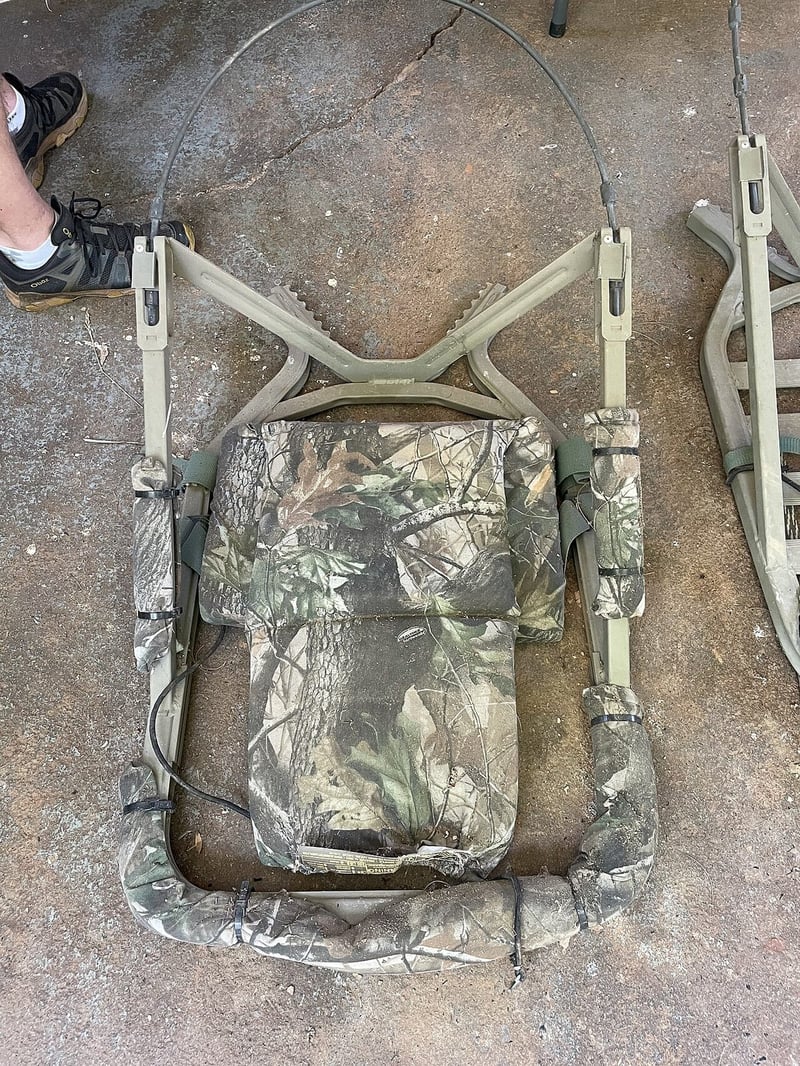
Wind discipline, stand placement, blood trailing, and meat care.
Keep going
Search every game profile by tracks, sign, harvest, and skinning guides.
Read →Gauges, chokes, and shot size for birds and small game.
Read →Deer, elk, bear and more — tags, seasons, and tactics.
Read →Wind, scent, and getting game home in good condition.
Read →What to do with the birds and small game you bring home.
Read →Top 10 lists
Ranked picks with real product photos, specs, and editor notes — the buying side of everything covered in these guides.
Sitka and the rest: kickstands, call storage, all-day carry.
See the ranking →Upland and utility vests with shell and game carry.
See the ranking →Upland guns that swing fast on flushing roosters.
See the ranking →Bolt guns from budget workhorses to mountain rifles.
See the ranking →Over-unders and light autos built to carry all day.
See the ranking →3.5-inch guns that keep cycling through mud and ice.
See the ranking →Also on The Wild10
Fish identification, the knots that hold, lure selection by conditions, and the habits that fill a stringer.
Open the fishing hub →