
Tracks
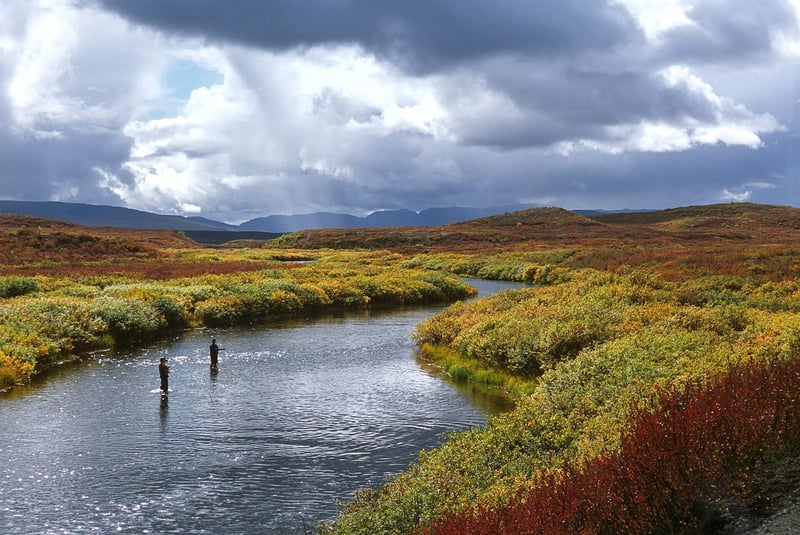
2 in., webbed
Small webbed prints on mud banks in wooded creeks, beaver sloughs, and green-timber holes.
Hunting · Small Game & Birds · Wood Duck
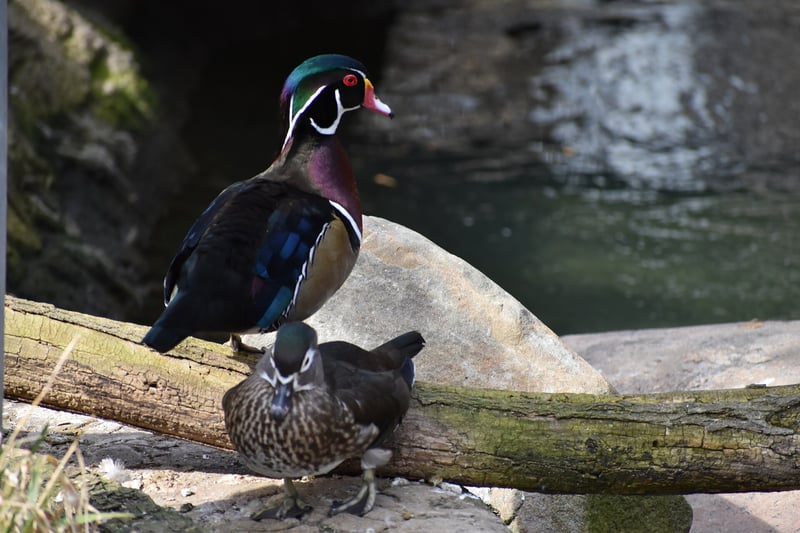
The most strikingly colored duck in North America, dropping through timber holes into flooded woods at first light in a way no other duck does.
Wood ducks are cavity-nesting, timber-loving ducks found across the wooded wetlands, beaver ponds, and flooded bottomland of the eastern U.S. and Pacific Northwest, and the males are widely considered the most strikingly patterned waterfowl species on the continent.
Unlike open-water divers or field-feeding mallards, wood ducks thread through timber and drop into small forest potholes and beaver ponds in tight, technical shots that reward hunters who know how to set up in confined spaces rather than open decoy spreads.
They're an early-migrating species, often providing some of the best shooting of the whole season in September and early October before most other ducks have even started moving south.
01
Wood duck hunting quality tracks flooded timber, beaver pond, and wooded creek bottom habitat — this is a small-water, tight-cover hunt rather than a big-lake pursuit.
| Place | Why it's worth your time | How you get a tag |
|---|---|---|
| Arkansas & Mississippi bottomlands | Classic flooded timber habitat with strong early-season wood duck numbers | Over-the-counter license plus federal duck stamp |
| Southeastern beaver pond country (Alabama, Georgia) | Abundant small-water habitat ideal for wood ducks | Over-the-counter license plus duck stamp |
| Ohio River Valley bottomlands | Excellent early-season timber and creek hunting | Over-the-counter license plus duck stamp |
| Pacific Northwest river bottoms | Strong resident wood duck populations on wooded rivers and sloughs | Over-the-counter license plus duck stamp |
| Minnesota & Wisconsin wooded wetlands | Good early-season opportunity before migration pushes birds south | Over-the-counter license plus duck stamp |
02
Wood duck hunting is a tight-cover pursuit — setting up in small timber holes or beaver ponds where birds drop in fast with little warning.
03
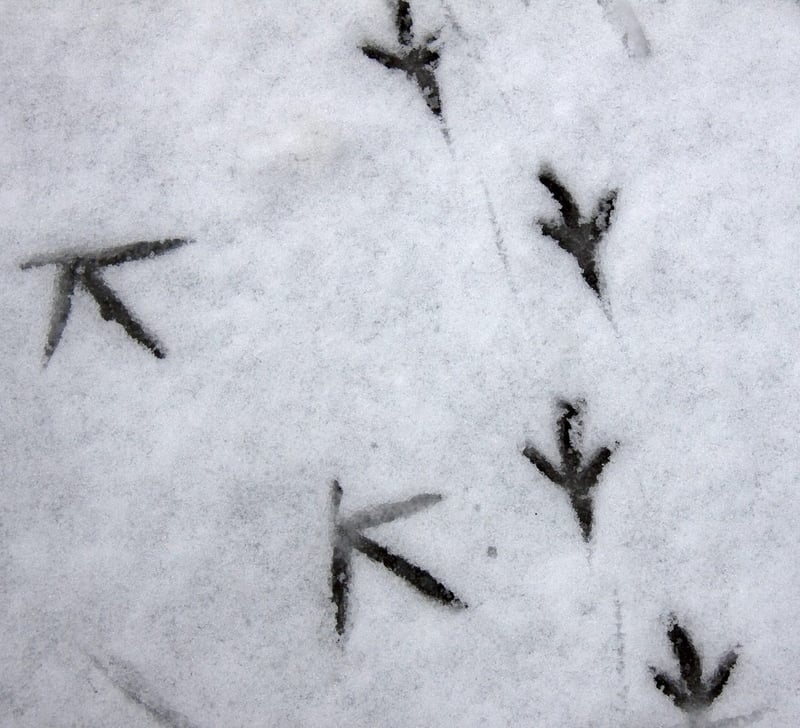
Wood ducks are timber and creek birds and their sign is small, tucked into places you have to wade to reach.
2 in., webbed
Small webbed prints on mud banks in wooded creeks, beaver sloughs, and green-timber holes.
Log loafing
Droppings and small feathers on downed logs and beaver dams in flooded timber — woodies loaf on wood rather than open bars.
Diet tell
Floating acorn caps and churned duckweed in flooded pin-oak flats. Woodies key on acorns harder than any other duck.
Spring
Natural tree cavities and nest boxes over water with down and shell fragments — confirms a local breeding population.
Sound
The rising 'oo-EEK' squeal of a hen at first light in the timber is the classic wood-duck signature, and it tells you the hole is being used.
04
Wood duck hunting requires the same layered waterfowl credentials as any duck species — a state license, federal duck stamp, and HIP certification.
05
A wood duck hunt is quiet and intimate compared to big-water waterfowl hunting — you're tucked against a tree trunk in flooded timber or at the edge of a beaver pond, often alone or with one partner, listening for wingbeats in the dark.
The shooting is fast and close: birds drop through timber holes overhead with a distinctive squealing call, offering only a second or two of shot window through gaps in the canopy.
Retrieving a downed drake wood duck for the first time is memorable — the iridescent green-and-white head pattern and chestnut breast are unlike anything else in North American waterfowl.
06
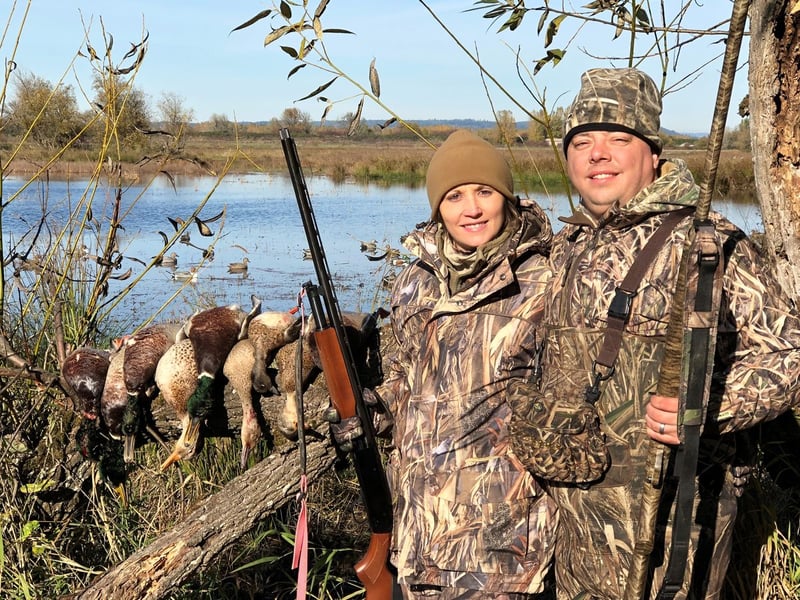
Not a shopping list — the handful of items that change whether you fill the tag and whether the meat gets home in good condition.
Close timber shots
Wood duck shots are typically very close and fast; an open choke with steel 4 or 5 shot handles the shooting distance well.
Scaled to tight water
A small, realistic spread suits the confined beaver ponds and timber holes wood ducks favor — oversized spreads look out of place.
Subtle calling
A distinct high-pitched whistle different from mallard calls; used sparingly to draw birds' attention rather than aggressively hail them.
Flooded timber access
Essential for reaching timber holes and beaver pond edges and retrieving downed birds in standing water.
Warm-weather hunting
Early wood duck season often runs in warm September weather, unlike late-season mallard hunts — lighter layering is appropriate.
07
Woodies come in fast and low in dim timber light. Recovery in flooded brush is the hard part.
08
Acorn-fed wood duck is arguably the best-eating duck in North America. Pluck it whole.
09
Wood duck breast meat is smaller than a mallard's but rich and flavorful, roughly 6-8 ounces per bird.
Best cooked quickly, seared hot and served medium-rare like other duck breast, since it's lean and dries out if overcooked.
A limit of wood ducks (often 2-3 birds depending on flyway rules) makes a solid individual meal when paired with sides.
Seasons, bag limits, and shell restrictions change every year — especially for migratory birds. Confirm with these agencies before you hunt.
Wood duck habitat and nest-box conservation programs plus season information.
Federal duck stamp, HIP certification, and flyway season frameworks.
Waterfowl research and hunter education programs relevant to timber duck hunting.
Find refuges with flooded timber and wetland wood duck habitat.
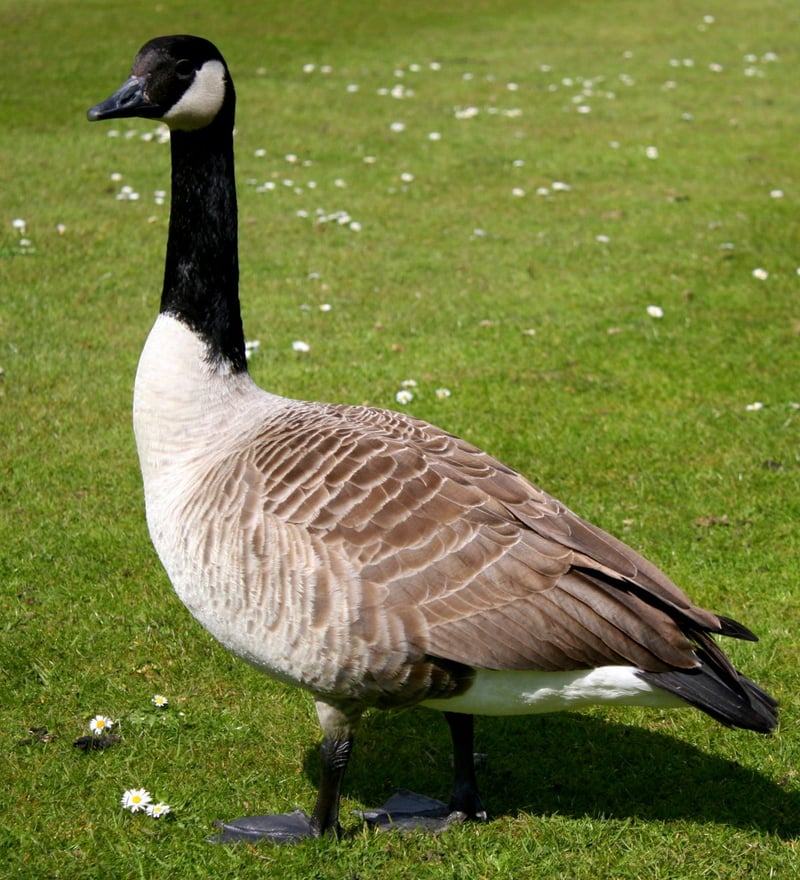
Big skeins of geese finishing into a field decoy spread — one of the most technical and rewarding setups in all of waterfowl hunting.
A large, wary migratory bird hunted over grain stubble with a special permit system and a reputation as the best-tasting bird in waterfowl hunting.
Questions
Where every hunting guide on The Wild10 starts.
Big game, small game, upland birds, and waterfowl — habitat and season.
Deer, elk, moose, bear, hog and sheep — where to hunt, tags, and what to expect.
All 50 states — seasons, tags, laws, public land and tactics.
Calling, shotguns, bows, camo, blinds, scouting, and spring vs fall.
Search every species and filter by tracks, droppings and sign, harvest, or skinning.
Cartridges, zero, field positions, wind, and shot placement.
Gauges, chokes, shot size, and lead for birds and slug country.
Instinctive shooting, draw weight, arrow spine, and close-range craft.
Eleven recurve and longbow guides: form, aiming, spine, tuning, and building tackle.
Draw length, sight and rest setup, broadhead tuning, and shot process.
Wind discipline, stand placement, blood trailing, and meat care.
Keep going
Search every game profile by tracks, sign, harvest, and skinning guides.
Read →Gauges, chokes, and shot size for birds and small game.
Read →Deer, elk, bear and more — tags, seasons, and tactics.
Read →Wind, scent, and getting game home in good condition.
Read →What to do with the birds and small game you bring home.
Read →Top 10 lists
Ranked picks with real product photos, specs, and editor notes — the buying side of everything covered in these guides.
Sitka and the rest: kickstands, call storage, all-day carry.
See the ranking →Upland and utility vests with shell and game carry.
See the ranking →Upland guns that swing fast on flushing roosters.
See the ranking →Bolt guns from budget workhorses to mountain rifles.
See the ranking →Over-unders and light autos built to carry all day.
See the ranking →3.5-inch guns that keep cycling through mud and ice.
See the ranking →Also on The Wild10
Fish identification, the knots that hold, lure selection by conditions, and the habits that fill a stringer.
Open the fishing hub →