


Winter Camping · #1
Boundary Waters (winter)
Minnesota, USA
Reader rating
Rate it and you move it. Community ratings re-rank this product inside its Top 10 list.
Expert-picked, reader-ranked. Our editors choose the products and the launch order; member star ratings move picks up or down over time.
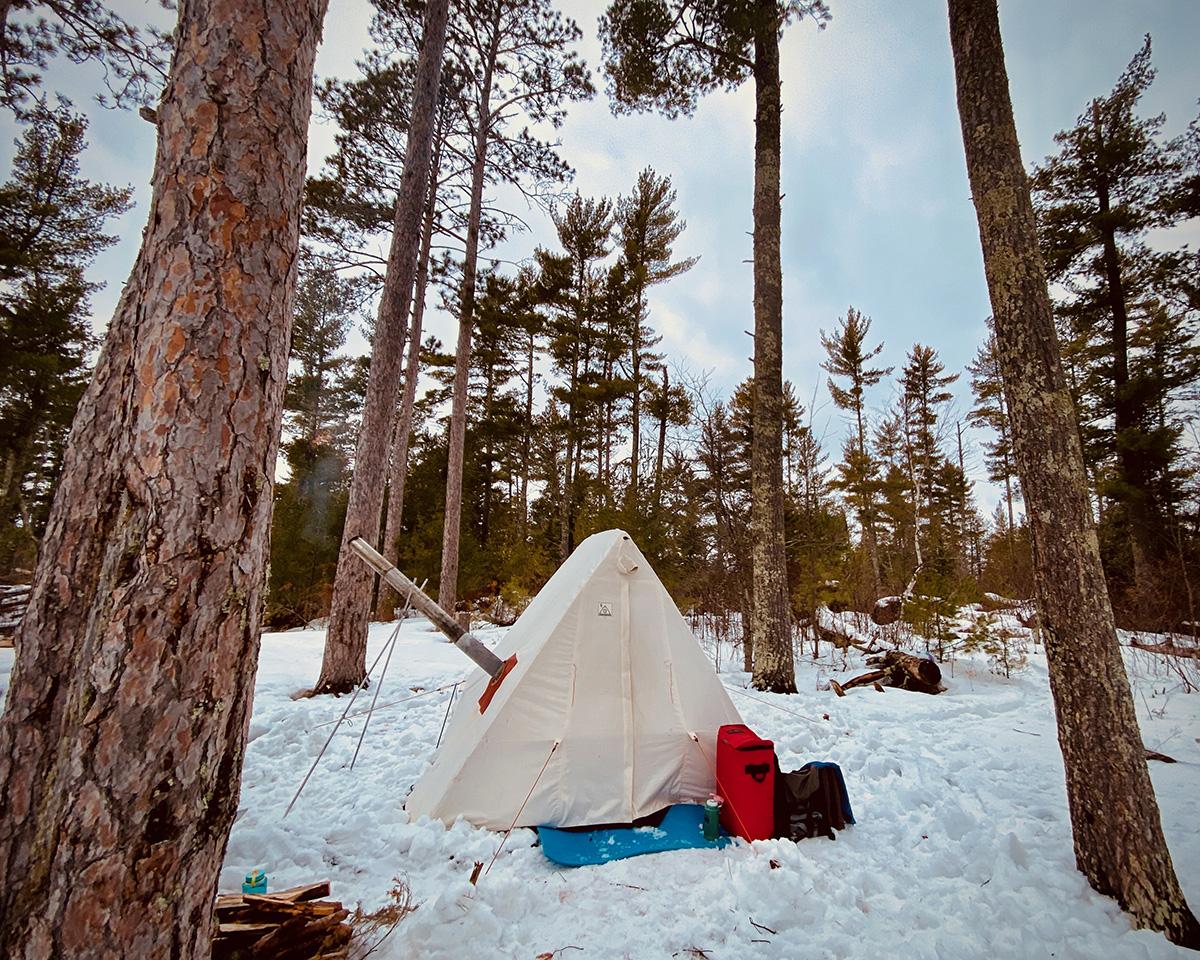
The BWCA in February is a different park — hot-tent, ski-in, and pull-sled travel across the lakes.
Pros
- Profound solitude and quiet wilderness experience
- Stunning frozen landscapes and starry nights
- Accessible by ski/snowshoe over frozen lakes
- Increased chance of observing elusive winter wildlife
- Self-issued, free permits with no quotas
Cons
- Extreme cold and harsh weather conditions
- Significant physical exertion required for travel
- Potential for dangerous thin ice conditions
- No cell service and very limited emergency support
- Gear intensive with specific winter camping equipment needs
Best uses
- Hot tent winter camping
- Cross-country ski touring
- Snowshoe backpacking
- Ice fishing adventures
- Wilderness photography
Specifications
- Location
- Northeastern Minnesota, USA
- Primary Access
- Ely, Grand Marais, Crane Lake, Isabella
- Dominant Terrain
- Frozen lakes, boreal forest, portage trails
- Winter Average Temp
- -15°F to 10°F (-26°C to -12°C)
- Key Activities
- Hot tent camping, cross-country skiing, snowshoeing, ice fishing
- Permits Required
- Yes, self-issued at entry points
Best for
Hot tent winter camping, Cross-country ski touring, Snowshoe backpacking, Ice fishing adventures, Wilderness photography
Winter transforms the Boundary Waters Canoe Area Wilderness into an entirely different realm, far removed from its bustling summer persona. When the lakes freeze solid and a thick blanket of snow covers the landscape, motorboats are replaced by skis and snowshoes, and canoes give way to pulk sleds. This is a place of profound silence, broken only by the creak of ice, the whisper of wind through pines, or the occasional howl of a wolf. The challenges are real – extreme cold, deep snow, and the need for meticulous planning – but the rewards are equally profound: unparalleled solitude, stunning snow-covered vistas, and the chance to witness the wilderness in its most raw, untouched state. It's a destination for those seeking true winter immersion, where self-reliance and preparedness are not just virtues but necessities. Navigating the BWCA in winter demands a different skillset. Frozen lakes become thoroughfares, offering routes often inaccessible during the open water season. Ice conditions are paramount, and local knowledge or recent reports are crucial. While the summer sees a steady stream of paddlers, winter visitors are sparse, often numbering only a handful across vast stretches of wilderness. This low-impact, self-propelled travel means you'll share the landscape primarily with its resident wildlife – moose, deer, and an array of winter birds. The experience is less about covering vast distances and more about sinking into the rhythm of the frozen north, setting up a comfortable hot tent, and savoring the quiet beauty of a world hushed by snow and ice.
Geography & Terrain
The Boundary Waters in winter presents a landscape transformed. The 1,000+ lakes and countless streams that define its geography are encased in ice, often under several feet of snow. The distinctive rocky outcroppings and dense boreal forest, primarily spruce, fir, and pine, provide stark contrast to the white expanse. Portages, often challenging in summer, can be easier to navigate on skis or snowshoes over packed snow, though breaking trail through deep powder is a workout. The elevation changes are generally gentle, making for approachable, albeit physically demanding, travel. This frozen network of waterways forms the backbone of winter travel, allowing passage across lakes that are otherwise only paddled.
Best Season & Weather
The prime window for winter camping in the BWCA typically runs from mid-January through late February. By this time, lake ice is generally thick enough for safe travel, and snow accumulation provides excellent conditions for skiing and snowshoeing. Early December can be variable with uncertain ice, and late March often brings thawing conditions and slush. Expect sustained sub-zero Fahrenheit temperatures, with occasional dips to -30°F or colder. Clear, calm days offer stunning beauty but demand vigilant cold weather preparedness. White-out conditions from blowing snow are possible, making navigation challenging and requiring keen awareness.
Wildlife Encounters
Winter is a quieter time for wildlife, but tracks and sightings are common for the patient observer. Moose are frequently seen browsing in wetlands, and deer often yard up in sheltered areas. The elusive timber wolf is present, and their howls are a memorable sound of the deep wilderness. Less often, bobcats, lynx, and pine martens can be spotted. Birdlife includes hardy species like common ravens, boreal chickadees, and various owls. Always maintain a respectful distance from all wildlife and avoid disturbing their critical winter energy reserves.
Permits & Access
Day use and overnight camping permits are required year-round for the BWCA. In winter, these permits are free and self-issued at any entry point. No quotas or advance reservations are needed for winter trips, making access significantly easier than in summer. Designated entry points offer parking, though roads to some points may not be plowed regularly, necessitating a check with local ranger stations or outfitters. Access is typically by foot, ski, or snowshoe, with pulk sleds used to haul gear. Ensure your vehicle is prepared for cold starts and heavy snow.
Hazards & Trade-offs
The primary hazards in the winter BWCA are extreme cold, thin ice, and isolation. Hypothermia and frostbite are constant threats requiring proper clothing, shelter, and caloric intake. Ice conditions, especially on moving water or near rapids, require careful assessment and never-ending vigilance; falling through ice is a life-threatening emergency. Navigation can be challenging in white-out conditions or deep snow, especially without clear landmarks. While solitude is a major draw, it also means self-rescue is often the only option. Expect very few other people and no cell service. The physical demands of hauling gear and breaking trail in deep snow should not be underestimated.
Full destination profile
Continue into the complete destination guide for access, permits, seasonal planning, maps, field notes, and more local trip ideas.
Open the full destination profileHow we chose
We built this ranking from trip reports, agency data, permit records, and our editors' own time on the ground. 10 places made the final cut out of a much longer working list, and each one had to clear the same set of criteria before it earned a spot.
- Quality of the terrain
- Landscape, route variety, and whether the place rewards multiple days rather than one overlook.
- Season and weather windows
- How long the reliable window is, and how badly the shoulder seasons punish a bad forecast.
- Access and permits
- Trailhead logistics, permit odds, quotas, and how much lead time a trip realistically takes.
- Solitude vs. crowding
- How far you have to walk before the place feels like wilderness instead of a queue.
- Wildlife and ecology
- What you can reasonably expect to see, and what you have to plan around.
- Risk and skill required
- Navigation, water crossings, exposure, and rescue distance — stated plainly.
Boundary Waters (winter) — frequently asked questions
- Is Boundary Waters (winter) worth the trip?
- We rank it #1 in Winter Camping. The BWCA in February is a different park — hot-tent, ski-in, and pull-sled travel across the lakes.
- Who is Boundary Waters (winter) best for?
- Best for hot tent winter camping, cross-country ski touring, snowshoe backpacking and ice fishing adventures. Standouts: profound solitude and quiet wilderness experience and stunning frozen landscapes and starry nights.
- What are the drawbacks of Boundary Waters (winter)?
- Extreme cold and harsh weather conditions, Significant physical exertion required for travel and Potential for dangerous thin ice conditions.
- What are the key details for Boundary Waters (winter)?
- Location: Northeastern Minnesota, USA · Primary Access: Ely, Grand Marais, Crane Lake, Isabella · Dominant Terrain: Frozen lakes, boreal forest, portage trails · Winter Average Temp: -15°F to 10°F (-26°C to -12°C) · Key Activities: Hot tent camping, cross-country skiing, snowshoeing, ice fishing
- Geography & Terrain — what should I know about the Boundary Waters (winter)?
- The Boundary Waters in winter presents a landscape transformed. The 1,000+ lakes and countless streams that define its geography are encased in ice, often under several feet of snow.
- Best Season & Weather — what should I know about the Boundary Waters (winter)?
- The prime window for winter camping in the BWCA typically runs from mid-January through late February. By this time, lake ice is generally thick enough for safe travel, and snow accumulation provides excellent conditions for skiing and snowshoeing.
Where on earth
Satellite imagery flying in from a world view to Boundary Waters (winter), Minnesota, United States. Use the + / − buttons, or click the map to zoom with your scroll wheel; drag to pan and pinch to zoom on touch.
Boundary Waters Canoe Area Wilderness, Minnesota, USA · 48.001, -91.336
Compare side by side
Put the Boundary Waters (winter) against any other pick on this list — specs, price, pros, cons and reader ratings.