Skip to content
Wild10
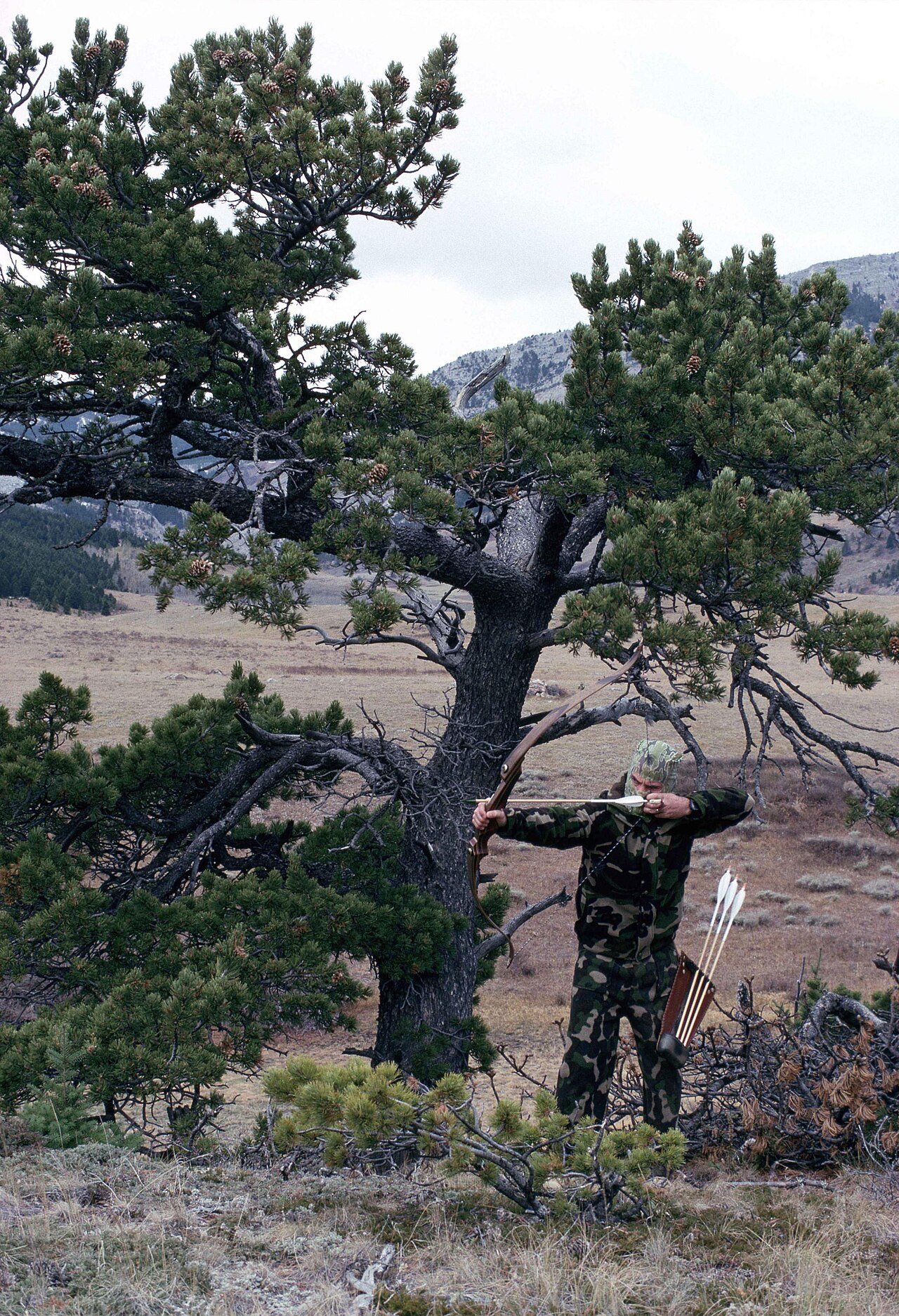
Camouflaged hunter at full draw with a traditional recurve bow in high country pine

Archery gear · Bows

Choosing a bow you can shoot when it matters

The right bow is the one you shoot accurately at 25°F after sitting still for three hours — not the fastest one in the catalog.

Every bow choice is a trade between speed, forgiveness, noise and the time you are willing to invest. A compound gives you let-off, sights and range; a recurve gives you simplicity and packability; a longbow gives you the quietest shot in archery and the steepest learning curve.

What matters more than the type is the fit: draw length measured honestly, a weight you can draw seated in a coat, and a bow short enough for your cover but long enough not to stack at your draw.

Deer minimum
40 lb (most states)
Starter weight
30–35 lb
Recurve hunting length
58–62"
Longbow hunting length
62–66"

01

Bow types compared for hunting

TypeEffective rangeNoiseLearning curveBest for
Compound40–60 ydModerateWeeksMost hunters, western spot-and-stalk
Recurve15–30 ydLow when tunedOne seasonMobile hunting, travel, simplicity
Longbow15–25 ydLowest1–2 seasonsTraditionalists, still-hunting timber

02

What actually matters when you buy

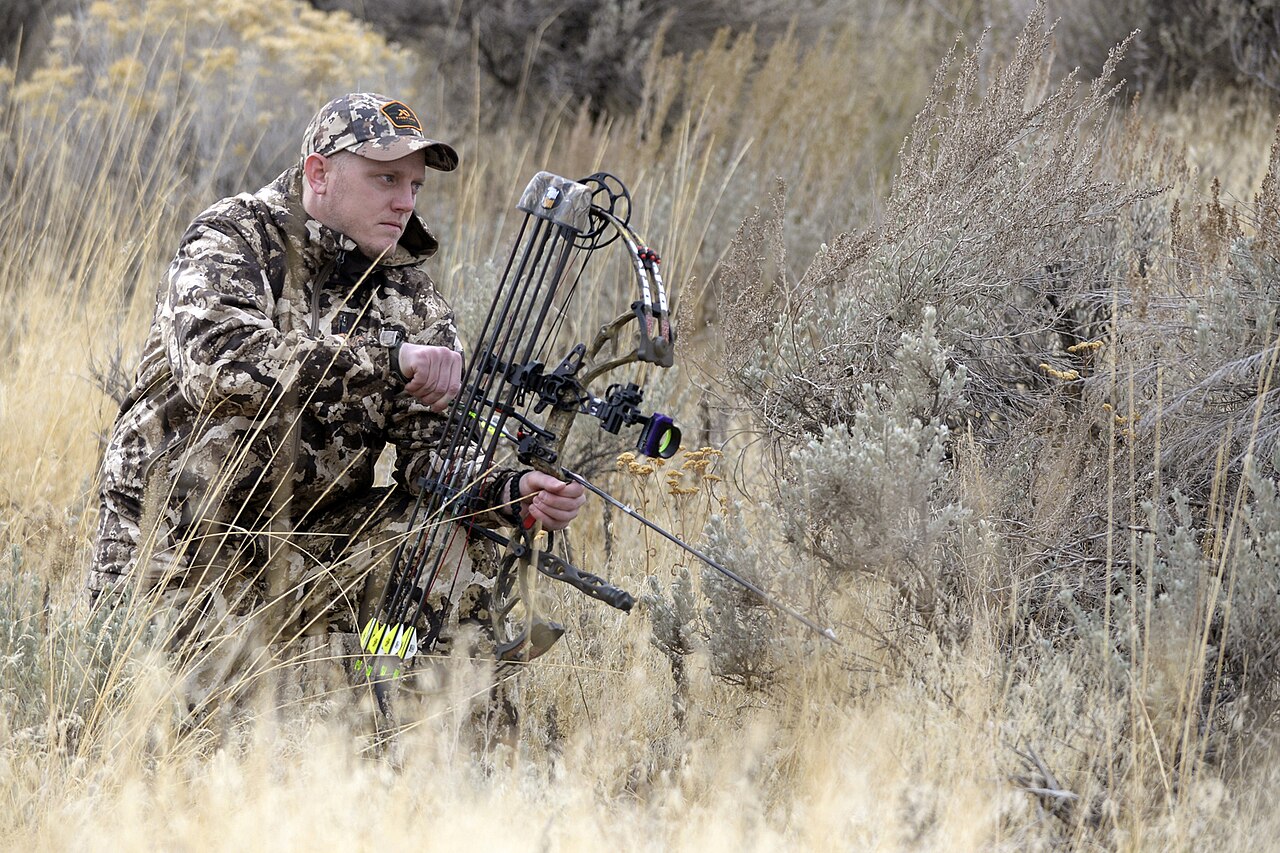
Bowhunter kneeling in sagebrush with a camouflaged compound bow
U.S. Air Force photo by Todd Cromar / Public domain · Wikimedia Commons

Draw weight you can shoot cold

The November test

Draw the bow seated, in a coat, after sitting still for two hours. If you have to sky-draw or heave, it is too heavy — and that heaving motion is what busts you at eighteen yards. Buy for the cold morning, not the July range.
Takedown vs one-piece

Travel and tuning

A takedown recurve packs in a duffel, flies as checked baggage, and lets you swap limbs to change weight as you get stronger. One-piece bows shoot marginally sweeter but punish you the day you want to travel or upgrade poundage.

Bow length and stacking

Match to draw length

Short bows stack — poundage spikes — past their design draw length. A 30-inch draw belongs on a 62-inch or longer bow. Longer bows also shoot smoother and quieter at the cost of maneuverability in a treestand.

03

Go deeper

Our recurve and compound hunting guides walk through setup, tuning and realistic effective range for each platform. If you are starting traditional, the build-a-bow guide covers risers, limbs and strings component by component.

Questions

Frequently asked

Should a beginner start with a recurve or a compound?
A compound if your goal is hunting as soon as possible — sights and let-off compress the learning curve into weeks. A light recurve if you value simplicity, travel, or the traditional path; budget a full season of regular practice before hunting it.
What draw weight do I need for deer?
Forty pounds meets the legal minimum in most states and kills cleanly with a heavy arrow and a sharp two-blade head inside twenty yards. Forty-five to fifty pounds is the comfortable all-around window for deer-sized game.
Is a longbow or recurve better for hunting?
A recurve stores more energy, shoots flatter and takes down for travel — the practical choice. A longbow is quieter and more forgiving of a rough release, and many hunters simply prefer the feel. Both kill identically inside their effective range.

Also on The Wild10

Fishing Guides

Fish identification, the knots that hold, lure selection by conditions, and the habits that fill a stringer.

Open the fishing hub →
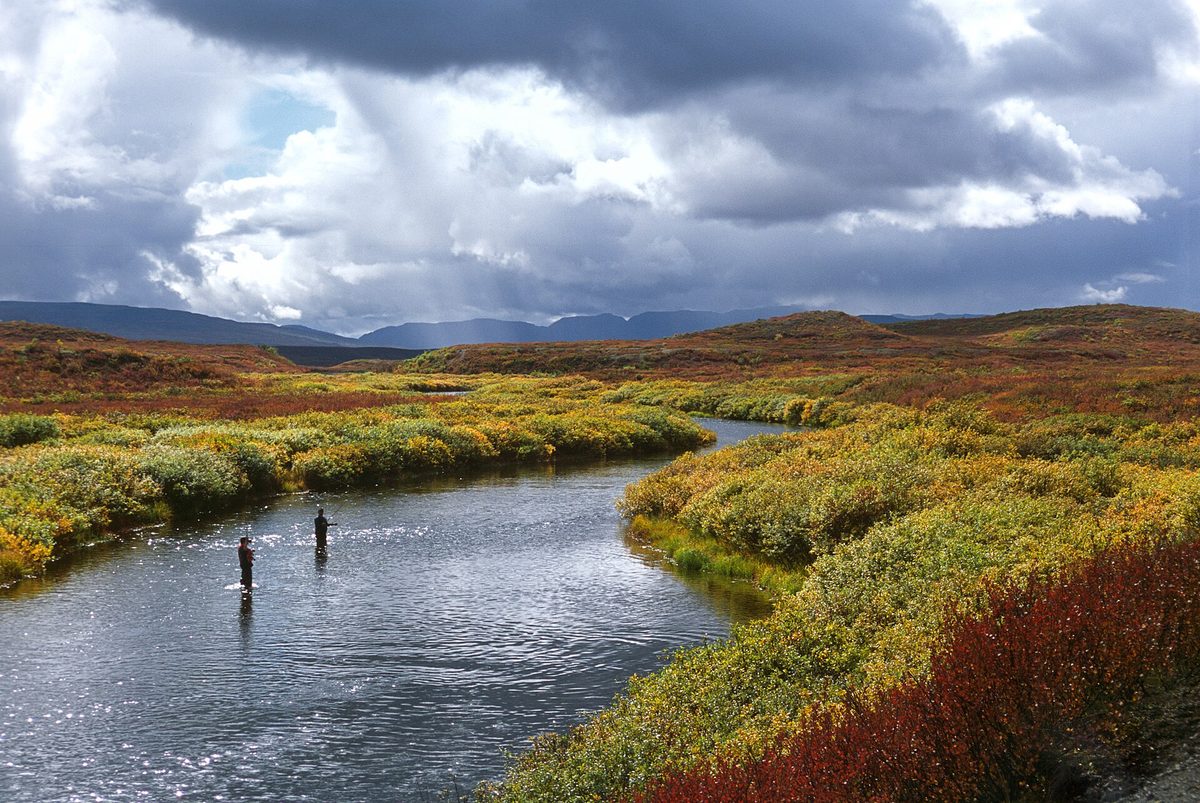
Fly angler casting on a clear northern river