Quarter-point placement
The default
Install one silencer a quarter of the string length from each loop. This damps the fundamental vibration where it is strongest and is where every starting setup belongs.
Archery gear · Silencers
A loud bow costs you shots at close range. Silencers fix it for a few dollars and five feet per second.
String noise arrives at a deer or turkey before the arrow does. At traditional bowhunting ranges — inside twenty yards — a slapping string turns a broadside shot into a string-jumped miss. Silencers do not make a bow silent, but they cut the sharp crack that makes animals move.
The trade is small and measurable: a few feet per second of arrow speed in exchange for a bow that sounds like a branch breaking instead of a rifle shot. Choose the material by your weather and your patience for installation, not by marketing.
01
All three work. The differences are noise cut, speed cost, and what happens after a cold rain.
| Material | Noise reduction | Speed cost | Wet-weather | Best for |
|---|---|---|---|---|
| Wool yarn | Very good | Low (3–5 fps) | Fair — dries slowly | All-around hunting, DIY |
| Beaver / muskrat fur | Best | Low–moderate | Poor when soaked | Dry climates, maximum quiet |
| Rubber (cat whisker / button) | Good | Lowest | Excellent | Wet climates, zero maintenance |
02
The default
Install one silencer a quarter of the string length from each loop. This damps the fundamental vibration where it is strongest and is where every starting setup belongs.
Move in ½-inch steps
Slide each silencer a half inch at a time and shoot. The quietest spot on your bow is rarely the theoretical one — brace height and string material move it. If you own a chronograph, confirm you have not paid more than 8 fps for the quiet.
String is only half the noise
Limb savers, a piece of moleskin on the shelf, and fleece on any quiver hood contact point all cost nothing and remove the clicks a deer actually hears. A silent string on a rattling bow fools nobody.
03
Both wool and fur silencers install with nothing but a bow stringer and your fingers — separate the string strands, tie or weave the material in, and fluff it out. We published full walkthroughs with video for each: see the wool and fur installation guides linked below.
Questions
Where every hunting guide on The Wild10 starts.
Big game, small game, upland birds, and waterfowl — habitat and season.
Deer, elk, moose, bear, hog and sheep — where to hunt, tags, and what to expect.
Turkey, pheasant, grouse, quail, ducks, geese, rabbits, squirrels and predators.
All 50 states — seasons, tags, laws, public land and tactics.
Calling, shotguns, bows, camo, blinds, scouting, and spring vs fall.
Search every species and filter by tracks, droppings and sign, harvest, or skinning.
Cartridges, zero, field positions, wind, and shot placement.
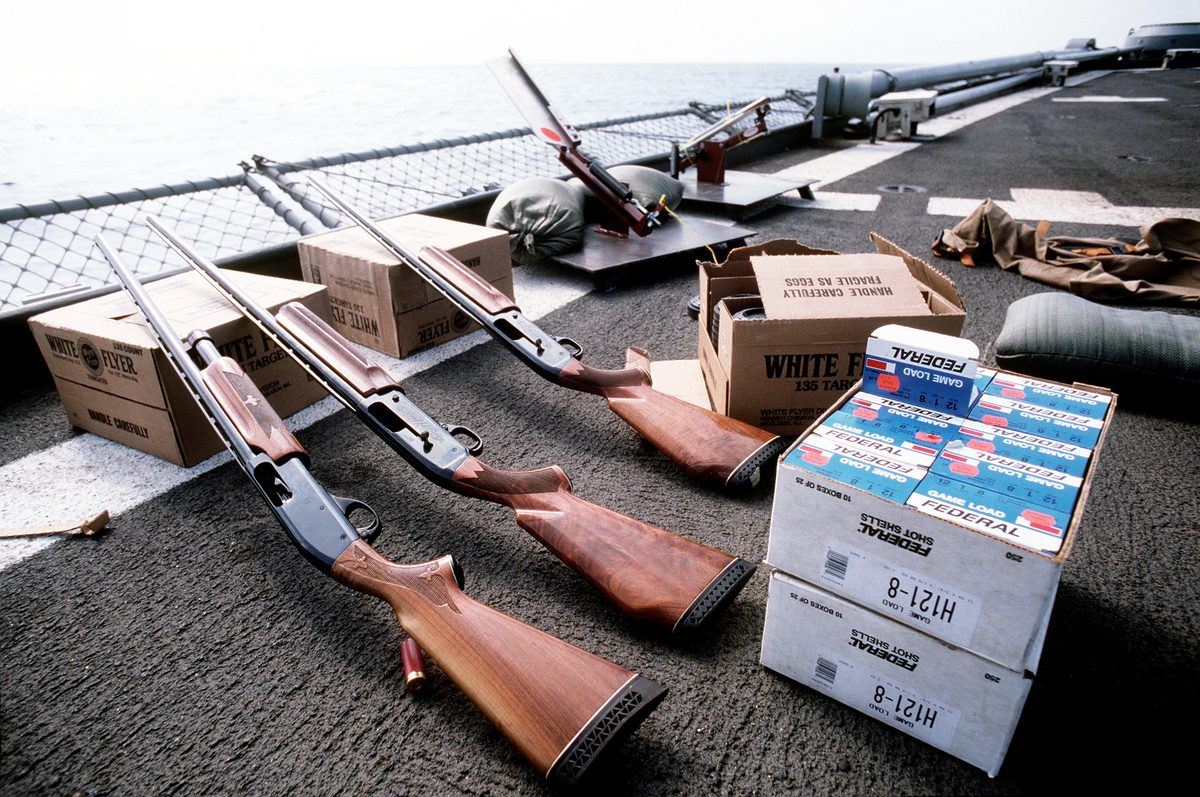
Gauges, chokes, shot size, and lead for birds and slug country.
Instinctive shooting, draw weight, arrow spine, and close-range craft.
Eleven recurve and longbow guides: form, aiming, spine, tuning, and building tackle.
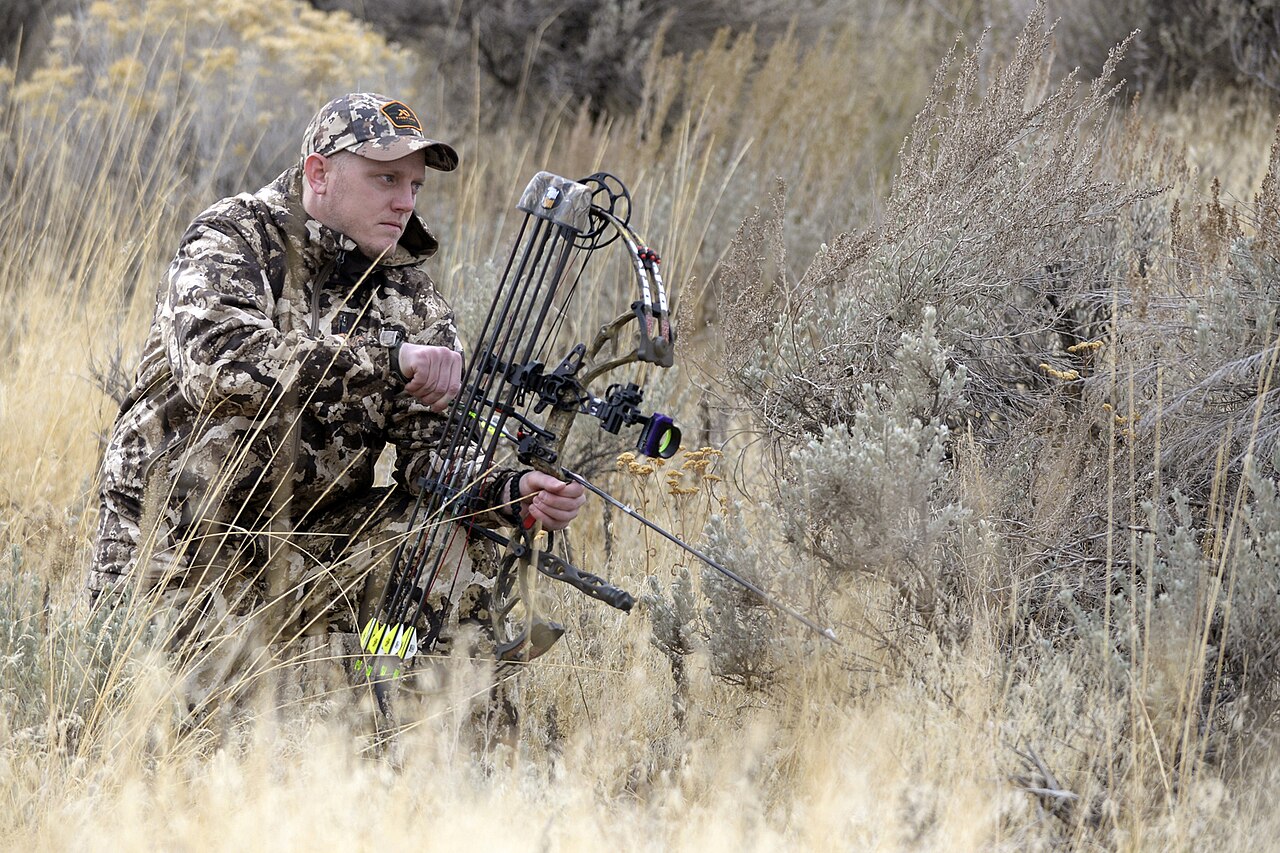
Draw length, sight and rest setup, broadhead tuning, and shot process.
Wind discipline, stand placement, blood trailing, and meat care.
Keep going
Step-by-step with video — the cheapest quiet upgrade there is.
Read →Beaver and muskrat installation, with video from Clay Hayes.
Read →Brace height and nock point — the other half of a quiet bow.
Read →Recurve, longbow or compound for your hunting — how length, draw weight and takedown design actually affect your season.
Read →Carbon, aluminum or wood — shaft weight, FOC, fletching and broadheads that actually penetrate at traditional speeds.
Read →Top 10 lists
Ranked picks with real product photos, specs, and editor notes — the buying side of everything covered in these guides.
Bolt guns from budget workhorses to mountain rifles.
See the ranking →Over-unders and light autos built to carry all day.
See the ranking →3.5-inch guns that keep cycling through mud and ice.
See the ranking →Rifled slug guns for shotgun-only whitetail country.
See the ranking →Forgiving, quiet compounds that tune without a fight.
See the ranking →Hunting recurves that shoot quiet and hold up outside.
See the ranking →Also on The Wild10
Fish identification, the knots that hold, lure selection by conditions, and the habits that fill a stringer.
Open the fishing hub →