Archery gear · Arrows
The arrow is the weapon — the bow just launches it
At traditional speeds, penetration comes from mass, balance and sharpness, not velocity. Build the arrow accordingly.
A recurve or longbow produces a fraction of a compound's energy, so the arrow has to do the work. Nine to eleven grains of arrow per pound of draw weight, eighteen to twenty-five percent front-of-center, and a shaving-sharp cut-on-contact head is the formula that produces pass-throughs from moderate poundage.
Every component is a lever: point weight moves both tune and FOC, fletching steers the broadhead, and shaft material decides how much of your tuning effort survives the season.
- Hunting weight
- 9–11 gr/lb
- FOC target
- 18–25%
- Fletching
- 4–5" feathers
- Heads
- 2-blade, cut-on-contact
01
Shaft materials for hunting
| Material | Spine consistency | Durability | Weight options | Best for |
|---|---|---|---|---|
| Carbon | Excellent | Very high | Wide, incl. heavy inserts | Most hunters |
| Aluminum | Very good when new | Bends permanently | Moderate | Budget practice |
| Cedar / fir | Hand-matched only | Breaks, warps | Light–moderate | Traditionalists, selfbows |
| Carbon-wood hybrid | Excellent | High | Heavy, high FOC | Maximum penetration builds |
02
Build a hunting arrow in order
Sequence matters — each choice constrains the next. Do not buy components out of order.
- 1Calculate the spine your bow needs (draw weight, arrow length, point weight) with the spine calculator or chart.
- 2Choose shaft material and spine; leave one inch of clearance past the shelf at full draw.
- 3Pick point weight — 175–250 grains for high-FOC hunting builds — and match field points to broadheads exactly.
- 4Add brass inserts if you need more front weight to hit 18–25% FOC.
- 5Fletch with 4–5 inch feathers on a helical or strong offset, cock feather out.
- 6Bare-shaft tune at 15 yards before you fletch the full dozen.
03
Broadheads: sharp beats everything
At 150–180 feet per second, a mechanical head spends energy you do not have opening its blades. A fixed two-blade cut-on-contact head, sharpened until it shaves hair and re-stropped after every stalk, is what turns a marginal hit into a recovered animal. Weight forward and a single bevel add rotation and bone-splitting, but none of it matters if the edge is dull.
Questions
Frequently asked
- How heavy should my hunting arrows be?
- Nine to eleven grains per pound of your actual draw weight — roughly 450–550 grains from a 50 lb bow. Heavy arrows absorb more of the bow's energy, shoot quieter, and penetrate deeper; that trade is the entire strategy of a traditional setup.
- What FOC should a hunting arrow have?
- Eighteen to twenty-five percent for hunting. That range steers a fixed broadhead reliably and drives penetration at traditional speeds. Use the FOC calculator with your finished arrow rather than estimating.
- Feathers or vanes for a recurve?
- Feathers, always, on a bow shot off the shelf. Vanes are stiff and bounce the arrow off line as they pass the rest; natural feathers crush and rebound. Run 4–5 inch feathers with a helical or strong offset to steer a broadhead.
Every hunting guide
Hunting Hub
Where every hunting guide on The Wild10 starts.
Types of Game
Big game, small game, upland birds, and waterfowl — habitat and season.
Big Game
Deer, elk, moose, bear, hog and sheep — where to hunt, tags, and what to expect.
Small Game & Birds
Turkey, pheasant, grouse, quail, ducks, geese, rabbits, squirrels and predators.
Deer Hunting by State
All 50 states — seasons, tags, laws, public land and tactics.
Turkey Hunting
Calling, shotguns, bows, camo, blinds, scouting, and spring vs fall.
Species Finder
Search every species and filter by tracks, droppings and sign, harvest, or skinning.
Rifle Hunting
Cartridges, zero, field positions, wind, and shot placement.
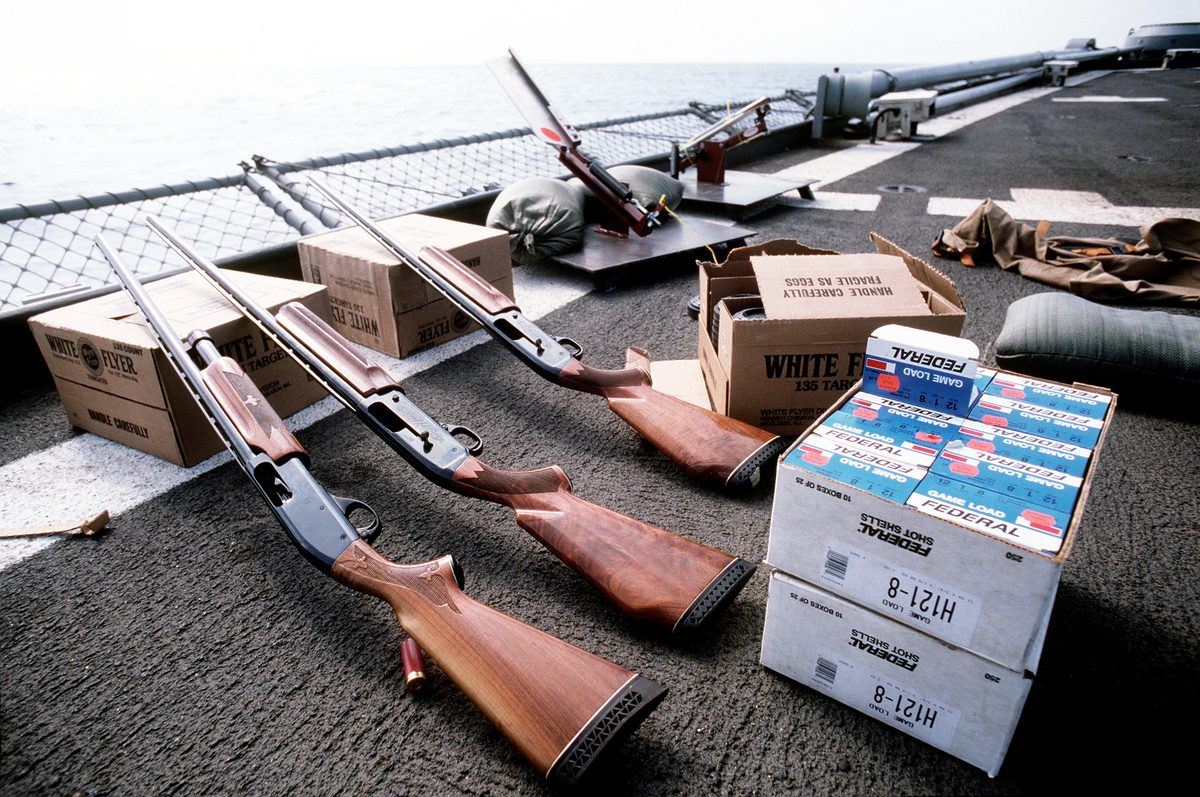
Shotgun Hunting
Gauges, chokes, shot size, and lead for birds and slug country.
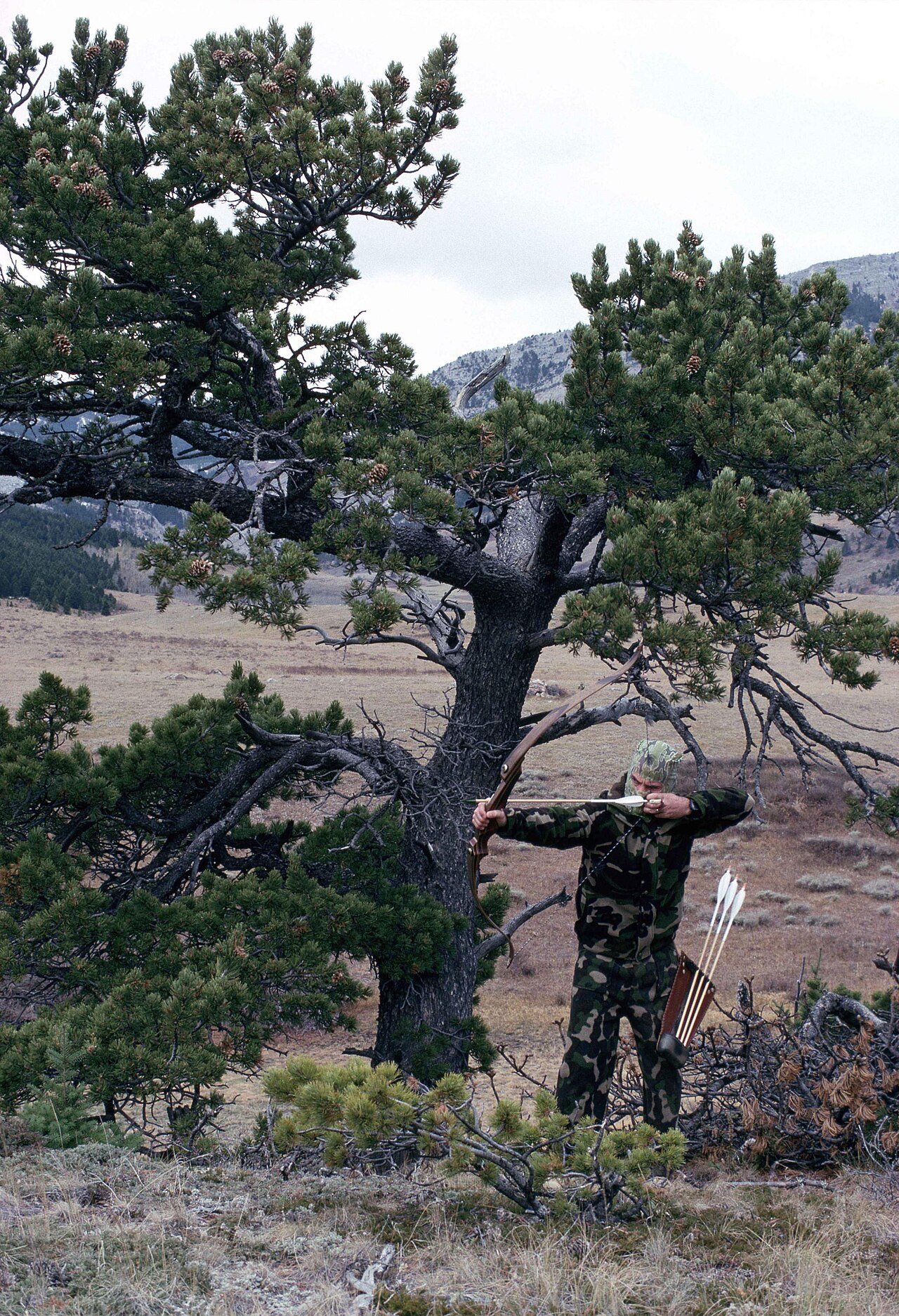
Recurve & Traditional Bow
Instinctive shooting, draw weight, arrow spine, and close-range craft.
Traditional Archery Hub
Eleven recurve and longbow guides: form, aiming, spine, tuning, and building tackle.
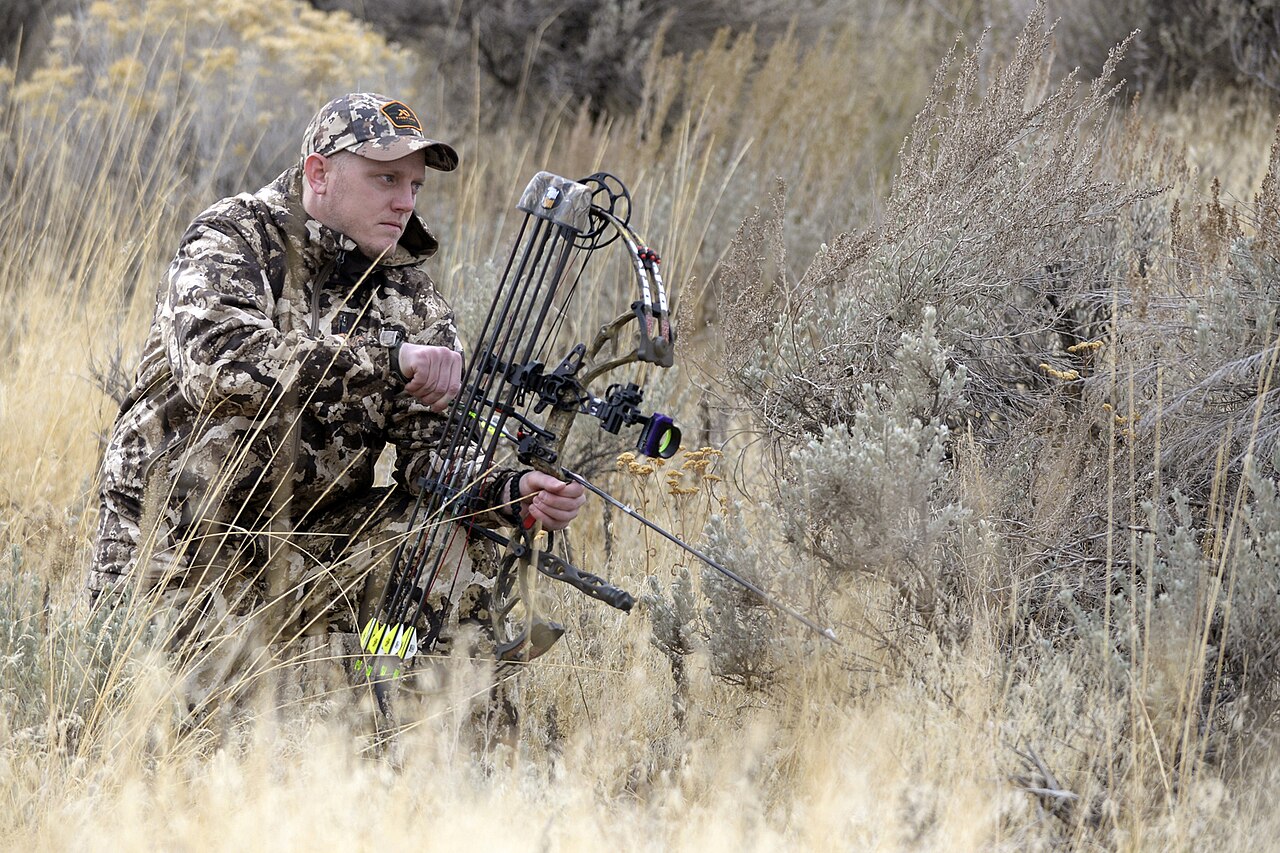
Compound Bow Hunting
Draw length, sight and rest setup, broadhead tuning, and shot process.
Hunting Tips
Wind discipline, stand placement, blood trailing, and meat care.
Keep going
Related reading
Arrow anatomy & FOC
Every component and what it changes, in reference form.
Read →FOC calculator
Check front-of-center on your finished arrow.
Read →Building arrows
Cutting, fletching and finishing a matched dozen.
Read →String Silencers
Wool, fur and rubber — what each material does to shot noise, arrow speed and wet-weather reliability, and how to install them.
Read →Bows
Recurve, longbow or compound for your hunting — how length, draw weight and takedown design actually affect your season.
Read →Top 10 lists
Best in category: hunting gear
Ranked picks with real product photos, specs, and editor notes — the buying side of everything covered in these guides.
Best Hunting Rifles
Bolt guns from budget workhorses to mountain rifles.
See the ranking →Best Upland Shotguns
Over-unders and light autos built to carry all day.
See the ranking →Best Waterfowl Shotguns
3.5-inch guns that keep cycling through mud and ice.
See the ranking →Best Deer Hunting Shotguns
Rifled slug guns for shotgun-only whitetail country.
See the ranking →Best Compound Bows
Forgiving, quiet compounds that tune without a fight.
See the ranking →Best Recurve Bows
Hunting recurves that shoot quiet and hold up outside.
See the ranking →Also on The Wild10
Fishing Guides
Fish identification, the knots that hold, lure selection by conditions, and the habits that fill a stringer.
Open the fishing hub →