Skip to content
Wild10
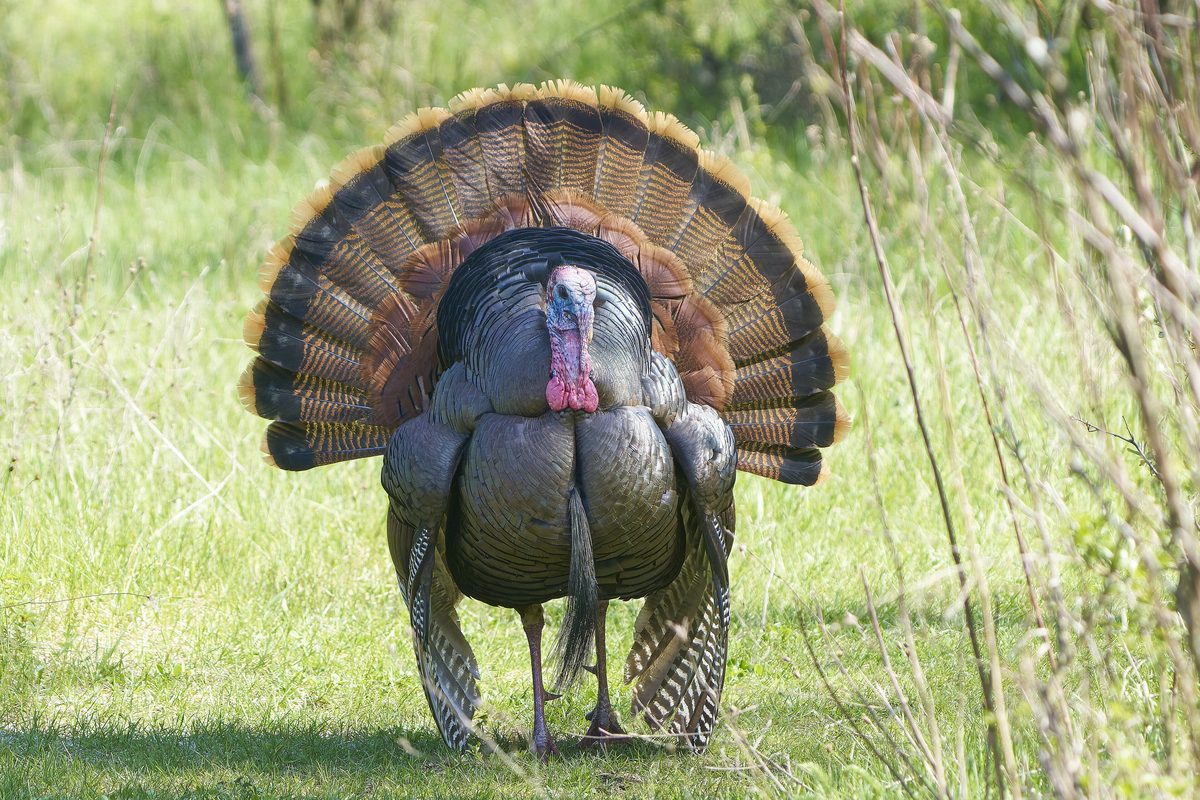
Wild turkey gobbler strutting in full fan

Archery gear · Calls

Calls that work when both hands hold a bow

A bowhunter's call has one extra job: it cannot occupy your hands at the moment of truth.

Calling and bowhunting collide at the worst moment — the animal closes to thirty yards while you are holding a bow with an arrow on the string. Every call choice a bowhunter makes is filtered through that constraint: hands-free when it counts, two-handed only for long-range setup work.

For turkey, that means a diaphragm in your mouth for the last hundred yards and pot or box calls for locating and long-range seduction. For elk, a diaphragm is non-negotiable. Deer grunts are the exception — a tube call takes half a second and the animal is usually already committed.

Turkey close range
Diaphragm only
Setup calling
Pot / box
Elk
Diaphragm, always
Learning curve
2–4 weeks daily

01

Turkey call types for the bowhunter

CallHands-freeVolume / rangeRealismRole in a bow hunt
Diaphragm (mouth)YesLow–moderateHigh with practiceThe last 100 yards — non-negotiable
Pot / slateNoModerateHighest for yelpsSetup and soft tree talk at the roost
BoxNoHighestGoodLocating and windy-day reach
Push-buttonNo (one hand)LowAdequateBeginners, minimal movement

02

The bowhunter's calling sequence

Wild turkey gobbler strutting in full fan
Unknown photographer / Wikimedia Commons · Wikimedia Commons

Locate loud, close quiet

Box, then diaphragm

Use the box or a loud pot to strike a gobbler at distance. Once he commits and starts closing, the loud calls go away — every sound inside a hundred yards comes from the diaphragm so your hands never leave the bow.
Learn three sounds, not thirty

Yelp, cluck, purr

A plain three-note yelp, a cluck, and a purr kill more turkeys than a contest repertoire. Master those three on a diaphragm before you buy a second call. Softness and rhythm matter more than vocabulary.

Practice with the bow in hand

The part everyone skips

Run your calling sequences at full draw on a target. If you cannot hold anchor and purr at the same time, you will learn that on a gobbler at eighteen yards — once.

Elk and deer notes

Same constraint

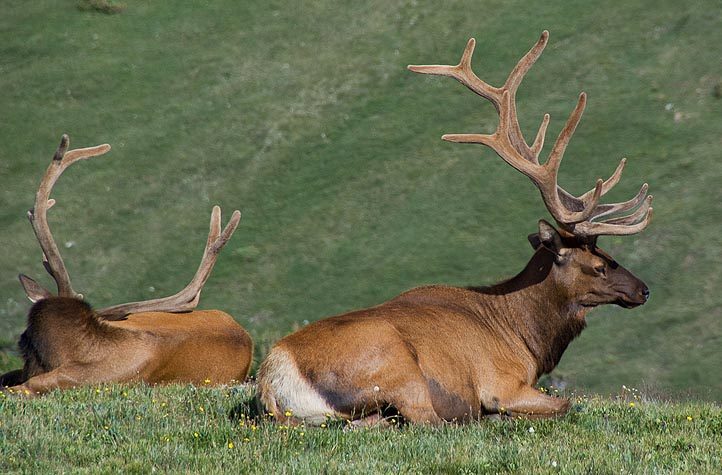
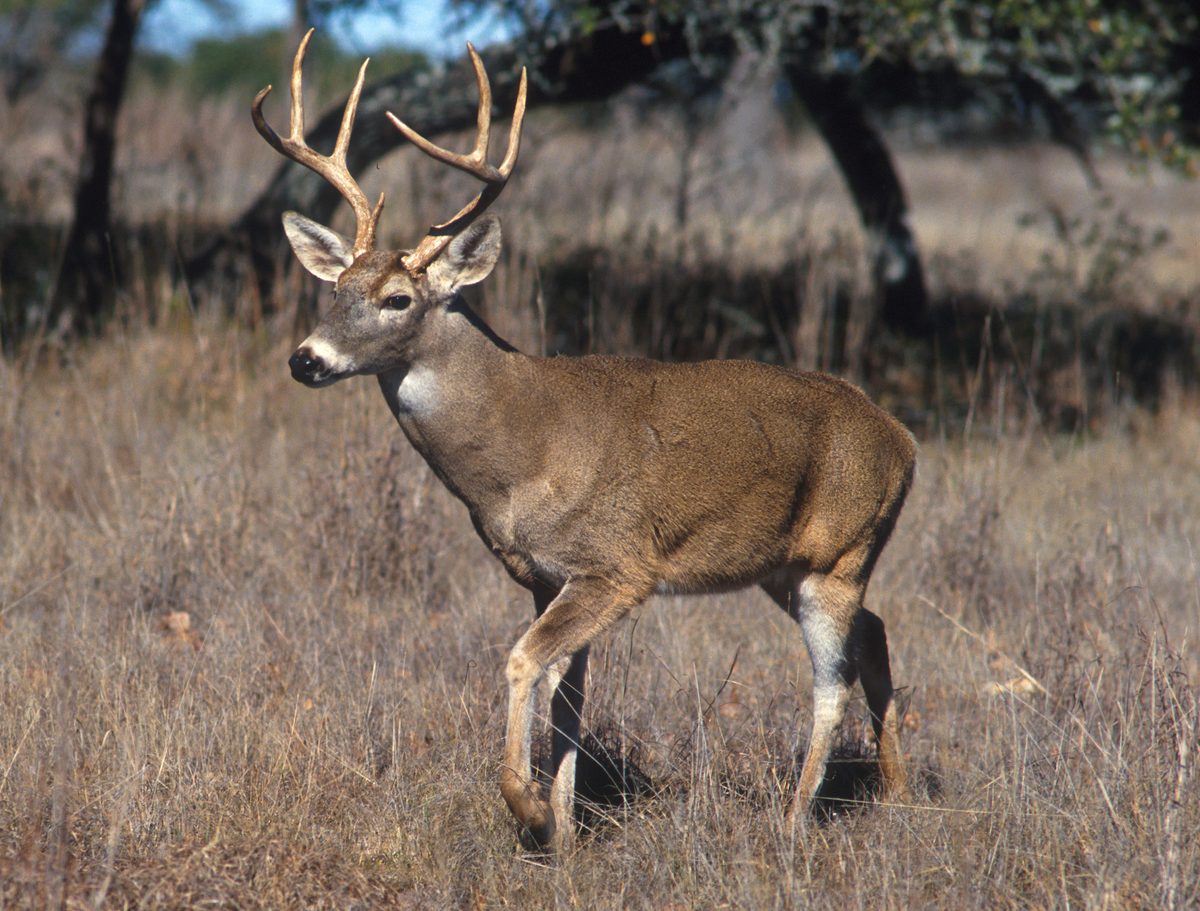
Elk demand a diaphragm for exactly the same reason — a bull inside forty yards gives you no chance to put a call down. Deer grunt tubes are the exception: the buck is usually already walking in, and the tube takes half a second.

03

Pair calls with the right setup

Calling works when the rest of the system does: a choke and load that pattern at your real range if you carry a shotgun for spring birds, a blind or natural screen that hides the draw, and quiet gear that does not announce you. The turkey choke picker and the silencer guides cover the hardware side.

Questions

Frequently asked

What turkey call should a beginner bowhunter learn first?
A double-reed diaphragm. It is the hardest to start but the only call that works with a bow in your hands, and two to four weeks of ten minutes a day produces a usable yelp. Learn on the diaphragm and every other call becomes easier.
Can I call turkeys without a diaphragm call?
For locating and mid-range work, yes — pot and box calls are easier and often sound better. But at bow range you cannot run a two-handed call and hold a bow, so a diaphragm (or a push-button run one-handed) is mandatory for the final approach.
How loud should I call to turkeys?
Quieter than you think once a bird is inside two hundred yards. Real hens are soft; over-calling and over-volume educate more gobblers than silence does. Call loudly to locate, then drop to clucks and purrs as he closes.

Also on The Wild10

Fishing Guides

Fish identification, the knots that hold, lure selection by conditions, and the habits that fill a stringer.

Open the fishing hub →
Fly angler casting on a clear northern river