Tracks
3–3.5 in.
Blocky and squared-off with straight edges and a hard rim — built for grip, not soft ground. In dust and snow on a rock ledge, the straight outer edge distinguishes sheep from deer.
Hunting · Big Game · Bighorn Sheep
The most difficult tag to draw and the most physically demanding hunt in North America — a genuine once-in-a-lifetime pursuit.
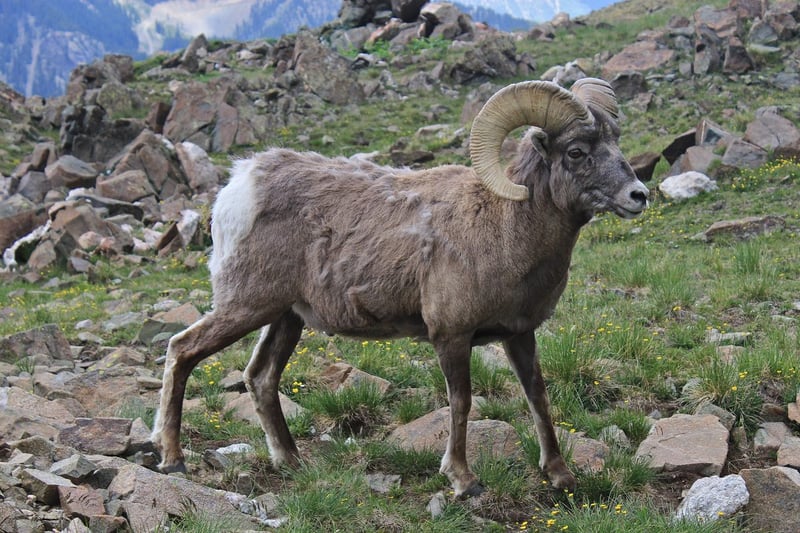
Wild sheep are the trophy at the center of North American mountain hunting. Rocky Mountain bighorns live on cliffs and alpine benches; desert bighorns survive on rock and cactus in country that hits 100°F with no water for miles.
Bighorn populations crashed to a few thousand animals by 1900 and have been rebuilt to roughly 80,000 by transplant programs funded largely by hunters. That recovery is why tags exist at all — and why there are so few of them.
Almost every state issues bighorn permits as once-in-a-lifetime licenses with sub-1% draw odds. A small number of governor's and raffle tags sell at auction for six figures, and the proceeds fund the habitat work that keeps the herds alive.
01
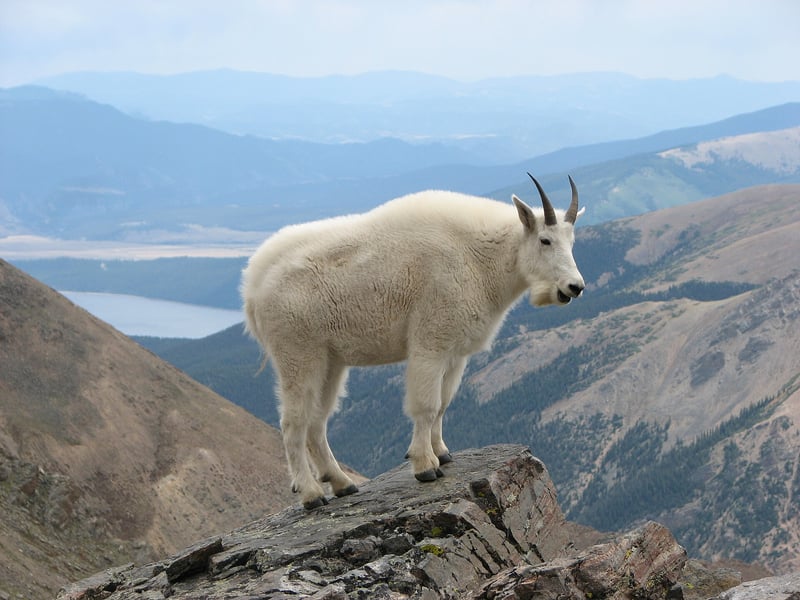
There are four huntable wild sheep in North America: Rocky Mountain bighorn, desert bighorn, Dall sheep, and Stone sheep. Only the first two are bighorns; Dall sheep in Alaska is the one wild sheep hunt a nonresident can reliably buy.
| Place | Why it's worth your time | How you get a tag |
|---|---|---|
| Montana & Wyoming | The best Rocky Mountain bighorn units in the Lower 48 | Once-in-a-lifetime draw; odds well under 1% even with maximum points |
| Colorado, Idaho & Utah | Strong bighorn herds and some desert units in Utah | Once-in-a-lifetime with preference or bonus points; decades-long realistic waits |
| Nevada & Arizona | The premier desert bighorn states | Bonus-point draws; Arizona's system squares points, so waits are extreme |
| New Mexico | Both Rocky Mountain and desert bighorn, pure random draw | No points — every applicant has identical odds each year |
| Alberta & British Columbia | World-record Rocky Mountain bighorn genetics | Nonresident aliens must hunt with a guide-outfitter; hunts run $30,000+ |
| Alaska (Dall sheep) | The realistic 'buyable' wild sheep hunt | Nonresidents must hunt with a registered guide or a second-degree-of-kindred Alaska resident |
02
A sheep hunt is a multi-day mountaineering operation built around glassing from above, executing a long careful stalk on a legal ram, and then getting everything off the mountain safely.
03
Sheep sign is written on rock and it lasts. Bedding ledges and trails on a cliff face persist for years, which makes scouting sign as valuable as spotting the animals.
3–3.5 in.
Blocky and squared-off with straight edges and a hard rim — built for grip, not soft ground. In dust and snow on a rock ledge, the straight outer edge distinguishes sheep from deer.
Dark pellets
Small, hard, dark pellets that pile up in quantity on bedding ledges — sometimes inches deep where a band has used a ledge for generations.
The key sign
Flat, pawed-out shelves on cliff faces with a commanding view and dung accumulation. A ledge with fresh green droppings and hair is in current use.
Trails
Wool caught on rock edges and brush along the narrow traverse trails they use between feeding basins and bedding cliffs.
Summer
Eroded, chewed banks and seeps where sheep dig for minerals — heavily tracked and worth glassing at first light.
04
You need a strategy that assumes you will not draw. Apply every year in every state you can afford, buy raffle tickets, and plan a Dall sheep hunt if you want to actually hunt sheep in this lifetime.
05
A sheep hunt is a mountaineering trip with a rifle. You are living at 9,000–12,000 feet for ten to fourteen days, moving camp on your back, and glassing cliff faces for hours at a time in weather that changes hourly.
Days start before dawn with a climb to a glassing position above the sheep, because bighorns look down for danger far less reliably than they look across and below. Finding rams may take days; a stalk on a bedded ram may take a full day of movement measured in yards.
The terrain is genuinely dangerous. Exposure, loose rock, and weather account for more sheep-hunting injuries than anything else, and a broken ankle at 11,000 feet ten miles from a trailhead is a rescue event.
Shots are often long and at steep angles, which means angle-compensated ranging and a rifle you can shoot precisely from improvised rests on rock.
Everyone who has done it describes the same thing: the hardest and best hunt of their life. Judging the ram, making the stalk, and then getting the meat, cape, and horns off the mountain is the full expression of mountain hunting.
06
Not a shopping list — the six or so items that change whether you fill the tag and whether the meat gets home in good condition.
Light, accurate, dialable
6.5 PRC, .270 Win, .28 Nosler, or .300 Win Mag in a light package with a quality scope you can dial. Verified drops to 500 yards and an angle-compensating rangefinder.
Days of glassing
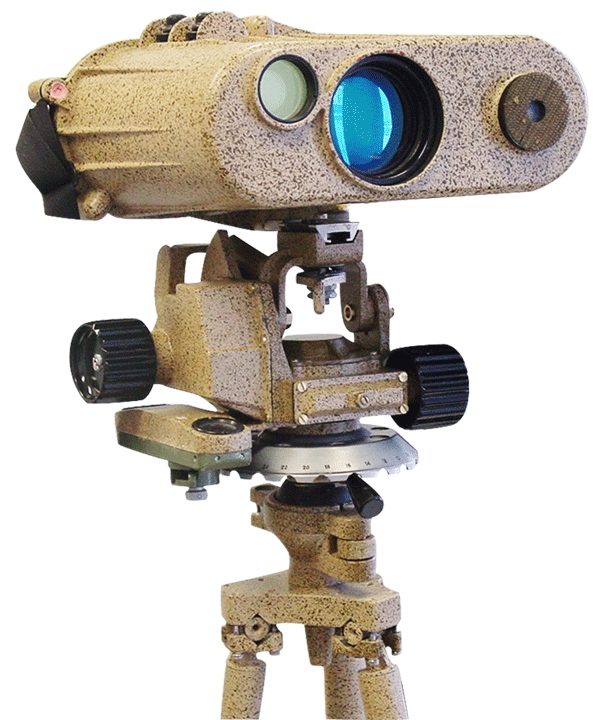
15x binoculars on a tripod plus a spotting scope. Judging curl and annuli at a mile is a legal requirement, not a luxury.
10–14 days self-supported
Sub-4-pound shelter, quality sleeping bag rated below freezing, stove, and 12+ days of food. Every ounce is carried up thousands of feet.
Terrain
Stiff, high-cuff boots with real edging ability, plus poles that save your knees on the descent under a meat load.
Non-negotiable
No cell service, extreme terrain, and multi-day evacuation times. Carry a communicator, a real trauma kit, and know how to use both.
Trophy
Sharp small blades for caping, salt, and knowledge of your state's mandatory horn plugging and check-in process.
07
You may only ever draw one sheep tag. Do not rush the field work after the most important shot of your hunting life.
08
Cape work matters more here than on any other animal, and you are doing it on a cliff.
09
A ram yields 60–90 pounds of boneless meat, and sheep is widely considered the best-eating wild meat in North America — mild, fine-grained, and almost sweet.
Every state requires full salvage of sheep meat. Bone it out on the mountain, bag it, and cool it in the shade of a rock face while you make multiple trips.
Most states also require the horns to be plugged or sealed by an officer within a set number of days. Know that requirement before you leave the field.
Seasons, fees, and draw rules change every year. These are the agencies and organizations that publish the current numbers — always confirm with them before you apply or hunt.
Conservation funding, raffle and auction tags, and the definitive sheep-hunting community.
Once-in-a-lifetime bighorn application, districts, and legal ram definitions.
Full-curl regulations and the guide requirement for nonresidents.
Scoring categories and fair-chase standards for the four North American wild sheep.
Questions
Where every hunting guide on The Wild10 starts.
Big game, small game, upland birds, and waterfowl — habitat and season.
Turkey, pheasant, grouse, quail, ducks, geese, rabbits, squirrels and predators.
All 50 states — seasons, tags, laws, public land and tactics.
Calling, shotguns, bows, camo, blinds, scouting, and spring vs fall.
Search every species and filter by tracks, droppings and sign, harvest, or skinning.
Cartridges, zero, field positions, wind, and shot placement.
Gauges, chokes, shot size, and lead for birds and slug country.
Instinctive shooting, draw weight, arrow spine, and close-range craft.
Eleven recurve and longbow guides: form, aiming, spine, tuning, and building tackle.
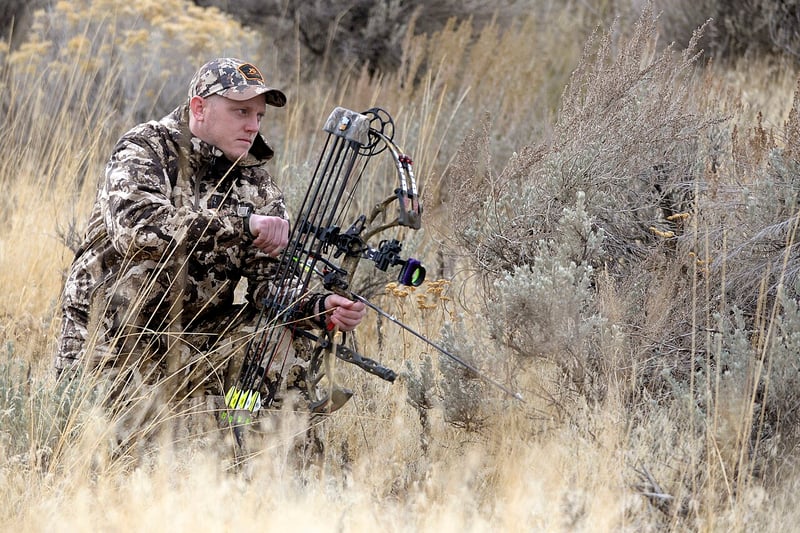
Draw length, sight and rest setup, broadhead tuning, and shot process.
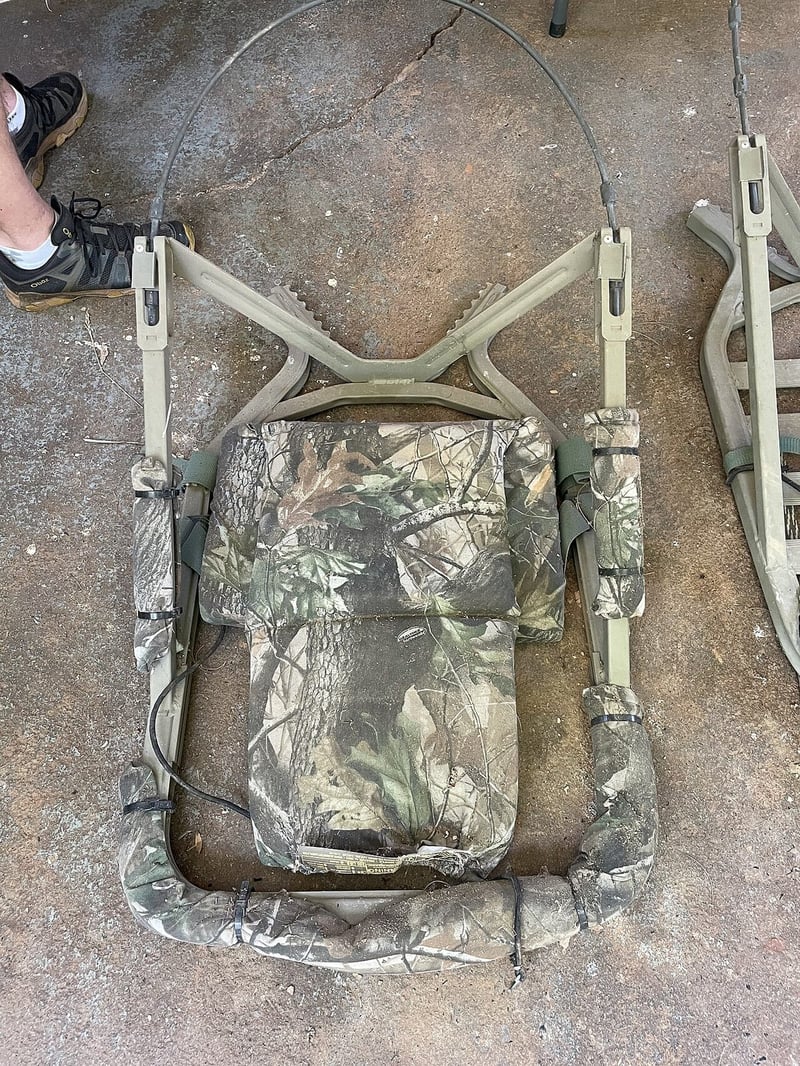
Wind discipline, stand placement, blood trailing, and meat care.
Keep going
Search every game profile by tracks, sign, harvest, and skinning guides.
Read →Cartridge choice, field positions, wind calls, and where the vitals actually sit.
Read →Draw length, sights and rest, broadhead tuning, and a repeatable shot sequence.
Read →Wind discipline, stand and stalk selection, blood trailing, and getting meat out cold.
Read →Plan the once-in-a-lifetime hunt: conditioning timeline, spike camp, and a full meat plan.
Read →Top 10 lists
Ranked picks with real product photos, specs, and editor notes — the buying side of everything covered in these guides.
Bolt guns from budget workhorses to mountain rifles.
See the ranking →Rifled slug guns for shotgun-only whitetail country.
See the ranking →Spine, FOC, and broadhead pairings that fly true.
See the ranking →Quiet, wind-blocking shells for spring and early season.
See the ranking →Softshell and brush pants that move quiet and shed weather.
See the ranking →Insulated and shell layers ranked by warmth-to-noise.
See the ranking →Also on The Wild10
Fish identification, the knots that hold, lure selection by conditions, and the habits that fill a stringer.
Open the fishing hub →