


US National Parks · #2
Gates of the Arctic
Alaska
Reader rating
Rate it and you move it. Community ratings re-rank this product inside its Top 10 list.
Expert-picked, reader-ranked. Our editors choose the products and the launch order; member star ratings move picks up or down over time.
No roads, no trails, no facilities. Genuine expedition park.
Pros
- Unparalleled wilderness solitude and pristine Arctic landscape
- Genuine expedition experience, true self-reliance required
- Exceptional wildlife viewing opportunities, especially caribou
- Diverse terrain from boreal forest to glaciated peaks
- Opportunity for unique packrafting and hiking combinations
Cons
- Extremely high cost due to air taxi access
- No established trails or facilities, demanding navigation skills
- High inherent risks: bears, swift rivers, unpredictable weather
- Slow and physically demanding travel over challenging terrain
- Abundant mosquitoes during summer months
Best uses
- Multi-day wilderness expeditions
- Advanced backpacking trips
- Packrafting or canoeing journeys
- Wildlife photography and observation
- Technical mountaineering in the Arrigetch Peaks
Specifications
- Location
- Northern Alaska, Brooks Range
- Size
- 8.4 million acres
- Access
- Bush plane primarily
- Designation
- National Park and Preserve
- Key Feature
- No roads, no trails, no facilities
- Nearest Town
- Fairbanks (gateway)
Best for
Multi-day wilderness expeditions, Advanced backpacking trips, Packrafting or canoeing journeys, Wildlife photography and observation, Technical mountaineering in the Arrigetch Peaks
Gates of the Arctic National Park and Preserve is unlike any other national park in the United States. Spanning over 8.4 million acres in northern Alaska, it's a place defined by its raw, untamed wilderness. There are no roads, no established trails, and no visitor facilities within the park boundaries. Access is primarily by bush plane, landing on lakes, rivers, or gravel bars. This isn't a park for casual tourism; it's a destination for experienced, self-reliant adventurers seeking true solitude and a profound connection with an untouched Arctic landscape. The park encompasses a significant portion of the Brooks Range, offering a rugged tapestry of mountains, boreal forest, and tundra. The terrain is diverse and challenging, ranging from rolling tundra to steep, glaciated peaks. Rivers and streams, often unbridged and swift, are a constant feature of the landscape and can become impassable during periods of heavy rain or snowmelt. Wildlife is abundant, including caribou, grizzly bears, Dall sheep, wolves, and a wide array of migratory birds. Understanding and respecting the environment, its inhabitants, and the inherent risks is paramount. This is a place where you are entirely responsible for your own safety and survival, a true test of wilderness skills and resilience.
Geography & Terrain
The park's geography is dominated by the Brooks Range, an east-west trending mountain range that forms the continental divide. To the south, one finds a mix of boreal forest and river valleys. To the north, the landscape transitions into Arctic tundra and, eventually, the Arctic Ocean. The terrain is characterized by broad, U-shaped glacial valleys, rugged peaks, vast expanses of spongy tundra, and countless rivers and lakes. Permafrost is a constant, making travel challenging, especially in summer when thawed ground can become boggy and slow. Expect significant elevation changes, particularly when traversing mountain passes, and be prepared for varied footing from rocky scree to dense tussocks.
Best Season & Weather
The short Arctic summer, typically from late June through August, offers the most accessible window for backcountry travel, though weather remains highly unpredictable. Temperatures can range from comfortable highs in the 60s Fahrenheit to near-freezing lows, even in July. Persistent rain, high winds, and even snow are possible at any time. Mosquitoes are notoriously abundant and aggressive in summer. Shoulder seasons (late May-early June, September) bring colder temperatures and more challenging conditions but also fewer insects. Winter travel is reserved for highly specialized, experienced groups due to extreme cold, short daylight hours, and logistical complexities.
Wildlife Encounters
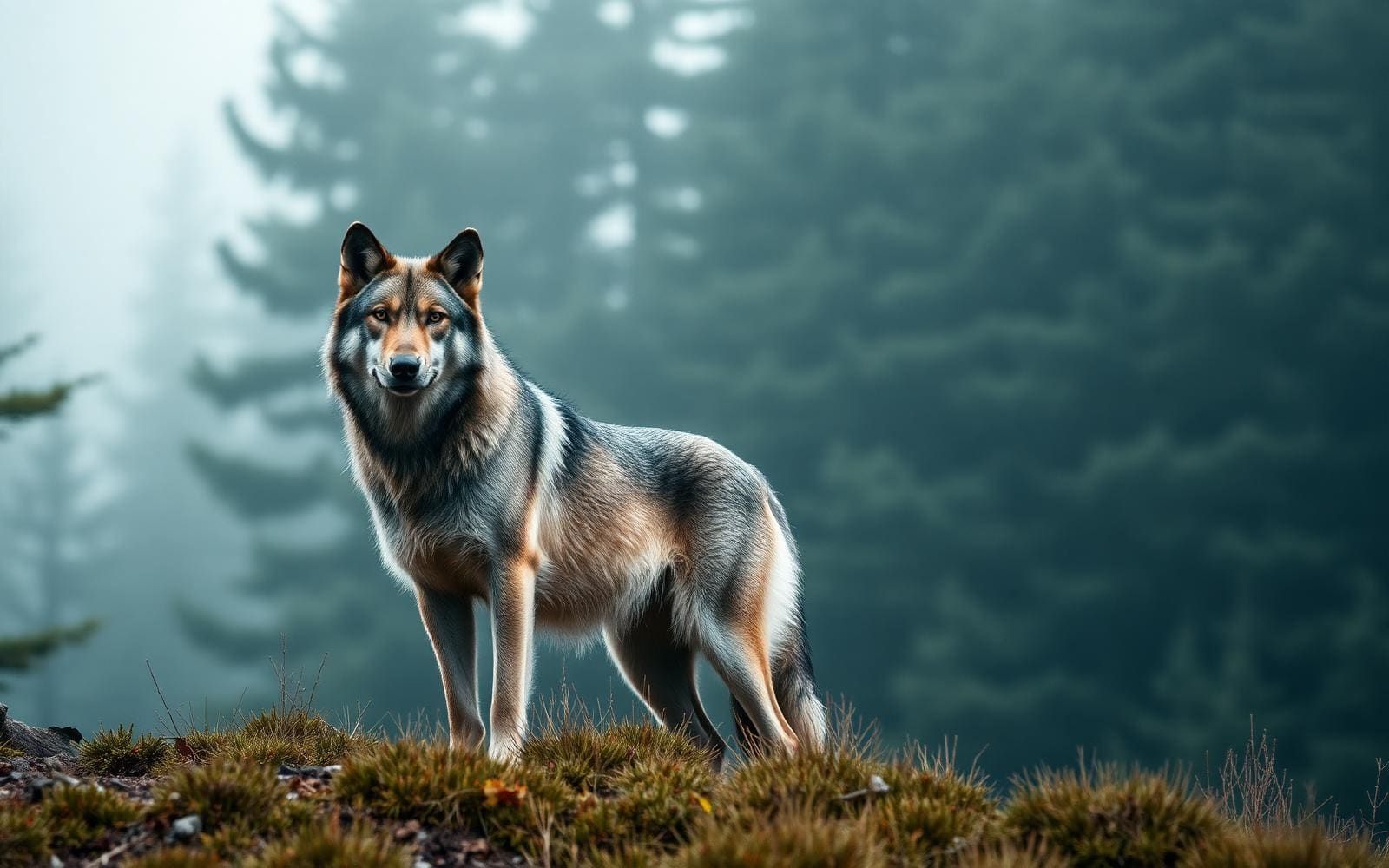
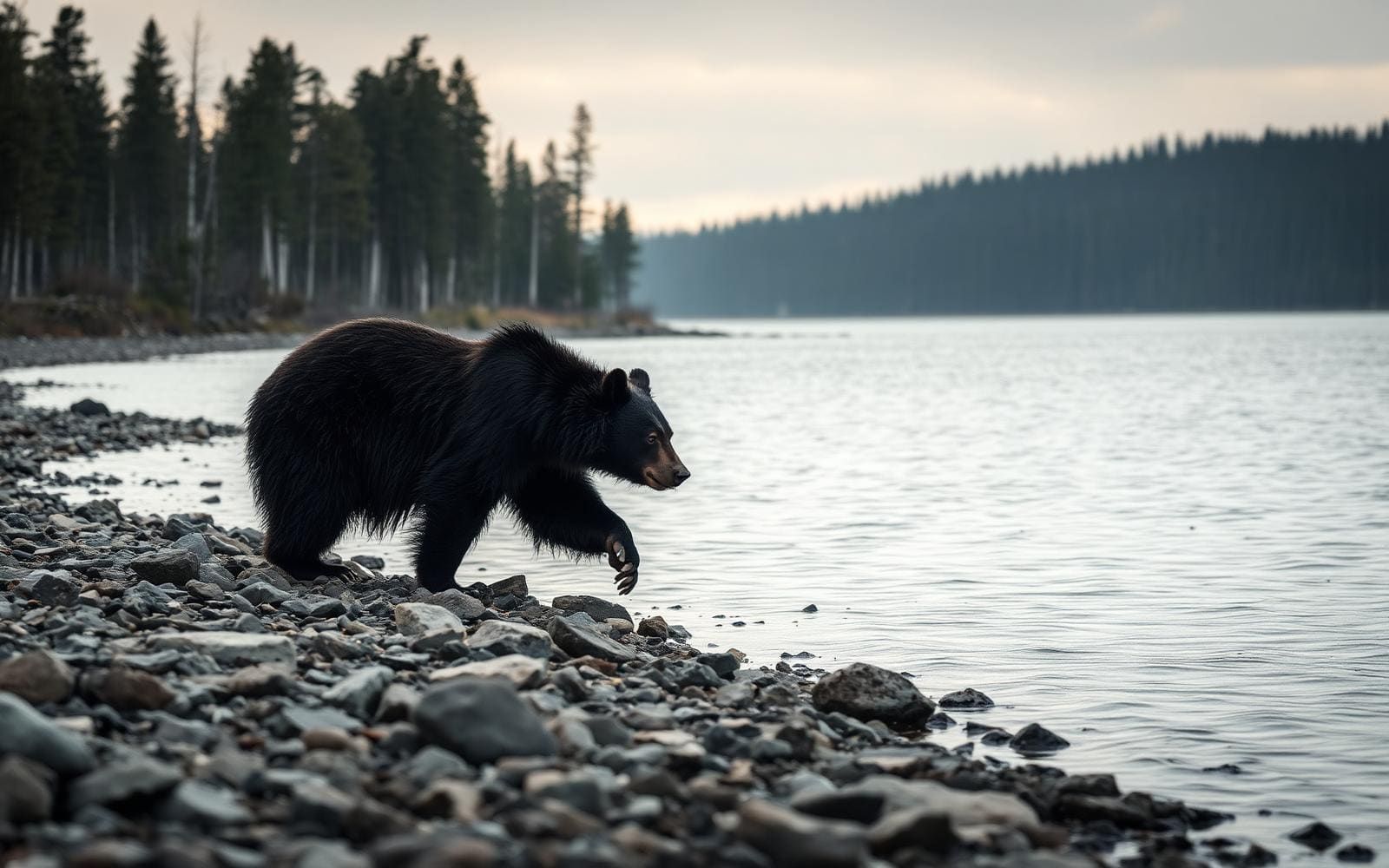
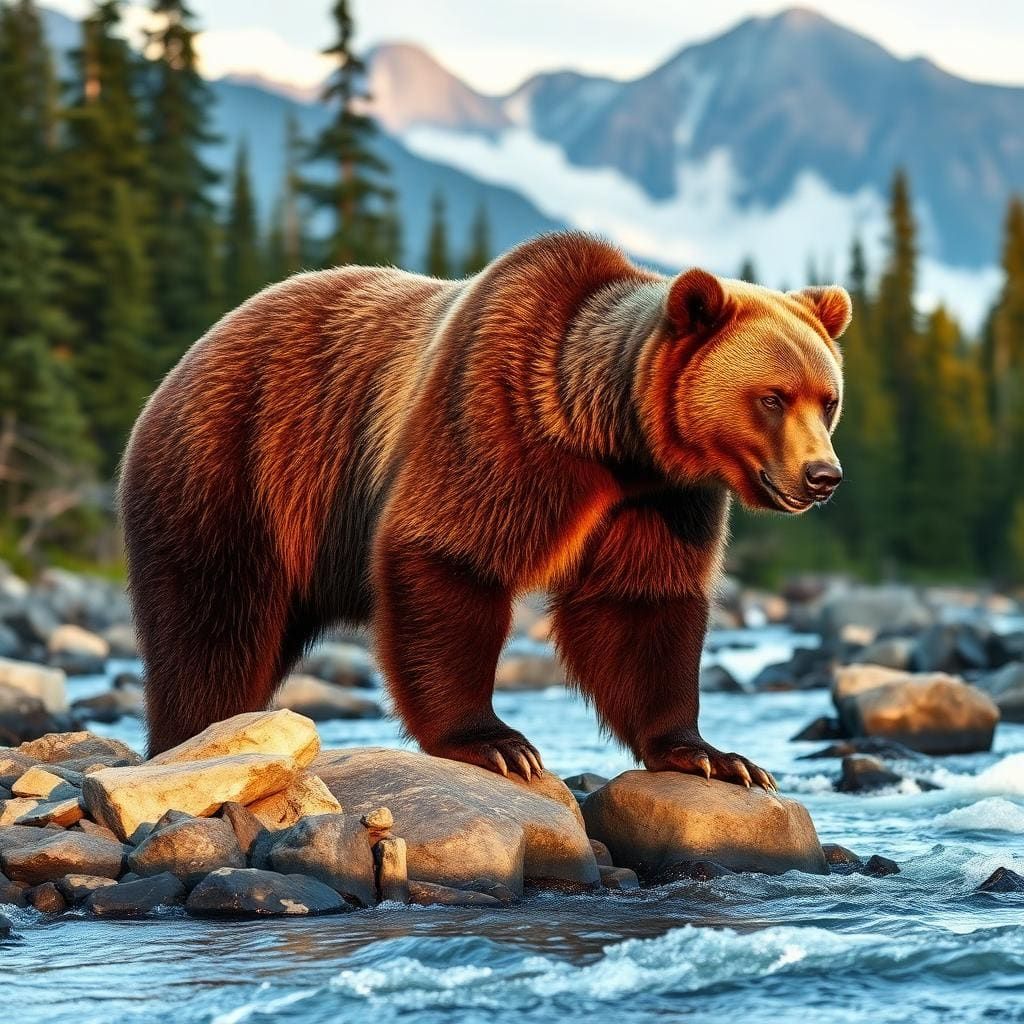
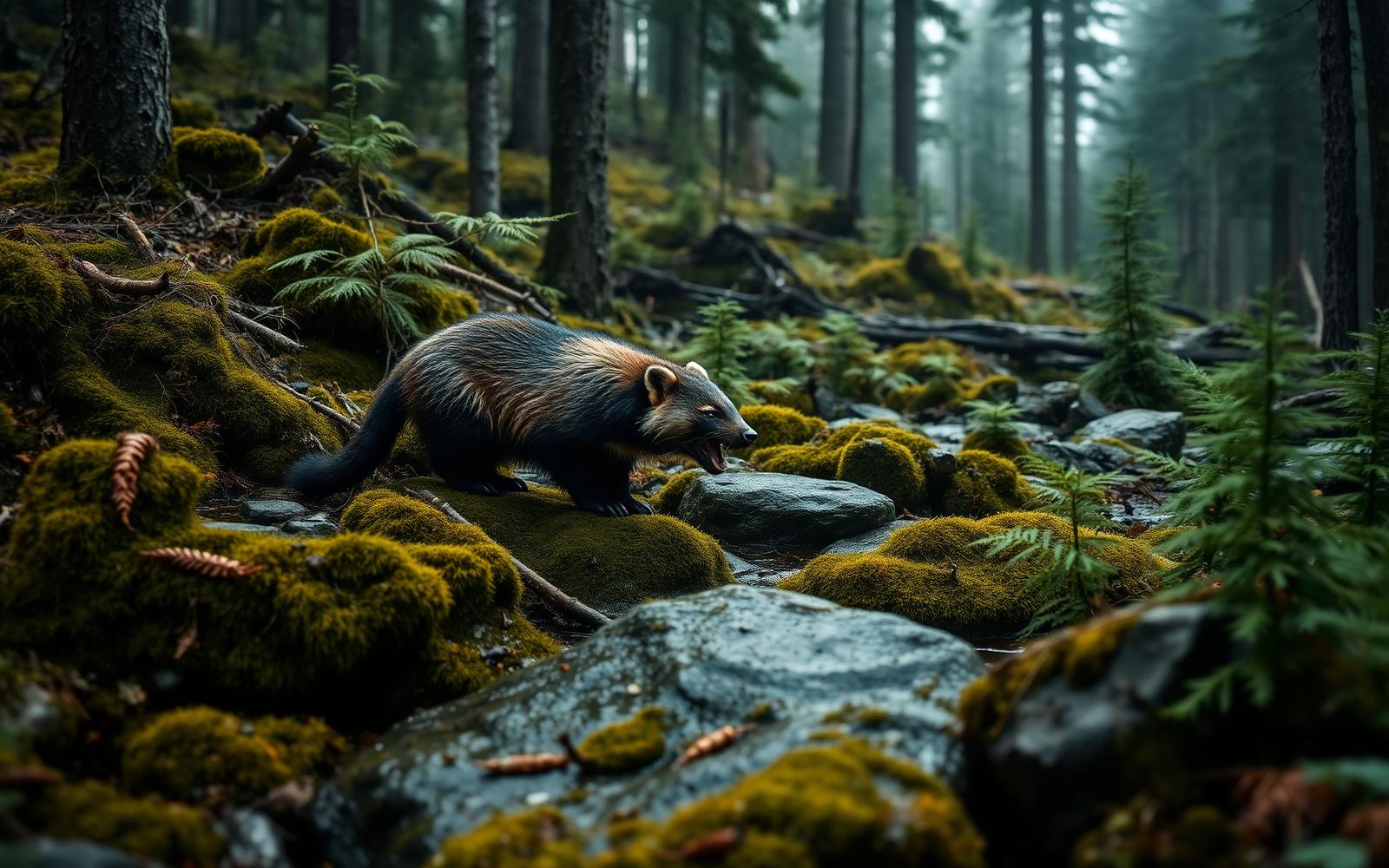
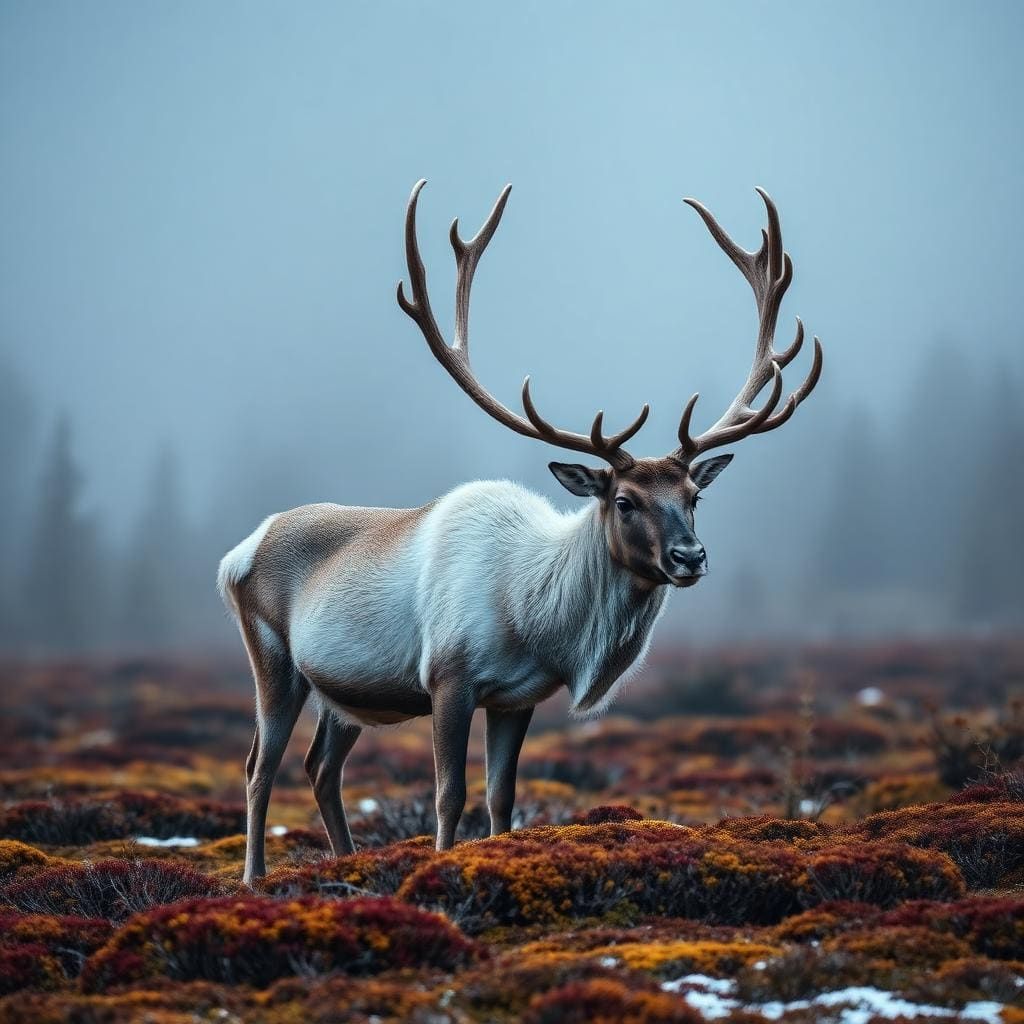
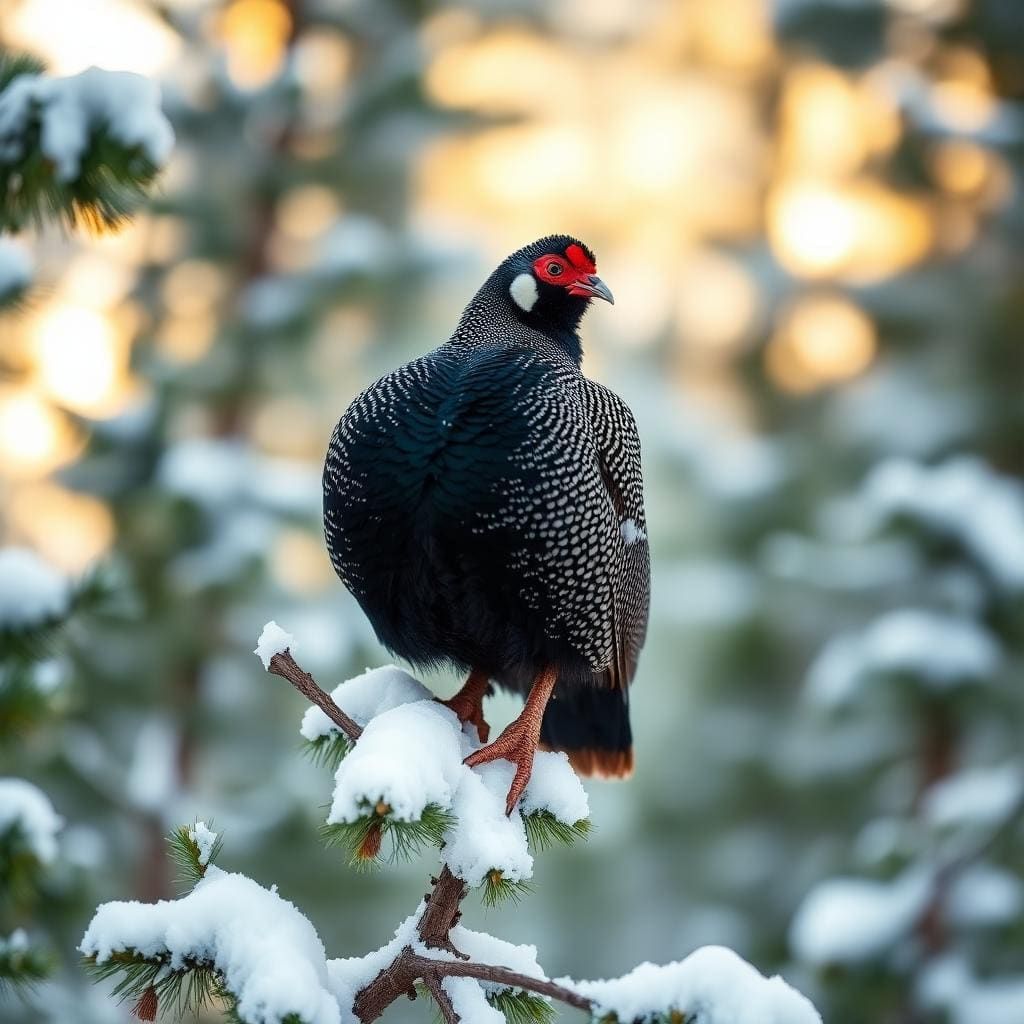
Gates of the Arctic is home to a robust population of Arctic and sub-Arctic wildlife. The Western Arctic Caribou Herd, one of the largest in North America, migrates through the park, offering incredible viewing opportunities. Grizzly bears are present throughout, and proper food storage and bear awareness are non-negotiable. Dall sheep are common in the higher elevations, while wolves, moose, and various small mammals can also be seen. Birdlife is diverse, especially during nesting season. Respecting wildlife and maintaining safe distances is crucial; this is their home, and human presence should be as unintrusive as possible.
Key Routes & Attractions
Without trails, 'routes' are often self-determined based on topography, river crossings, and personal objectives. Popular areas for exploration include the Arrigetch Peaks, renowned for their granite spires and technical climbing potential, and the Alatna and Kobuk river valleys, which offer excellent opportunities for packrafting or canoeing. The 'Gates' themselves refer to two peaks, Frigid Crags and Boreal Mountain, which flank the North Fork of the Koyukuk River. Backpackers often aim to traverse a section of the Brooks Range, often combining hiking with packrafting sections of rivers to cover greater distances and avoid dense brush. Every journey here is a unique, self-designed expedition.
Permits & Access
No permits are required for backcountry travel in Gates of the Arctic National Park and Preserve. However, visitors are strongly encouraged to contact the park headquarters in Fairbanks for trip planning assistance and to register their itinerary. This registration is for your safety and allows park staff to know who is in the backcountry. Access is almost exclusively by air taxi from gateway communities like Bettles or Coldfoot. Arranging air transportation well in advance is essential, as is understanding the weight limits and flight conditions. Emergency communication devices like satellite phones or inReach units are vital due to the complete lack of cell service.
Honest Trade-offs
The park's extreme remoteness means high logistical costs, particularly for air taxi services. Crowds are not an issue; true solitude is guaranteed. However, this isolation comes with significant inherent hazards: no rescue services are stationed in the park, and response times can be days. River crossings can be dangerous, weather shifts rapidly, and grizzly bear encounters are always a possibility. Travel is slow and arduous due to the lack of trails, dense tussocks, brush, and uneven ground. Self-sufficiency, comprehensive medical skills, and a high tolerance for discomfort are absolute prerequisites. This is not a place for those seeking a guided, comfortable experience.
Full destination profile
Continue into the complete destination guide for access, permits, seasonal planning, maps, field notes, and more local trip ideas.
Open the full destination profileHow we chose
We built this ranking from trip reports, agency data, permit records, and our editors' own time on the ground. 10 places made the final cut out of a much longer working list, and each one had to clear the same set of criteria before it earned a spot.
- Quality of the terrain
- Landscape, route variety, and whether the place rewards multiple days rather than one overlook.
- Season and weather windows
- How long the reliable window is, and how badly the shoulder seasons punish a bad forecast.
- Access and permits
- Trailhead logistics, permit odds, quotas, and how much lead time a trip realistically takes.
- Solitude vs. crowding
- How far you have to walk before the place feels like wilderness instead of a queue.
- Wildlife and ecology
- What you can reasonably expect to see, and what you have to plan around.
- Risk and skill required
- Navigation, water crossings, exposure, and rescue distance — stated plainly.
Gates of the Arctic — frequently asked questions
- Is Gates of the Arctic worth the trip?
- We rank it #2 in US National Parks. No roads, no trails, no facilities. Genuine expedition park.
- Who is Gates of the Arctic best for?
- Best for multi-day wilderness expeditions, advanced backpacking trips, packrafting or canoeing journeys and wildlife photography and observation. Standouts: unparalleled wilderness solitude and pristine arctic landscape and genuine expedition experience, true self-reliance required.
- What are the drawbacks of Gates of the Arctic?
- Extremely high cost due to air taxi access, No established trails or facilities, demanding navigation skills and High inherent risks: bears, swift rivers, unpredictable weather.
- What are the key details for Gates of the Arctic?
- Location: Northern Alaska, Brooks Range · Size: 8.4 million acres · Access: Bush plane primarily · Designation: National Park and Preserve · Key Feature: No roads, no trails, no facilities
- Geography & Terrain — what should I know about the Gates of the Arctic?
- The park's geography is dominated by the Brooks Range, an east-west trending mountain range that forms the continental divide. To the south, one finds a mix of boreal forest and river valleys.
- Best Season & Weather — what should I know about the Gates of the Arctic?
- The short Arctic summer, typically from late June through August, offers the most accessible window for backcountry travel, though weather remains highly unpredictable. Temperatures can range from comfortable highs in the 60s Fahrenheit to near-freezing lows, even in July.
Where on earth
Satellite imagery flying in from a world view to Gates of the Arctic, Alaska, United States. Use the + / − buttons, or click the map to zoom with your scroll wheel; drag to pan and pinch to zoom on touch.
Gates of the Arctic National Park and Preserve, Alaska, USA · 67.685, -153.324
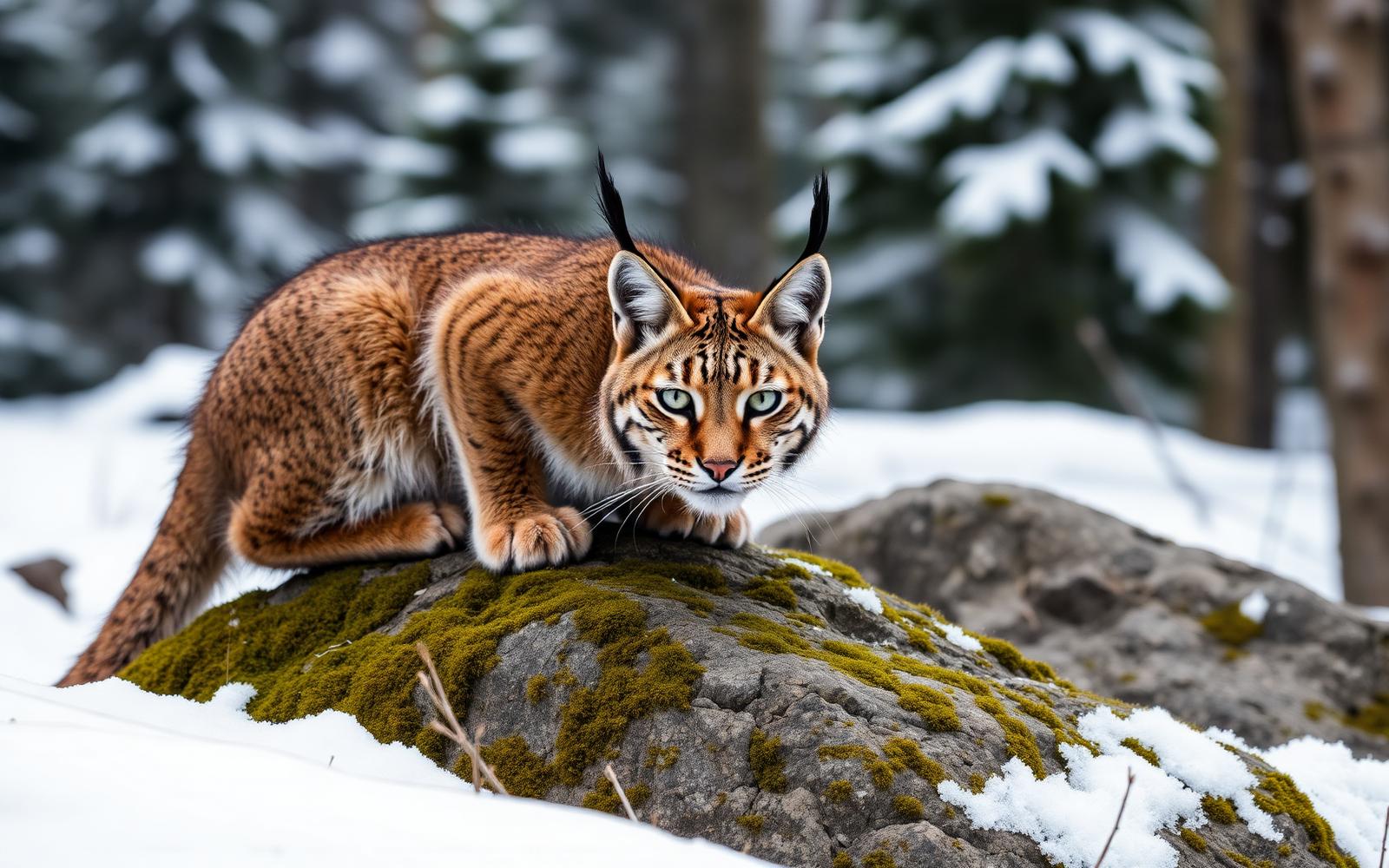
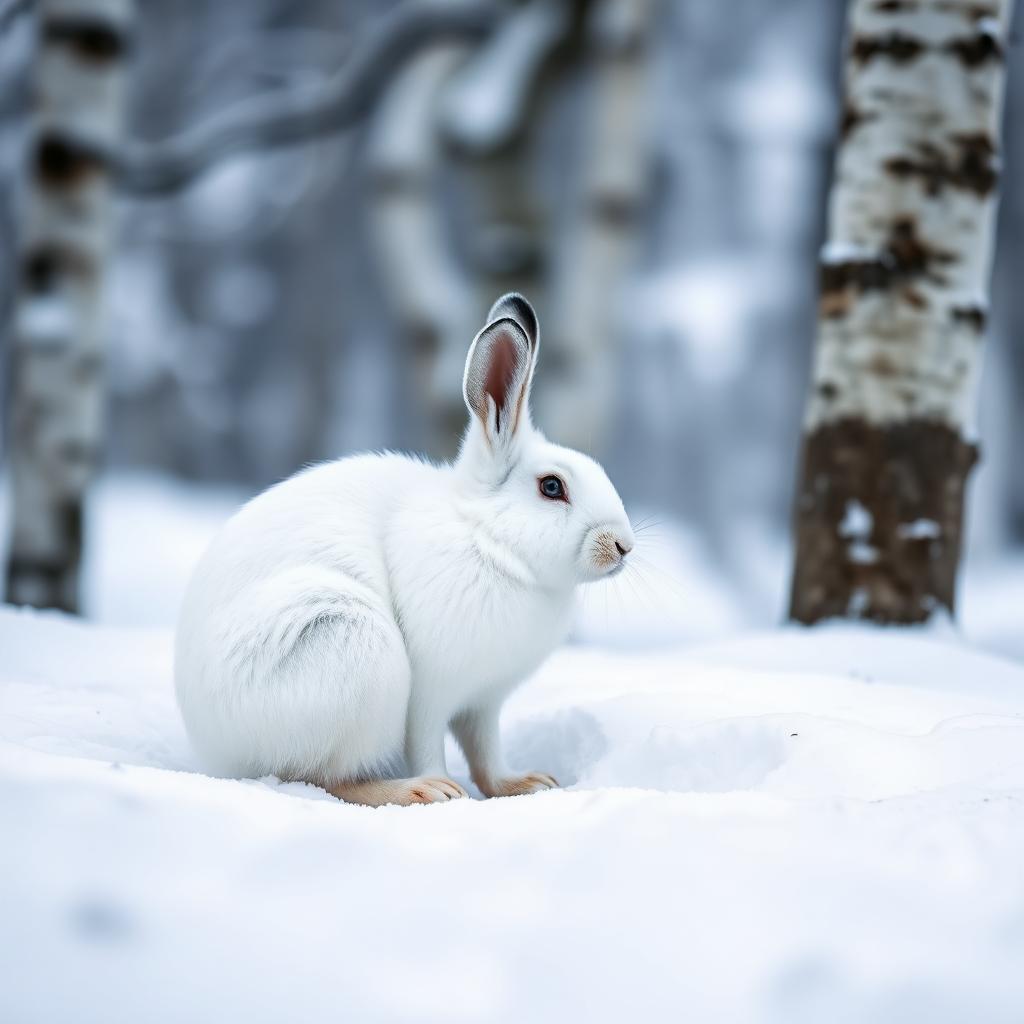
Wildlife found around Gates of the Arctic
Compare side by side
Put the Gates of the Arctic against any other pick on this list — specs, price, pros, cons and reader ratings.