Hunting · Deer by State · Ranked #37 of 50
Arizona Deer Hunting
From Kaibab Plateau mule deer to sky-island Coues whitetail, Arizona's points-based draw guards a genuinely unique two-species hunt.
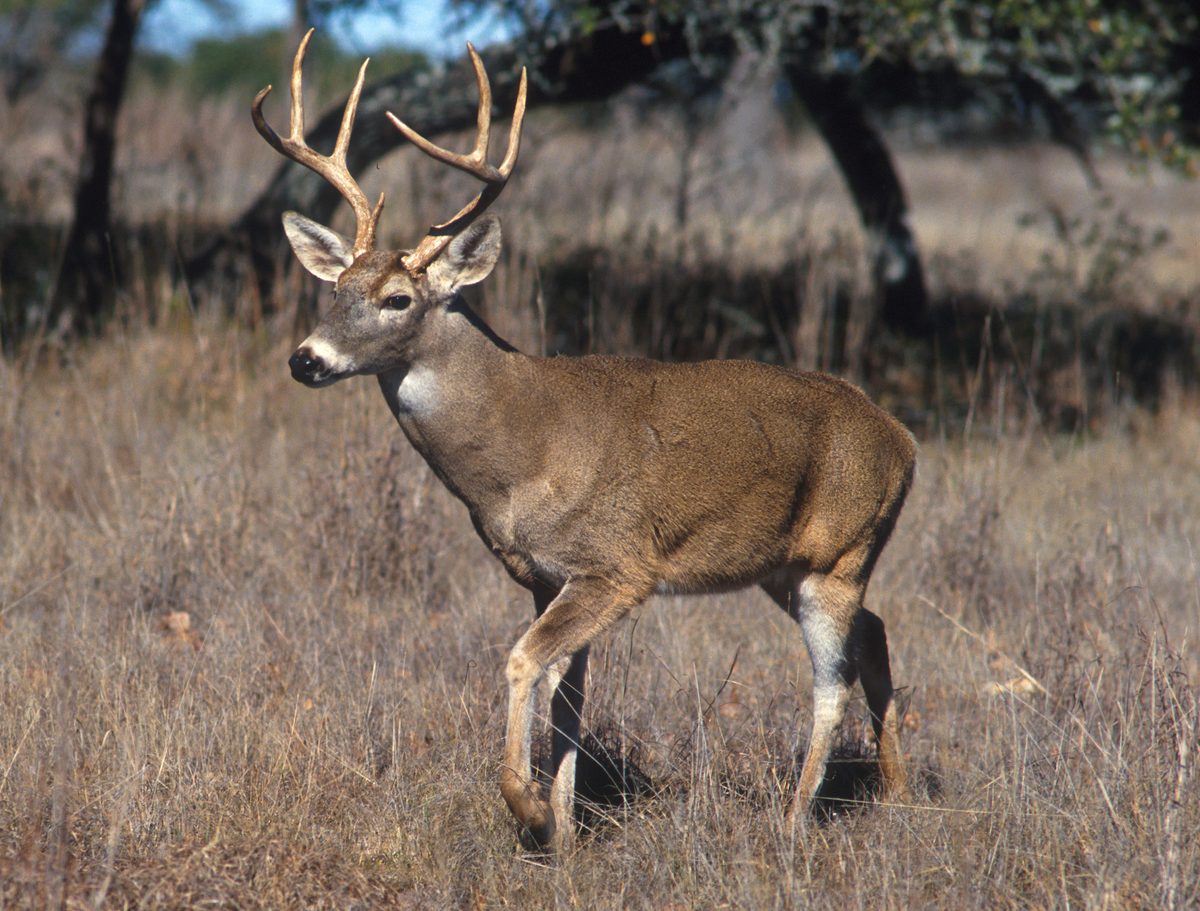
Arizona is one of the only states where hunters can chase two distinct deer experiences in a single license year: big-bodied mule deer in the high-elevation ponderosa and pinyon-juniper country of the north, and the small, gray, canyon-dwelling Coues whitetail in the oak-grassland sky islands of the southeast — a subspecies found in trophy quality almost nowhere else in the U.S.
Nearly all deer hunting in Arizona runs through a bonus-point-weighted draw administered by AZGFD. Nonresidents compete in the same pool as residents but face tighter unit-by-unit caps, and the state's most famous units — the Arizona Strip and the Kaibab Plateau, both known for giant-bodied, heavy-antlered mule deer — can take a decade or more of points to draw as a nonresident.
The payoff for the wait is scale and access: national forests, BLM lands, and state trust lands cover huge swaths of prime deer habitat, giving patient, points-banking hunters a legitimate shot at a once-in-a-lifetime buck without needing a private-land lease.
- Wild10 rank
- #37 · Good
- Species available
- Desert & high-country mule deer (north); Coues whitetail (southeast)
- License system
- Bonus-point-weighted draw for nearly all deer hunts
- Nonresident deer tag
- Approx. $160 general hunting license plus a $365 deer tag (both required)
- Top trophy units
- Arizona Strip (12A/13A/13B) and Kaibab Plateau (12A) for mule deer; Units 27, 28, 34, 35 for Coues
- Public land
- Kaibab, Coconino, Coronado, and Prescott National Forests plus extensive BLM and state trust land
- Season length
- Archery Aug.–Sept. and Dec.–Jan.; general rifle seasons run Oct.–Nov., unit-specific
01
Arizona deer hunting by the numbers
Where Arizona sits nationally, and the figures behind our rank of #37 of 50.
| Statistic | Value |
|---|---|
| Coues whitetail range | Concentrated in southeastern sky-island units (27, 28, 29, 30, 33, 34, 35, 36) |
| Nonresident tag cost | Approx. $365 deer tag plus $160 general license |
| Draw system | Bonus-point weighted lottery; top units require 10+ points for nonresidents |
| CWD status | Not detected in Arizona's wild deer herds as of the latest surveillance reports |
02
Arizona deer seasons (2025-26)
Arizona sets exact season dates per hunt unit annually through its hunt draw process. Always confirm current dates and boundaries in the AZGFD hunt regulations for the specific unit you draw.
| Season | Weapon | Typical window | Notes |
|---|---|---|---|
| Early archery | Bow / crossbow | Late Aug. – mid-Sept. | Statewide archery-only opportunity for both mule deer and Coues whitetail, unit-specific. |
| General/limited rifle | Rifle | Mid-Oct. – late Nov., varies by unit | Most mule deer units run in October; many Coues units are set for November to align with the rut. |
| Muzzleloader | Muzzleloader | Varies by unit, typically Oct.–Dec. | Limited-draw hunts offered in select units. |
| Late archery | Bow / crossbow | Dec. – mid-Jan. | Post-rut and late-season archery opportunity in some units, often over-the-counter. |
03
Arizona deer tags & licenses
Almost all Arizona deer hunting requires a drawn, limited-entry tag tied to a specific unit and season. Hunters apply through AZGFD's online system, and unsuccessful nonresident applicants accrue a bonus point that improves future odds.
A handful of over-the-counter archery-only hunts exist in some units, giving hunters a way to hunt without waiting on the draw, though they don't offer the same trophy potential as the premier limited units.
All hunters need a valid Arizona general hunting license in addition to the species-specific tag, and hunter education is required for hunters born on or after Jan. 1, 1988.
Nonresidents apply through the same statewide draw as residents but are capped at roughly 10% of tags in most units, and top-tier units like the Arizona Strip and Kaibab Plateau can require a decade or more of bonus points to draw. Purchasing a general hunting license and applying each year, even without expecting to draw, is the only way to accumulate points.
Arizona's primary big game draw application window generally opens in early January and closes in mid-February for the fall hunts, with results typically posted by late spring. A second draw for leftover tags follows for hunts that didn't fill.
04
What Arizona deer licenses cost
| License / tag | Price |
|---|---|
| Resident general hunting license | approx. $37 |
| Resident deer tag | approx. $53 |
| Nonresident general hunting license | approx. $160 |
| Nonresident deer tag | approx. $365 |
| Bonus point (nonresident, if not drawn) | approx. $35 |
05
Arizona deer hunting laws you must know
The rules that catch hunters out most often. Not a substitute for the regulations book.
| Topic | Rule |
|---|---|
| Blaze orange | Not legally required for deer hunters in Arizona, though hunter orange is recommended for visibility, especially during general rifle seasons. |
| Baiting | Baiting deer is illegal statewide in Arizona. |
| Crossbows | Legal for all hunters during archery seasons, no disability permit required, unlike many other Western states. |
| Sunday hunting | Allowed statewide; Arizona has no Sunday hunting restrictions. |
| Legal firearms | Centerfire rifles and handguns of legal caliber are permitted during general seasons; muzzleloader hunts restrict hunters to muzzleloading firearms only. |
| Water restrictions | Hunting is prohibited within a quarter-mile of certain man-made wildlife water developments during specific dates in some units to protect wildlife access to water. |
| Mandatory reporting | Successful and unsuccessful hunters may be required to complete a hunt survey via AZGFD's online system for harvest data collection. |
| Hunter education | Required for anyone born on or after Jan. 1, 1988, before purchasing a hunting license. |
06
What to expect hunting deer in Arizona
Arizona's deer country splits sharply by species and geography: high-elevation ponderosa pine and pinyon-juniper plateaus in the north hold big-bodied mule deer, while rugged oak-grassland canyons and sky-island mountain ranges in the southeast hold small, gray Coues whitetail that demand a completely different hunting style.
The Arizona Strip and Kaibab Plateau, isolated north of the Grand Canyon, are legendary for producing heavy-antlered, mature mule deer bucks, but access requires long drives on remote roads and a tag that can take a decade of bonus points to draw.
Coues deer hunting is a glassing game — hunters post up on high vantage points overlooking oak-studded canyons and grassy slopes, picking apart the terrain with quality optics to spot deer that blend in remarkably well, often at distances of a half-mile or more.
Weather varies enormously by region and season: northern mule deer units can see early snow by November, while the southeastern Coues country stays mild and dry, with the rut often peaking in late January during the post-season if regular season timing misses it.
07
Arizona deer hunting tips
Field-tested advice specific to this state's deer, terrain and pressure.
- 1Apply for bonus points every year, even when you don't expect to draw — the top Arizona Strip and Kaibab units can take 10+ points for nonresidents.
- 2Invest in quality glass for Coues hunting; spotting these small, gray deer at long range in oak-canyon country is the single biggest factor in success.
- 3Check AZGFD's draw odds and hunt reports before applying to match your point total to a realistic unit rather than only chasing famous names like the Strip or Kaibab.
- 4For Coues deer, consider late-season hunts in January, which can catch the rut when bucks move more during daylight.
- 5Pack for extreme regional contrast — northern mule deer units can see early snow while southeastern Coues country stays warm and dry in the same week.
- 6Scout water sources in drier units; deer activity concentrates heavily around tanks and springs during dry falls.
- 7Look into leftover-tag opportunities after the primary draw if your point total isn't high enough for the marquee units yet.
- 8Physical conditioning matters for both hunts — Kaibab mule deer country involves long treks at elevation, and Coues hunting means hours of careful glassing followed by steep canyon stalks.
Why Arizona ranks #37 for deer hunting
Arizona offers two very different deer hunts in one state: desert and high-country mule deer in the north, and the diminutive, elusive Coues whitetail in the southeastern sky islands and oak-grassland canyons found nowhere else in the country in such quality. Nearly everything runs through a competitive, points-based draw, and premium units like the Arizona Strip and Kaibab Plateau can take a decade or more of bonus points for nonresidents to draw. Vast national forest and BLM land keeps it a genuine DIY opportunity, but the long odds and unit-specific tag structure put it in the middle of the pack overall rather than among the very best.
Tier: Good · Species: Mule deer, Coues (whitetail) deer
Where to hunt deer in Arizona
Arizona's best deer hunting sits largely on public land — national forest, BLM, and state trust ground — spread across two very different regions depending on whether you're chasing mule deer or Coues whitetail.
Kaibab National Forest (North Kaibab Ranger District)
National forest · Arizona Strip / North Rim
Home to the legendary Kaibab Plateau mule deer herd, prized for heavy antler mass and body size; extremely long draw waits for nonresidents.
Official pageArizona Strip BLM lands
BLM · Northwestern Arizona
Remote high desert and plateau country adjoining the Kaibab, holding some of the state's top trophy mule deer units.
Official pageCoronado National Forest
National forest · Southeastern Arizona
Sky-island mountain ranges and oak-grassland canyons that produce the state's best Coues whitetail hunting.
Official pagePrescott National Forest
National forest · Central Arizona
Chaparral and ponderosa transition country offering solid mule deer hunting closer to the Phoenix metro area.
Official pageCoconino National Forest
National forest · North-central Arizona
Mixed ponderosa pine and pinyon-juniper habitat supporting good mule deer numbers around Flagstaff and the Mogollon Rim.
Official pageTonto National Forest
National forest · Central Arizona
Rugged desert-to-mountain terrain holding both mule deer and Coues whitetail depending on elevation and unit.
Official page
Gear for Arizona deer season
Arizona's split between high-country mule deer and long-range Coues whitetail glassing calls for versatile optics, sun protection, and boots suited to both timber and rocky canyon terrain.
- Best Hunting Rifles
Bolt guns from budget workhorses to mountain rifles.
- Best Compound Bows
Forgiving, quiet compounds that tune without a fight.
- Best Hunting Boots
Early-season to mountain boots ranked on fit and support.
- Best Spotting Scopes
Glassing scopes for judging animals a canyon away.
- Best Hunting Jackets
Insulated and shell layers ranked by warmth-to-noise.
- Best Merino Base Layers
Next-to-skin wool for cold sits and long stalks.
Watch: deer hunting in Arizona
Real hunts and how-tos filmed in Arizona, embedded from the creators' own channels with our notes on what to take from each.
Why watch: Traditional-bow public-land Coues deer hunt showing the long-range spot-and-stalk style typical of southeastern Arizona.
Why watch: Returning to a familiar Arizona Coues unit, illustrating how scouting knowledge carries over between hunts.
Why watch: Glassing-and-stalking approach to a mature Coues buck, showing the patience required in Arizona's sky-island canyon country.
Why watch: First-person look at the challenge and mindset behind chasing Arizona's small, gray Coues whitetail.
Why watch: Official AZGFD walkthrough of the big-game draw application process every Arizona deer hunter must use to get a tag.
Official Arizona deer hunting resources
- Arizona Game and Fish Department (AZGFD) (home)
- Current deer regulations
- Buy licenses & tags
- AZGFD license fees
- AZGFD chronic wasting disease information
- Boone and Crockett Arizona records
Last reviewed 2026-09. Found something out of date? Tell us in the community.
More state deer hunting guides
#38 of 50 · Good
#1 of 50 · Elite
#2 of 50 · Elite
#3 of 50 · Elite
50 states covered. See the full ranking →
Questions
Frequently asked
- Can nonresidents hunt deer in Arizona?
- Yes, but nonresidents apply through the same statewide bonus-point draw as residents, with a roughly 10% tag cap in most units and higher license fees, generally around $365 for the deer tag plus a $160 general hunting license.
- What's the difference between Arizona's two deer species?
- Mule deer are found in the higher-elevation north and central regions, including the famed Arizona Strip and Kaibab Plateau, while Coues whitetail — a smaller, gray subspecies — live almost exclusively in the oak-grassland sky islands of the southeast.
- How competitive is the Arizona Strip/Kaibab draw?
- Extremely competitive; nonresidents often need a decade or more of bonus points to draw a tag for these legendary mule deer units.
- When is the Coues deer rut in Arizona?
- The Coues rut often peaks in mid-to-late January, which is why some of the best trophy hunting comes during late-season archery or limited hunts rather than the main fall season.
- Is baiting legal for deer in Arizona?
- No, baiting deer is illegal statewide in Arizona. Hunters instead rely on glassing natural feeding and travel areas, or scouting water sources such as tanks and springs, especially during dry falls.
- Does Arizona have chronic wasting disease in deer?
- As of the latest surveillance, CWD has not been detected in Arizona's wild deer herds, though AZGFD continues monitoring.
- Are crossbows legal for deer hunting in Arizona?
- Yes, crossbows are legal for all hunters during archery seasons in Arizona, without requiring a disability permit.
Every hunting guide
Hunting Hub
Where every hunting guide on The Wild10 starts.
Types of Game
Big game, small game, upland birds, and waterfowl — habitat and season.
Big Game
Deer, elk, moose, bear, hog and sheep — where to hunt, tags, and what to expect.
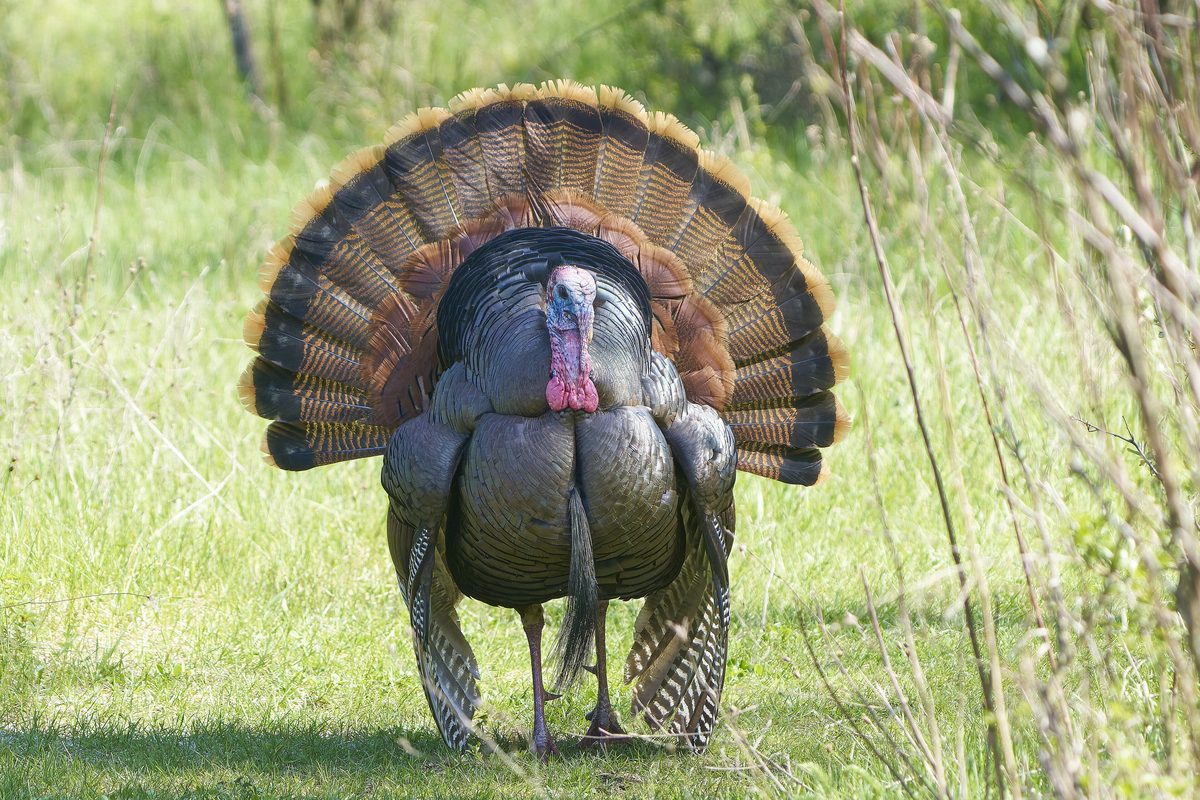
Small Game & Birds
Turkey, pheasant, grouse, quail, ducks, geese, rabbits, squirrels and predators.
Turkey Hunting
Calling, shotguns, bows, camo, blinds, scouting, and spring vs fall.
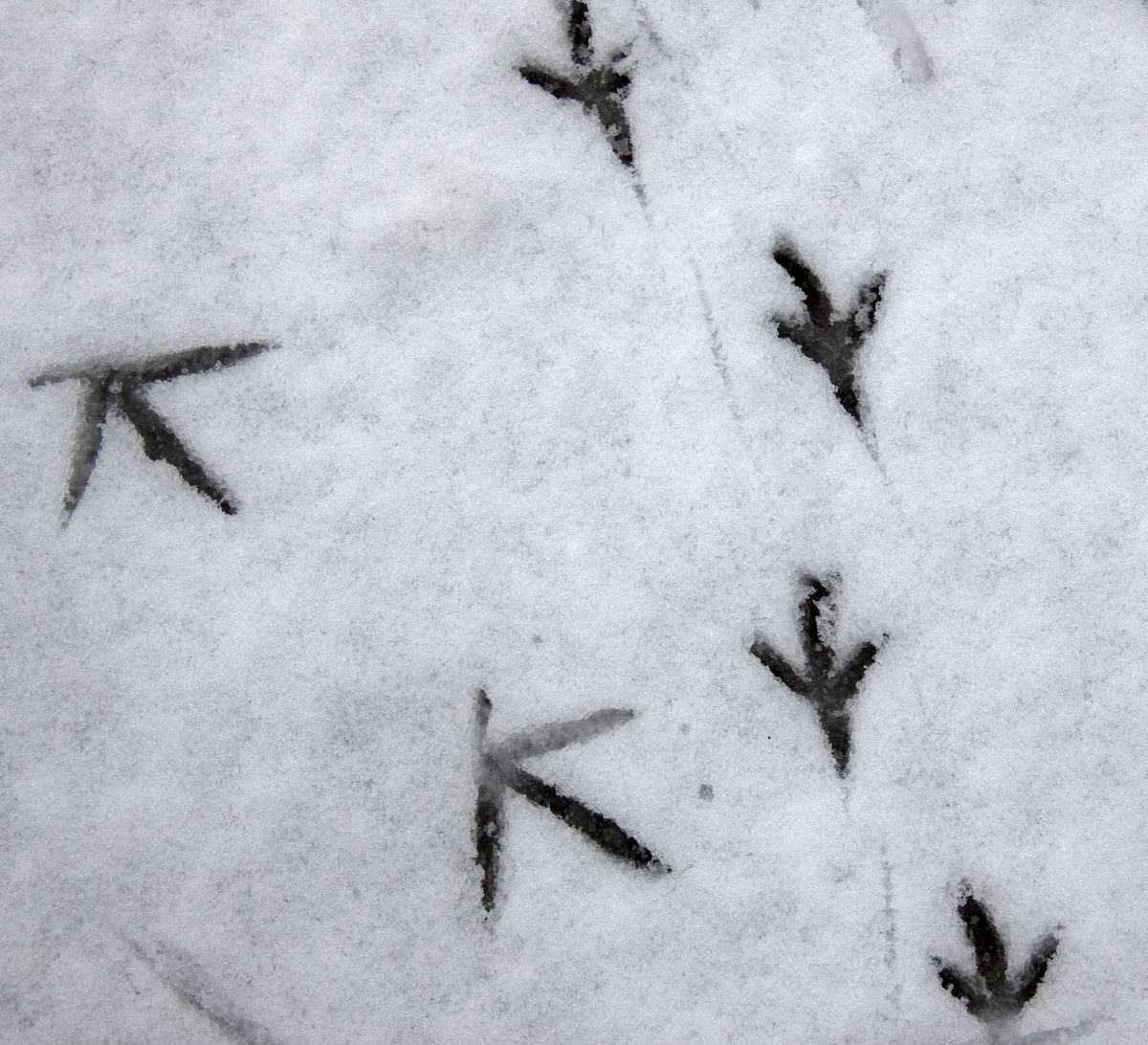
Species Finder
Search every species and filter by tracks, droppings and sign, harvest, or skinning.
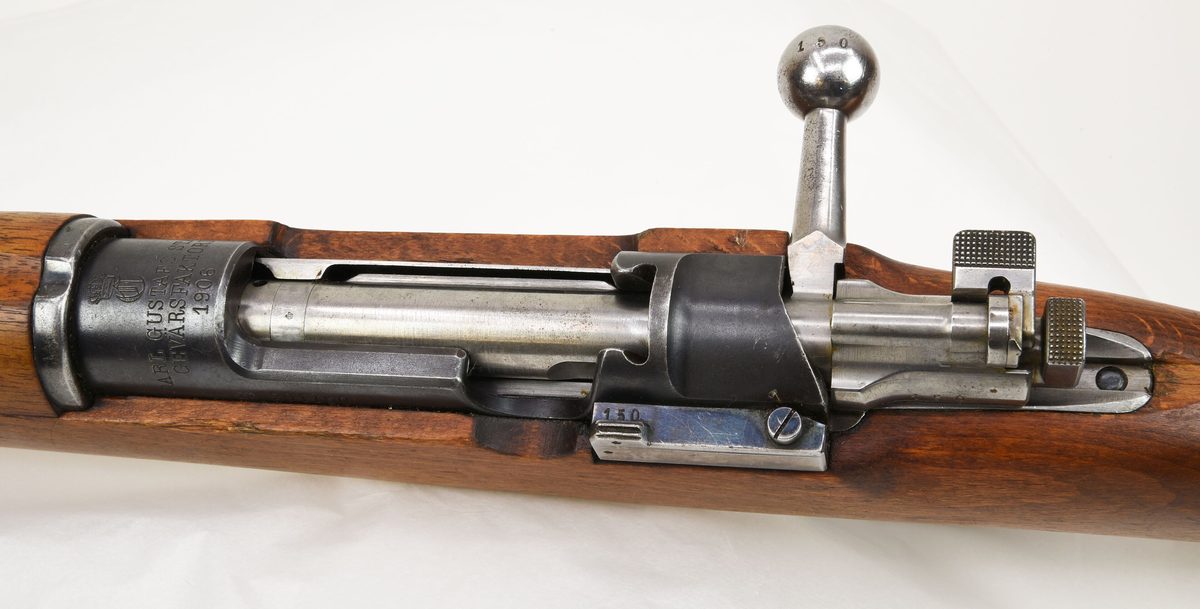
Rifle Hunting
Cartridges, zero, field positions, wind, and shot placement.
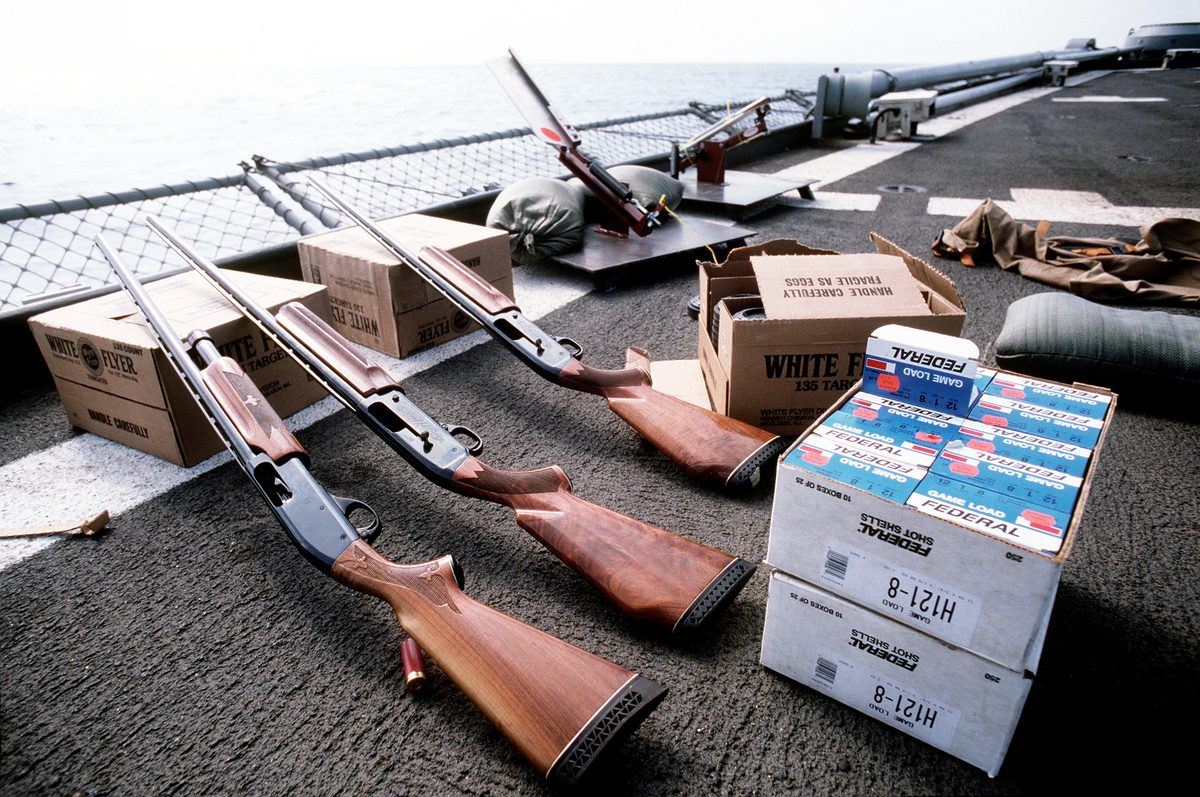
Shotgun Hunting
Gauges, chokes, shot size, and lead for birds and slug country.
Recurve & Traditional Bow
Instinctive shooting, draw weight, arrow spine, and close-range craft.
Traditional Archery Hub
Eleven recurve and longbow guides: form, aiming, spine, tuning, and building tackle.
Compound Bow Hunting
Draw length, sight and rest setup, broadhead tuning, and shot process.
Hunting Tips
Wind discipline, stand placement, blood trailing, and meat care.
Keep going
Related reading
Deer Hunting by State
All 50 states ranked, with seasons, tags and laws.
Read →Deer Season Calendar
Every state's season dates, tag costs and public land, side by side.
Read →Big Game Hunting
Whitetail, mule deer, elk, moose and bear profiles.
Read →Rifle Hunting
Cartridges, zero, positions and shot placement.
Read →Bowhunting
Setups, arrows, broadheads and treestand craft.
Read →Venison Recipes
Camp and home recipes for the deer you bring back.
Read →Top 10 lists
Best in category: hunting gear
Ranked picks with real product photos, specs, and editor notes — the buying side of everything covered in these guides.
Best Hunting Rifles
Bolt guns from budget workhorses to mountain rifles.
See the ranking →Best Upland Shotguns
Over-unders and light autos built to carry all day.
See the ranking →Best Waterfowl Shotguns
3.5-inch guns that keep cycling through mud and ice.
See the ranking →Best Deer Hunting Shotguns
Rifled slug guns for shotgun-only whitetail country.
See the ranking →Best Compound Bows
Forgiving, quiet compounds that tune without a fight.
See the ranking →Best Recurve Bows
Hunting recurves that shoot quiet and hold up outside.
See the ranking →Also on The Wild10
Fishing Guides
Fish identification, the knots that hold, lure selection by conditions, and the habits that fill a stringer.
Open the fishing hub →