
Hunting · Deer by State · Ranked #44 of 50
Connecticut Deer Hunting
High suburban deer densities, a long archery season, and generous antlerless tags make Connecticut a strong pick for hunters focused on management over trophy size.
Connecticut's archery season opens in mid-September and runs into December in most zones, giving bowhunters one of the longest windows in the Northeast, while state land shotgun/rifle and muzzleloader seasons layer in through the fall on a lottery and zone basis.
The state is split into Deer Management Zones (DMZs), and Connecticut's deer densities are among the highest in the country in southwestern Fairfield County and along the coastal suburbs, where DEEP leans on liberal antlerless allowances to keep the herd in check near dense human population.
Public land in Connecticut is limited and heavily used, so DEEP runs lotteries for shotgun/rifle hunting on many state forests and wildlife management areas, while private-land access (with landowner permission) and municipal open space often produce better opportunity, especially for archery hunters willing to do the legwork.
- Wild10 rank
- #44 · Fair
- 2025-26 archery season
- Mid-September through December, varies by zone
- State land shotgun/rifle
- Fall dates by lottery and Deer Management Zone
- Nonresident license
- Nonresident hunting license plus deer permit/tags required
- Bag limit
- Varies by zone; antlerless tags liberal in high-density coastal/suburban zones
- Public land
- State forests and wildlife management areas, largely lottery-based for firearms
- Rut peak
- Early-to-mid November
01
Connecticut deer hunting by the numbers
Where Connecticut sits nationally, and the figures behind our rank of #44 of 50.
| Statistic | Value |
|---|---|
| Deer Management Zones | Multiple DMZs statewide, each with its own antlerless permit allocation |
| Archery season length | Mid-September into December, longest of Connecticut's deer seasons |
| Deer density | Among the highest in the Northeast in Fairfield County and coastal suburbs |
| Public land access | State forest and WMA shotgun/rifle hunting largely allocated by lottery |
02
Connecticut deer seasons (2025-26)
Connecticut's deer seasons are built around weapon type and Deer Management Zone rather than one statewide calendar — always confirm exact dates and lottery deadlines in DEEP's current hunting and trapping guide before you hunt.
| Season | Weapon | Typical window | Notes |
|---|---|---|---|
| Archery (private land) | Bow / crossbow | Mid-September – late December, zone-dependent | Longest deer season in Connecticut; private land requires landowner permission. |
| Archery-only lottery (state land) | Bow / crossbow | Overlaps regular archery season on select state land | Requires a separate lottery permit for specific parcels. |
| State land shotgun/rifle (lottery) | Shotgun / rifle (zone-dependent) | Fall, dates vary by Deer Management Zone | Access to most state land shotgun hunting requires a drawn lottery permit. |
| Private land firearms | Shotgun / rifle (zone-dependent) | Fall, overlapping state land dates | No lottery required on private land with landowner permission, subject to zone rules. |
| Muzzleloader | Muzzleloader | Following firearms season into December | Dates and zones vary; check current DEEP season summary. |
03
Connecticut deer tags & licenses
Deer tags and bag limits are managed by Deer Management Zone, with more liberal antlerless allowances in high-density coastal and suburban zones and tighter limits in less-dense inland zones.
State land firearms hunting (shotgun/rifle) is largely allocated through an annual lottery for specific parcels, while archery and private-land hunting generally don't require a separate draw beyond a permit.
Hunters can typically take multiple deer per season depending on zone and permit type, making Connecticut attractive for hunters focused on filling the freezer rather than chasing a single trophy buck.
Nonresidents can hunt Connecticut's archery, shotgun/rifle, and muzzleloader deer seasons with the appropriate nonresident hunting license and zone-based deer permits, though state land firearms access may be limited by lottery draw odds.
State land shotgun/rifle hunting permits are allocated through an annual lottery tied to specific state forests and wildlife management areas, applied for in the summer before the season.
04
What Connecticut deer licenses cost
| License / tag | Price |
|---|---|
| Resident hunting license | approx. $28-$40 depending on license type |
| Nonresident hunting license | approx. $115-$165 depending on license type |
| Deer permits/tags | Additional zone-based deer permits required beyond the base license |
05
Connecticut deer hunting laws you must know
The rules that catch hunters out most often. Not a substitute for the regulations book.
| Topic | Rule |
|---|---|
| Blaze orange | Hunter orange requirements apply during firearms seasons on many public lands; check current DEEP rules by zone and land type. |
| Baiting | Baiting deer is illegal in Connecticut. |
| Crossbows | Legal for all hunters during archery season, following state permit requirements. |
| Sunday hunting | Sunday hunting is allowed on private land under recent regulation changes, with some restrictions still applying to certain public lands. |
| Legal firearms | Shotguns, rifles (in approved zones), and muzzleloaders are legal in their respective seasons, with specific restrictions near populated suburban areas. |
| Tagging/reporting | All deer must be reported through DEEP's online harvest reporting system by the required deadline. |
| CWD | No CWD detected in Connecticut's wild deer herd as of the latest surveillance; carcass import restrictions apply from CWD-positive states. |
| Hunter education | Required for all first-time hunters regardless of age before a license can be purchased. |
06
What to expect hunting deer in Connecticut
Connecticut is a state of contrasts for deer hunters: dense, wooded suburban edges in Fairfield County and along the coast hold extremely high deer numbers but also heavy human development, tight parcels, and posted land, while inland and northern forested areas offer more traditional big-woods-style hunting with more contiguous cover.
Because of the state's small size and dense population, hunting here often means working small woodlots, greenways, and land trust parcels rather than sprawling public tracts — landowner relationships and local scouting matter enormously.
State land shotgun/rifle hunting is competitive due to the lottery system, so many serious Connecticut hunters focus energy on securing private-land permission or hunting archery-only zones where pressure is lower.
The rut typically peaks in early-to-mid November, and given high deer densities in many zones, daylight movement and sightings tend to be more consistent than in lower-density states.
07
Connecticut deer hunting tips
Field-tested advice specific to this state's deer, terrain and pressure.
- 1Apply early for state land shotgun/rifle lottery permits — popular parcels near population centers can be competitive.
- 2Focus on securing private-land permission in Fairfield County and coastal suburbs if you want to hunt Connecticut's highest deer densities.
- 3Archery hunters benefit most from Connecticut's long season — it opens well before firearms and runs later into December in many zones.
- 4Check your specific Deer Management Zone's antlerless allowances before the season — they vary significantly and some zones are far more liberal than others.
- 5Land trusts and municipal open space parcels can be productive but often require separate permission or permits — don't assume state forest rules apply.
- 6Baiting is illegal statewide, so plan stand and blind locations around natural food sources and travel corridors instead.
- 7Early-to-mid November is the best window for rut activity, overlapping well with lottery firearms season in many zones.
- 8Report your harvest promptly through DEEP's online system to stay compliant with reporting deadlines.
Why Connecticut ranks #44 for deer hunting
Connecticut carries some of the highest deer densities in the Northeast, especially in suburban Fairfield County and along the coast, which makes for reliable sightings and strong doe-management opportunity, but the state's small size, heavy development, and limited contiguous public land cap its trophy potential and overall hunter capacity compared to bigger, wilder states. A layered weapon-and-zone permit system (archery, shotgun, muzzleloader) and generous private-land antlerless allowances make it a solid choice for meat hunters and suburban deer management, though it stays outside the national top tier.
Tier: Fair · Species: White-tailed deer
Where to hunt deer in Connecticut
Connecticut's public deer hunting access centers on state forests and wildlife management areas, many requiring a lottery permit for firearms hunting, alongside land trust and municipal open space that may allow archery with permission.
Pachaug State Forest
State forest · Eastern Connecticut
Connecticut's largest state forest at over 27,000 acres, offering some of the best contiguous public hunting ground in the state.
Natchaug State Forest
State forest · Northeastern Connecticut
Large block of mixed hardwood forest in the Quiet Corner with solid deer numbers and public archery and lottery firearms access.
Nassahegan State Forest
State forest · Central Connecticut
Sizeable forest block near Farmington offering archery and permit-based firearms hunting close to the Hartford metro area.
Cockaponset State Forest
State forest · South-central Connecticut
Second-largest state forest in Connecticut, with varied terrain and solid deer density near the lower Connecticut River valley.
Housatonic State Forest
State forest · Northwestern Connecticut
Rugged, hilly terrain in the Litchfield Hills with lower pressure than suburban zones and a more traditional big-woods feel.
Gear for Connecticut deer season
Connecticut's small-woodlot, suburban-edge hunting rewards quiet, precise archery gear and portable treestands, while lottery firearms hunters need reliable shotguns or rifles suited to shorter-range shots in mixed terrain.
- Best Compound Bows
Forgiving, quiet compounds that tune without a fight.
- Best Hunting Rifles
Bolt guns from budget workhorses to mountain rifles.
- Best Hunting Boots
Early-season to mountain boots ranked on fit and support.
- Best Merino Base Layers
Next-to-skin wool for cold sits and long stalks.
- Best Hunting Jackets
Insulated and shell layers ranked by warmth-to-noise.
- Best Fixed-Blade Knives
Blades that field dress, cape, and quarter without failing.
Watch: deer hunting in Connecticut
Real hunts and how-tos filmed in Connecticut, embedded from the creators' own channels with our notes on what to take from each.
Why watch: Late-season Connecticut muzzleloader hunt showing typical small-woodlot cover found across the state.
Why watch: New England hunters travel to Connecticut for an archery hunt, showing the state's fragmented forest terrain.
Why watch: Self-filmed Connecticut archery hunt for a mature buck, illustrating still-hunting tactics on small parcels.
Why watch: Quick early-season Connecticut archery sit that pays off, showing how productive the state's long bow season can be.
Official Connecticut deer hunting resources
- Connecticut Department of Energy and Environmental Protection (DEEP) (home)
- Current deer regulations
- Buy licenses & tags
- 2025 CT Hunting and Trapping Season Summary (PDF)
- 2026 Connecticut Hunting and Trapping Guide (PDF)
- CT DEEP — Hunting and Trapping Information
Last reviewed 2026-09. Found something out of date? Tell us in the community.
More state deer hunting guides
#10 of 50 · Excellent
#28 of 50 · Good
#29 of 50 · Good
#31 of 50 · Good
50 states covered. See the full ranking →
Questions
Frequently asked
- Can nonresidents hunt deer in Connecticut?
- Yes. Nonresidents can purchase a nonresident hunting license plus the appropriate zone-based deer permits and hunt archery, shotgun/rifle, and muzzleloader seasons, though state land firearms access may require a lottery draw.
- Is baiting legal in Connecticut?
- No, baiting deer is illegal statewide in Connecticut. Hunters should instead focus stand and blind placement on natural food sources, mast crops, and travel corridors between bedding and feeding areas.
- When is the rut in Connecticut?
- Peak breeding activity typically occurs in early-to-mid November.
- Are crossbows legal in Connecticut?
- Yes, crossbows are legal for hunters during the archery season under state permit requirements.
- How does deer zone permitting work in Connecticut?
- The state is divided into Deer Management Zones (DMZs), each with its own antlerless permit allocation and bag limits; densely populated coastal and suburban zones tend to have the most liberal antlerless tags.
- Does Connecticut have CWD?
- No, chronic wasting disease has not been detected in Connecticut's wild deer herd as of the latest surveillance, though carcass import restrictions apply from CWD-positive states.
- Is Sunday hunting allowed in Connecticut?
- Sunday hunting is allowed on private land under recent regulation changes, though some restrictions can still apply to certain public lands — confirm current rules before hunting.
- Where is public deer hunting land in Connecticut?
- State forests such as Pachaug, Natchaug, Nassahegan, Cockaponset, and Housatonic offer the largest blocks of public hunting land, though firearms access on many parcels requires a lottery permit.
Every hunting guide
Hunting Hub
Where every hunting guide on The Wild10 starts.
Types of Game
Big game, small game, upland birds, and waterfowl — habitat and season.
Big Game
Deer, elk, moose, bear, hog and sheep — where to hunt, tags, and what to expect.
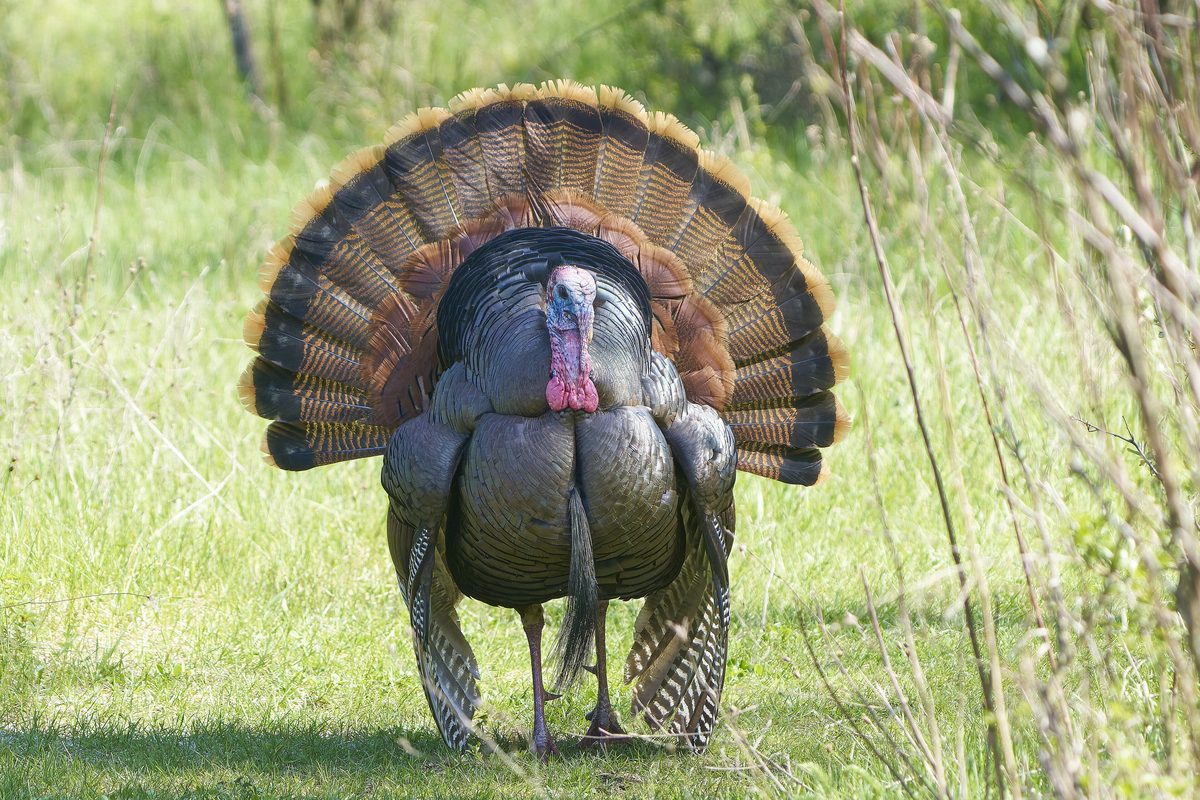
Small Game & Birds
Turkey, pheasant, grouse, quail, ducks, geese, rabbits, squirrels and predators.
Turkey Hunting
Calling, shotguns, bows, camo, blinds, scouting, and spring vs fall.
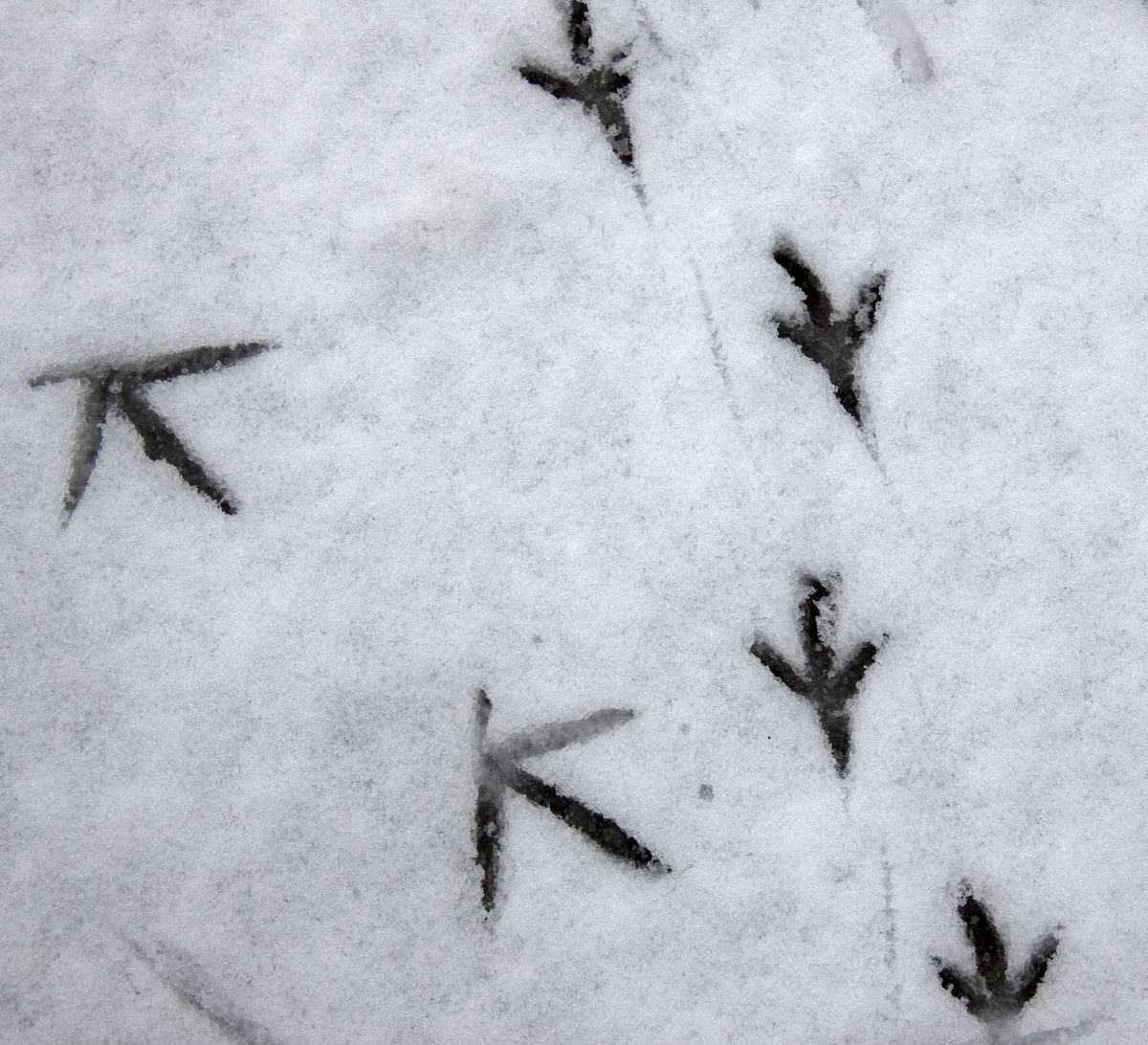
Species Finder
Search every species and filter by tracks, droppings and sign, harvest, or skinning.
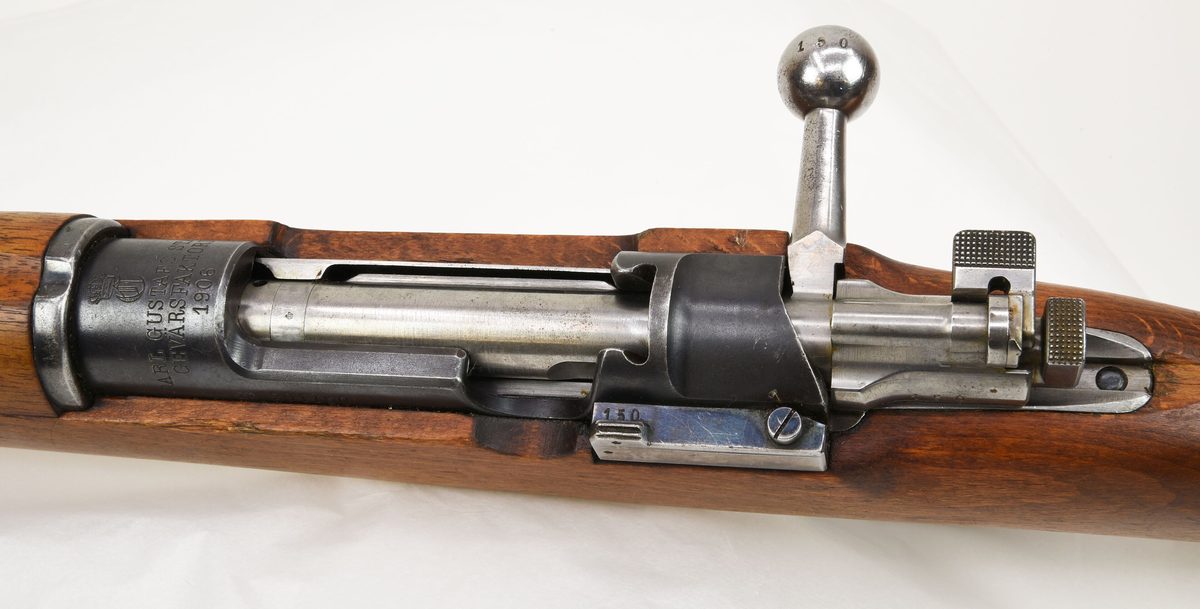
Rifle Hunting
Cartridges, zero, field positions, wind, and shot placement.
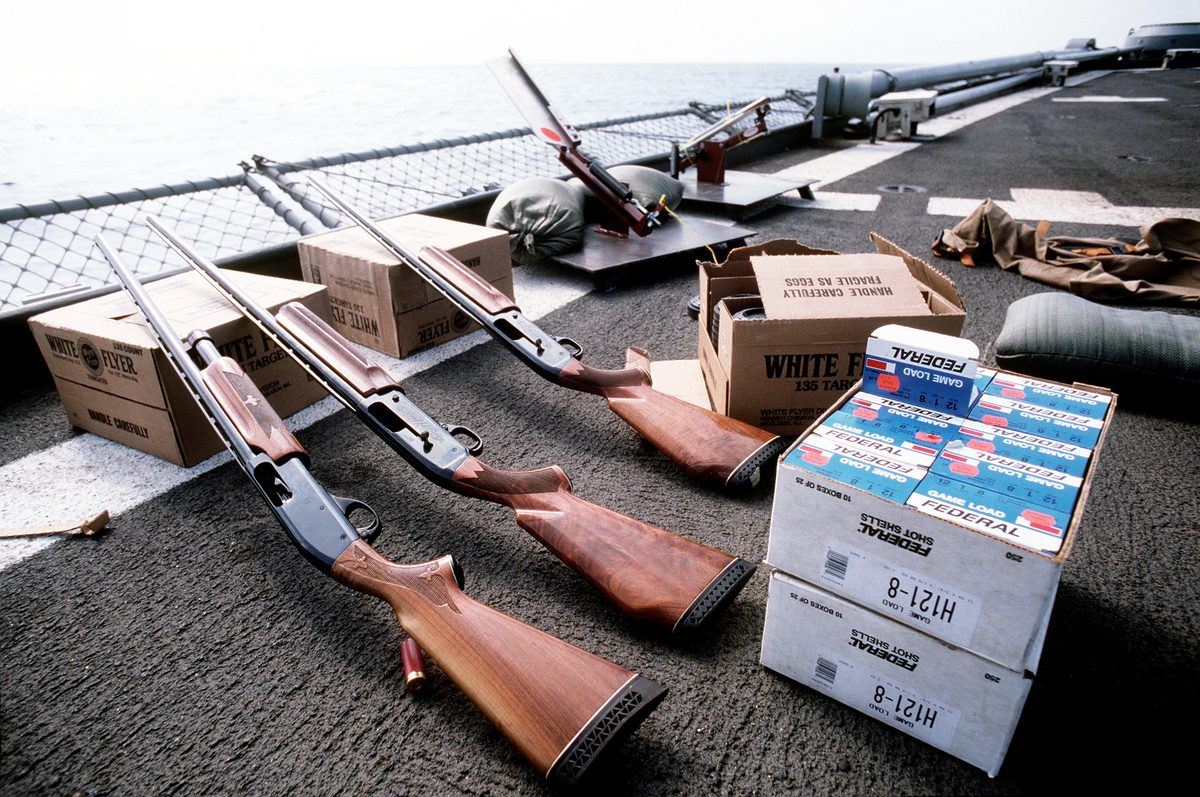
Shotgun Hunting
Gauges, chokes, shot size, and lead for birds and slug country.
Recurve & Traditional Bow
Instinctive shooting, draw weight, arrow spine, and close-range craft.
Traditional Archery Hub
Eleven recurve and longbow guides: form, aiming, spine, tuning, and building tackle.
Compound Bow Hunting
Draw length, sight and rest setup, broadhead tuning, and shot process.
Hunting Tips
Wind discipline, stand placement, blood trailing, and meat care.
Keep going
Related reading
Deer Hunting by State
All 50 states ranked, with seasons, tags and laws.
Read →Deer Season Calendar
Every state's season dates, tag costs and public land, side by side.
Read →Big Game Hunting
Whitetail, mule deer, elk, moose and bear profiles.
Read →Rifle Hunting
Cartridges, zero, positions and shot placement.
Read →Bowhunting
Setups, arrows, broadheads and treestand craft.
Read →Venison Recipes
Camp and home recipes for the deer you bring back.
Read →Top 10 lists
Best in category: hunting gear
Ranked picks with real product photos, specs, and editor notes — the buying side of everything covered in these guides.
Best Hunting Rifles
Bolt guns from budget workhorses to mountain rifles.
See the ranking →Best Upland Shotguns
Over-unders and light autos built to carry all day.
See the ranking →Best Waterfowl Shotguns
3.5-inch guns that keep cycling through mud and ice.
See the ranking →Best Deer Hunting Shotguns
Rifled slug guns for shotgun-only whitetail country.
See the ranking →Best Compound Bows
Forgiving, quiet compounds that tune without a fight.
See the ranking →Best Recurve Bows
Hunting recurves that shoot quiet and hold up outside.
See the ranking →Also on The Wild10
Fishing Guides
Fish identification, the knots that hold, lure selection by conditions, and the habits that fill a stringer.
Open the fishing hub →