Hunting · Deer by State · Ranked #12 of 50
Minnesota Deer Hunting
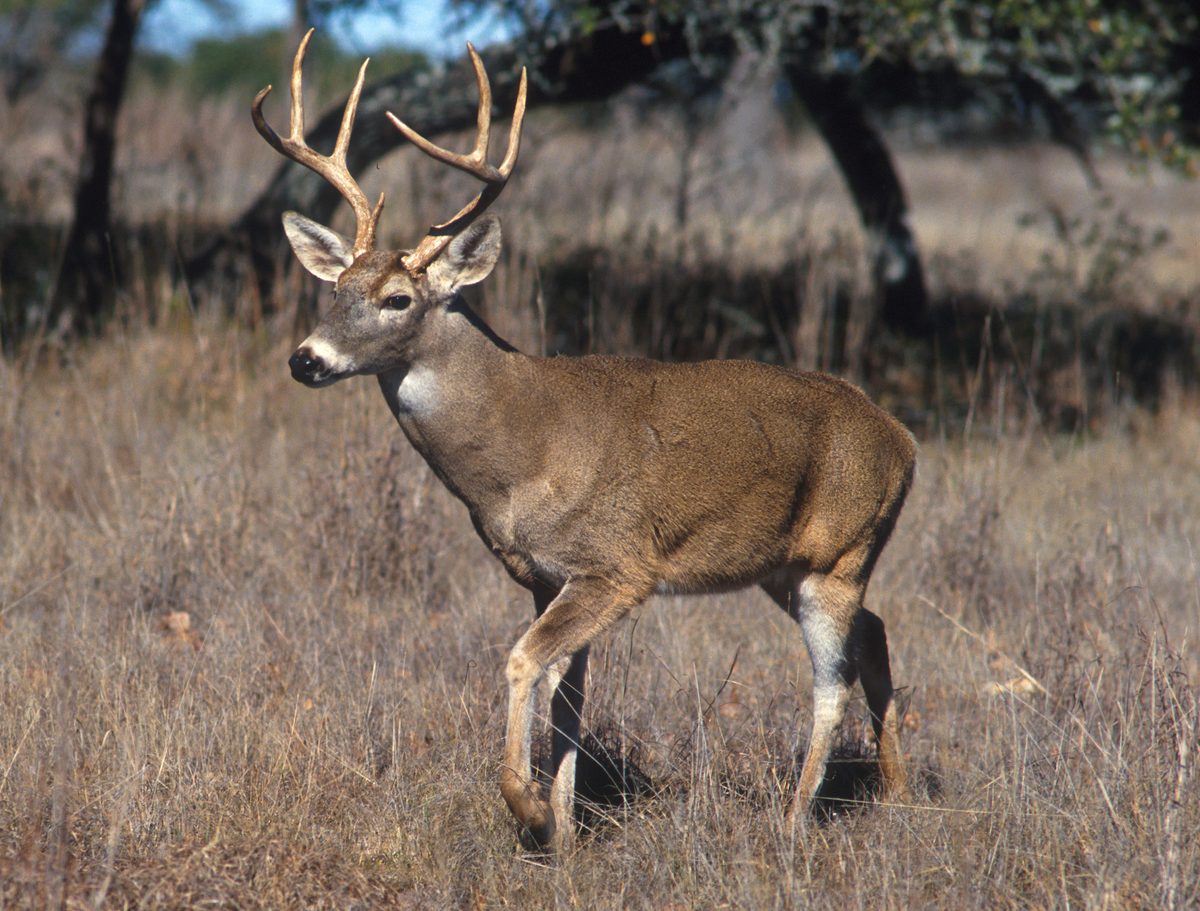
From southern farmland bucks to Boundary Waters wilderness hunts, Minnesota pairs a big harvest with 1.39 million acres of public WMA land.
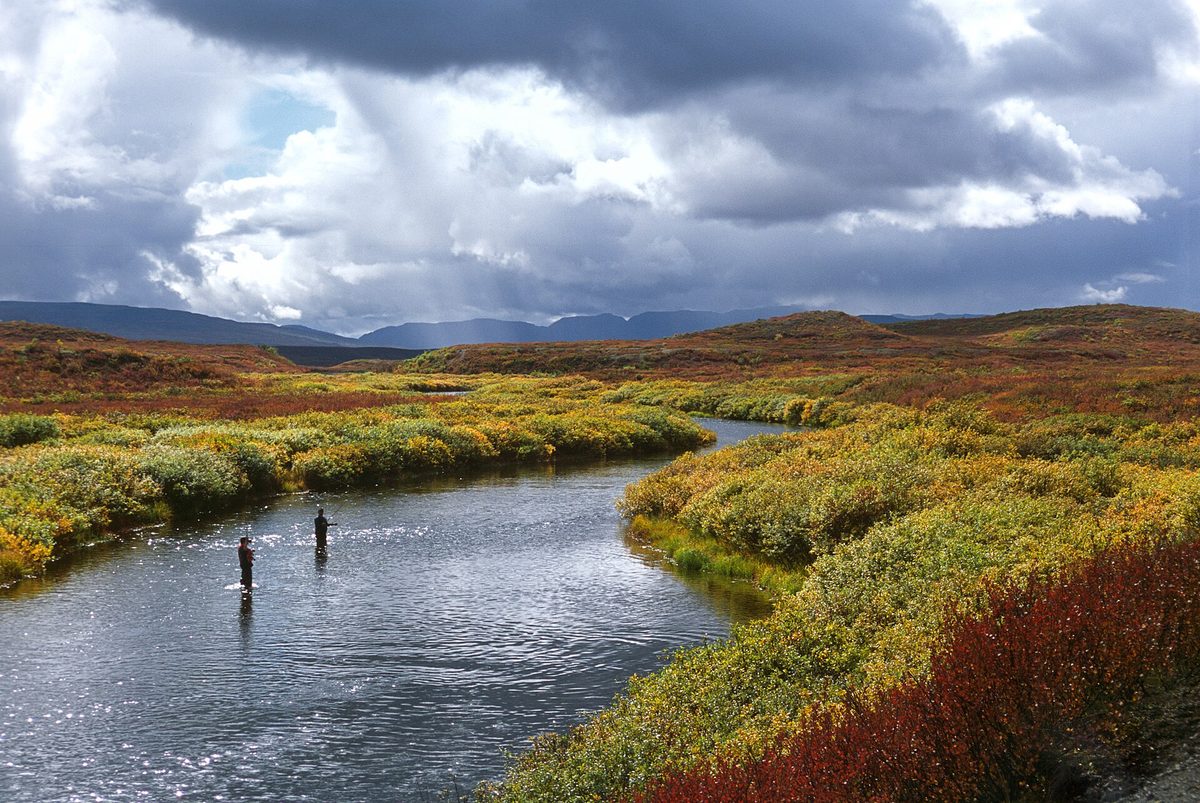
Minnesota is a true two-part deer state. The southern and central farmland zones hold high deer densities and some excellent buck genetics, while the north — the Arrowhead region and Superior National Forest — offers big-woods, low-density hunting that can include backcountry canoe-in hunts in the Boundary Waters Canoe Area Wilderness.
The 2024 season produced more than 170,000 deer, a 7% increase over 2023 thanks to mild winters, and archery season alone now runs from mid-September through the end of December in most permit areas, giving bowhunters an unusually long window.
Minnesota manages deer through numbered Deer Permit Areas (DPAs) with area-specific bag limits and antlerless permit availability, so tag strategy and quotas vary block by block — nonresidents need to pick their DPA carefully when they buy a license.
- Wild10 rank
- #12 · Excellent
- 2024 total harvest
- 170,000+ deer (up 7% from 2023)
- Archery season
- Sept. 13 – Dec. 31, 2025
- Public WMA land
- 1,521 WMAs / 1.39 million acres
- Nonresident deer license (firearms)
- approx. $215
- CWD status
- Management and surveillance zones active in parts of the state
- Licensing system
- Over-the-counter by Deer Permit Area; no general draw
01
Minnesota deer hunting by the numbers
Where Minnesota sits nationally, and the figures behind our rank of #12 of 50.
| Statistic | Value |
|---|---|
| 2024 statewide deer harvest | 170,000+ deer |
| Harvest change vs 2023 | +7% |
| Public WMA acreage | 1.39 million acres across 1,521 WMAs |
| 5-year harvest comparison | 2024 harvest ~3% below 5-year average |
02
Minnesota deer seasons (2025-26)
Minnesota's exact opening and closing dates and antlerless permit availability are set annually by Deer Permit Area — always check the current DNR deer hunting regulations for your DPA before you hunt.
| Season | Weapon | Typical window | Notes |
|---|---|---|---|
| Archery | Bow / crossbow | Mid-Sept – Dec. 31 | Longest season option; open statewide |
| Firearms (Zone A/B) | Rifle, shotgun, muzzleloader depending on county | Early-to-mid Nov, roughly 9-16 days depending on zone | Shotgun-only zone has been repealed; counties can still pass local firearm-type ordinances |
| Muzzleloader | Muzzleloader | Late Nov – early Dec | Runs after the regular firearms season closes |
| Youth/special hunts | Varies | Scattered early-season weekends | Special youth and mentored hunt weekends precede general season |
03
Minnesota deer tags & licenses
Minnesota deer hunting is managed through numbered Deer Permit Areas (DPAs), each with its own bag limit designation (bucks-only, managed, or intensive) and antlerless permit rules.
Most DPAs sell antlerless tags over the counter or as an add-on; a limited number of high-demand DPAs use a lottery for antlerless permits.
Hunters must declare their DPA when purchasing a license, and licenses are now sold through Minnesota's electronic licensing system.
Nonresidents can buy an over-the-counter deer license for most DPAs by declaring the area they intend to hunt; some high-demand DPAs require applying for a limited antlerless permit through the lottery.
A lottery applies only to antlerless permits in certain lottery DPAs; buck/either-sex licenses in most areas are sold over the counter until they sell out.
04
What Minnesota deer licenses cost
| License / tag | Price |
|---|---|
| Resident firearms/archery deer license | approx. $34 |
| Resident muzzleloader license | approx. $34 |
| Nonresident firearms deer license | approx. $215 |
| Nonresident archery deer license | approx. $186 |
| Walk-In Access (WIA) validation | approx. $3 |
05
Minnesota deer hunting laws you must know
The rules that catch hunters out most often. Not a substitute for the regulations book.
| Topic | Rule |
|---|---|
| Blaze orange | Hunters (with narrow exceptions for bow-only hunters in some situations) must wear blaze orange or blaze pink covering at least 50% of visible exterior clothing above the waist during firearms season. |
| Baiting/feeding | Hunting deer over bait is illegal statewide in Minnesota, and supplemental feeding is also restricted or banned in CWD management and surveillance zones. |
| Crossbow legality | Crossbows are legal for any hunter during the archery season and other deer seasons without a special permit. |
| Sunday hunting | Sunday deer hunting is allowed statewide in Minnesota. |
| Legal firearms | Rifles, shotguns, muzzleloaders, and handguns of legal caliber are permitted in most zones; some counties have passed local ordinances restricting firearm types (the statewide shotgun-only zone was repealed), so check county rules. |
| Tagging/harvest reporting | Harvested deer must be tagged immediately and registered through Minnesota's electronic big game registration system. |
| CWD carcass transport | Deer harvested in a CWD management or surveillance zone are subject to carcass movement restrictions and, in many cases, mandatory or strongly encouraged sampling before the carcass leaves the zone. |
| Hunter education | Anyone born after Dec. 31, 1979 must complete a firearms safety/hunter education course to buy a Minnesota hunting license. |
06
What to expect hunting deer in Minnesota
The landscape splits sharply: southern and western Minnesota are row-crop farmland with high deer densities and good genetics, central Minnesota mixes woodlots and agriculture, and the north is vast boreal big-woods and wetland country including the Superior National Forest and Boundary Waters wilderness.
Hunting pressure is heaviest on accessible WMAs near population centers during the firearms opener; the deep Arrowhead backcountry and canoe-access areas see dramatically less pressure but also lower deer density.
The rut in Minnesota typically peaks in early-to-mid November, aligning well with the state's firearms season timing in most zones.
Weather is a major factor — firearms season falls in cold, often snowy conditions that push deer to food and cover, while archery season in September and October can still be warm; northern Minnesota winters and lower deer densities mean smaller average body size up north compared to the richer farmland south.
07
Minnesota deer hunting tips
Field-tested advice specific to this state's deer, terrain and pressure.
- 1Pick your Deer Permit Area carefully before buying a license — bag limits and antlerless tag availability vary block by block across the state.
- 2If you want low pressure and are willing to work for it, look at canoe- or boat-access-only public land in the Superior National Forest and Boundary Waters.
- 3Farmland-zone hunters should focus scouting on standing corn and soybean edges; those crops dictate deer movement more than terrain in the south.
- 4Layer for real cold during the firearms season — November temperatures in Minnesota regularly drop into the 20s and 30s (°F), especially up north.
- 5Check current CWD zone maps before you hunt; sampling requirements and carcass movement rules change which DPAs they apply to each year.
- 6Take advantage of Walk-In Access sites in farm country for pressure-free private-land-quality hunting without needing landowner permission.
- 7Archery season's long window (mid-September to Dec. 31) lets you target both early-season pattern hunting and the November rut with a bow.
- 8Register your harvest immediately through Minnesota's electronic system — enforcement checks compliance regularly during firearms season.
Why Minnesota ranks #12 for deer hunting
Minnesota posts a large, stable harvest (more than 170,000 deer in 2024, up 7% from 2023) across a huge and varied landscape — from farmland in the south to the Superior National Forest and Boundary Waters wilderness in the north. Over 1,500 Wildlife Management Areas covering 1.39 million acres, plus a Walk-In Access program on private land, give hunters real public-land options, and an over-the-counter licensing system (no draw for most deer permit areas) keeps access simple for nonresidents.
Tier: Excellent · Species: White-tailed deer
Where to hunt deer in Minnesota
Minnesota's public deer hunting is anchored by a huge WMA system plus national forest land and a unique Walk-In Access program on private ground.
Superior National Forest
National forest · Northeast Minnesota
Roughly three million acres of boreal forest including canoe-access hunting in the Boundary Waters Canoe Area Wilderness for low-pressure, backcountry whitetails.
Chippewa National Forest
National forest · North-central Minnesota
Mixed forest and lakes country with public hunting access across roughly 660,000 acres of federal land.
Walk-In Access (WIA) Program
Walk-in access · Statewide, concentrated in farmland regions
Enrolled private land open to hunters with a WIA validation, no landowner contact required, Sept. 1 – May 31.
Official pageWildlife Management Areas (statewide)
WMA · Statewide
1,521 WMAs covering 1.39 million acres of field, forest, and wetland open to public hunting.
Official pageWhitewater WMA
WMA · Southeast Minnesota
Bluff-country hardwood terrain in the Driftless Area, known for good deer numbers and mature bucks on public ground.
Mille Lacs WMA
WMA · Central Minnesota
Large central-Minnesota tract mixing agriculture edges and forest, popular with both archery and firearms hunters.
Gear for Minnesota deer season
Minnesota demands genuine cold-weather gear for the November firearms opener and rugged boots for big-woods or wilderness access hunts up north, alongside solid whitetail optics for farmland glassing.
- Best Hunting Rifles
Bolt guns from budget workhorses to mountain rifles.
- Best Compound Bows
Forgiving, quiet compounds that tune without a fight.
- Best Insulated Hunting Boots
Mid- to late-season boots for stand sits in the cold.
- Best Merino Base Layers
Next-to-skin wool for cold sits and long stalks.
- Best Hunting Jackets
Insulated and shell layers ranked by warmth-to-noise.
Watch: deer hunting in Minnesota
Real hunts and how-tos filmed in Minnesota, embedded from the creators' own channels with our notes on what to take from each.
Why watch: Big-woods public land scouting tactics directly relevant to Minnesota's northern forest hunting.
Why watch: Shows boat-access tactics useful for Minnesota's lake- and river-heavy public hunting areas.
Why watch: Quick explainer on Minnesota's county-by-county firearm-type rules for deer season.
Why watch: A season recap scouting and hunting public-land bigwoods bucks in northern Minnesota.
Why watch: Early archery-season hunt filmed on Minnesota ground, showing typical farmland-edge tactics.
Official Minnesota deer hunting resources
- Minnesota Department of Natural Resources (home)
- Current deer regulations
- Buy licenses & tags
- MN DNR 2024 Deer Harvest Report
- MN DNR Walk-In Access Program
- MN DNR Wildlife Management Areas
- MN DNR Chronic Wasting Disease
- MN DNR Hunting and Trapping Regulations
Last reviewed 2026-09. Found something out of date? Tell us in the community.
More state deer hunting guides
#1 of 50 · Elite
#3 of 50 · Elite
#5 of 50 · Elite
#6 of 50 · Elite
50 states covered. See the full ranking →
Questions
Frequently asked
- Can nonresidents hunt deer in Minnesota?
- Yes. Nonresidents buy an over-the-counter license for most Deer Permit Areas by declaring where they'll hunt; a few high-demand DPAs require an antlerless-permit lottery.
- Is baiting legal in Minnesota?
- No, hunting deer over bait is illegal statewide, and supplemental feeding is further restricted in CWD zones.
- When is the rut in Minnesota?
- The rut typically peaks in early-to-mid November, which lines up closely with the state's firearms deer season in most zones.
- Are crossbows legal in Minnesota?
- Yes, crossbows are legal for any hunter during archery season and throughout the deer seasons with no special permit needed.
- Does Minnesota require blaze orange?
- Yes, hunters must wear blaze orange or blaze pink covering at least half of their visible exterior clothing above the waist during firearms season, with limited exceptions.
- Does Minnesota have chronic wasting disease?
- Yes, CWD management and surveillance zones are active in parts of the state, with mandatory or recommended testing and carcass movement restrictions for deer taken there.
- Is Sunday deer hunting allowed in Minnesota?
- Yes, Sunday hunting for deer is allowed statewide in Minnesota, unlike some neighboring states that restrict it. Hunters still need to follow the same season dates, bag limits, and blaze orange rules that apply on any other day.
Every hunting guide
Hunting Hub
Where every hunting guide on The Wild10 starts.
Types of Game
Big game, small game, upland birds, and waterfowl — habitat and season.
Big Game
Deer, elk, moose, bear, hog and sheep — where to hunt, tags, and what to expect.
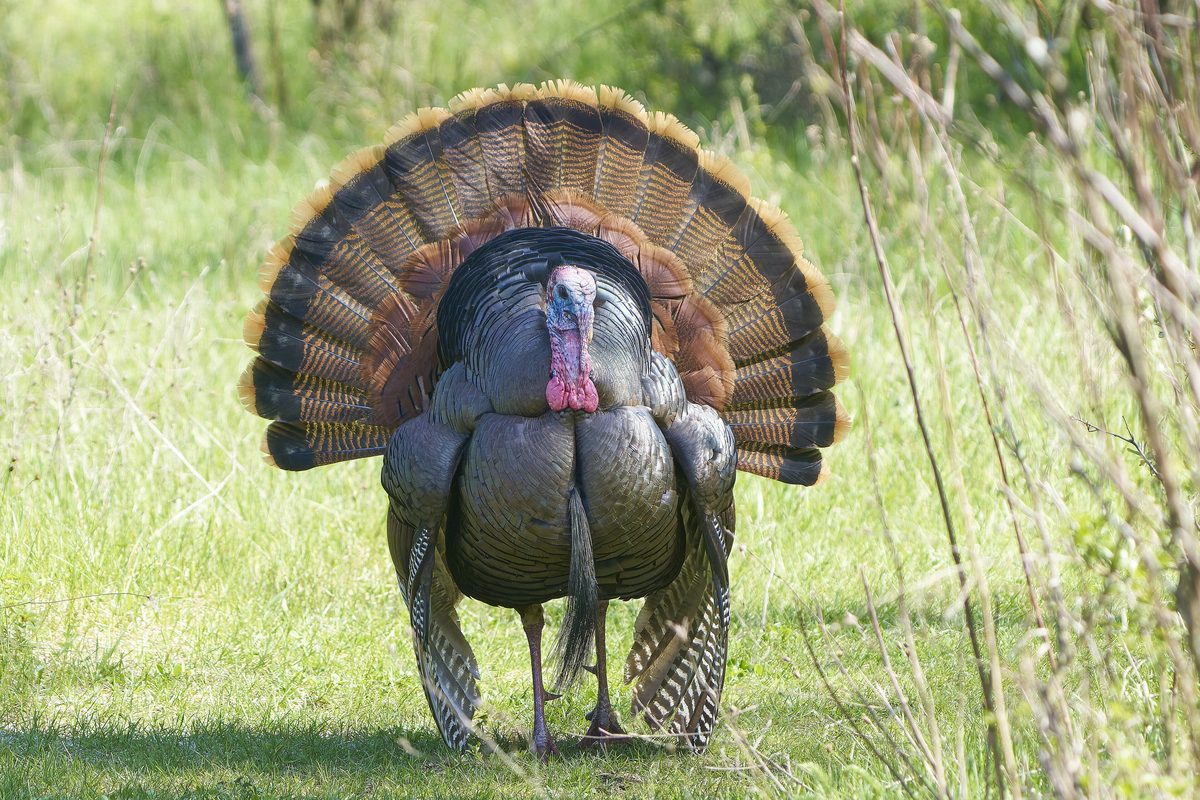
Small Game & Birds
Turkey, pheasant, grouse, quail, ducks, geese, rabbits, squirrels and predators.
Turkey Hunting
Calling, shotguns, bows, camo, blinds, scouting, and spring vs fall.
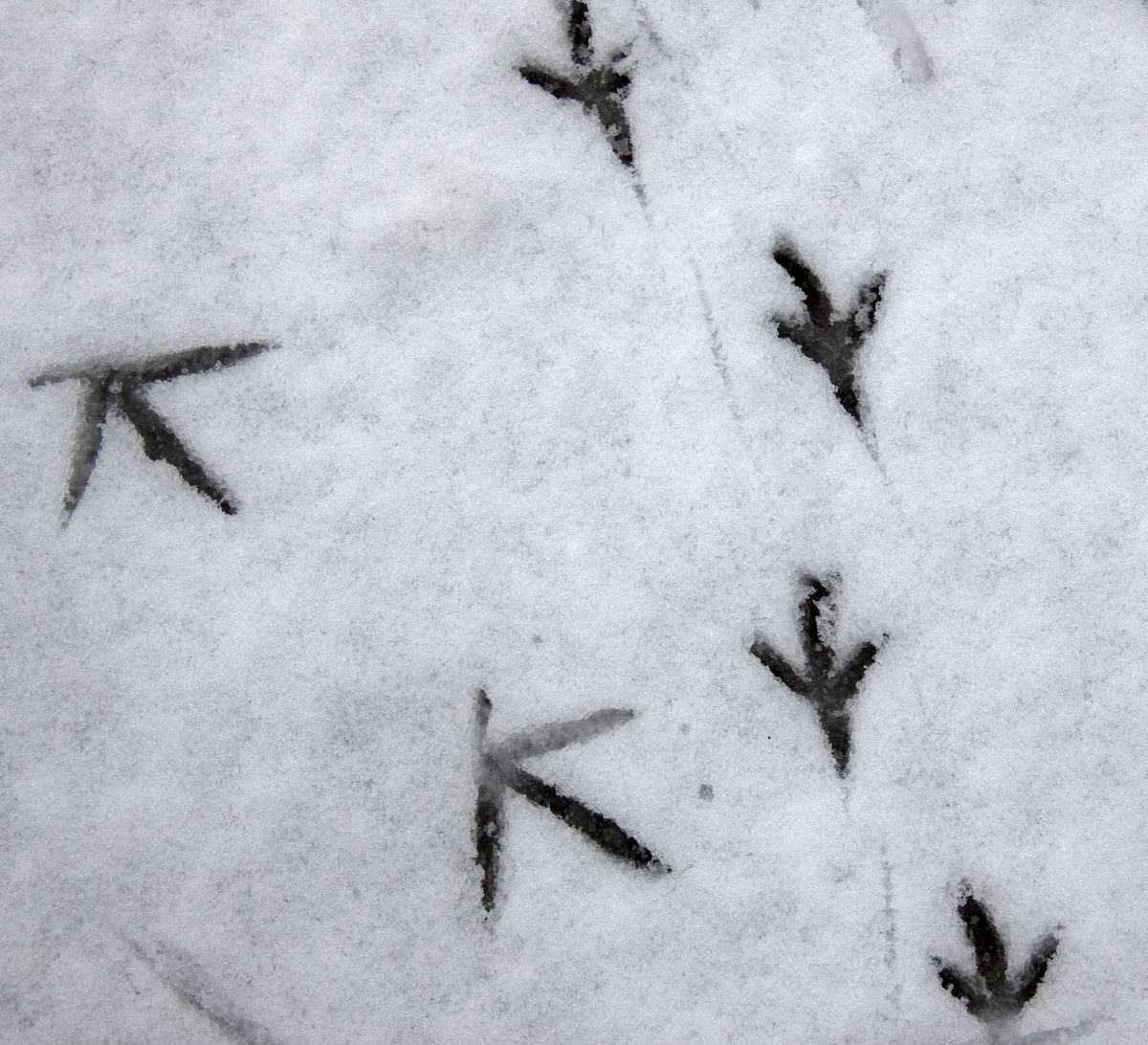
Species Finder
Search every species and filter by tracks, droppings and sign, harvest, or skinning.
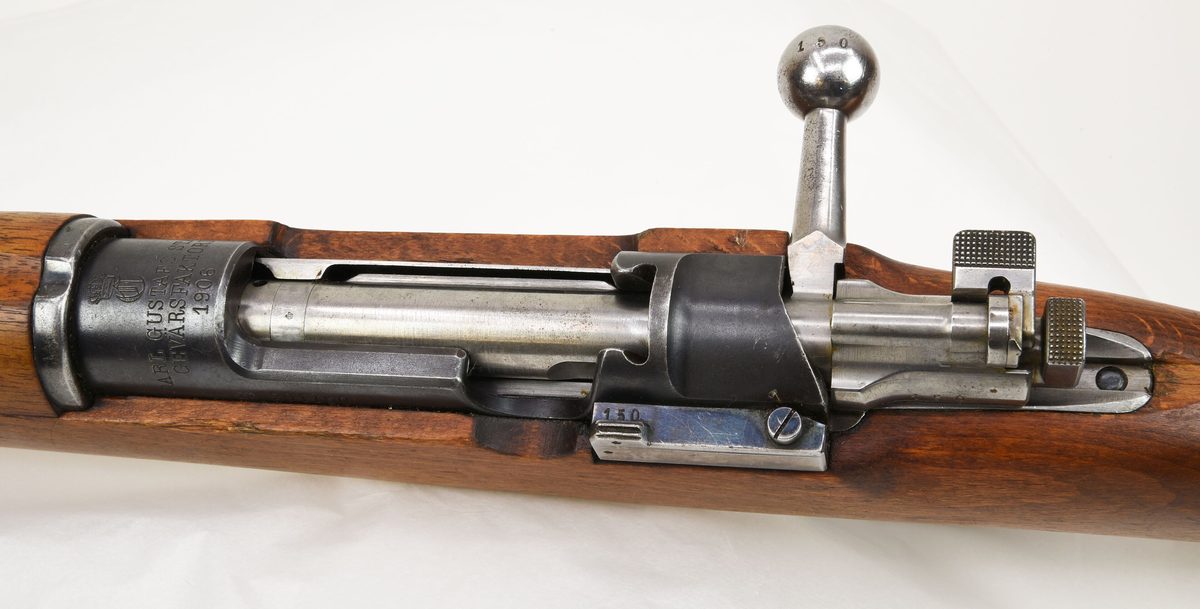
Rifle Hunting
Cartridges, zero, field positions, wind, and shot placement.
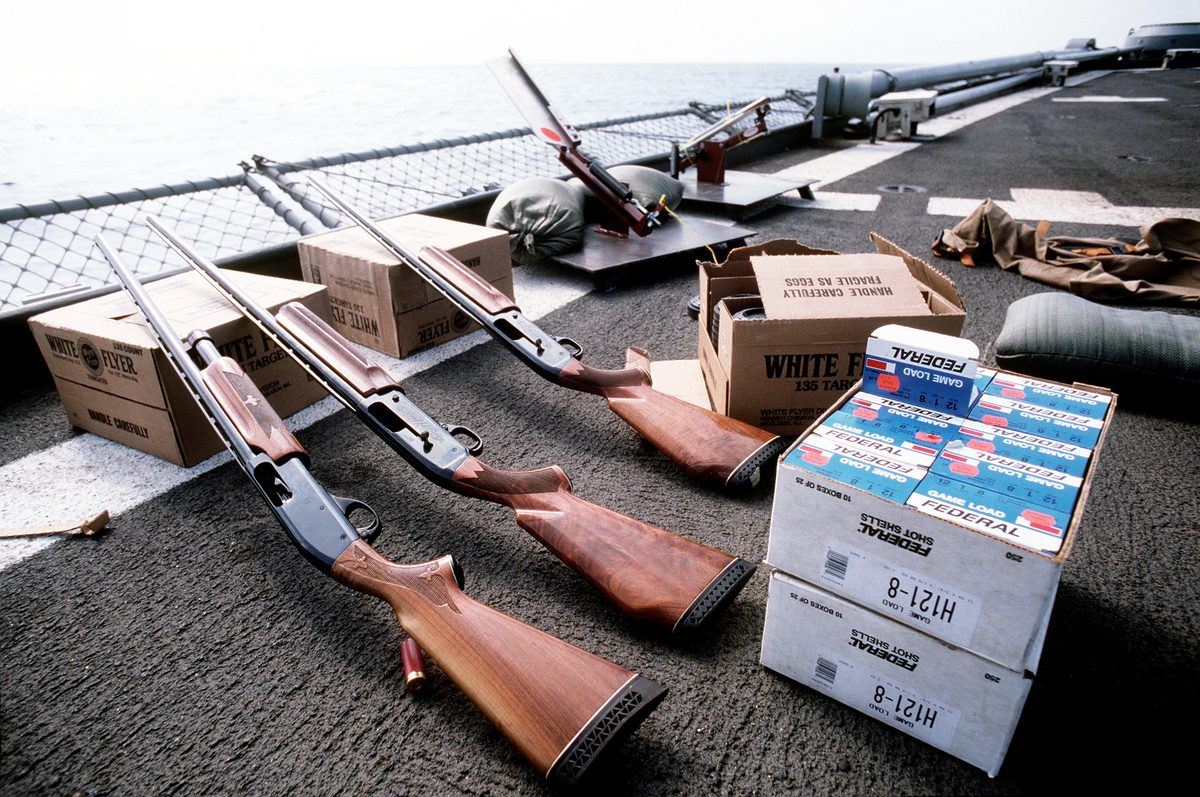
Shotgun Hunting
Gauges, chokes, shot size, and lead for birds and slug country.
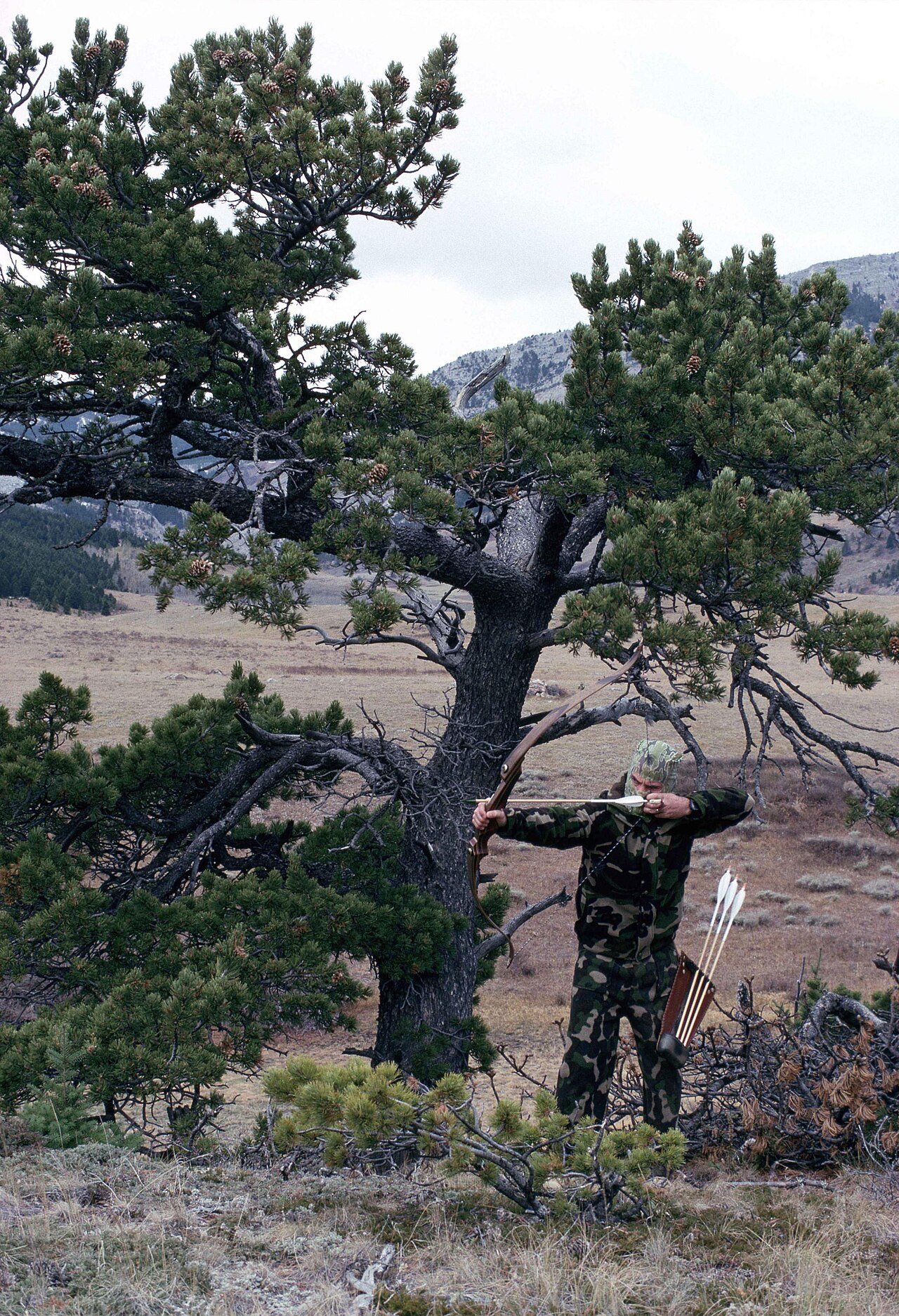
Recurve & Traditional Bow
Instinctive shooting, draw weight, arrow spine, and close-range craft.
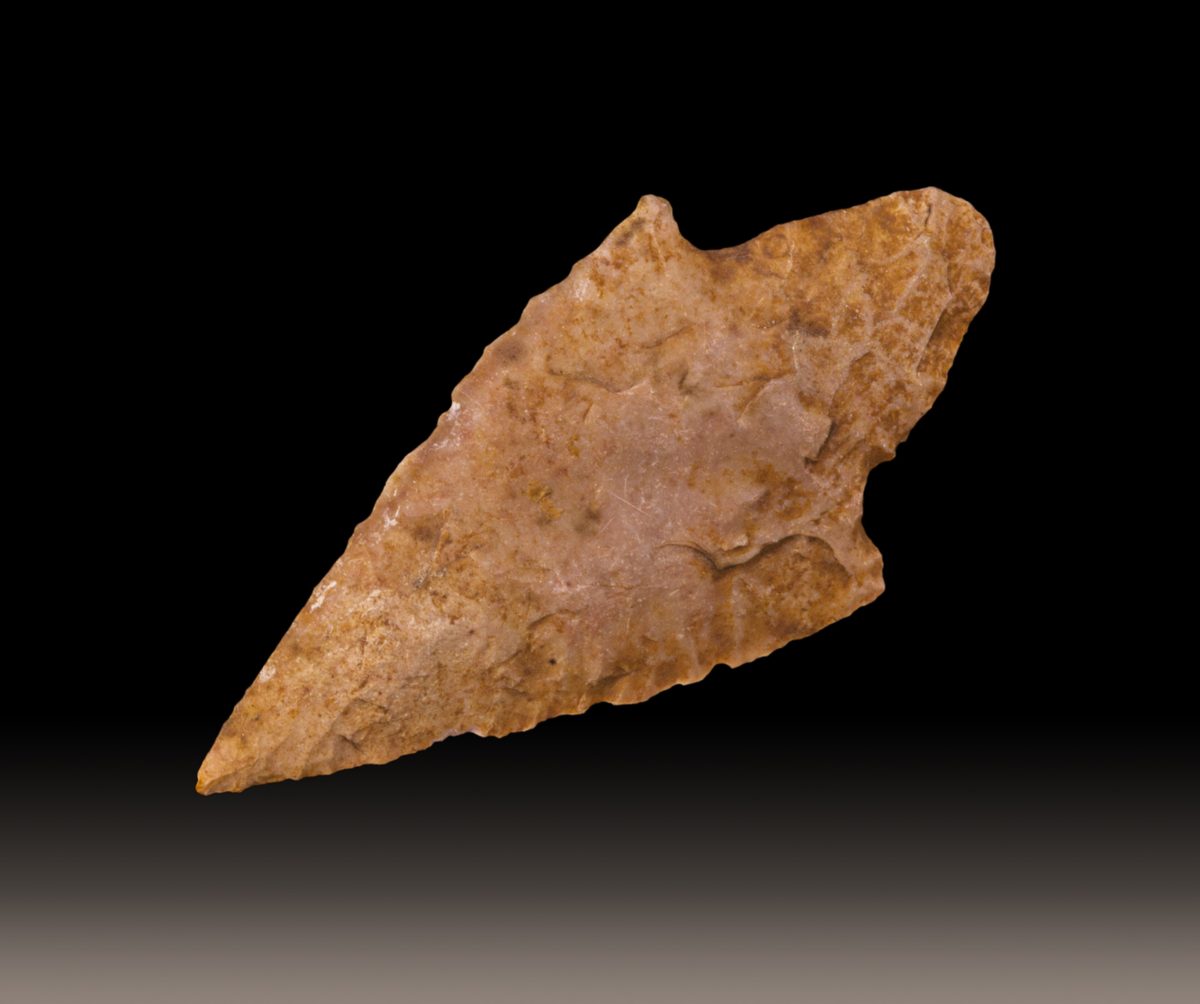
Traditional Archery Hub
Eleven recurve and longbow guides: form, aiming, spine, tuning, and building tackle.
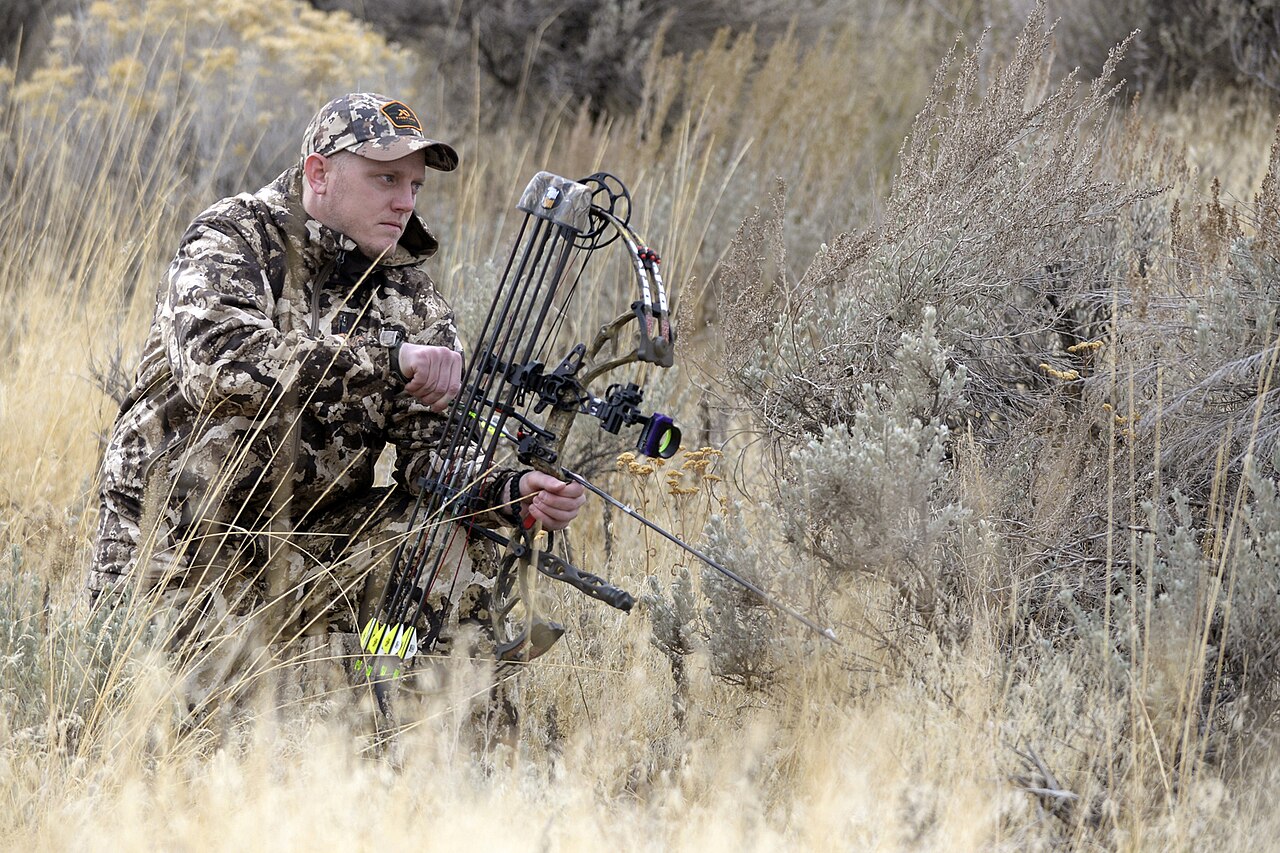
Compound Bow Hunting
Draw length, sight and rest setup, broadhead tuning, and shot process.
Hunting Tips
Wind discipline, stand placement, blood trailing, and meat care.
Keep going
Related reading
Deer Hunting by State
All 50 states ranked, with seasons, tags and laws.
Read →Deer Season Calendar
Every state's season dates, tag costs and public land, side by side.
Read →Big Game Hunting
Whitetail, mule deer, elk, moose and bear profiles.
Read →Rifle Hunting
Cartridges, zero, positions and shot placement.
Read →Bowhunting
Setups, arrows, broadheads and treestand craft.
Read →Venison Recipes
Camp and home recipes for the deer you bring back.
Read →Top 10 lists
Best in category: hunting gear
Ranked picks with real product photos, specs, and editor notes — the buying side of everything covered in these guides.
Best Hunting Rifles
Bolt guns from budget workhorses to mountain rifles.
See the ranking →Best Upland Shotguns
Over-unders and light autos built to carry all day.
See the ranking →Best Waterfowl Shotguns
3.5-inch guns that keep cycling through mud and ice.
See the ranking →Best Deer Hunting Shotguns
Rifled slug guns for shotgun-only whitetail country.
See the ranking →Best Compound Bows
Forgiving, quiet compounds that tune without a fight.
See the ranking →Best Recurve Bows
Hunting recurves that shoot quiet and hold up outside.
See the ranking →Also on The Wild10
Fishing Guides
Fish identification, the knots that hold, lure selection by conditions, and the habits that fill a stringer.
Open the fishing hub →