



Everglades Wilderness Waterway
A 99-mile mangrove sea kayak from Everglades City to Flamingo.
Where on earth
Satellite imagery flying in from a world view to Everglades Wilderness Waterway, United States. Use the + / − buttons, or click the map to zoom with your scroll wheel; drag to pan and pinch to zoom on touch.
- Region
- Florida, USA
- Country
- United States
- Biome
- Subtropical mangrove estuary, Everglades National Park, Florida
- Best season
- December – April
- Trip length
- 3–8 days
- Difficulty
- expert
- Canoeing
- Portaging
- Bushcraft
- Camping
- Kayaking
Key takeaways
- Biome: Subtropical mangrove estuary, Everglades National Park, Florida
- Best season: December – April
- Trip length: 3–8 days
- Difficulty: expert
- Top activity: canoe trips
- Key hazard: Strong tidal currents in narrow passes and rivers
Topic summary
A 99-mile mangrove sea kayak from Everglades City to Flamingo.
Key takeaways
- Difficulty: expert
- Trip length: 3–8 days
- Best season: December – April
- Permit required
- The full Wilderness Waterway — ~99 miles, Everglades City to Flamingo
- Ten Thousand Islands loops out of the Gulf Coast Visitor Center
Intended uses
- canoe trips
- bushcraft camping
- fishing
Climate suitability
Subtropical mangrove estuary, Everglades National Park, Florida
Verification notes
Permit source: Recreation.gov — Everglades wilderness permits. Last verified September 15, 2026.
Plan with verified data
Everglades Wilderness Waterway trip tools
Route map
Put-in, take-out and named landmarks plotted from agency coordinates, with the source behind every point.
Open the Everglades Wilderness Waterway route mapRoute options
- The full Wilderness Waterway — ~99 miles, Everglades City to Flamingo
- Ten Thousand Islands loops out of the Gulf Coast Visitor Center
Sample itineraries
- The full Waterway · 8 daysEverglades City to Flamingo, 99 miles of mangrove backcountry, chickee platforms and beach campsites.
- Ten Thousand Islands loop · 3 daysA short Gulf Coast loop visiting outer-island beach sites like Tiger Key and Picnic Key.
Seasonal conditions
| Season | Window | Conditions |
|---|---|---|
| Spring | March – May | The dry season ends — water levels bottom out, bird nesting peaks, heat builds. |
| Summer | June – September | Dangerous season: daily lightning, brutal heat and the year's worst mosquitoes. Avoid. |
| Autumn | October – November | Hurricane season tapers off; water is high and humidity lingers into late November. |
| Winter | December – February | Prime season: mild temperatures, low humidity and minimal insects. |
Permits & closures
A wilderness permit is required for all overnight camping in Everglades National Park, with reservations available on a rolling 90-day window through Recreation.gov. Chickee and ground sites are site-specific — your permit names where you sleep each night.
Official permit source: Recreation.gov — Everglades wilderness permits · Verified 2026-09-15
Closures & advisories: NPS — Everglades current conditions
Safety & stewardship
- Strong tidal currents in narrow passes and rivers
- Dehydration and heat exhaustion — there is no fresh water on the trail
- Getting lost in the mangrove labyrinth
- Extreme mosquito and no-see-um pressure outside winter
- Submerged oyster bars and mud flats at low tide
- Alligators in fresh and brackish water; American crocodiles nearer salt water
Water: There is no fresh water anywhere along the 99-mile trail. Carry at least one gallon per person per day for the whole trip, and work the tide tables — the waterway runs with the tides.
Wildlife: West Indian manatees and bottlenose dolphins in the bays, alligators in brackish creeks, crocodiles toward Florida Bay, and huge winter concentrations of wading birds including roseate spoonbills.
Emergency planning: File a float plan at the visitor center, carry a GPS (the mangroves defeat map-and-compass navigation), and bring a VHF radio and signal mirror. Ranger patrols exist but response is slow.
Leave No Trace: Camp only at designated chickees, ground sites and beach sites named on your permit. Pack out all trash; use the chickee toilets or a self-contained waste system.
Popular pursuits at Everglades Wilderness Waterway
Animals around Everglades Wilderness Waterway
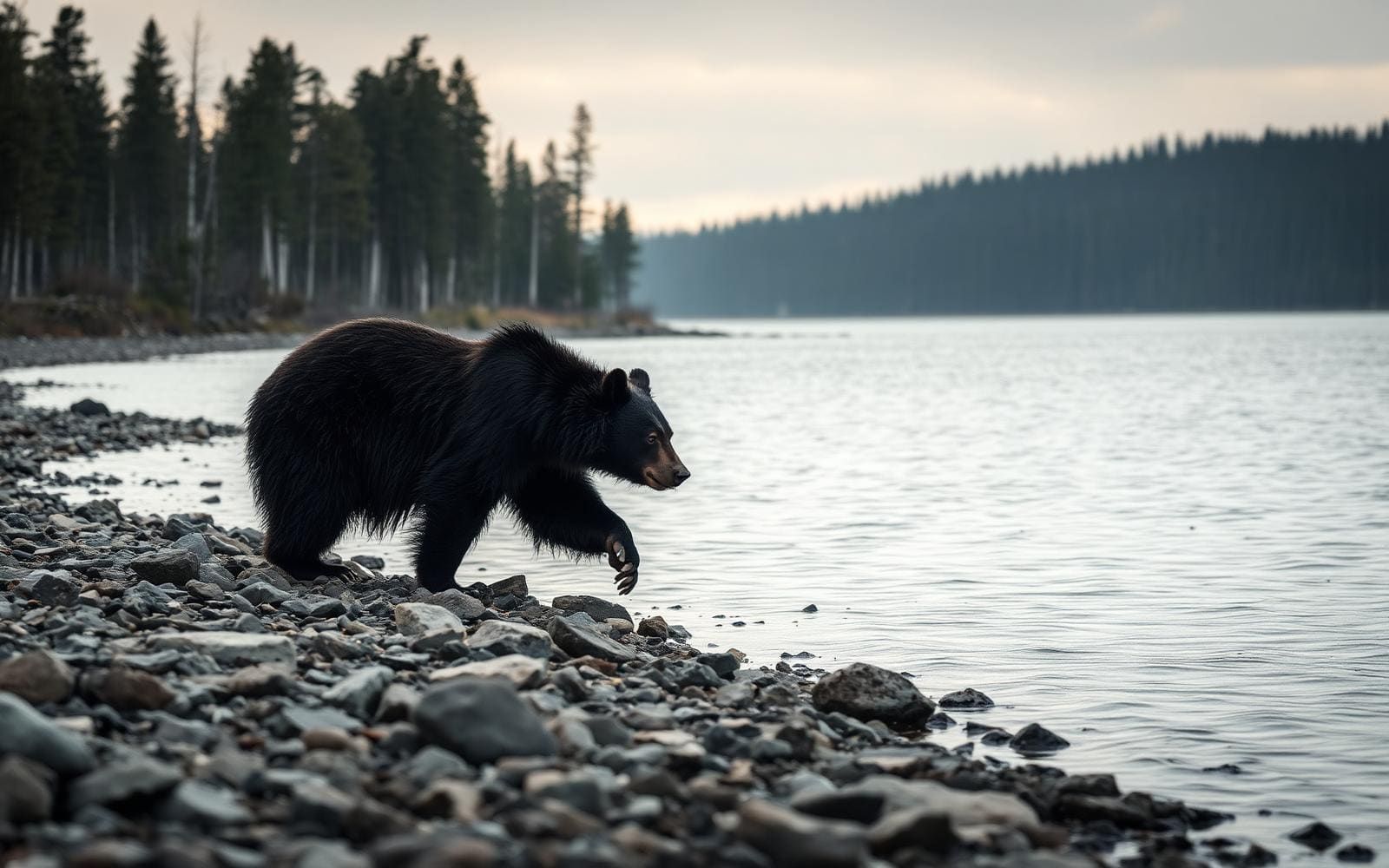 Wildlife guideBlack bearUrsus americanus
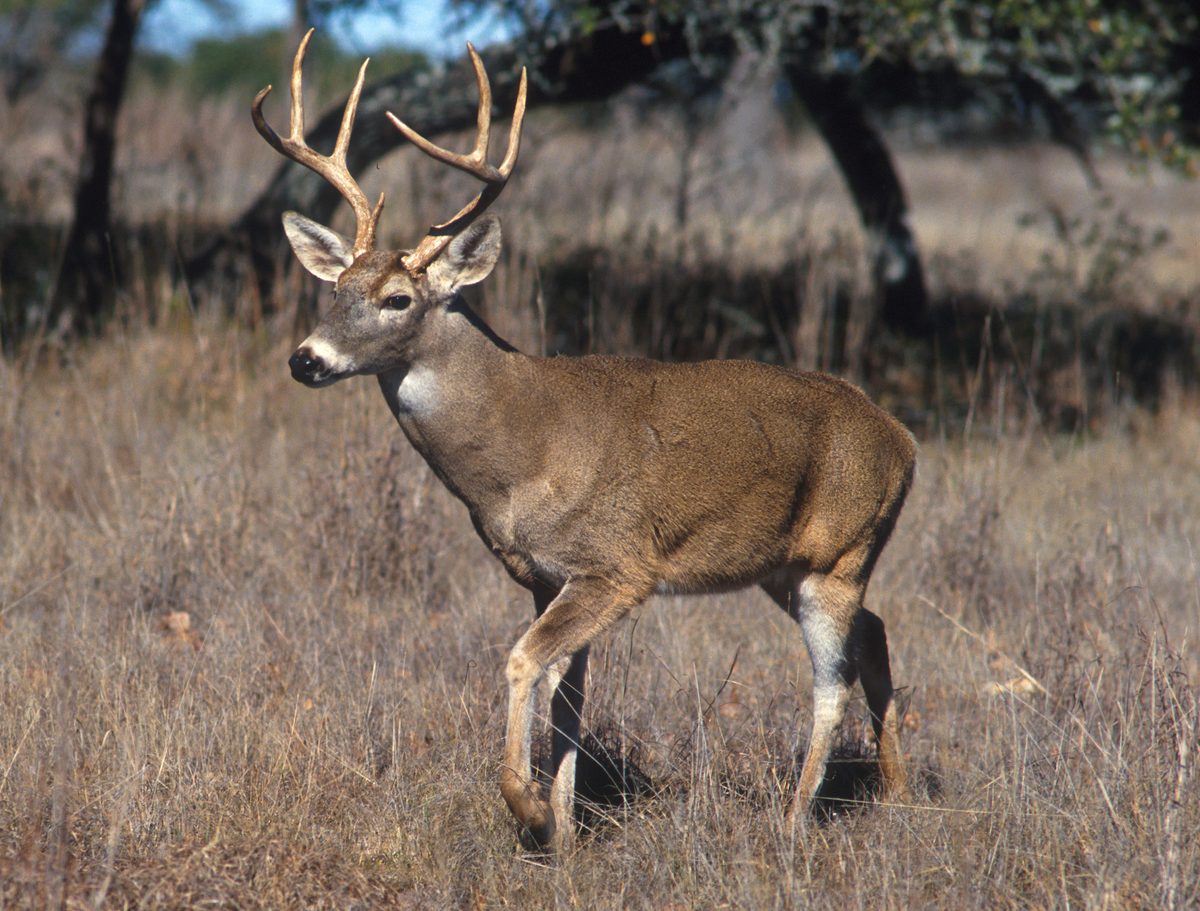 Big gameWhitetail DeerOdocoileus virginianus
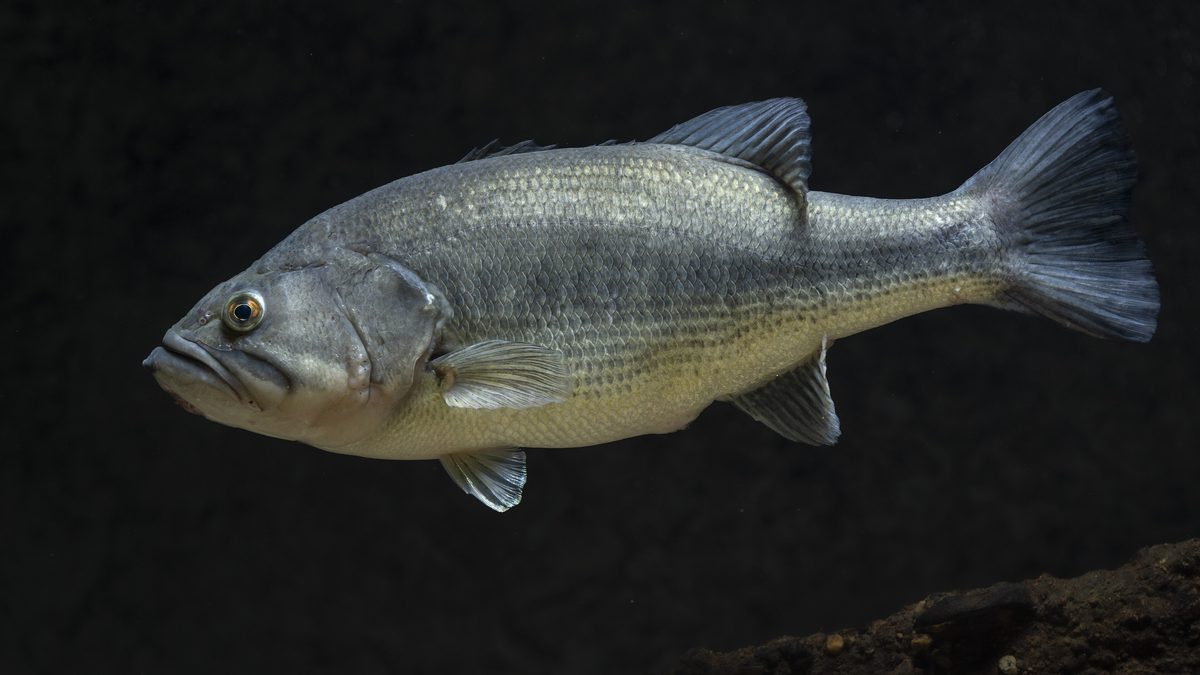 GamefishLargemouth BassMicropterus nigricans
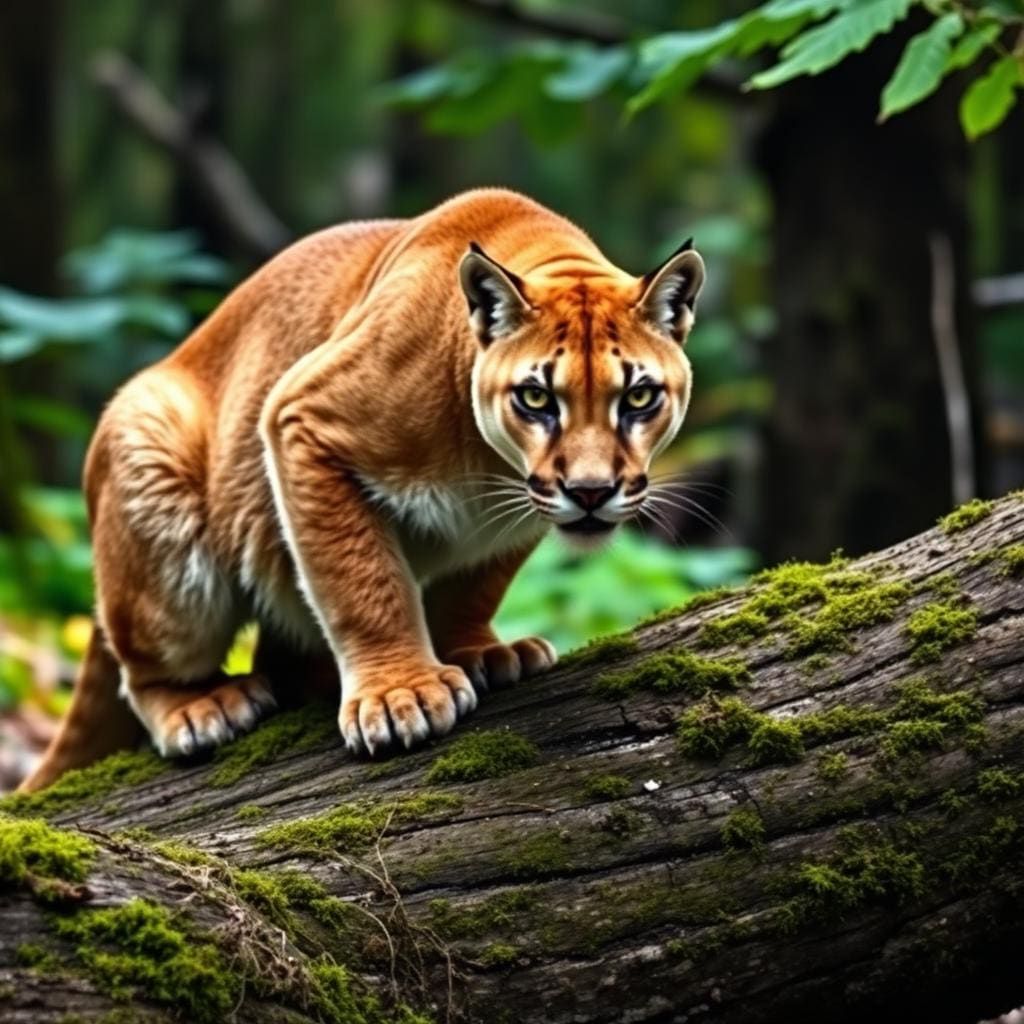 Wildlife guideCougarPuma concolor
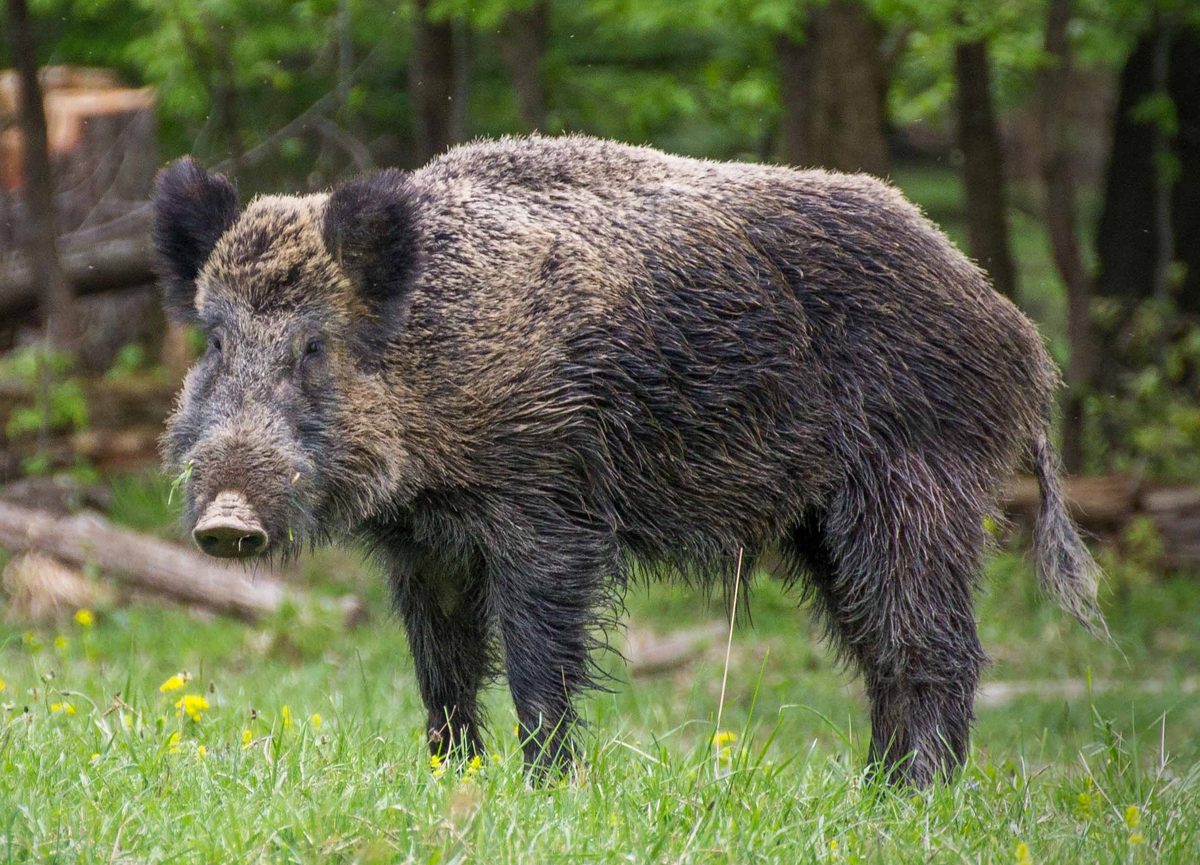 Big gameWild HogSus scrofa
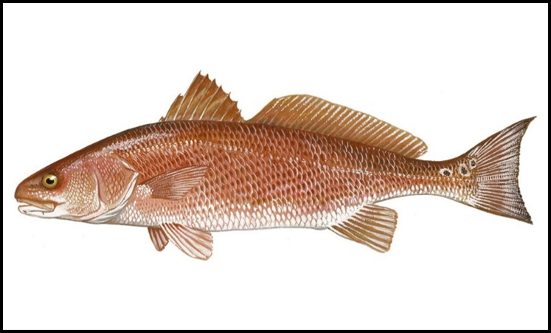 GamefishRed DrumSciaenops ocellatus
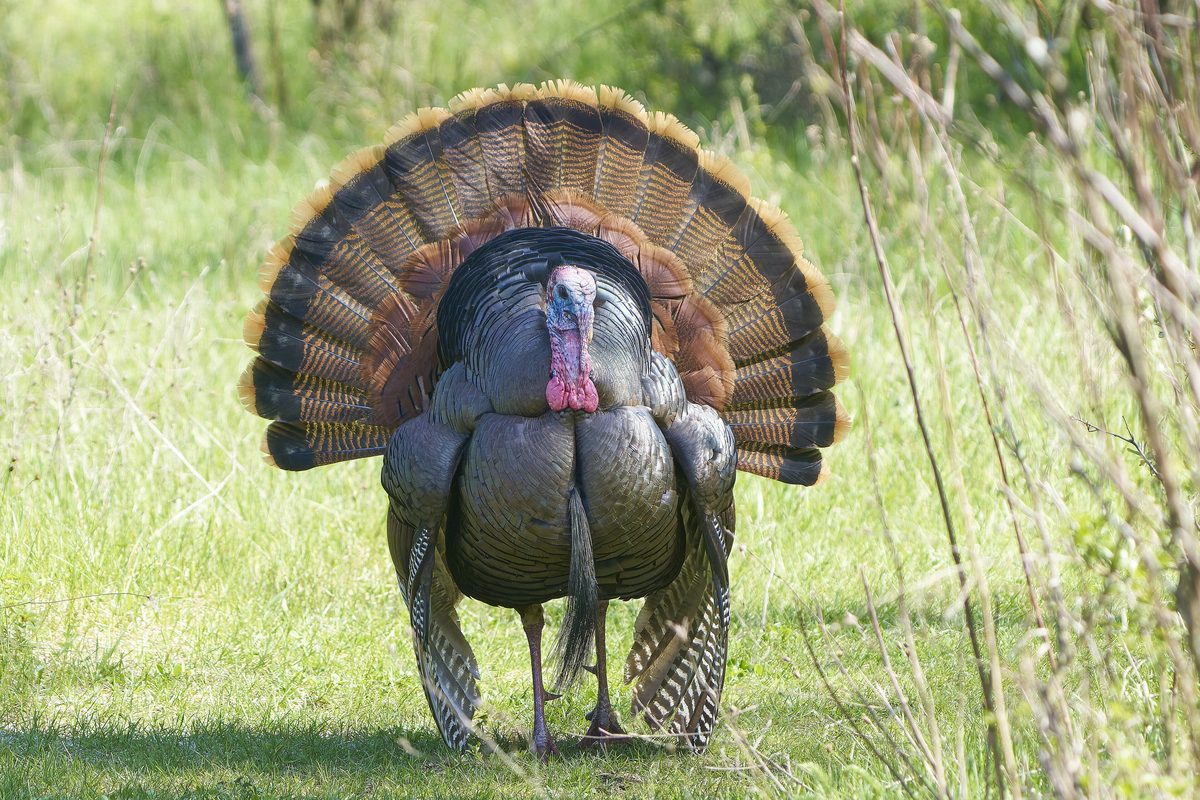 Wildlife guideWild turkeyMeleagris gallopavo
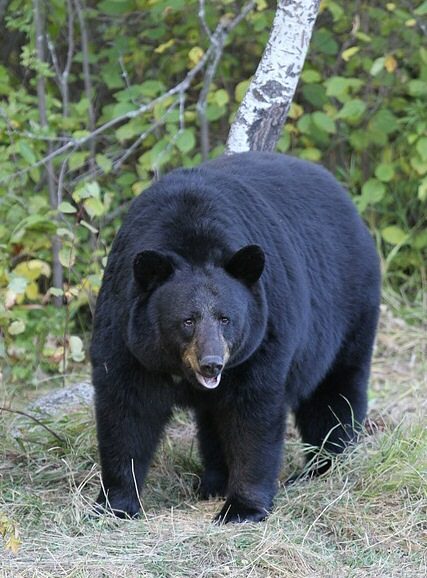 Big gameBlack BearUrsus americanus
Packing checklist
- 1 gallon of water per person per day
- Electrolytes
- High-calorie non-perishable food
- Bug head net
- Long-sleeve sun clothing
- Wide-brimmed hat
- High-SPF sunscreen
- Tide tables
- NOAA nautical charts
- GPS with spare batteries
Recommended gear
Featured in these Top 10 lists
- Top 10 Extreme Canoe Trips in the U.S. — ranked #7
Browse every destination we cover in the Destination Hub.