Hunting · Deer by State · Ranked #32 of 50
Idaho Deer Hunting
Over-the-counter tags, vast public land, and two very different deer hunts make Idaho one of the West's most accessible trophy states.
Idaho offers something few Western states can match: a genuine choice between two deer hunts. In the south and central mountains, canyons and high desert, mule deer roam some of the wildest country left in the Lower 48. In the timbered panhandle up north, white-tailed deer live in thick cedar and fir cover more reminiscent of the upper Midwest than the classic Western image.
Unlike many neighboring states, Idaho sells general season deer tags over the counter in most units without requiring nonresidents to win a draw, though the most sought-after mule deer units are managed as controlled hunts with limited nonresident quotas. That over-the-counter access, paired with millions of acres of national forest and BLM land, makes Idaho one of the more approachable DIY Western deer hunts.
Season structure varies widely by unit and weapon, with archery, muzzleloader and rifle seasons often overlapping or running back to back, so building a hunt around Idaho requires picking a region and species first, then digging into that specific unit's regulations before applying or buying a tag.
- Wild10 rank
- #32 · Good
- Nonresident deer tag
- General season tag roughly $301.75; controlled hunt tags vary
- Tag system
- Over-the-counter general tags in most units; controlled hunts for premium units
- Species split
- Mule deer in central/southern mountains and desert; whitetail concentrated in the panhandle
- Bag limit
- One deer per general tag; extra antlerless tags available in some units
- Public land
- Over 60% of the state is public — national forest, BLM and state land
- Season length
- Archery starts late Aug./early Sept.; most rifle seasons run Oct.–Nov., some into Dec.
01
Idaho deer hunting by the numbers
Where Idaho sits nationally, and the figures behind our rank of #32 of 50.
| Statistic | Value |
|---|---|
| 2023 deer harvest | Approximately 45,000 deer statewide |
| Nonresident general deer tag (2025) | Approx. $301.75 |
| Nonresident hunting license (required base) | Approx. $185 |
| Public land share | Roughly 62% of Idaho is publicly owned |
02
Idaho deer seasons (2025)
Idaho sets exact season dates by Game Management Unit (GMU) every year — always check the current IDFG deer rules for your specific unit before you hunt.
| Season | Weapon | Typical window | Notes |
|---|---|---|---|
| Archery | Bow / crossbow (with disability permit) | Late Aug. – late Sept., varies by unit | Many units offer archery-only opportunity ahead of the general rifle opener. |
| Muzzleloader-only | Muzzleloader | Varies by unit, often October | A limited number of controlled hunt units offer dedicated muzzleloader seasons. |
| General rifle | Rifle | Early Oct. – mid-Nov., varies by unit and species | Most whitetail units in the panhandle run into November; many mule deer units are shorter. |
| Late/extended seasons | Rifle | Select units into Dec. | A handful of units, especially for antlerless or youth hunts, extend later in the year. |
03
Idaho deer tags & licenses
Most Idaho GMUs offer a general season deer tag that nonresidents can buy over the counter, valid for either mule deer or whitetail depending on the unit and season.
The best-known trophy mule deer units are managed as controlled hunts, awarded through IDFG's random drawing, and often have separate nonresident quotas and higher demand than points can guarantee.
Nonresidents must buy a base hunting license before purchasing a deer tag; general season tags are available over the counter in most units, while premium and limited units require applying for a controlled hunt.
Controlled hunt applications are typically due in spring (deer/elk/pronghorn window runs into early June), with results posted a few weeks later; leftover controlled hunt tags go on sale afterward on a first-come, first-served basis.
04
What Idaho deer licenses cost
| License / tag | Price |
|---|---|
| Nonresident hunting license (base, required) | ~$185 |
| Nonresident general deer tag | ~$301.75 |
| Nonresident controlled hunt deer tag | Varies by hunt; similar to general tag cost plus application fee |
| Controlled hunt application fee (nonresident) | ~$16.75 per species |
| Resident deer tag | ~$21.75 |
05
Idaho deer hunting laws you must know
The rules that catch hunters out most often. Not a substitute for the regulations book.
| Topic | Rule |
|---|---|
| Blaze orange | Not legally required for deer hunters, but recommended, especially during general rifle season on busy public land. |
| Baiting | Baiting deer is illegal statewide. |
| Crossbows | Legal during any archery season for hunters with a valid archery tag, no disability permit required in most cases. |
| Sunday hunting | Allowed statewide. |
| Legal firearms | Centerfire rifles and handguns of legal caliber, shotguns with slugs, and archery equipment are permitted per season type; muzzleloader-only seasons exist in select units. |
| Tagging/reporting | Tags must be validated (notched) immediately upon kill and remain attached to the carcass; mandatory hunter harvest reports are required after the season closes. |
| CWD carcass transport | Idaho monitors for chronic wasting disease; hunters harvesting deer in or near known CWD zones should check current carcass transport and testing rules before moving meat out of the area. |
| Hunter education | Required for anyone born after Jan. 1, 1975. |
06
What to expect hunting deer in Idaho
Terrain swings from sagebrush desert and rimrock canyons in the south and southwest, to high alpine basins in central Idaho's Sawtooth and Salmon River country, to dense cedar-fir timber in the panhandle where whitetail live.
Mule deer hunting often means long-distance glassing and hiking into steep, roadless drainages, while panhandle whitetail hunting is closer-range still-hunting and stand work in thick cover.
Weather can shift fast at elevation in October, and many of the best backcountry mule deer units require packing in on foot or with stock.
Public land access is outstanding by national standards, but popular general season units near roads can see real hunting pressure on opening weekend.
07
Idaho deer hunting tips
Field-tested advice specific to this state's deer, terrain and pressure.
- 1Decide on mule deer or whitetail first — the tactics, terrain and gear are different enough that trying to do both in one trip usually means doing neither well.
- 2Apply for controlled hunts by the early June deadline if you want a shot at a premium mule deer unit; general tags are the more realistic backup plan.
- 3Glass early and late from a distance in open desert and canyon country rather than pushing through it on foot.
- 4In the panhandle, focus on logging cuts, edge cover and river bottoms rather than deep unbroken timber.
- 5Check current CWD surveillance zones before you go, and follow carcass transport rules if you're hunting near a known-positive area.
- 6Pack layers and rain gear for central Idaho's mountain units — weather changes fast at elevation in October.
- 7Study GMU-specific season dates carefully; Idaho's rules genuinely vary unit by unit more than most states.
- 8If hiking into backcountry mule deer units, plan for pack-out logistics before you pull the trigger, not after.
Why Idaho ranks #32 for deer hunting
Idaho combines huge blocks of national forest and BLM ground with two genuinely distinct deer hunts: rugged, big-country mule deer in the mountains and desert canyons, and thick, timbered whitetail in the north Idaho panhandle. Over-the-counter general tags are available in most units without a draw, which is rare among top-tier Western deer states, and multi-weapon season structures give hunters plenty of ways to build a trip around their skill set.
Tier: Good · Species: Mule deer, White-tailed deer
Where to hunt deer in Idaho
Idaho's national forests, BLM desert country and state wildlife management areas give DIY hunters realistic access to both mule deer and whitetail across most of the state.
Owyhee Canyonlands
BLM public land · Southwest Idaho
Remote high desert and rimrock canyons holding mature mule deer bucks and very light hunting pressure.
Salmon-Challis National Forest
National forest · Central Idaho
Vast backcountry mountains and river drainages offering classic high-country mule deer hunting for hunters willing to hike.
Idaho Panhandle National Forests
National forest · Northern Idaho
Dense cedar-hemlock timber and logging cuts holding the state's best whitetail numbers.
Sawtooth National Forest
National forest · South-central Idaho
High alpine basins and timbered benches near the Sawtooth Wilderness with solid mule deer opportunity.
Clearwater National Forest
National forest · North-central Idaho
Steep, timbered drainages holding both whitetail and mule deer, with extensive road and trail access for DIY hunters.
Curlew National Grassland
National grassland · Southeast Idaho
Rolling grassland and juniper draws holding mule deer with lighter pressure than nearby mountain units.
Gear for Idaho deer season
Idaho's mix of high desert, alpine mountains and dense panhandle timber calls for versatile optics, a capable rifle, and layers that handle big temperature swings.
- Best Hunting Rifles
Bolt guns from budget workhorses to mountain rifles.
- Best Spotting Scopes
Glassing scopes for judging animals a canyon away.
- Best Compound Bows
Forgiving, quiet compounds that tune without a fight.
- Best Hunting Boots
Early-season to mountain boots ranked on fit and support.
- Best Hunting Jackets
Insulated and shell layers ranked by warmth-to-noise.
- Best Merino Base Layers
Next-to-skin wool for cold sits and long stalks.
Watch: deer hunting in Idaho
Real hunts and how-tos filmed in Idaho, embedded from the creators' own channels with our notes on what to take from each.
Why watch: Late-season rut tactics that carry over well to Idaho's high-country mule deer hunts.
Why watch: Scouting principles that translate directly to finding overlooked whitetail pockets in the Idaho panhandle.
Official Idaho deer hunting resources
- Idaho Department of Fish and Game (IDFG) (home)
- Current deer regulations
- Buy licenses & tags
- IDFG Controlled Hunts
- IDFG Chronic Wasting Disease Information
Last reviewed 2026-09. Found something out of date? Tell us in the community.
More state deer hunting guides
#16 of 50 · Very good
#17 of 50 · Very good
#18 of 50 · Very good
#36 of 50 · Good
50 states covered. See the full ranking →
Questions
Frequently asked
- Can nonresidents hunt deer in Idaho?
- Yes. Nonresidents can buy a base hunting license and a general season deer tag over the counter in most units, or apply for a controlled hunt tag in premium units.
- How much does an Idaho nonresident deer tag cost?
- As of 2025, a nonresident base hunting license runs about $185 plus a general deer tag of about $301.75; controlled hunt tags vary by unit.
- Do I need to draw a tag to hunt deer in Idaho?
- Not necessarily. General season tags are sold over the counter in most GMUs, but the best-known trophy mule deer units are controlled hunts requiring a successful draw application.
- Where is Idaho's best whitetail hunting?
- The panhandle in northern Idaho holds the state's densest whitetail populations, in thick cedar-fir timber and logging cuts.
- Where is Idaho's best mule deer hunting?
- Central and southern Idaho, including the Owyhee Canyonlands, Salmon-Challis backcountry, and Sawtooth high country, hold the state's best mule deer opportunity.
- Is baiting legal in Idaho?
- No, baiting deer is illegal statewide in Idaho. IDFG prohibits hunting over bait such as feed, salt blocks, or minerals placed to attract deer, and violations can result in citations or loss of hunting privileges.
- Are crossbows legal in Idaho?
- Yes, crossbows are legal during archery seasons for hunters holding a valid archery tag.
- When should nonresidents apply for an Idaho controlled hunt?
- Controlled hunt applications for deer, elk and pronghorn are typically due in late May/early June, with results posted a few weeks after the deadline.
Every hunting guide
Hunting Hub
Where every hunting guide on The Wild10 starts.
Types of Game
Big game, small game, upland birds, and waterfowl — habitat and season.
Big Game
Deer, elk, moose, bear, hog and sheep — where to hunt, tags, and what to expect.
Small Game & Birds
Turkey, pheasant, grouse, quail, ducks, geese, rabbits, squirrels and predators.
Turkey Hunting
Calling, shotguns, bows, camo, blinds, scouting, and spring vs fall.
Species Finder
Search every species and filter by tracks, droppings and sign, harvest, or skinning.
Rifle Hunting
Cartridges, zero, field positions, wind, and shot placement.
Shotgun Hunting
Gauges, chokes, shot size, and lead for birds and slug country.
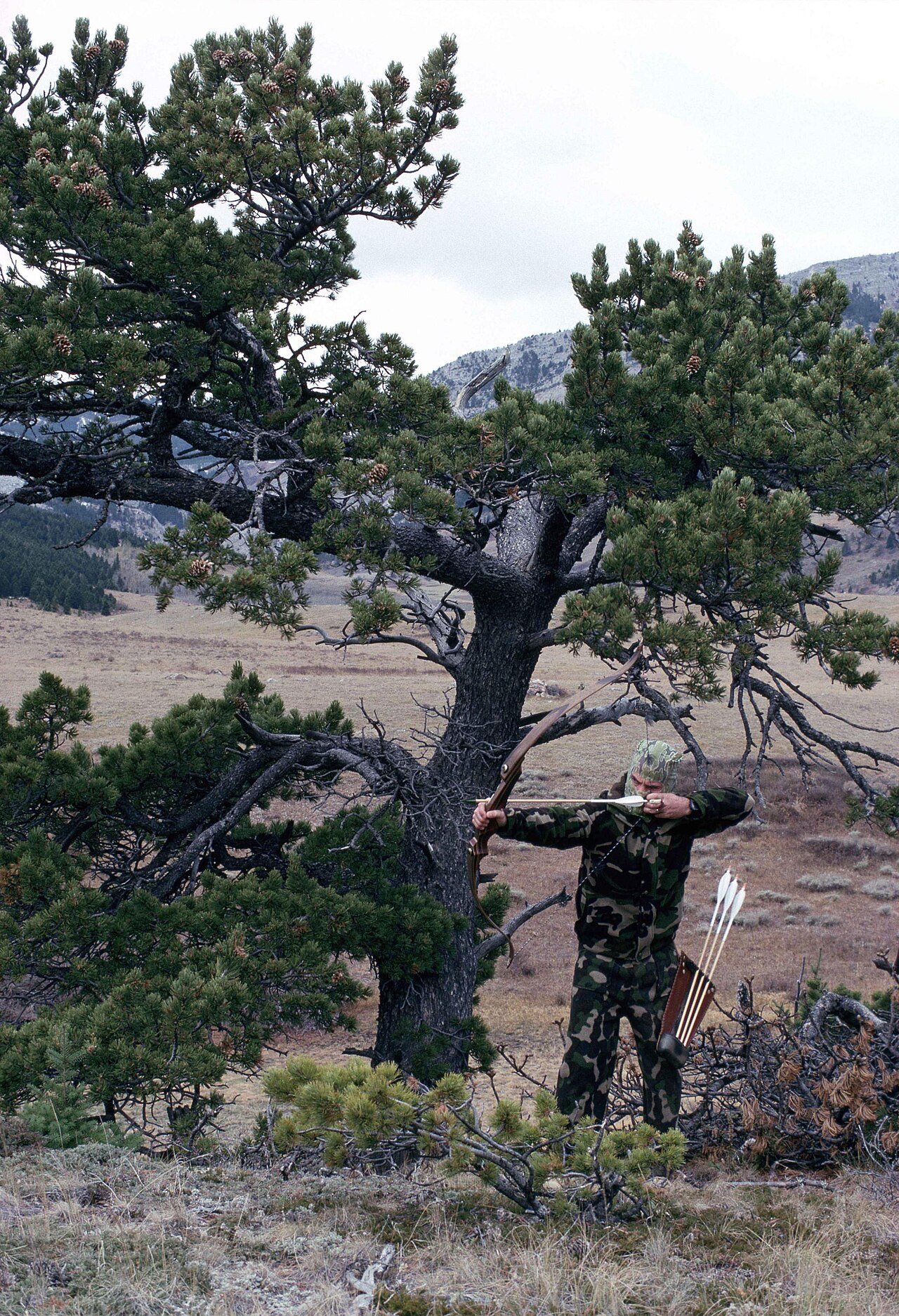
Recurve & Traditional Bow
Instinctive shooting, draw weight, arrow spine, and close-range craft.
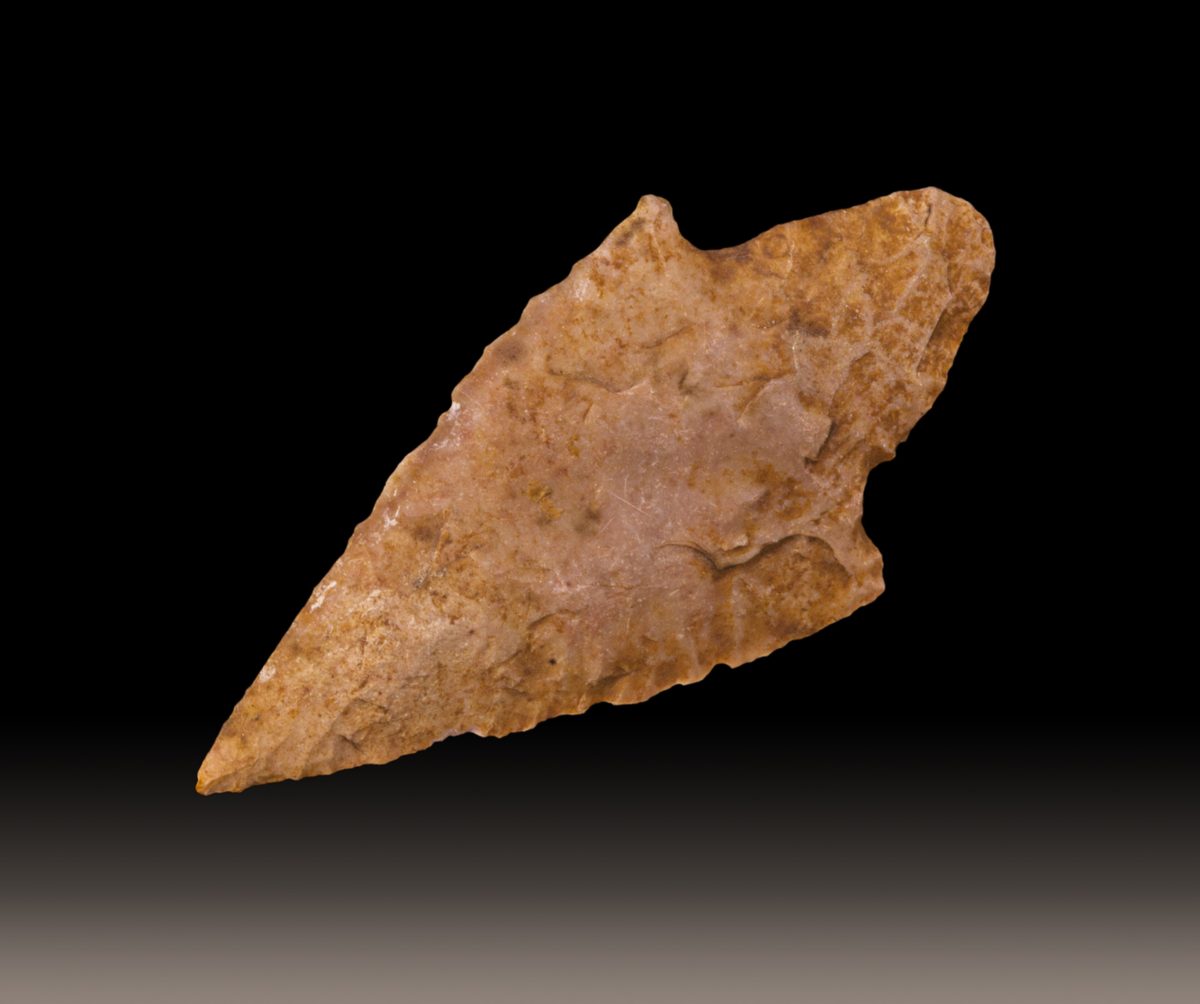
Traditional Archery Hub
Eleven recurve and longbow guides: form, aiming, spine, tuning, and building tackle.
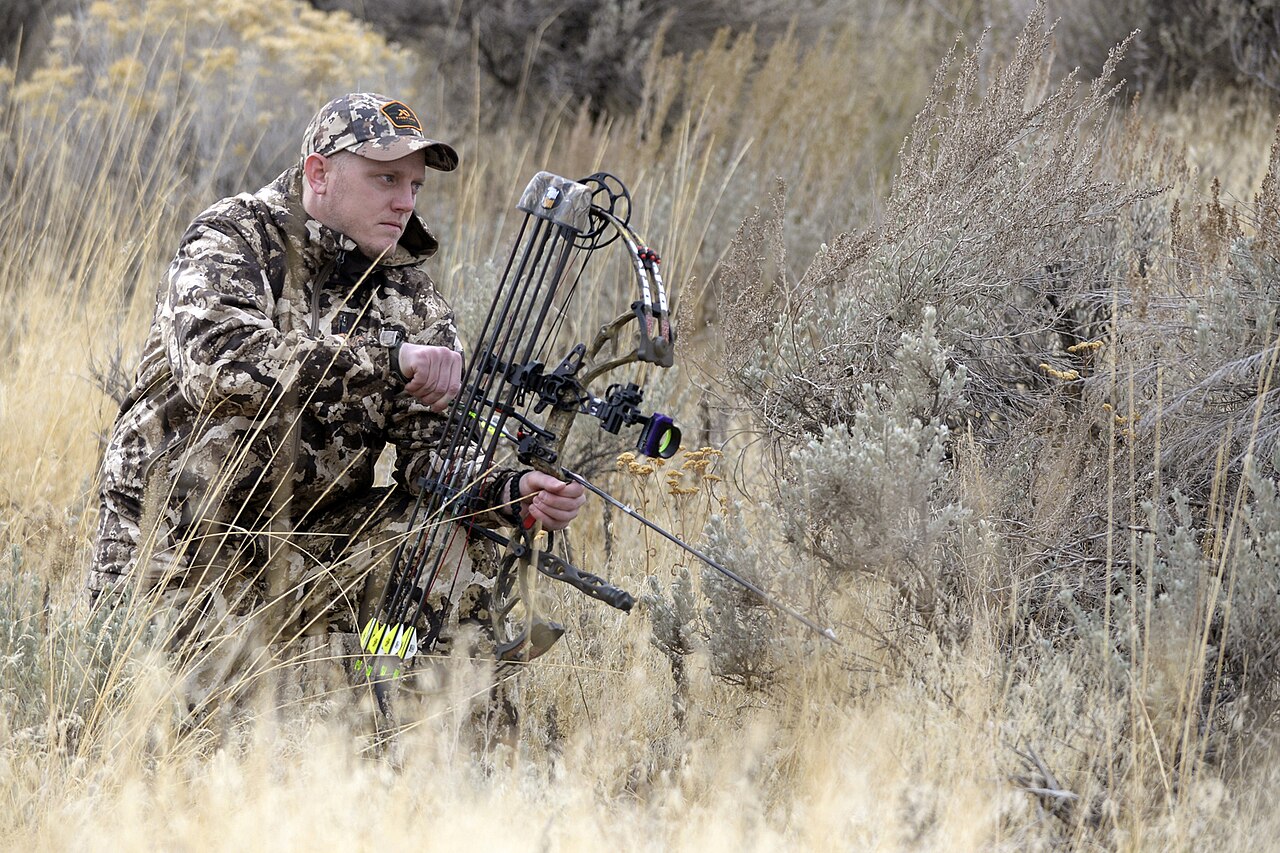
Compound Bow Hunting
Draw length, sight and rest setup, broadhead tuning, and shot process.
Hunting Tips
Wind discipline, stand placement, blood trailing, and meat care.
Keep going
Related reading
Deer Hunting by State
All 50 states ranked, with seasons, tags and laws.
Read →Deer Season Calendar
Every state's season dates, tag costs and public land, side by side.
Read →Big Game Hunting
Whitetail, mule deer, elk, moose and bear profiles.
Read →Rifle Hunting
Cartridges, zero, positions and shot placement.
Read →Bowhunting
Setups, arrows, broadheads and treestand craft.
Read →Venison Recipes
Camp and home recipes for the deer you bring back.
Read →Top 10 lists
Best in category: hunting gear
Ranked picks with real product photos, specs, and editor notes — the buying side of everything covered in these guides.
Best Hunting Rifles
Bolt guns from budget workhorses to mountain rifles.
See the ranking →Best Upland Shotguns
Over-unders and light autos built to carry all day.
See the ranking →Best Waterfowl Shotguns
3.5-inch guns that keep cycling through mud and ice.
See the ranking →Best Deer Hunting Shotguns
Rifled slug guns for shotgun-only whitetail country.
See the ranking →Best Compound Bows
Forgiving, quiet compounds that tune without a fight.
See the ranking →Best Recurve Bows
Hunting recurves that shoot quiet and hold up outside.
See the ranking →Also on The Wild10
Fishing Guides
Fish identification, the knots that hold, lure selection by conditions, and the habits that fill a stringer.
Open the fishing hub →