Hunting · Deer by State · Ranked #18 of 50
Colorado Deer Hunting
The nation's biggest mule deer herd, vast public land, and a preference-point draw system make Colorado a bucket-list Western hunt.
Colorado is the mule deer capital of America. With a statewide herd estimated well north of 400,000 animals spread across the Western Slope, the state offers a scale and diversity of deer country — sagebrush foothills, aspen benches, high alpine basins, and pinyon-juniper canyons — that few other states can match.
Unlike over-the-counter whitetail states, Colorado runs almost all of its deer hunting through a limited-entry draw. Nonresidents compete for tags using a preference-point system, and the best trophy units in northwest Colorado (White River, Piceance Basin) and southwest Colorado (Uncompahgre Plateau, San Juans) can take five-plus points to draw. Lower-demand units and over-the-counter whitetail-leaning options on the Eastern Plains offer a faster path to a tag.
The tradeoff for the draw wait is public land access on an enormous scale — much of Colorado's best deer country sits inside national forests, BLM parcels, and state wildlife areas, giving DIY hunters a real shot at a mature buck without needing to lease private ground.
- Wild10 rank
- #18 · Very good
- Statewide mule deer population
- Estimated 400,000+ animals
- License system
- Limited draw for most units; preference points required for premium tags
- Nonresident deer tag
- Approx. $464 (limited license, plus habitat stamp)
- Top trophy units
- White River/Piceance Basin, Uncompahgre Plateau, San Juans
- Public land
- White River, San Juan, Grand Mesa, and Uncompahgre National Forests plus extensive BLM
- Season length
- Archery late Aug.–late Sept.; rifle seasons run Oct.–Nov.
01
Colorado deer hunting by the numbers
Where Colorado sits nationally, and the figures behind our rank of #18 of 50.
| Statistic | Value |
|---|---|
| Statewide mule deer population estimate | 400,000+ (largest in the U.S.) |
| Nonresident limited deer license cost | Approx. $464 |
| Draw system | Preference-point weighted draw for most deer units |
| CWD status | Endemic in many Western Slope deer herds; mandatory testing encouraged in some units |
02
Colorado deer seasons (2025-26)
Exact dates shift slightly each year and licenses are unit- and season-specific through the draw. Always confirm current dates and your drawn unit's structure on CPW's big game brochure before you hunt.
| Season | Weapon | Typical window | Notes |
|---|---|---|---|
| Archery | Bow / crossbow | Late Aug. – late Sept. | Statewide archery-only season on either-sex licenses in most units. |
| Muzzleloader | Muzzleloader | Mid-Sept. (about 9 days) | Short season overlapping the tail end of archery in many units. |
| First rifle season | Rifle | Mid-Oct. (about 5 days) | Limited to fewer units; often lower pressure. |
| Second rifle season | Rifle | Late Oct. – early Nov. (about 9 days) | Coincides with peak rut activity in most units. |
| Third rifle season | Rifle | Early-to-mid Nov. (about 5 days) | Post-rut; heaviest hunter numbers statewide. |
| Fourth rifle season | Rifle | Mid-to-late Nov. (about 5 days) | Late-season option in select units, often lower-elevation deer. |
03
Colorado deer tags & licenses
Colorado deer hunting runs almost entirely on a limited, preference-point-weighted draw. Hunters apply each spring for a specific unit and season choice; unsuccessful applicants accumulate a preference point that improves their odds the following year.
A small number of leftover licenses and over-the-counter options exist, mostly for either-sex or antlerless whitetail hunts on the Eastern Plains, but the marquee Western Slope mule deer units require multiple preference points to draw with any reliability.
All hunters must also purchase a Habitat Stamp, and a hunter safety card is required for anyone born on or after Jan. 1, 1949.
Nonresidents apply through the same statewide draw as residents but face separate quotas (typically capped around 35% of tags in most units) and pay a substantially higher license fee. High-demand units require several preference points to draw.
The primary draw application window runs early March through early April, with results released in the spring. Points purchased in years you don't apply for a license do not count — you must apply to accrue or use a preference point.
04
What Colorado deer licenses cost
| License / tag | Price |
|---|---|
| Resident deer license | approx. $53 |
| Nonresident limited deer license | approx. $464 |
| Habitat Stamp (required in addition to license) | approx. $10.35 |
| Preference point (if not drawn) | approx. $50 (nonresident) |
05
Colorado deer hunting laws you must know
The rules that catch hunters out most often. Not a substitute for the regulations book.
| Topic | Rule |
|---|---|
| Blaze orange | A daylight fluorescent orange hat and outer garment covering at least 500 square inches total are required during all rifle seasons statewide. |
| Baiting | Baiting big game, including deer, is illegal statewide in Colorado. |
| Crossbows | Legal during any rifle season for all hunters; legal during archery season only for hunters with a qualifying disability permit. |
| Sunday hunting | Allowed statewide; Colorado has no Sunday hunting restrictions. |
| Legal firearms | Centerfire rifles and handguns of legal caliber are permitted during rifle seasons; muzzleloader season restricts hunters to in-line or traditional muzzleloading rifles. |
| Carcass transport / CWD | Whole carcasses from many Western Slope units cannot be transported outside the unit; hunters must debone meat or have the head processed before moving it, per CWD carcass transport rules. |
| Mandatory reporting | All deer hunters must complete a harvest survey after the season, whether or not they were successful, via CPW's online system. |
| Hunter education | Required for anyone born on or after Jan. 1, 1949, before purchasing a license. |
06
What to expect hunting deer in Colorado
Colorado's deer country ranges from sagebrush-and-pinyon foothills around 6,000-7,000 feet to alpine basins above 10,000 feet, and mule deer migrate seasonally between them, so where you hunt in September looks very different from where the same herd sits in a November rifle season.
The Western Slope — the White River drainage, Piceance Basin, Uncompahgre Plateau, and San Juan Mountains — holds the highest deer densities and the best trophy genetics, and nearly all of it sits on public national forest or BLM land, though access can require serious hiking or horseback effort to get away from roads.
The rut peaks in mid-to-late November, which lines up well with the second and third rifle seasons; the mid-October first rifle season and archery/muzzleloader seasons hunt deer on more predictable summer-to-early-fall patterns before the rut scrambles movement.
Weather swings hard and fast at elevation — expect anything from 60°F sun to sudden snow squalls in the same week during October and November rifle seasons, and always plan gear and vehicle access for early winter conditions in the high country.
07
Colorado deer hunting tips
Field-tested advice specific to this state's deer, terrain and pressure.
- 1Start applying for preference points as early as possible — the top northwest and southwest units can take 5+ points for a nonresident to draw, so build your point history well before you plan to hunt.
- 2Use CPW's online draw odds and herd management data to target units that match your point total rather than only chasing the most famous unit names.
- 3Plan for elevation and weather — pack layers for both 60°F afternoons and sudden snow, especially during October and November rifle seasons in the high country.
- 4Scout migration corridors, not just summer range — mule deer move significantly between early archery season and the November rifle seasons as snow pushes them to lower elevation.
- 5Check CWD carcass transport rules for your specific unit before the season; many Western Slope units require deboning or processing before crossing unit or state lines.
- 6Physical conditioning matters — much of the best public-land mule deer country involves steep terrain and thin air well above 8,000 feet.
- 7Consider a lower-demand Eastern Plains or whitetail-leaning unit if you want a faster draw and don't need a trophy Western Slope buck this year.
- 8Book horse-pack or backcountry outfitter support if you're targeting wilderness units far from road access — a lot of the best bucks live miles from the nearest trailhead.
Why Colorado ranks #18 for deer hunting
Colorado holds more mule deer than any other state — roughly 400,000-plus animals — and pairs that with millions of acres of national forest and BLM land open to public hunting. It is a limited-draw state for nonresident deer tags, and preference points can take years to draw the best units, but the payoff is real trophy potential in units like the Western Slope's White River and Uncompahgre drainages. The draw system and unit-specific quotas keep it just behind the very top over-the-counter Midwest whitetail machines, but for mule deer specifically, Colorado is hard to beat.
Tier: Very good · Species: Mule deer, White-tailed deer
Where to hunt deer in Colorado
Colorado's best deer hunting sits almost entirely on public land across four national forests and vast BLM holdings on the Western Slope, though most premium units require preference points to draw.
White River National Forest
National forest · Northwest Colorado
Anchors some of the state's most storied trophy mule deer units, including the famed Piceance Basin herds nearby.
Official pageUncompahgre Plateau
National forest / BLM · Southwest Colorado
A high-quality, high-demand mule deer plateau with a mix of national forest and BLM access; several units require multiple preference points.
Official pageSan Juan National Forest
National forest · Southwest Colorado
Rugged, high-elevation terrain holding solid mule deer numbers and lighter pressure than more famous northwest units.
Official pageGrand Mesa National Forest
National forest · West-central Colorado
The world's largest flat-top mountain, mixing aspen benches and spruce timber with good mule deer habitat and easier access.
Official pagePiceance Basin BLM lands
BLM · Northwest Colorado
Sagebrush and pinyon-juniper country supporting one of the state's largest migratory mule deer herds, with heavy competition for tags.
Official pageRoutt National Forest
National forest · North-central Colorado
Mountain mule deer habitat near Steamboat Springs with solid public access and moderate draw odds compared to the northwest trophy units.
Official pageComanche National Grassland
National grassland · Southeast Colorado
Eastern Plains whitetail and mule deer habitat with more accessible over-the-counter and easier-draw options.
Official page
Gear for Colorado deer season
Colorado's high-elevation, weather-variable mule deer country demands a backcountry-capable kit built around layering, optics, and boots that can handle steep, rocky ground.
- Best Hunting Rifles
Bolt guns from budget workhorses to mountain rifles.
- Best Compound Bows
Forgiving, quiet compounds that tune without a fight.
- Best Hunting Boots
Early-season to mountain boots ranked on fit and support.
- Best Hunting Jackets
Insulated and shell layers ranked by warmth-to-noise.
- Best Rain Jackets & Pants
Hard shells that keep a hunt going through real weather.
- Best Merino Base Layers
Next-to-skin wool for cold sits and long stalks.
- Best Cellular Trail Cameras
Scouting cameras that send pictures instead of burning boots.
Watch: deer hunting in Colorado
Real hunts and how-tos filmed in Colorado, embedded from the creators' own channels with our notes on what to take from each.
Why watch: Traditional-archery backcountry hunt for high-country Colorado mule deer.
Why watch: A group hunt tracking mule deer across Colorado's high country.
Why watch: Practical breakdown of Colorado's secondary/leftover license process for hunters who don't draw.
Why watch: Steven Rinella hunts Colorado mule deer country on this MeatEater feature.
Official Colorado deer hunting resources
- Colorado Parks and Wildlife (CPW) (home)
- Current deer regulations
- Buy licenses & tags
- CPW big game statistics
- CPW chronic wasting disease program
- Boone and Crockett Colorado records
Last reviewed 2026-09. Found something out of date? Tell us in the community.
More state deer hunting guides
#16 of 50 · Very good
#17 of 50 · Very good
#32 of 50 · Good
#36 of 50 · Good
50 states covered. See the full ranking →
Questions
Frequently asked
- Can nonresidents hunt deer in Colorado?
- Yes, but nonresidents apply through the same statewide preference-point draw as residents, with a separate nonresident quota (often around 35% of tags) and a higher license fee, roughly $464 plus a Habitat Stamp.
- How does Colorado's deer draw work?
- Hunters apply for a specific unit and season each spring. Unsuccessful applicants earn a preference point, which improves future draw odds; top trophy units can take five or more points to draw as a nonresident.
- When is the rut in Colorado?
- Mule deer breeding peaks in mid-to-late November, which aligns with the state's second and third rifle seasons.
- Is baiting legal for deer in Colorado?
- No, baiting big game, including deer, is illegal statewide in Colorado. CPW enforces this rule strictly, so hunters should plan around natural feed sources, water, and travel corridors rather than any kind of feed or mineral attractant.
- Does Colorado have chronic wasting disease?
- Yes, CWD is endemic in many Western Slope mule deer herds. Hunters should check unit-specific carcass transport rules and consider having harvested deer tested.
- What's the best public land for Colorado mule deer?
- The White River National Forest and Piceance Basin in northwest Colorado and the Uncompahgre Plateau and San Juan Mountains in the southwest hold the state's best trophy potential, almost entirely on national forest or BLM land.
- Are there over-the-counter deer tags in Colorado?
- Most Colorado deer licenses require a limited draw, but some leftover and Eastern Plains whitetail-focused licenses can be more accessible without a long preference-point wait.
Every hunting guide
Hunting Hub
Where every hunting guide on The Wild10 starts.
Types of Game
Big game, small game, upland birds, and waterfowl — habitat and season.
Big Game
Deer, elk, moose, bear, hog and sheep — where to hunt, tags, and what to expect.
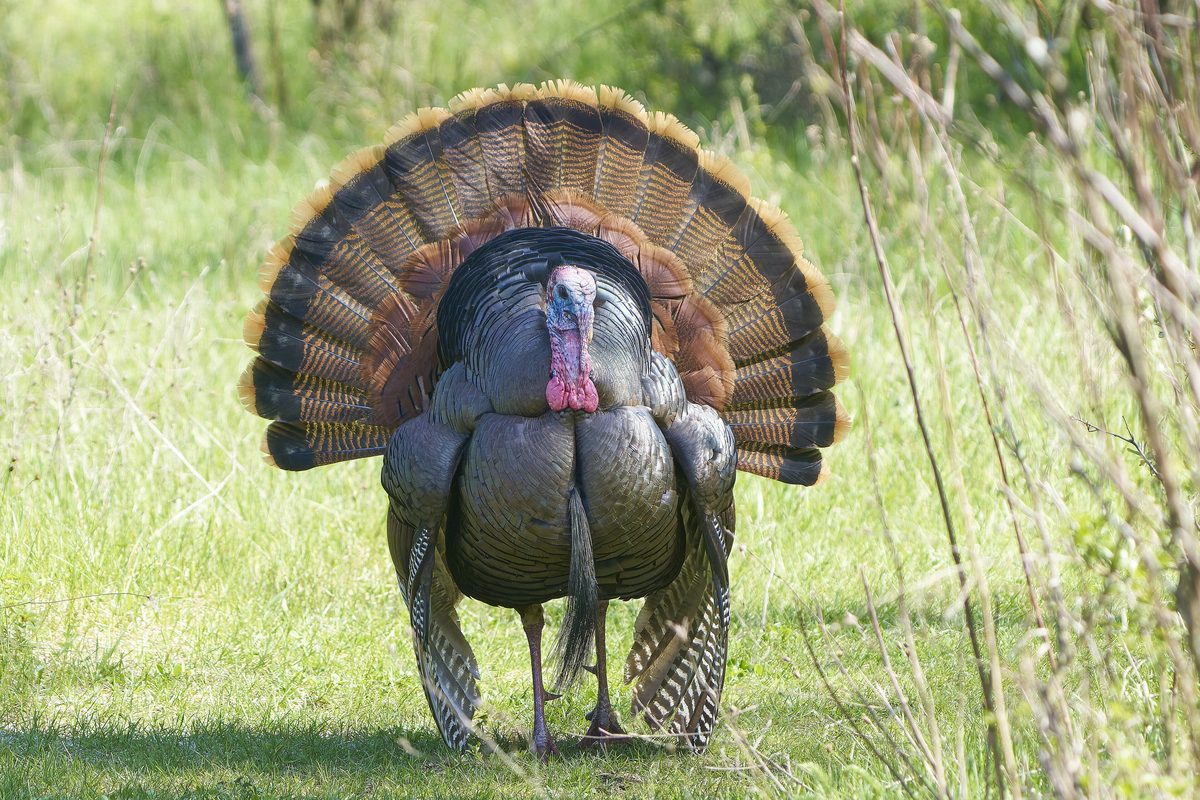
Small Game & Birds
Turkey, pheasant, grouse, quail, ducks, geese, rabbits, squirrels and predators.
Turkey Hunting
Calling, shotguns, bows, camo, blinds, scouting, and spring vs fall.
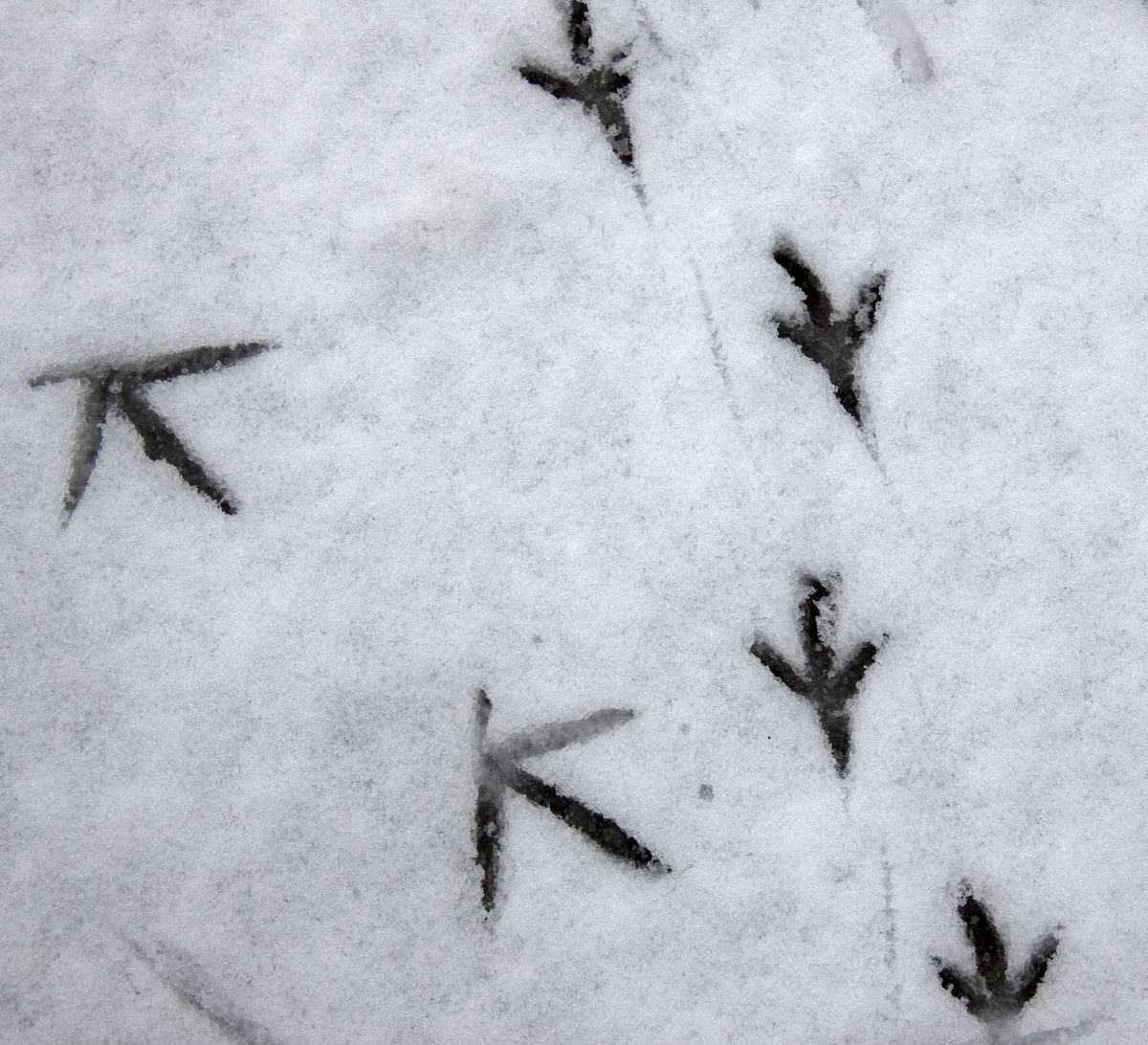
Species Finder
Search every species and filter by tracks, droppings and sign, harvest, or skinning.
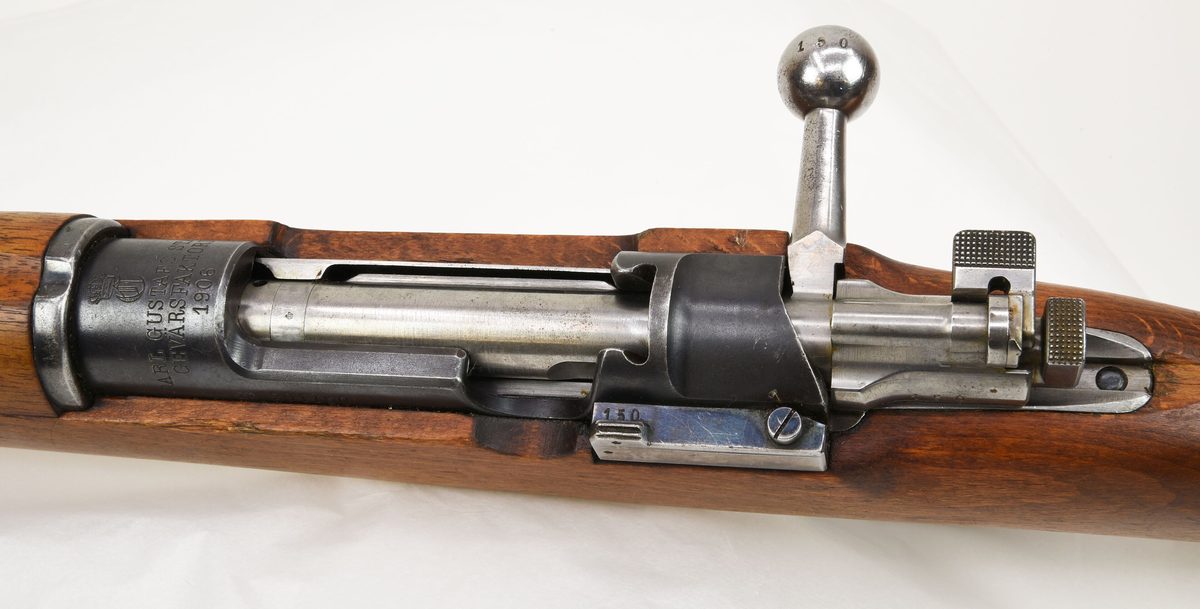
Rifle Hunting
Cartridges, zero, field positions, wind, and shot placement.
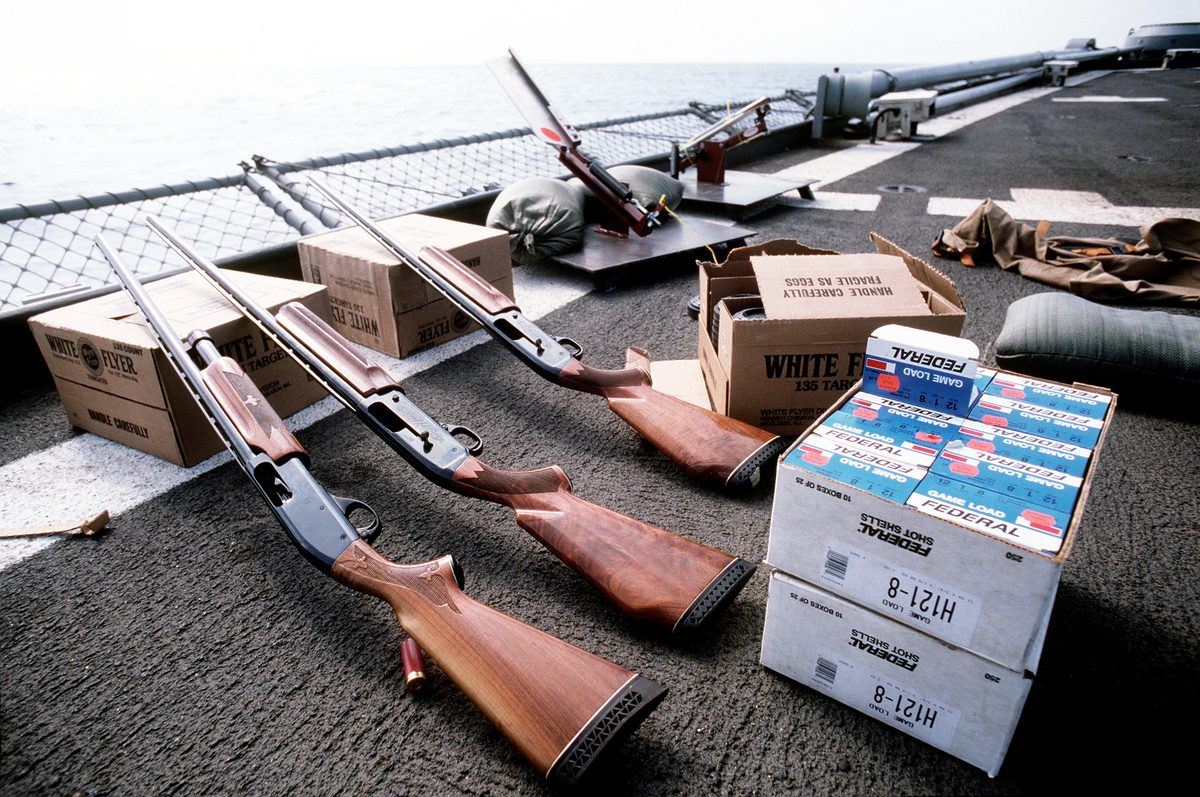
Shotgun Hunting
Gauges, chokes, shot size, and lead for birds and slug country.
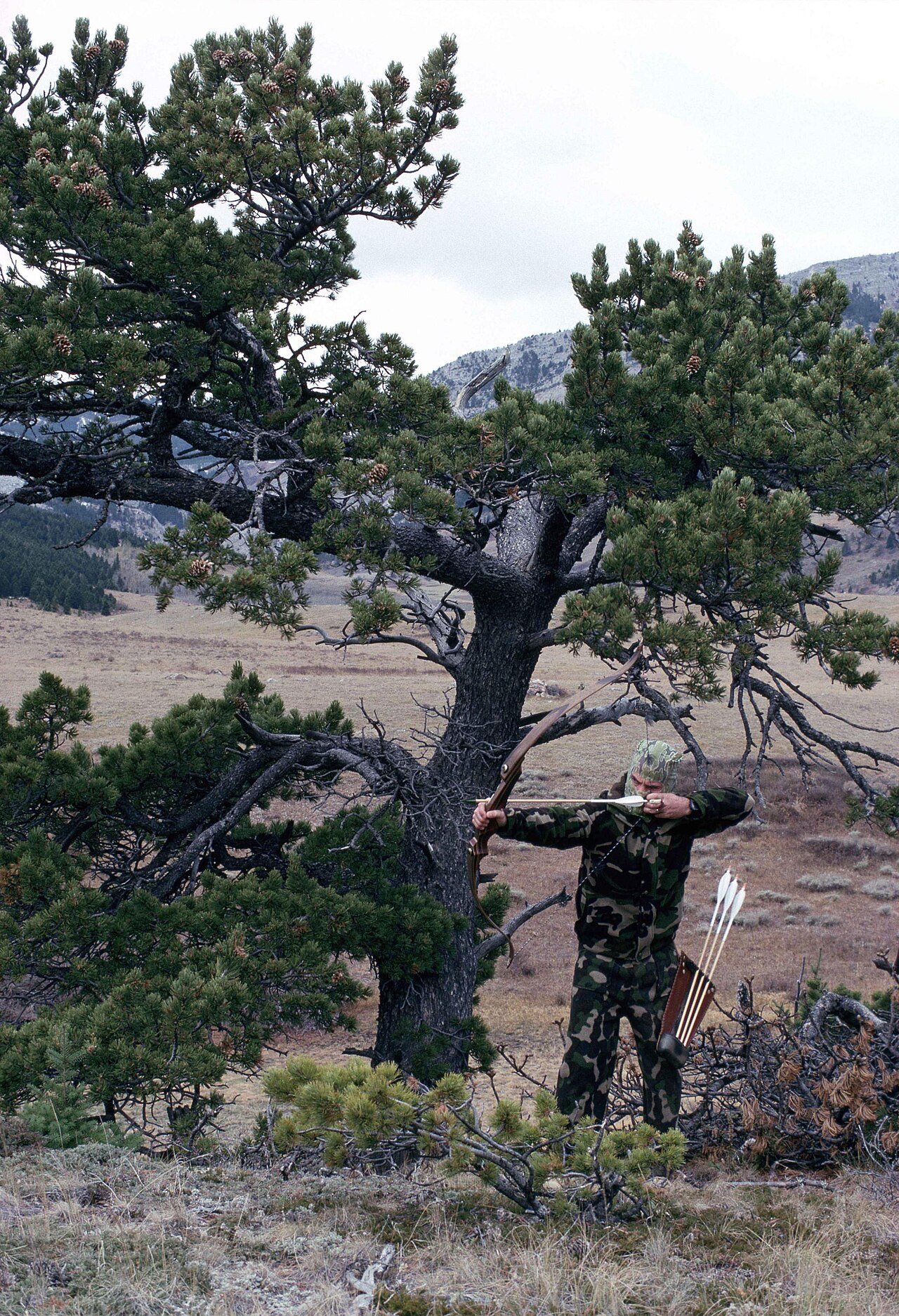
Recurve & Traditional Bow
Instinctive shooting, draw weight, arrow spine, and close-range craft.
Traditional Archery Hub
Eleven recurve and longbow guides: form, aiming, spine, tuning, and building tackle.
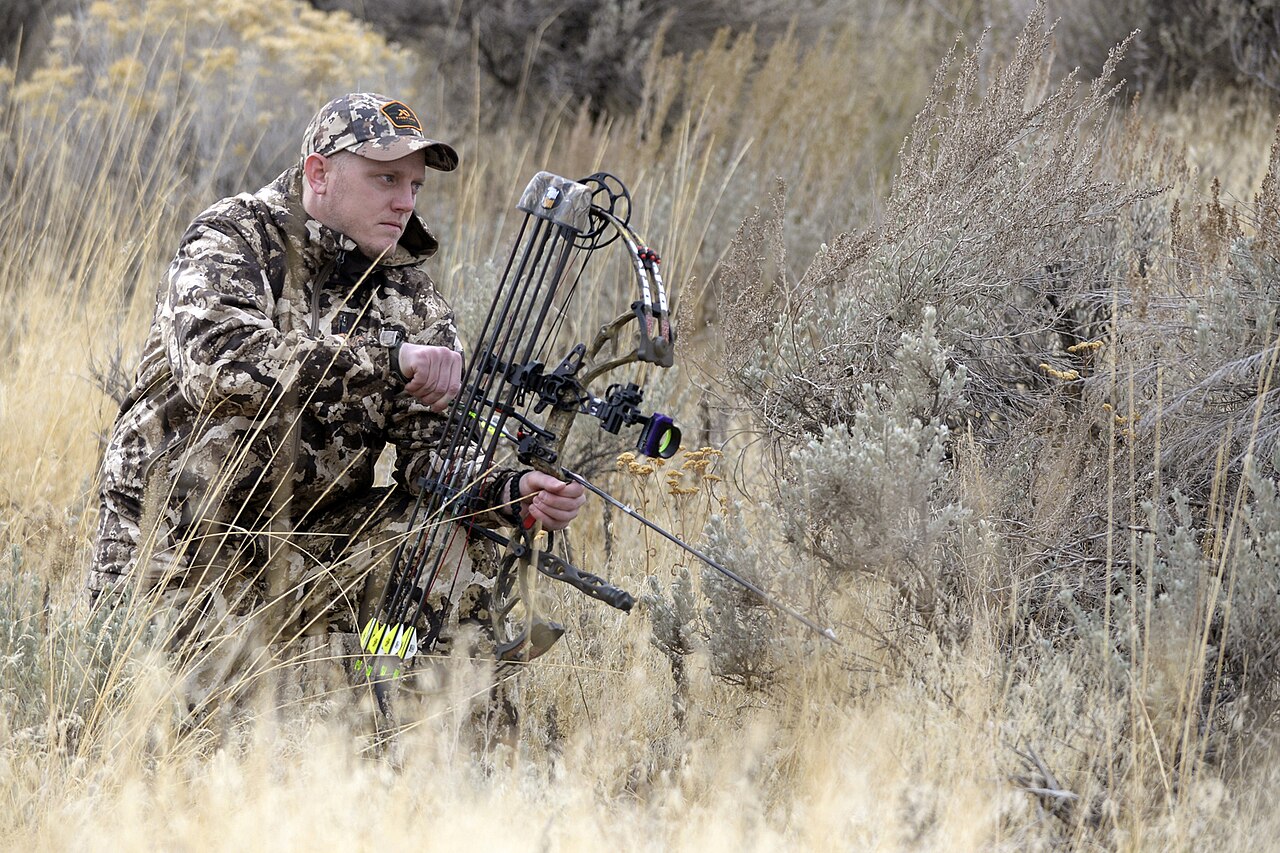
Compound Bow Hunting
Draw length, sight and rest setup, broadhead tuning, and shot process.
Hunting Tips
Wind discipline, stand placement, blood trailing, and meat care.
Keep going
Related reading
Deer Hunting by State
All 50 states ranked, with seasons, tags and laws.
Read →Deer Season Calendar
Every state's season dates, tag costs and public land, side by side.
Read →Big Game Hunting
Whitetail, mule deer, elk, moose and bear profiles.
Read →Rifle Hunting
Cartridges, zero, positions and shot placement.
Read →Bowhunting
Setups, arrows, broadheads and treestand craft.
Read →Venison Recipes
Camp and home recipes for the deer you bring back.
Read →Top 10 lists
Best in category: hunting gear
Ranked picks with real product photos, specs, and editor notes — the buying side of everything covered in these guides.
Best Hunting Rifles
Bolt guns from budget workhorses to mountain rifles.
See the ranking →Best Upland Shotguns
Over-unders and light autos built to carry all day.
See the ranking →Best Waterfowl Shotguns
3.5-inch guns that keep cycling through mud and ice.
See the ranking →Best Deer Hunting Shotguns
Rifled slug guns for shotgun-only whitetail country.
See the ranking →Best Compound Bows
Forgiving, quiet compounds that tune without a fight.
See the ranking →Best Recurve Bows
Hunting recurves that shoot quiet and hold up outside.
See the ranking →Also on The Wild10
Fishing Guides
Fish identification, the knots that hold, lure selection by conditions, and the habits that fill a stringer.
Open the fishing hub →