
Hunting · Deer by State · Ranked #20 of 50
North Dakota Deer Hunting
Badlands mule deer, river-bottom whitetails, and a million-plus acres of PLOTS walk-in land make North Dakota a lottery-tag sleeper for trophy deer.
North Dakota is a state of two deer herds. The rugged Badlands and rolling prairie of the west hold mule deer along with whitetails, while the Missouri Coteau, Red River Valley farmland, and wooded river bottoms of the east and central regions are classic big-woods-meets-farmland whitetail country.
Unlike many neighboring Midwest states, North Dakota controls essentially all deer hunting through a unit-based lottery — there is no over-the-counter deer license for residents or nonresidents, so hunters must apply well in advance and build preference through bonus points to improve their odds in top units.
The state has trimmed licenses in recent years to manage herd numbers, with 42,300 licenses issued for 2025, down from roughly 50,100 in 2024, meaning both units and species allocations shift year to year and deserve fresh research before you apply.
- Wild10 rank
- #20 · Very good
- 2025 licenses issued
- 42,300 (down ~7,800 from 2024)
- Licensing system
- Lottery/drawing only — no over-the-counter deer tags
- Species
- White-tailed deer statewide; mule deer concentrated in the west
- Gun season
- Early Nov. – late Nov., roughly a 2-week season
- Public walk-in access
- PLOTS program — over 750,000 acres of enrolled private land
- Nonresident access
- Limited nonresident licenses awarded by unit lottery
01
North Dakota deer hunting by the numbers
Where North Dakota sits nationally, and the figures behind our rank of #20 of 50.
| Statistic | Value |
|---|---|
| 2025 total deer licenses | 42,300, down from ~50,100 in 2024 |
| Muzzleloader license change | Decreased by 150 licenses for 2025 |
| PLOTS enrolled acreage | Historically 700,000–800,000+ acres of walk-in private land statewide |
| Nonresident deer lottery | Unit-by-unit bonus-point drawing; some units require many points to draw |
02
North Dakota deer seasons (2025-26)
All North Dakota deer seasons and unit boundaries are set annually and licenses are lottery-only — check the current Game and Fish deer hunting guide and unit maps before applying.
| Season | Weapon | Typical window | Notes |
|---|---|---|---|
| Archery (resident youth) | Bow / crossbow | Early Sept. – early Jan. | Long-running statewide archery window with a separate youth opener |
| Archery (general) | Bow / crossbow | Early Sept. – early Jan. | Statewide by unit-specific license |
| Gun (regular firearms) | Rifle, shotgun, muzzleloader-legal centerfire | Early-to-mid Nov. – late Nov. | Main statewide season, roughly two weeks, opens on a Friday |
| Muzzleloader | Muzzleloader | Late Nov. – early Dec. | Separate lottery license, runs after the regular gun season |
| Youth gun season | Rifle | Weekend before the general gun opener | For licensed youth hunters with adult supervision |
03
North Dakota deer tags & licenses
North Dakota deer hunting is unit-based and entirely lottery-controlled — hunters apply by preferred unit and species (whitetail or mule deer, antlered or antlerless) and draws are processed with a bonus-point weighting system.
Total statewide license numbers are set each spring based on population surveys and have been trending down, so competition for licenses, especially in top mule deer units in the Badlands, has increased.
Nonresidents face additional restrictions and a separate, smaller nonresident lottery pool for many units, with bonus points accumulating for unsuccessful applicants.
Nonresidents cannot buy an over-the-counter deer license; they must apply in the spring lottery for a limited nonresident allocation in a chosen unit, and odds vary hugely by unit and license type — check the Nonresident Deer Lottery Stats before applying.
North Dakota's deer lottery uses a bonus-point system: unsuccessful applicants accrue points that improve future odds, and popular Badlands mule deer units can require multiple years of points to draw.
04
What North Dakota deer licenses cost
| License / tag | Price |
|---|---|
| Resident deer gun license | approx. $30–$40 |
| Resident deer bow license | approx. $30 |
| Nonresident deer gun license | approx. $220–$275, where available |
| Nonresident deer bow license | approx. $220, where available |
| Application/lottery fee | approx. $5 per application |
05
North Dakota deer hunting laws you must know
The rules that catch hunters out most often. Not a substitute for the regulations book.
| Topic | Rule |
|---|---|
| Blaze orange | Hunters must wear a blaze orange cap and vest, coat, or sweatshirt (outer garment) visible from all sides during any gun deer season. |
| Baiting/feeding | Baiting deer is illegal statewide in North Dakota, and supplemental feeding restrictions apply in CWD-affected units. |
| Crossbow legality | Crossbows are legal for any hunter during archery deer season with no special permit required. |
| Sunday hunting | Sunday deer hunting is allowed in North Dakota. |
| Legal firearms | Centerfire rifles, shotguns with slugs, and muzzleloaders are legal during the appropriate season; handguns of adequate caliber are also permitted for gun season. |
| Tagging/harvest reporting | Harvested deer must be tagged immediately with the license tag, and hunters are required to report their harvest (or lack of harvest) through the Game and Fish reporting system. |
| CWD carcass transport | Special carcass import/movement restrictions apply for deer taken in or brought into designated CWD zones; check current-year zone maps before transporting a carcass. |
| Hunter education | Anyone born after Dec. 31, 1961 must complete hunter education to obtain a North Dakota hunting license. |
06
What to expect hunting deer in North Dakota
The landscape splits east-west: the Badlands and Missouri Plateau in the west hold classic mule deer terrain of buttes, draws, and sagebrush breaks alongside whitetails in the river bottoms, while the Drift Prairie and Red River Valley in the east are farmland and shelterbelt country dominated by whitetails.
Because every license is unit-specific and lottery-drawn, hunting pressure within a given unit is capped by the number of tags issued, generally producing a lower-pressure experience than over-the-counter Midwest states.
The rut in North Dakota typically peaks in mid-November, aligning closely with the state's gun season timing most years.
Weather is a defining factor for the November gun season — early snow, high winds, and sub-freezing temperatures are common on the open prairie and Badlands, so cold-weather readiness matters as much as scouting.
07
North Dakota deer hunting tips
Field-tested advice specific to this state's deer, terrain and pressure.
- 1Apply for your preferred unit and species every year even if you don't draw — North Dakota's bonus-point system rewards persistence, especially for premium Badlands mule deer units.
- 2Use the Game and Fish PLOTS guide/app to map yellow-signed walk-in tracts before the season; boundaries and enrollment change annually.
- 3Layer for genuinely cold, windy conditions during the November gun season — the open prairie and Badlands offer little wind protection.
- 4Scout river-bottom cover and shelterbelts in farmland units; these narrow travel corridors concentrate whitetail movement between crop fields.
- 5In the Badlands, glass from high points at dawn and dusk before committing to a stalk — mule deer there are visible at long range across open country.
- 6Check current CWD zone boundaries and carcass transport rules before you hunt or transport a harvested deer out of a management zone.
- 7Because gun licenses are strictly limited and unit-specific, decide on a target unit early and research recent harvest success rates for that unit before applying.
Why North Dakota ranks #20 for deer hunting
North Dakota mixes big-buck genetics from both whitetails in the river-bottom farmland east and mule deer in the badlands west, on a landscape stitched together by the state's massive PLOTS (Private Land Open To Sportsmen) walk-in program. Licenses are lottery-controlled and getting tighter as the herd is managed down — 42,300 licenses were issued for 2025, about 7,800 fewer than 2024 — which keeps quality high but makes nonresident draw odds a real planning factor.
Tier: Very good · Species: White-tailed deer, Mule deer
Where to hunt deer in North Dakota
Public land is limited in North Dakota compared to mountain states, but the PLOTS walk-in program on enrolled private land is the backbone of accessible hunting, supplemented by national grassland and Corps of Engineers land.
Little Missouri National Grassland
National grassland · Western North Dakota (Badlands)
Over a million acres of rugged Badlands terrain — the state's premier public-land destination for mule deer and Badlands whitetails.
Official pagePLOTS (Private Land Open To Sportsmen)
Walk-in access · Statewide, concentrated in farmland and Badlands-adjacent regions
Hundreds of thousands of acres of enrolled private land opened for walk-in public hunting, marked with yellow PLOTS signs; no landowner permission required.
Official pageSheyenne National Grassland
National grassland · Southeastern North Dakota
Mixed prairie and woodland tract offering public whitetail hunting in the Red River Valley region.
Official pageLake Sakakawea Corps of Engineers land
Federal land · West-central North Dakota
Public land along the reservoir shoreline mixing river-bottom cover with prairie, holding both whitetails and mule deer.
Theodore Roosevelt National Park (viewing only, no hunting)
National park · Western North Dakota
Not huntable itself, but surrounding Little Missouri National Grassland units offer similar Badlands terrain and deer densities.
State Wildlife Management Areas (statewide)
WMA · Statewide
Numerous smaller state-managed tracts open to public hunting, often bordering PLOTS land for larger connected hunting blocks.
Gear for North Dakota deer season
North Dakota's open, windswept terrain and cold November gun season call for serious wind-cut outerwear and quality glass for long-range Badlands spotting, plus sturdy boots for miles of prairie walking on PLOTS land.
- Best Hunting Rifles
Bolt guns from budget workhorses to mountain rifles.
- Best Compound Bows
Forgiving, quiet compounds that tune without a fight.
- Best Insulated Hunting Boots
Mid- to late-season boots for stand sits in the cold.
- Best Merino Base Layers
Next-to-skin wool for cold sits and long stalks.
- Best Hunting Jackets
Insulated and shell layers ranked by warmth-to-noise.
Watch: deer hunting in North Dakota
Real hunts and how-tos filmed in North Dakota, embedded from the creators' own channels with our notes on what to take from each.
Why watch: Rifle hunt through the North Dakota plains showing rut activity and buck encounters.
Why watch: Early-season bowhunting tradition and buck harvest footage from North Dakota.
Official North Dakota deer hunting resources
- North Dakota Game and Fish Department (home)
- Current deer regulations
- Buy licenses & tags
- ND Game and Fish 2024 Deer Hunting Guide
- ND Game and Fish Nonresident Deer Lottery Stats
- ND Game and Fish PLOTS Program
- ND Game and Fish Hunting Lotteries
- 'Deer Season Set, Apply Online' (2025)
- 2024 Deer Season Summarized
Last reviewed 2026-02. Found something out of date? Tell us in the community.
More state deer hunting guides
#2 of 50 · Elite
#4 of 50 · Elite
#13 of 50 · Excellent
#15 of 50 · Excellent
50 states covered. See the full ranking →
Questions
Frequently asked
- Can nonresidents hunt deer in North Dakota?
- Yes, but only through the spring lottery — nonresidents apply for a limited allocation of licenses by unit and species, and there is no over-the-counter deer license.
- How many deer licenses does North Dakota issue?
- The number varies by year based on herd surveys; North Dakota issued 42,300 licenses for 2025, about 7,800 fewer than the roughly 50,100 issued in 2024.
- Is baiting legal in North Dakota?
- No, baiting deer is illegal statewide, and supplemental feeding is further restricted in CWD-affected units.
- When is the rut in North Dakota?
- The rut typically peaks in mid-November, closely aligning with the state's gun deer season.
- Are crossbows legal in North Dakota?
- Yes, crossbows are legal for any hunter during archery season without a special permit.
- Does North Dakota require blaze orange?
- Yes, a blaze orange cap plus a vest, coat, or sweatshirt visible from all sides is required during any gun deer season.
- What's the difference between eastern and western North Dakota deer hunting?
- Eastern North Dakota is farmland and river-bottom whitetail country, while western North Dakota's Badlands hold mule deer alongside whitetails in a much more rugged, open landscape.
- What is PLOTS in North Dakota?
- PLOTS (Private Land Open To Sportsmen) is a state program that pays landowners to enroll private land for public walk-in hunting access, marked with yellow signs, forming the backbone of public deer hunting access in the state.
Every hunting guide
Hunting Hub
Where every hunting guide on The Wild10 starts.
Types of Game
Big game, small game, upland birds, and waterfowl — habitat and season.
Big Game
Deer, elk, moose, bear, hog and sheep — where to hunt, tags, and what to expect.
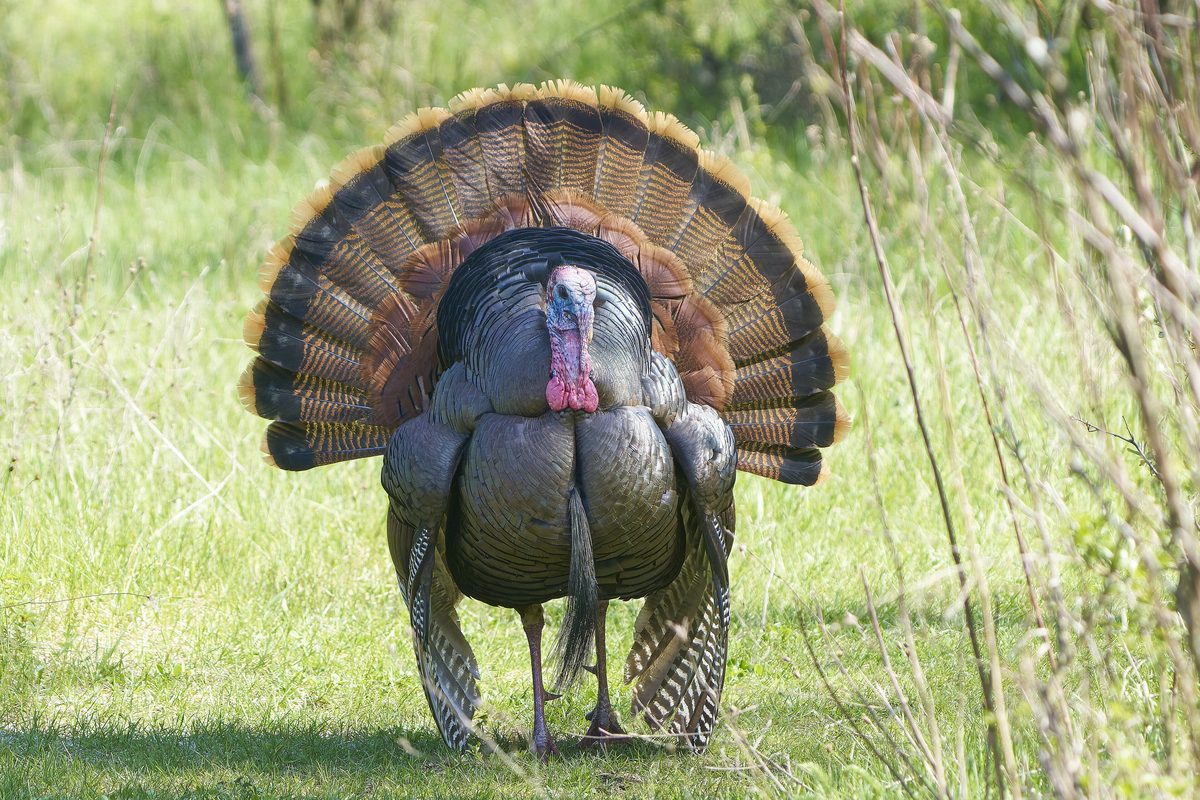
Small Game & Birds
Turkey, pheasant, grouse, quail, ducks, geese, rabbits, squirrels and predators.
Turkey Hunting
Calling, shotguns, bows, camo, blinds, scouting, and spring vs fall.
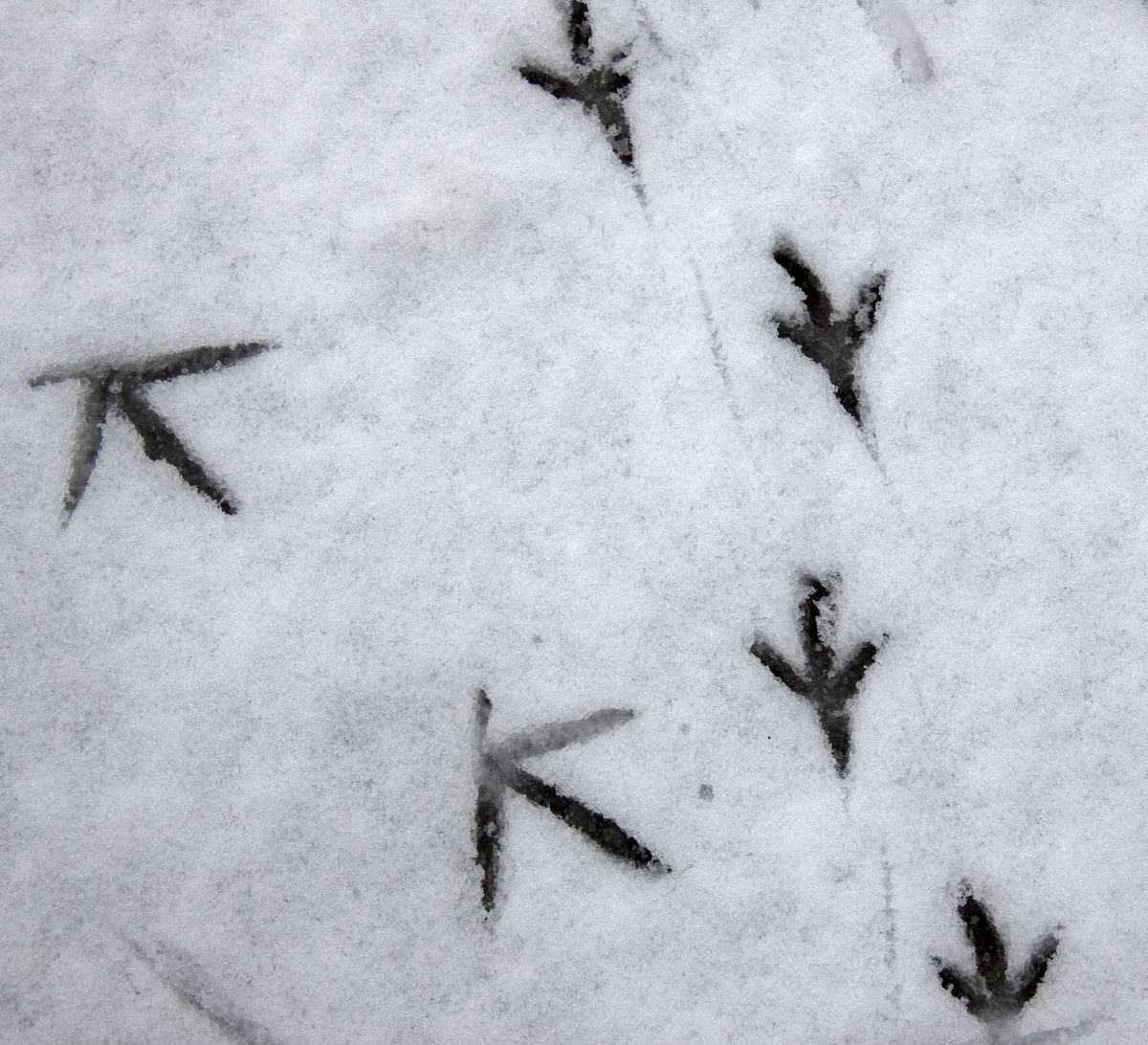
Species Finder
Search every species and filter by tracks, droppings and sign, harvest, or skinning.
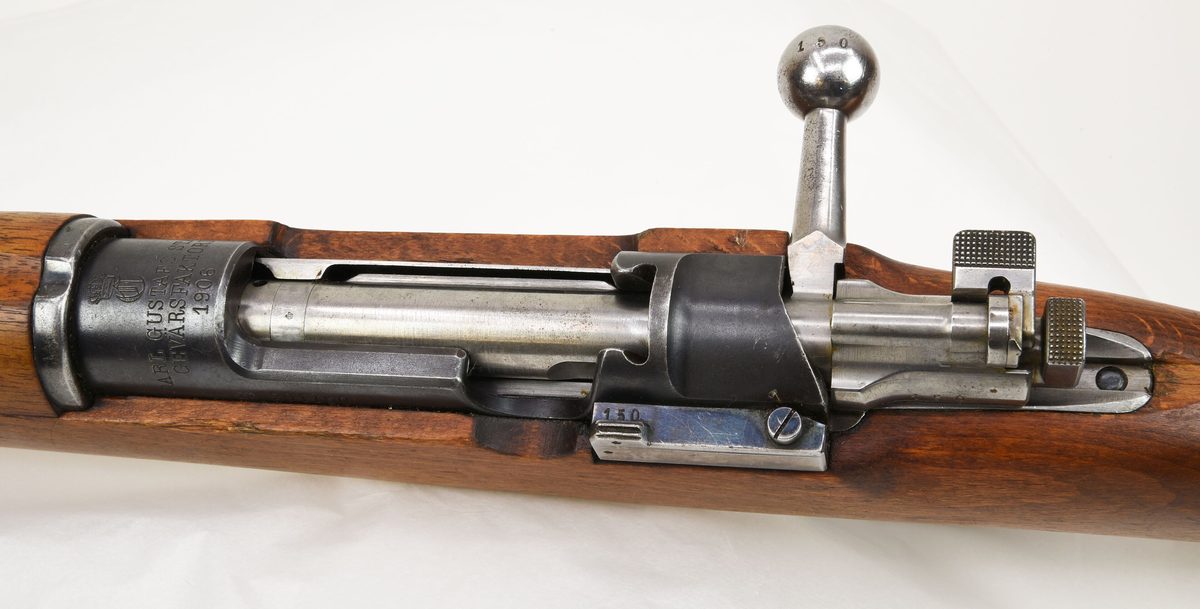
Rifle Hunting
Cartridges, zero, field positions, wind, and shot placement.
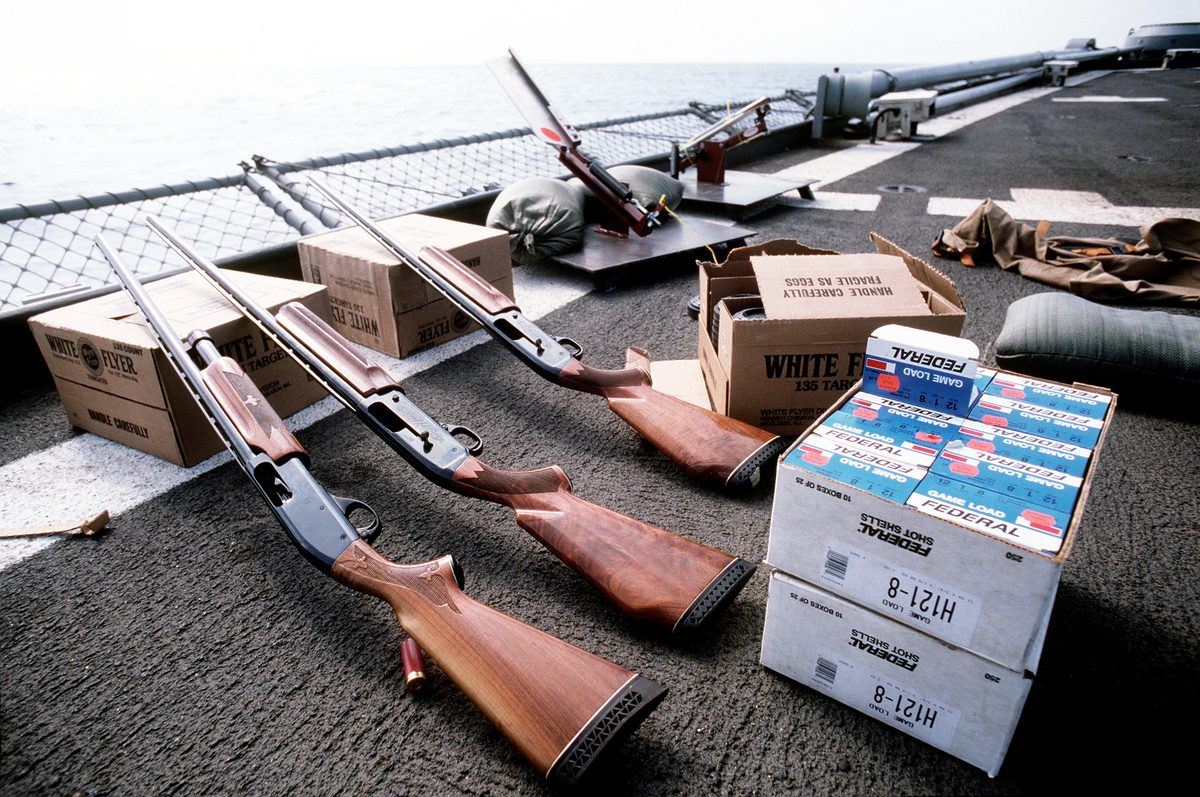
Shotgun Hunting
Gauges, chokes, shot size, and lead for birds and slug country.
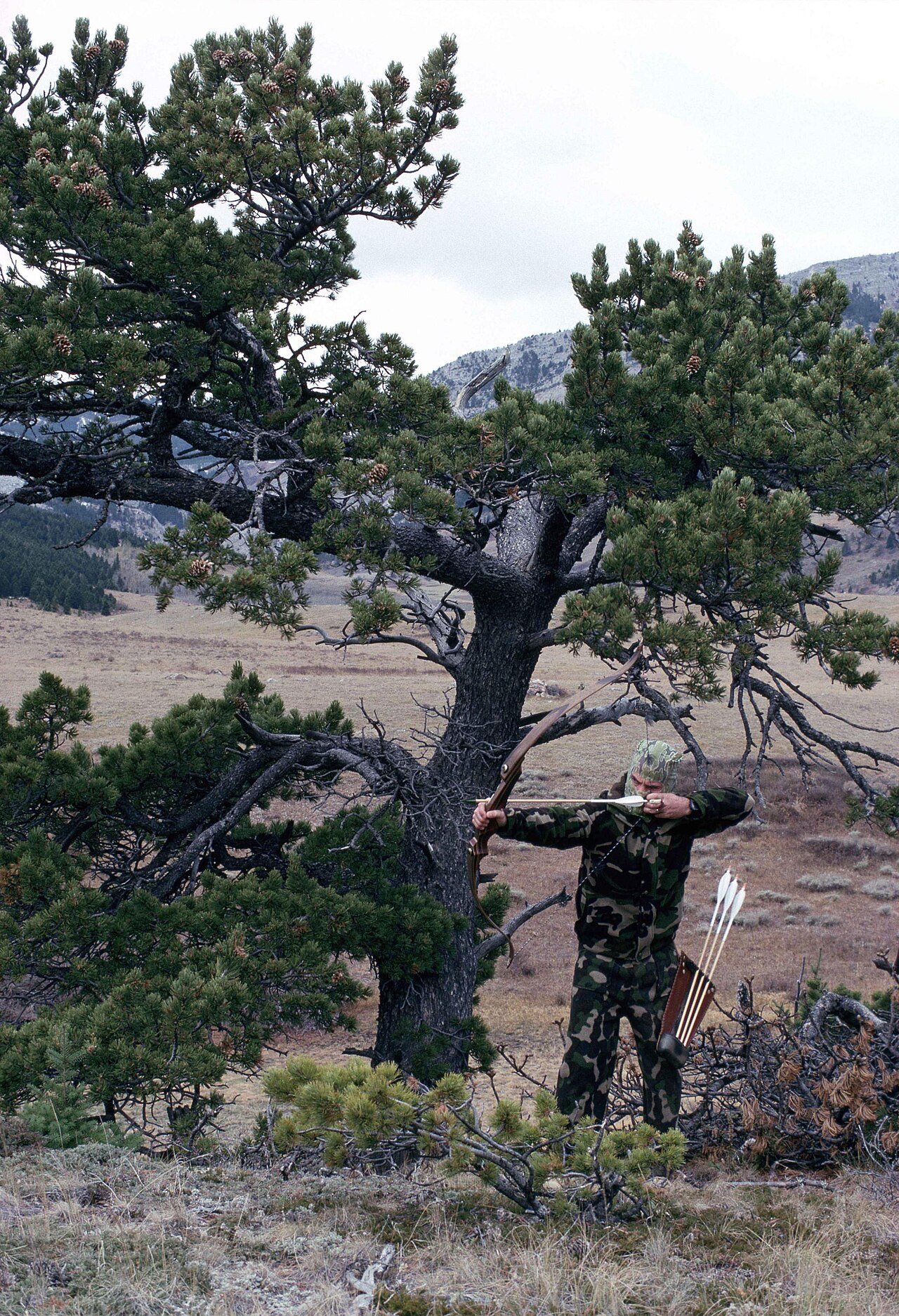
Recurve & Traditional Bow
Instinctive shooting, draw weight, arrow spine, and close-range craft.
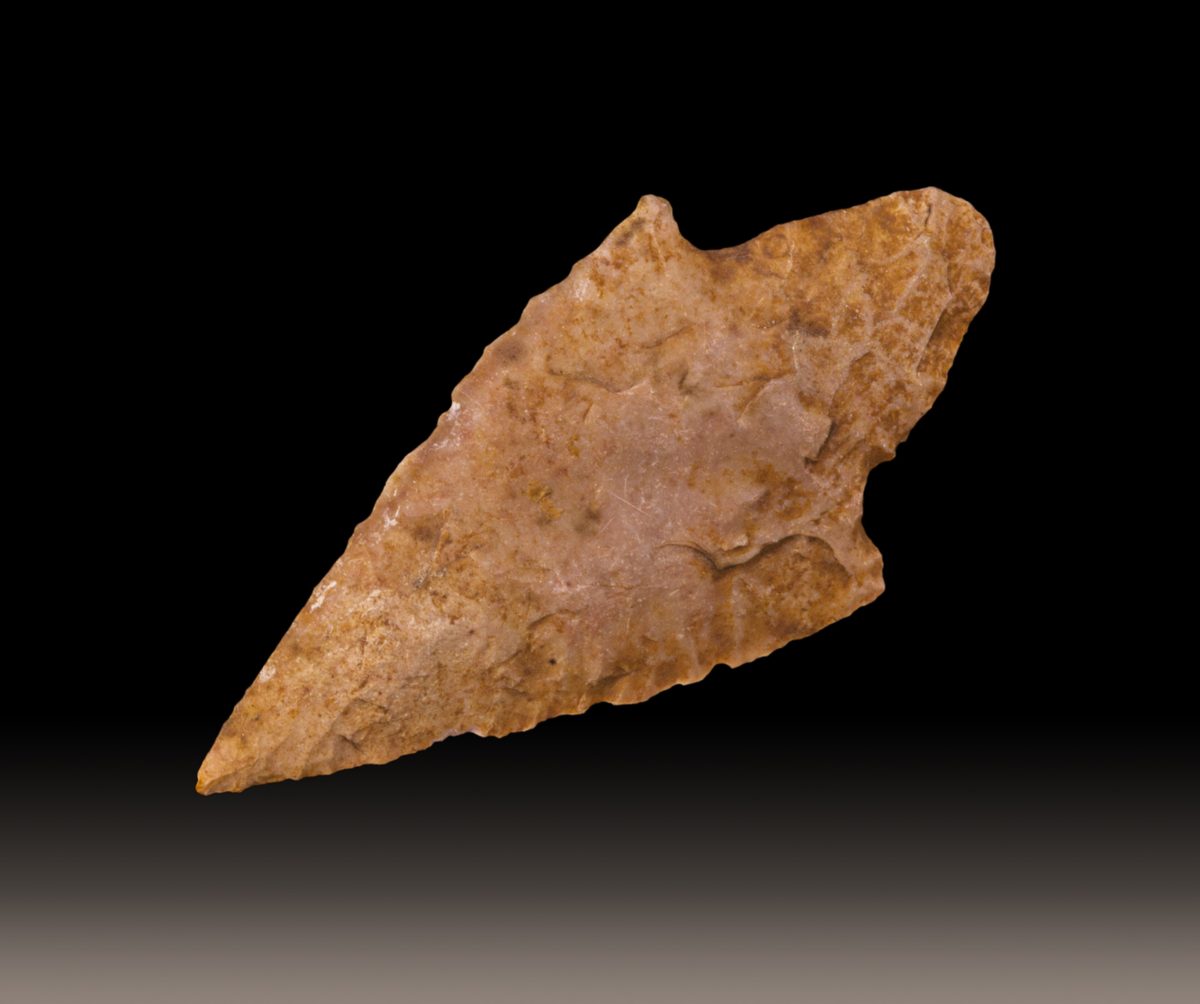
Traditional Archery Hub
Eleven recurve and longbow guides: form, aiming, spine, tuning, and building tackle.
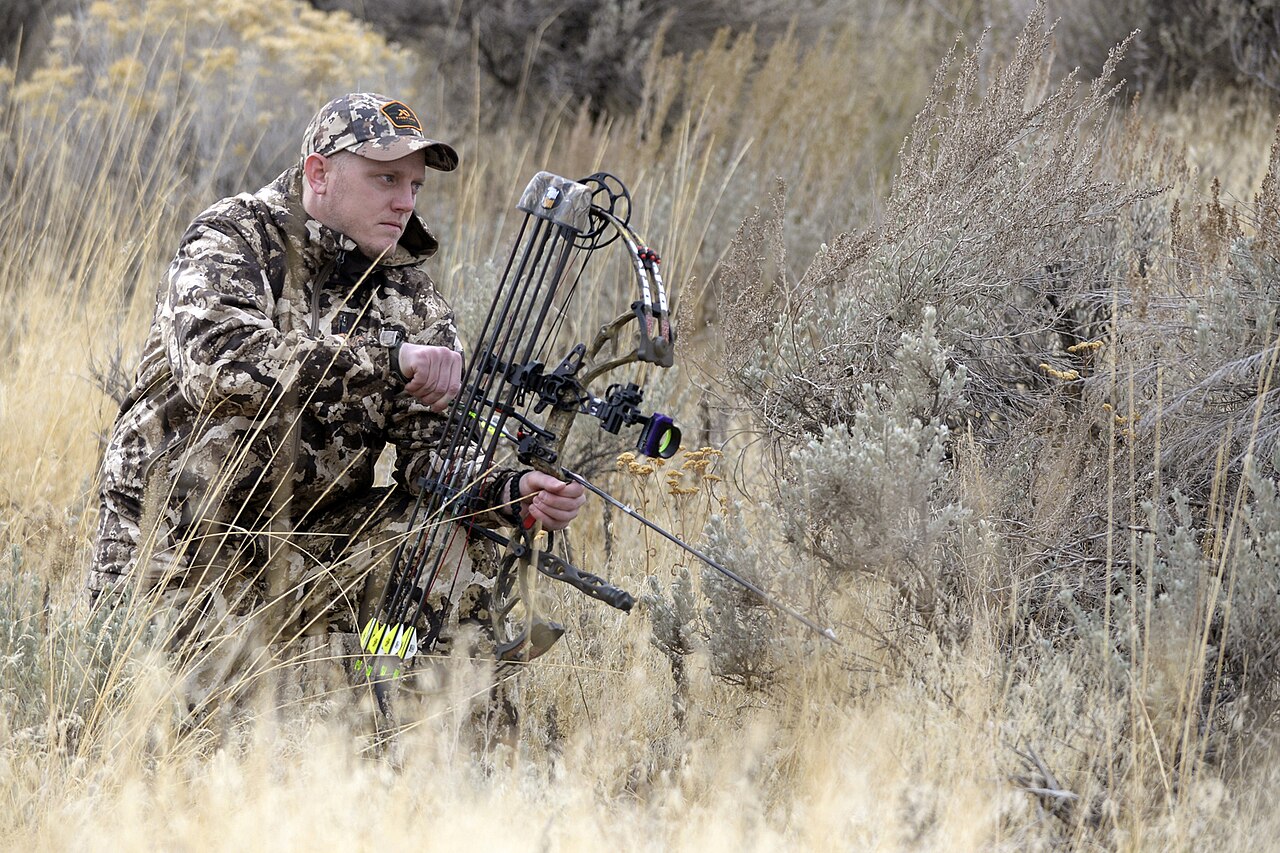
Compound Bow Hunting
Draw length, sight and rest setup, broadhead tuning, and shot process.
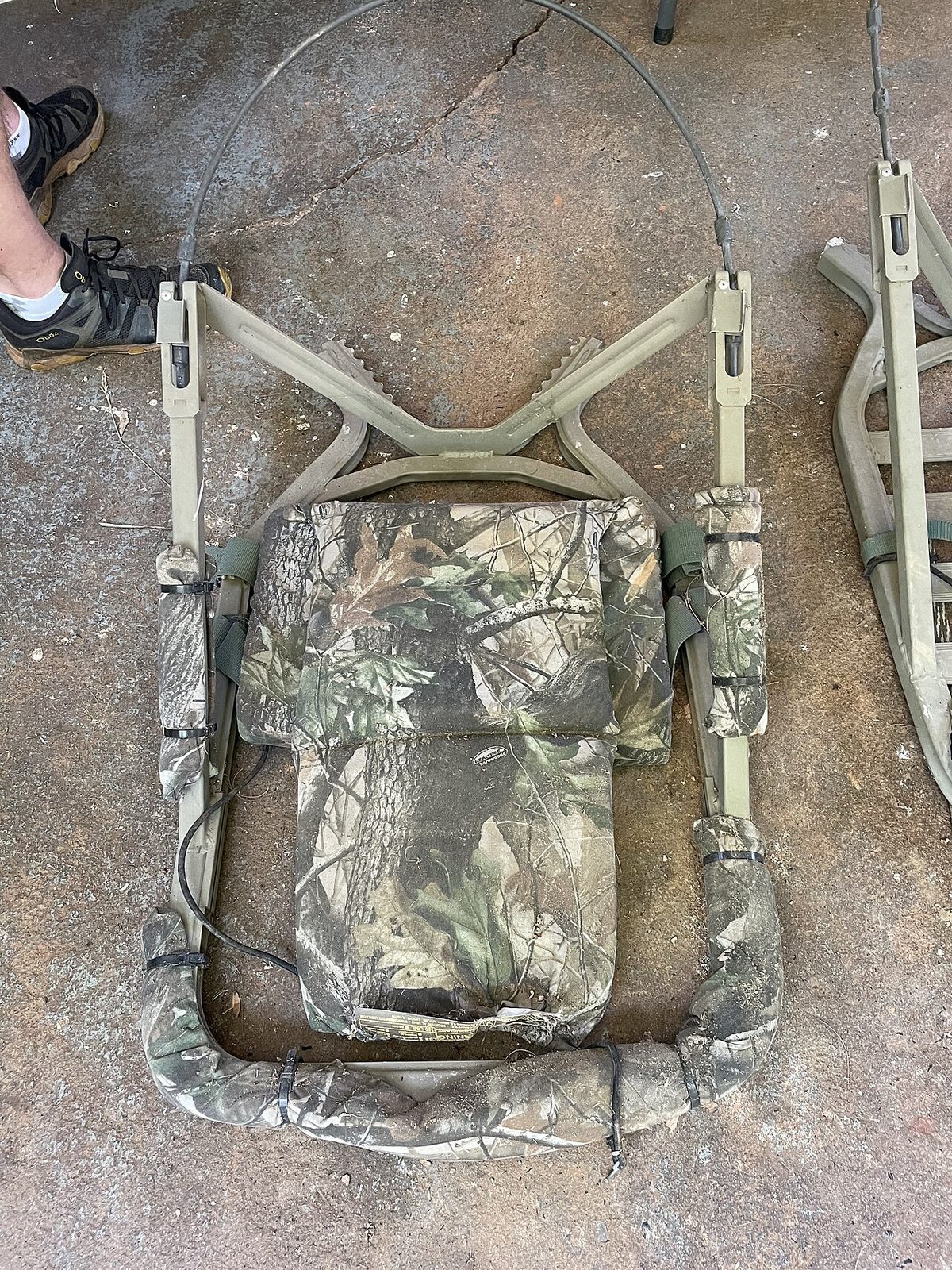
Hunting Tips
Wind discipline, stand placement, blood trailing, and meat care.
Keep going
Related reading
Deer Hunting by State
All 50 states ranked, with seasons, tags and laws.
Read →Deer Season Calendar
Every state's season dates, tag costs and public land, side by side.
Read →Big Game Hunting
Whitetail, mule deer, elk, moose and bear profiles.
Read →Rifle Hunting
Cartridges, zero, positions and shot placement.
Read →Bowhunting
Setups, arrows, broadheads and treestand craft.
Read →Venison Recipes
Camp and home recipes for the deer you bring back.
Read →Top 10 lists
Best in category: hunting gear
Ranked picks with real product photos, specs, and editor notes — the buying side of everything covered in these guides.
Best Hunting Rifles
Bolt guns from budget workhorses to mountain rifles.
See the ranking →Best Upland Shotguns
Over-unders and light autos built to carry all day.
See the ranking →Best Waterfowl Shotguns
3.5-inch guns that keep cycling through mud and ice.
See the ranking →Best Deer Hunting Shotguns
Rifled slug guns for shotgun-only whitetail country.
See the ranking →Best Compound Bows
Forgiving, quiet compounds that tune without a fight.
See the ranking →Best Recurve Bows
Hunting recurves that shoot quiet and hold up outside.
See the ranking →Also on The Wild10
Fishing Guides
Fish identification, the knots that hold, lure selection by conditions, and the habits that fill a stringer.
Open the fishing hub →