Hunting · Deer by State · Ranked #4 of 50
Texas Deer Hunting
More deer, more land, and more trophy management programs than any other state — if you can find a place to hunt them.
Texas holds more white-tailed deer than any other state — estimates run north of 5 million animals — and hunters harvest well over 700,000 of them most seasons, dwarfing every other state's numbers. General deer season is long, running from an early October archery opener through the first week of January in the North Zone, with an extended late season in parts of South Texas.
The catch is access. About 95% of Texas is privately owned, so most serious deer hunting happens on leased ranches, through outfitters, or on properties enrolled in TPWD's Managed Lands Deer Program (MLDP), which grants extended seasons and more liberal tags in exchange for habitat management. Public hunting exists through TPWD's Annual Public Hunting (APH) permit and drawn hunts on wildlife management areas, but competition for the best public tracts is stiff.
Texas is really several different deer-hunting states in one: the Hill Country and South Texas brush country are famous for trophy management and genetics, the Pineywoods of East Texas hold classic Southern bottomland whitetails, and the Trans-Pecos and Panhandle hold the state's mule deer population.
- Wild10 rank
- #4 · Elite
- Estimated statewide deer population
- 5+ million white-tailed deer
- Typical annual harvest
- 700,000+ deer
- Season length (North Zone)
- Early Oct archery – early Jan, longer under MLDP
- Nonresident general hunting license
- $315 (2025)
- CWD status
- Detected in multiple containment/surveillance zones
- Public land style
- Annual Public Hunting permit + drawn WMA hunts
01
Texas deer hunting by the numbers
Where Texas sits nationally, and the figures behind our rank of #4 of 50.
| Statistic | Value |
|---|---|
| Estimated statewide deer population | 5.3+ million white-tailed deer |
| Private land ownership share | ~95% of Texas land is privately owned |
| MLDP-enrolled acreage | Millions of acres statewide under Managed Lands Deer Program |
| Annual Public Hunting permit cost | $48 (2025-26) |
| Nonresident general hunting license | $315 |
02
Texas deer seasons (2025-26)
Texas splits into North and South deer zones with different open dates, and MLDP properties can run extended seasons and different bag limits — always confirm dates for your specific county in the TPWD Outdoor Annual.
| Season | Weapon | Typical window | Notes |
|---|---|---|---|
| Archery (North & South Zones) | Bow / crossbow | Oct. 4 – Nov. 2, 2025 | Statewide archery-only opener before general firearms season |
| General season, North Zone | Rifle, shotgun, muzzleloader, crossbow | Nov. 1, 2025 – Jan. 4, 2026 | Most of the state falls in the North Zone |
| General season, South Zone | Rifle, shotgun, muzzleloader, crossbow | Sept. 27 – Jan. 4, 2026 (special late opener in parts) | South Zone counties get an earlier opener and later close |
| Late/Special Late season, South Zone | Firearms, antlerless & spike only in many counties | Jan. 5 – 18, 2026 | Antlerless/spike-only late season in much of South Texas |
| Muzzleloader-only | Muzzleloader | Early Jan. in select East Texas counties | Applies mainly to national forest counties |
| Youth-only seasons | Any legal firearm/archery | Weekends before archery opener and in early January | Special youth weekends bracket the regular seasons |
| MLDP extended seasons | Varies by property | Often extends well past general close, into February on some properties | Only on properties enrolled in TPWD's Managed Lands Deer Program |
03
Texas deer tags & licenses
Texas has no statewide lottery draw for general deer hunting — hunters buy a hunting license plus tags that come printed on it, and tag deer directly using the license.
TPWD's Managed Lands Deer Program (MLDP) lets private landowners set customized season lengths and bag limits for their properties, issuing MLDP tags to hunters on those ranches.
Public land hunters typically need the Annual Public Hunting (APH) permit, or must apply for drawn hunts on specific wildlife management areas, some of which are quota-controlled.
Nonresidents buy a nonresident hunting license (or the limited nonresident license valid on specific public/leased land) and hunt under the same tags-on-license system as residents; there is no separate nonresident deer draw for general season.
TPWD conducts drawn hunts for many wildlife management areas and some public tracts through its online Drawn Hunt system; the Annual Public Hunting permit instead grants access to a large list of non-drawn public hunting units on a first-come basis.
04
What Texas deer licenses cost
| License / tag | Price |
|---|---|
| Resident hunting license (Super Combo) | $68 |
| Nonresident general hunting license | $315 |
| Nonresident special nonresident hunting license (limited) | $48 |
| Annual Public Hunting (APH) permit | $48 |
| WMA drawn hunt application | $3-$10 per hunt category |
05
Texas deer hunting laws you must know
The rules that catch hunters out most often. Not a substitute for the regulations book.
| Topic | Rule |
|---|---|
| Blaze orange | Texas has no statewide mandatory hunter orange law, though it is required on some public hunting lands and WMAs during gun season — check unit-specific rules. |
| Baiting/feeding | Baiting and feeding deer is legal on private land in most of Texas, except in the High Fence-restricted or CWD-specific counties where feeding restrictions apply; it is generally prohibited on public hunting lands. |
| Crossbow legality | Crossbows are legal for any hunter during archery and general seasons statewide, no special permit required. |
| Sunday hunting | Sunday hunting is legal statewide, including on most public hunting lands. |
| Legal firearms | Centerfire rifles, shotguns, muzzleloaders and crossbows are legal during general season; specific counties may restrict rifle calibers or require shotgun-only rules near urban areas. |
| Tagging/harvest reporting | Deer must be tagged immediately upon harvest using the license's tag, and hunters must complete mandatory harvest reporting for certain species/counties through the My Texas Hunt Harvest app or TPWD website. |
| CWD carcass transport | Whole carcasses from CWD zones and CWD containment/surveillance counties are subject to movement restrictions; deboned meat, cleaned skulls/antlers, and hides can generally be moved out of the zone. |
| Hunter education | Anyone born on or after Sept. 2, 1971 must complete a hunter education course before hunting alone in Texas. |
06
What to expect hunting deer in Texas
Texas deer hunting looks completely different depending on region: the Edwards Plateau (Hill Country) and South Texas brush country hold the state's densest deer populations and best-known trophy management ranches, the Pineywoods of East Texas are classic Southern hardwood-bottom whitetail country, and the arid Trans-Pecos and Panhandle hold most of the state's mule deer.
Access is the defining challenge — with roughly 95% of the state privately owned, most quality hunting happens through leases, outfitters, or MLDP-enrolled ranches rather than walk-in public land.
The rut varies enormously by region and even by county due to differing deer densities and buck-to-doe ratios; South Texas and the Hill Country often peak in November to December, while some East Texas counties see earlier or more compressed rutting activity.
Deer size and antler quality vary widely — South Texas brush country and well-managed Hill Country ranches are known for producing genuinely large-bodied, heavy-antlered bucks, while deer in poorer habitat or unmanaged areas run smaller.
07
Texas deer hunting tips
Field-tested advice specific to this state's deer, terrain and pressure.
- 1Start looking for a hunting lease or outfitter early — the best South Texas and Hill Country properties book up well before archery season opens.
- 2Apply for TPWD's Annual Public Hunting permit if you don't have private land access; it's inexpensive and opens more than a million acres statewide, though quality varies by unit.
- 3Check which deer zone (North or South) and specific county rules apply before you hunt — season dates, antler restrictions, and bag limits can differ significantly county to county.
- 4If chasing trophy potential, target MLDP-enrolled ranches in South Texas or the Hill Country, where extended seasons and management produce older age-class bucks.
- 5Watch for antler restriction counties, common across much of the eastern half of the state, which require a legal buck to have an inside spread of at least 13 inches or be unbranched (a spike).
- 6In the Trans-Pecos, glass open country at dawn and dusk for mule deer rather than still-hunting — visibility often exceeds a mile.
- 7Complete mandatory harvest reporting through the My Texas Hunt Harvest app promptly, especially in counties or for species requiring it.
- 8If hunting inside a CWD zone, know carcass movement rules before transporting a deer out of the containment or surveillance area.
Why Texas ranks #4 for deer hunting
Texas is the undisputed volume king of American deer hunting: an estimated 5+ million whitetails statewide, an annual harvest regularly exceeding 700,000 deer, and a long, generally over-the-counter season structure with no statewide draw requirement for general deer tags. The Hill Country and South Texas brush country produce some of the finest trophy management programs in the nation, though the catch is that roughly 95% of Texas land is privately owned, so access usually means leasing, booking an outfitter, or drawing one of TPWD's public land permits.
Tier: Elite · Species: White-tailed deer, Mule deer
Where to hunt deer in Texas
Public deer hunting in Texas runs through TPWD's wildlife management areas and the Annual Public Hunting permit program, which bundles access to more than a million acres of leased and public land.
Gene Howe Wildlife Management Area
WMA · Panhandle
A large public tract along the Canadian River known for both whitetail and some mule deer hunting opportunities in the northern Panhandle.
Official pageElephant Mountain Wildlife Management Area
WMA · Trans-Pecos
A rugged desert-mountain WMA near Alpine offering drawn mule deer and desert bighorn hunts in classic Trans-Pecos terrain.
James Daughtrey Wildlife Management Area
WMA · South Texas
Brush country habitat representative of the trophy-management region, with drawn hunts for whitetail.
Sam Houston National Forest (public hunting units)
National forest · East Texas
Part of the Annual Public Hunting program, offering Pineywoods bottomland habitat for whitetail hunters.
Angelina National Forest (public hunting units)
National forest · East Texas
Another East Texas national forest tract enrolled in the APH program with classic Southern hardwood deer habitat.
Kerr Wildlife Management Area
WMA · Hill Country
A research-oriented WMA in the Edwards Plateau demonstrating deer habitat management, with limited public hunts.
Chaparral Wildlife Management Area
WMA · South Texas
A large brush-country WMA offering drawn whitetail hunts representative of South Texas trophy management.
Gear for Texas deer season
Texas's warm early archery season, thick brush country, and long-range mule deer terrain call for versatile gear spanning lightweight camo to good glass for open-country hunts.
- Best Hunting Rifles
Bolt guns from budget workhorses to mountain rifles.
- Best Compound Bows
Forgiving, quiet compounds that tune without a fight.
- Best Spotting Scopes
Glassing scopes for judging animals a canyon away.
- Best Hunting Boots
Early-season to mountain boots ranked on fit and support.
- Best Hunting Pants
Softshell and brush pants that move quiet and shed weather.
- Best Rain Jackets & Pants
Hard shells that keep a hunt going through real weather.
Watch: deer hunting in Texas
Real hunts and how-tos filmed in Texas, embedded from the creators' own channels with our notes on what to take from each.
Why watch: Rut-timed bowhunt on a South Texas ranch, showing the brush-country trophy-management style Texas is known for.
Why watch: A Texas whitetail hunt filling multiple tags, illustrating the state's liberal tags-on-license bag limits.
Why watch: West Texas mule deer hunting, representative of Trans-Pecos spot-and-stalk terrain.
Why watch: Hill Country deer hunt near Mason, Texas, showing the antler-restriction spike/legal-buck rules common in the region.
Why watch: High-volume South Texas ranch hunting that shows why Texas leads the nation in annual deer harvest.
Official Texas deer hunting resources
- Texas Parks & Wildlife Department (home)
- Current deer regulations
- Buy licenses & tags
- TPWD Managed Lands Deer Program
- TPWD Public Hunting Lands
- TPWD CWD Information
- TPWD Deer Program
Last reviewed 2026-09. Found something out of date? Tell us in the community.
More state deer hunting guides
#2 of 50 · Elite
#13 of 50 · Excellent
#15 of 50 · Excellent
#19 of 50 · Very good
50 states covered. See the full ranking →
Questions
Frequently asked
- Can nonresidents hunt deer in Texas?
- Yes. Nonresidents buy a nonresident hunting license and hunt under the same tag-on-license system as residents; there is no general nonresident draw, though some public and WMA hunts require an application.
- Is baiting legal in Texas?
- Baiting and feeding deer is legal on private land across most of the state, though it's restricted or prohibited in some CWD-affected counties and on most public hunting lands.
- When is the rut in Texas?
- It varies widely by region and county; South Texas and the Hill Country often peak from November into December, while timing can differ significantly in East Texas and other regions.
- Are crossbows legal in Texas?
- Yes, crossbows are legal for any hunter during archery and general deer seasons with no special permit required.
- Do I need to draw a tag to hunt deer in Texas?
- No statewide draw is required for general deer hunting — tags come with your hunting license. Some WMA and public land hunts do require a separate drawn-hunt application.
- Does Texas have chronic wasting disease?
- Yes, CWD has been detected in multiple containment and surveillance zones around the state, and carcass movement restrictions apply within those zones.
- Why is Texas deer hunting mostly private land?
- About 95% of Texas is privately owned, so most quality deer hunting happens through leases, outfitters, or landowner permission rather than public land, though TPWD's Annual Public Hunting permit provides access to over a million acres statewide.
Every hunting guide
Hunting Hub
Where every hunting guide on The Wild10 starts.
Types of Game
Big game, small game, upland birds, and waterfowl — habitat and season.
Big Game
Deer, elk, moose, bear, hog and sheep — where to hunt, tags, and what to expect.
Small Game & Birds
Turkey, pheasant, grouse, quail, ducks, geese, rabbits, squirrels and predators.
Turkey Hunting
Calling, shotguns, bows, camo, blinds, scouting, and spring vs fall.
Species Finder
Search every species and filter by tracks, droppings and sign, harvest, or skinning.
Rifle Hunting
Cartridges, zero, field positions, wind, and shot placement.
Shotgun Hunting
Gauges, chokes, shot size, and lead for birds and slug country.
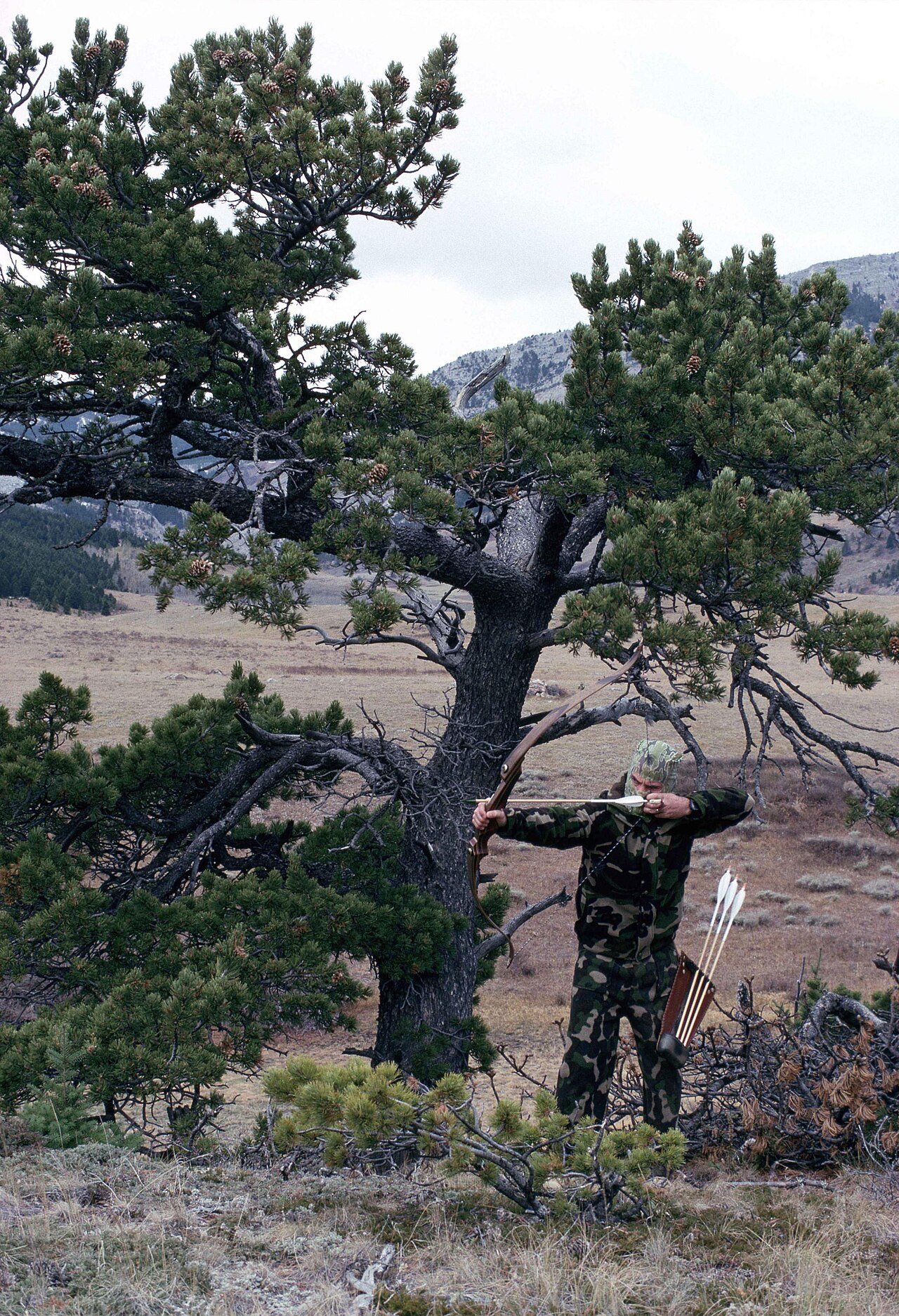
Recurve & Traditional Bow
Instinctive shooting, draw weight, arrow spine, and close-range craft.
Traditional Archery Hub
Eleven recurve and longbow guides: form, aiming, spine, tuning, and building tackle.
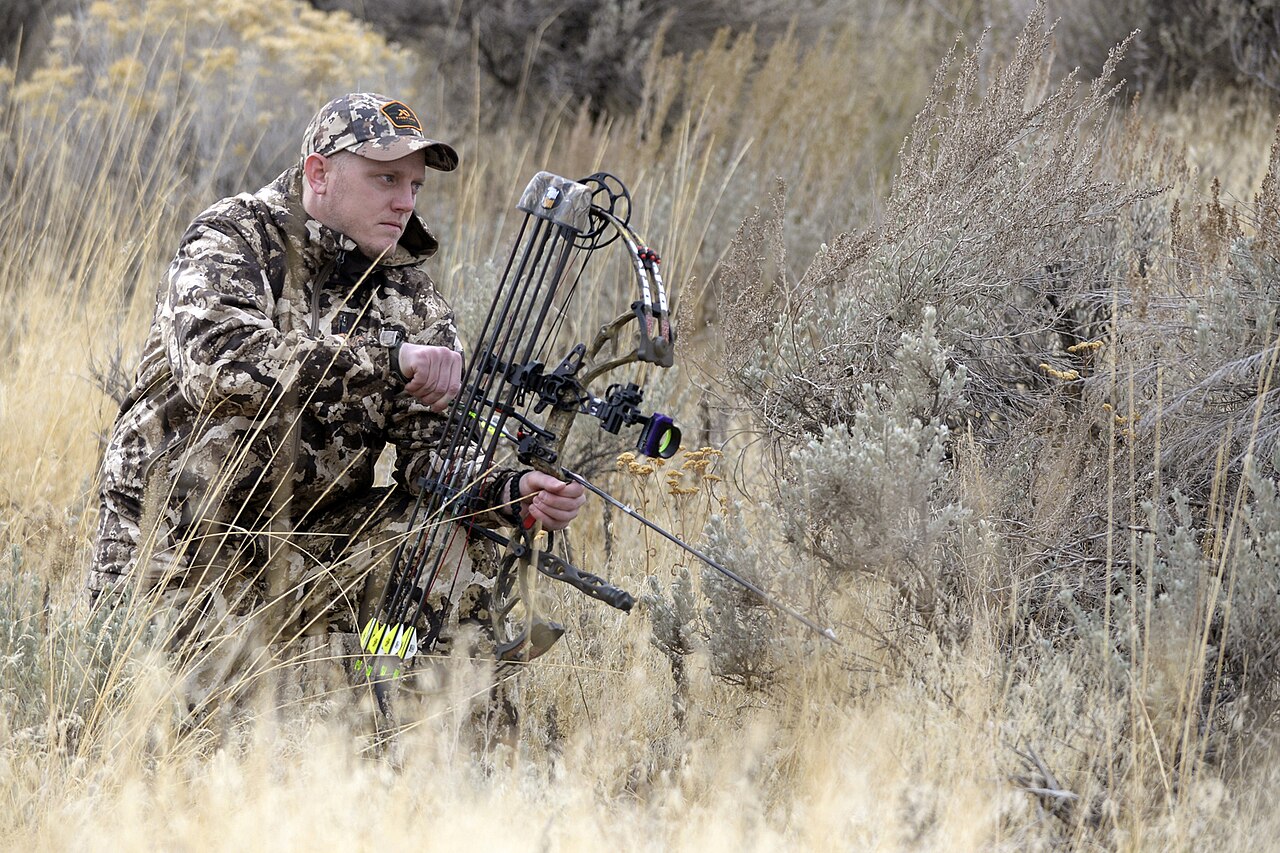
Compound Bow Hunting
Draw length, sight and rest setup, broadhead tuning, and shot process.
Hunting Tips
Wind discipline, stand placement, blood trailing, and meat care.
Keep going
Related reading
Deer Hunting by State
All 50 states ranked, with seasons, tags and laws.
Read →Deer Season Calendar
Every state's season dates, tag costs and public land, side by side.
Read →Big Game Hunting
Whitetail, mule deer, elk, moose and bear profiles.
Read →Rifle Hunting
Cartridges, zero, positions and shot placement.
Read →Bowhunting
Setups, arrows, broadheads and treestand craft.
Read →Venison Recipes
Camp and home recipes for the deer you bring back.
Read →Top 10 lists
Best in category: hunting gear
Ranked picks with real product photos, specs, and editor notes — the buying side of everything covered in these guides.
Best Hunting Rifles
Bolt guns from budget workhorses to mountain rifles.
See the ranking →Best Upland Shotguns
Over-unders and light autos built to carry all day.
See the ranking →Best Waterfowl Shotguns
3.5-inch guns that keep cycling through mud and ice.
See the ranking →Best Deer Hunting Shotguns
Rifled slug guns for shotgun-only whitetail country.
See the ranking →Best Compound Bows
Forgiving, quiet compounds that tune without a fight.
See the ranking →Best Recurve Bows
Hunting recurves that shoot quiet and hold up outside.
See the ranking →Also on The Wild10
Fishing Guides
Fish identification, the knots that hold, lure selection by conditions, and the habits that fill a stringer.
Open the fishing hub →