Hunting · Deer by State · Ranked #19 of 50
South Dakota Deer Hunting
Black Hills mule deer, Missouri River whitetails, and a capped draw system that rewards hunters who apply early.
South Dakota is really two deer states in one. West of the Missouri River, ponderosa pine breaks, the Black Hills, and open prairie hold mule deer and river-bottom whitetails at lower densities but with real trophy potential. East of the river, rolling farmland, shelterbelts, and wetland complexes support some of the Midwest's highest whitetail densities on a landscape that's overwhelmingly private.
GFP manages deer through dozens of individual units, each with its own resident and nonresident tag quotas set annually based on population surveys. In 2025, hunters bought about 98,392 licenses representing 108,290 tags statewide, a meaningful drop from 2024 as GFP tightened quotas following winter losses and lower fawn recruitment in parts of the state.
Nonresidents face real limits: total nonresident licenses were capped around 2,758 in the general 2025 draw, which sold out, so a nonresident hunt here takes some planning, but archery is far more accessible since it's largely over-the-counter statewide.
- Wild10 rank
- #19 · Very good
- 2025 licenses issued
- ~98,392 licenses / 108,290 tags statewide
- Nonresident firearms license
- Capped, unit-based draw; roughly 2,758 nonresident tags in 2025
- Nonresident archery deer
- Largely over-the-counter statewide, sold through the season
- Nonresident firearms fee
- Any deer approx. $375; antlerless whitetail approx. $100
- Species
- Whitetail statewide; mule deer mainly West River and Black Hills
- Public land
- Black Hills National Forest, GPAs, and Missouri River Corps of Engineers land
01
South Dakota deer hunting by the numbers
Where South Dakota sits nationally, and the figures behind our rank of #19 of 50.
| Statistic | Value |
|---|---|
| 2025 total licenses sold | 98,392 (down from ~110,000+ in 2024) |
| 2025 nonresident licenses issued | 8,594 (archery + firearms combined, up from firearms-only caps of ~2,758) |
| Individual hunters licensed | 67,916 in 2025, down from 69,553 in 2024 |
| CWD status | Confirmed in the Black Hills and scattered other units; testing and carcass rules apply in affected areas |
02
South Dakota deer seasons (2025-26)
Exact unit boundaries and dates change annually and vary by season type; confirm current-year dates and unit maps on GFP's deer hunting page before applying.
| Season | Weapon | Typical window | Notes |
|---|---|---|---|
| Archery (resident & nonresident) | Bow / crossbow | Early Sept. – early Jan. | Statewide, largely unlimited over-the-counter tags for residents and nonresidents. |
| Youth season | Firearms | Mid-Sept. (one weekend) | Resident youth hunters only. |
| Muzzleloader | Muzzleloader | Late Sept. – mid-Oct. | |
| West River deer (firearms) | Rifle | Mid-Nov. – early Dec. | Unit-based draw covering most of west-of-the-river prairie and Black Hills units. |
| East River deer (firearms) | Rifle / shotgun | Mid-Nov. – early Dec. | Unit-based draw covering farmland units east of the Missouri River. |
| Black Hills deer (firearms) | Rifle | Late Nov. – early Dec. | Separate draw units within the Black Hills National Forest. |
| Muzzleloader antlerless / late season | Muzzleloader | Late Dec. – early Jan. | Additional antlerless opportunity in select units. |
03
South Dakota deer tags & licenses
South Dakota deer hunting is unit-based: the state is divided into dozens of deer units, each with its own resident and nonresident quotas for any-deer and antlerless licenses, set annually from population data.
Archery deer is the most accessible option for nonresidents — licenses are sold over the counter for most of the season with no unit draw required in many cases.
Firearms licenses (West River, East River, and Black Hills units) are capped and allocated through GFP's spring/summer draw; popular units can require preference points or simply not draw every year for nonresidents.
Nonresidents can buy archery deer licenses over the counter for most units and dates, but firearms licenses are capped and drawn by unit, with total nonresident allocations historically in the range of a few thousand tags statewide.
GFP runs its deer application period in the spring (nonresident archery opens first, around April, with the general/firearms draw following); results are typically posted within days of the deadline, and unused nonresident licenses can sometimes be picked up later in leftover drawings.
04
What South Dakota deer licenses cost
| License / tag | Price |
|---|---|
| Resident any-deer license | approx. $45 |
| Resident antlerless whitetail license | approx. $24 |
| Nonresident any-deer license | approx. $375 |
| Nonresident antlerless whitetail license | approx. $100 |
05
South Dakota deer hunting laws you must know
The rules that catch hunters out most often. Not a substitute for the regulations book.
| Topic | Rule |
|---|---|
| Blaze orange | Required for all firearms deer hunters — a blaze orange cap or hat is the minimum requirement statewide during firearms seasons. |
| Baiting | Baiting is legal in most of South Dakota but banned in CWD-affected areas and on some public lands (Game Production Areas, national forest); check current unit-specific rules. |
| Crossbows | Legal for all hunters during archery season, no permit or age/disability requirement. |
| Sunday hunting | Allowed statewide with no restrictions. |
| Legal firearms | Centerfire rifles and handguns are legal for firearms deer seasons; muzzleloader season restricts hunters to muzzleloading firearms only. |
| Land access | Most of South Dakota is private land; hunters must have landowner permission, though the Walk-In Area (WIA) program opens millions of acres of private land to public hunting access each fall. |
| CWD | Mandatory or voluntary CWD sampling is in place in some Black Hills and other affected units; check current carcass-movement guidance before transporting deer out of those areas. |
| Hunter education | Required for hunters born after Dec. 31, 1979, before buying a license unless hunting under a mentor/apprentice provision. |
06
What to expect hunting deer in South Dakota
West of the Missouri River, expect wide-open mixed-grass prairie broken by river breaks, shelterbelts, and the pine-covered Black Hills — lower deer densities but a real mix of mule deer and whitetails, with much more public land access via national forest, BLM, and Game Production Areas.
East of the river, the landscape is intensively farmed row-crop country with high whitetail densities but very little public ground; success there depends heavily on landowner relationships or the state's Walk-In Area program.
The rut peaks mid-to-late November across most of the state, lining up well with the November firearms seasons.
Weather swings hard and fast — expect 40s-50s°F in early archery season and anything from mild 30s to sub-zero wind chill and snow by the December muzzleloader season, especially West River.
07
South Dakota deer hunting tips
Field-tested advice specific to this state's deer, terrain and pressure.
- 1Apply early for the nonresident deer draw — East River whitetail units and popular Black Hills units can be competitive, while some West River prairie units draw more easily.
- 2Archery is the most reliable nonresident entry point since tags are sold over the counter for most units and the full season.
- 3Download GFP's Walk-In Area atlas before an East River hunt; it's the main public-access tool in a state that's otherwise almost entirely private land.
- 4Layer heavily for late-season muzzleloader hunts — West River wind chill can turn a 20°F day into a genuinely dangerous cold snap.
- 5Check current CWD sampling and carcass-transport rules for the Black Hills and any unit you plan to hunt before you go.
- 6Scout river-bottom cottonwood and shelterbelt cover in farm country — these narrow corridors concentrate whitetail movement in otherwise open prairie.
- 7The mid-to-late November rut lines up with the main firearms seasons, making that window the highest-odds stretch for a mature buck.
- 8Blaze orange is required for firearms hunters — a cap alone satisfies the minimum requirement, but a vest is safer in open country.
Why South Dakota ranks #19 for deer hunting
South Dakota offers a genuine mix of big-woods Black Hills mule deer and Missouri River-corridor whitetails, with the West River prairie and East River farm country each producing solid bucks. A capped, mostly draw-based nonresident license system limits pressure and keeps deer densities and buck age structure strong, though tag scarcity for nonresidents (a total nonresident allocation in the low thousands) keeps it just outside the very top tier.
Tier: Very good · Species: White-tailed deer, Mule deer
Where to hunt deer in South Dakota
Public hunting access is concentrated West River, with the Black Hills National Forest, BLM lands, and Game Production Areas offering the state's best unrestricted deer ground; East River hunters lean heavily on the Walk-In Area program.
Black Hills National Forest
National forest · Western South Dakota
Over 1.2 million acres of ponderosa pine terrain (shared with Wyoming) holding both mule deer and whitetails, with dedicated Black Hills deer units.
Official pageFort Pierre National Grassland
National grassland · Central South Dakota (West River)
Nearly 116,000 acres of rolling prairie south of Pierre, holding whitetails along drainages and mule deer on open ground.
Official pageGrand River National Grassland
National grassland · Northwestern South Dakota
Remote badlands and prairie grassland bordering North Dakota, lightly hunted with solid mule deer numbers.
Official pageBuffalo Gap National Grassland
National grassland · Southwestern South Dakota
Grassland surrounding Badlands National Park, offering open-country mule deer hunting on public ground.
Official pageMissouri River Corps of Engineers lands
Federal / Corps of Engineers · Along the Missouri River statewide
River-bottom timber and public access areas around the Missouri's reservoirs (Oahe, Sharpe, Francis Case, Lewis and Clark) holding strong whitetail numbers.
Official pageGame Production Areas (GPAs)
State wildlife area · Statewide, concentrated West River
Hundreds of GFP-managed tracts specifically set aside for public hunting access, a key resource for nonresidents without private land connections.
Official pageWalk-In Area (WIA) program lands
Private land / public access program · Primarily East River
GFP leases millions of acres of private farmland for public hunting access each fall — the main way to hunt East River whitetails without owning or leasing ground.
Official page
Gear for South Dakota deer season
South Dakota's split personality — open-country mule deer glassing West River and closer-range whitetail stand hunting East River — rewards a versatile kit that covers both long-range optics and cold-weather stand gear.
- Best Hunting Rifles
Bolt guns from budget workhorses to mountain rifles.
- Best Compound Bows
Forgiving, quiet compounds that tune without a fight.
- Best Hunting Boots
Early-season to mountain boots ranked on fit and support.
- Best Hunting Jackets
Insulated and shell layers ranked by warmth-to-noise.
- Best Merino Base Layers
Next-to-skin wool for cold sits and long stalks.
- Best Cellular Trail Cameras
Scouting cameras that send pictures instead of burning boots.
Watch: deer hunting in South Dakota
Real hunts and how-tos filmed in South Dakota, embedded from the creators' own channels with our notes on what to take from each.
Why watch: Shows Missouri River corridor mule deer hunting typical of South Dakota's river-bottom terrain.
Why watch: Public-land whitetail tactics on South Dakota's Game Production Areas and grasslands.
Why watch: Opening-weekend Black Hills terrain and tactics for South Dakota mule deer and whitetail units.
Why watch: Archery-season public land scouting and hunting on South Dakota's over-the-counter units.
Why watch: DIY public-land deer hunt series filmed on South Dakota's West River units.
Official South Dakota deer hunting resources
- South Dakota Game, Fish and Parks (GFP) (home)
- Current deer regulations
- Buy licenses & tags
- GFP hunting and trapping handbook
- GFP statewide combined deer harvest report
- GFP deer population status report
- GFP Walk-In Area program
Last reviewed 2026-09. Found something out of date? Tell us in the community.
More state deer hunting guides
#2 of 50 · Elite
#4 of 50 · Elite
#13 of 50 · Excellent
#15 of 50 · Excellent
50 states covered. See the full ranking →
Questions
Frequently asked
- Can nonresidents hunt deer in South Dakota?
- Yes. Nonresidents can buy an over-the-counter archery deer license for most of the season, while firearms licenses are capped and allocated through GFP's unit-based spring draw.
- How hard is it to draw a nonresident deer tag in South Dakota?
- It varies widely by unit — some West River prairie units draw easily most years, while popular East River and Black Hills units can be competitive; total nonresident firearms allocations are limited statewide.
- Is baiting legal in South Dakota?
- Baiting is legal in most of the state but prohibited in CWD-affected areas and on some public lands like Game Production Areas and national forest; check unit-specific rules before you go.
- When is the rut in South Dakota?
- Peak breeding activity runs mid-to-late November statewide, aligning closely with the main firearms deer seasons.
- Where can nonresidents hunt public land in South Dakota?
- The Black Hills National Forest, national grasslands (Fort Pierre, Grand River, Buffalo Gap), Missouri River Corps of Engineers land, and GFP Game Production Areas offer the most accessible public deer hunting, mostly West River.
- What is the Walk-In Area program?
- It's a GFP program that leases private land, mostly in East River farm country, for public hunting access each fall — the main way to hunt whitetail-rich farmland without a private land connection.
- Does South Dakota have mule deer and whitetail deer?
- Both. Whitetails are found statewide and dominate East River, while mule deer are concentrated West River and in the Black Hills, often overlapping with whitetails along river bottoms.
- Do I have to wear blaze orange in South Dakota?
- Yes, at minimum a blaze orange cap or hat is required for all firearms deer hunters statewide.
Every hunting guide
Hunting Hub
Where every hunting guide on The Wild10 starts.
Types of Game
Big game, small game, upland birds, and waterfowl — habitat and season.
Big Game
Deer, elk, moose, bear, hog and sheep — where to hunt, tags, and what to expect.
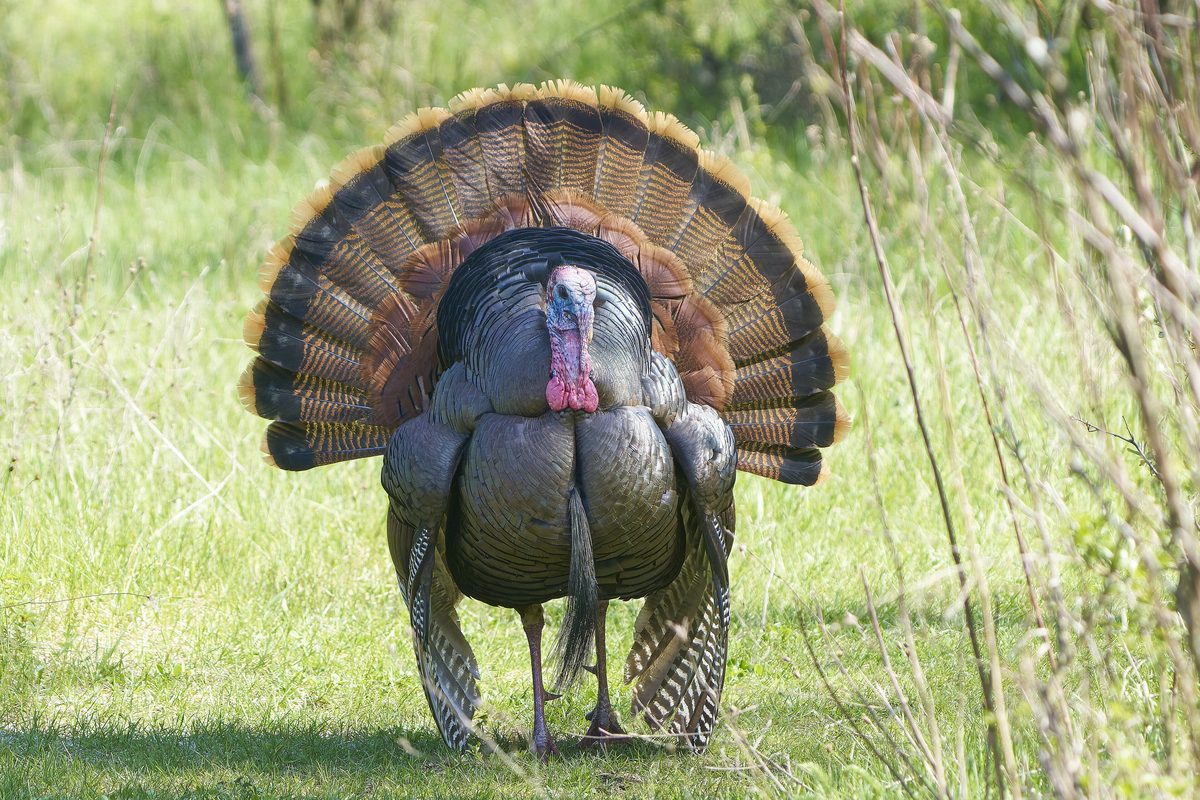
Small Game & Birds
Turkey, pheasant, grouse, quail, ducks, geese, rabbits, squirrels and predators.
Turkey Hunting
Calling, shotguns, bows, camo, blinds, scouting, and spring vs fall.
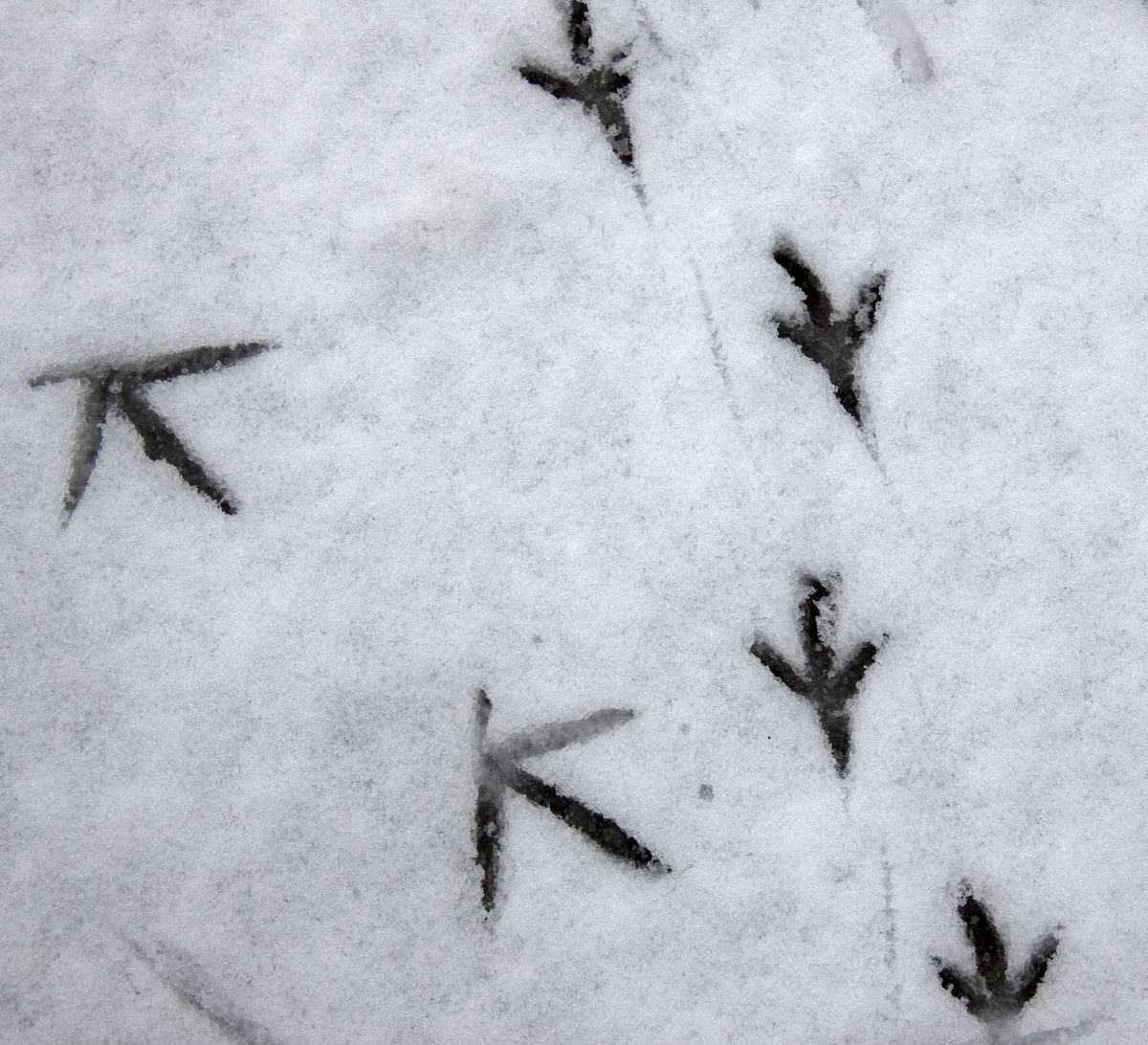
Species Finder
Search every species and filter by tracks, droppings and sign, harvest, or skinning.
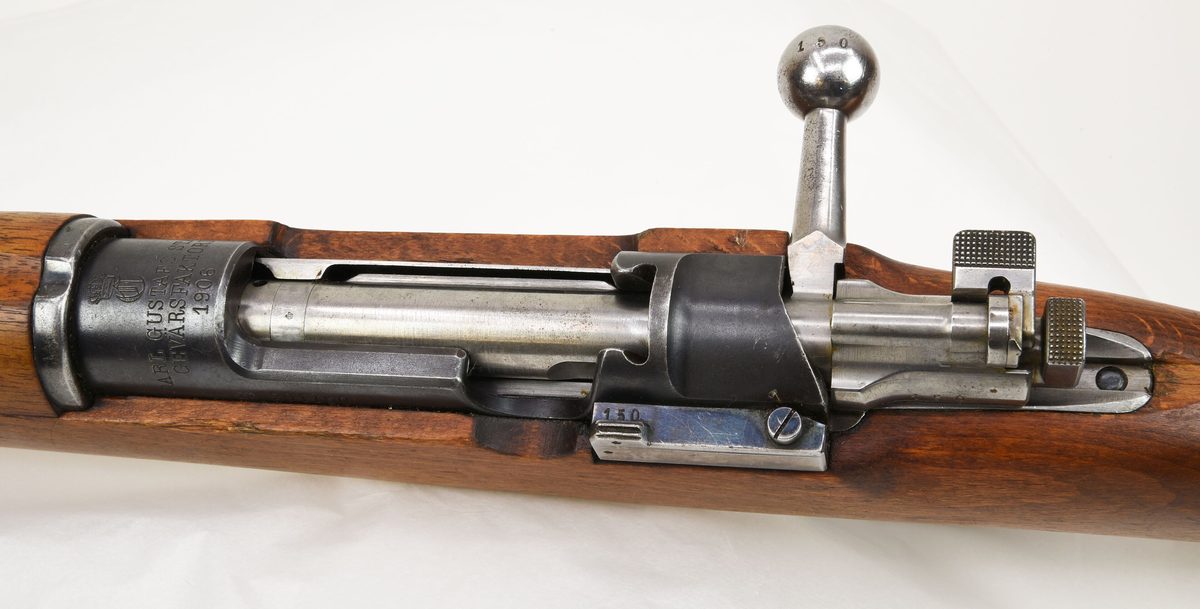
Rifle Hunting
Cartridges, zero, field positions, wind, and shot placement.
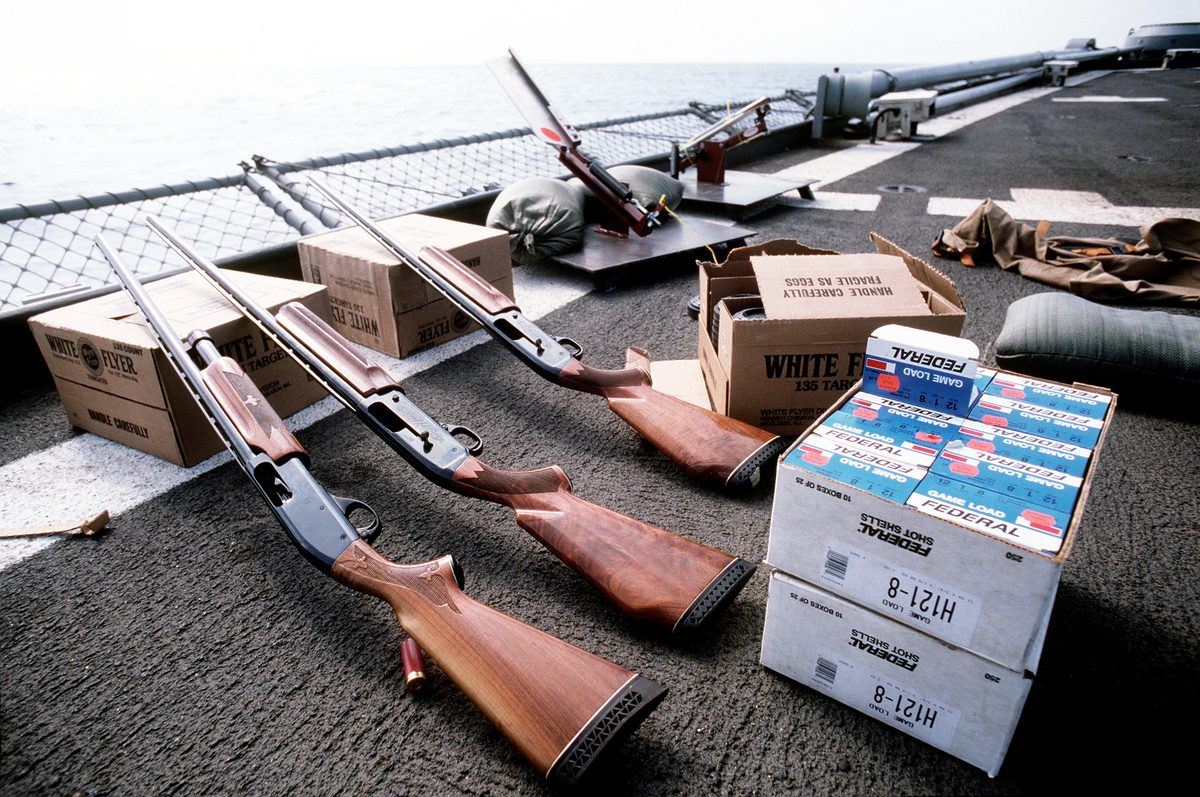
Shotgun Hunting
Gauges, chokes, shot size, and lead for birds and slug country.
Recurve & Traditional Bow
Instinctive shooting, draw weight, arrow spine, and close-range craft.
Traditional Archery Hub
Eleven recurve and longbow guides: form, aiming, spine, tuning, and building tackle.
Compound Bow Hunting
Draw length, sight and rest setup, broadhead tuning, and shot process.
Hunting Tips
Wind discipline, stand placement, blood trailing, and meat care.
Keep going
Related reading
Deer Hunting by State
All 50 states ranked, with seasons, tags and laws.
Read →Deer Season Calendar
Every state's season dates, tag costs and public land, side by side.
Read →Big Game Hunting
Whitetail, mule deer, elk, moose and bear profiles.
Read →Rifle Hunting
Cartridges, zero, positions and shot placement.
Read →Bowhunting
Setups, arrows, broadheads and treestand craft.
Read →Venison Recipes
Camp and home recipes for the deer you bring back.
Read →Top 10 lists
Best in category: hunting gear
Ranked picks with real product photos, specs, and editor notes — the buying side of everything covered in these guides.
Best Hunting Rifles
Bolt guns from budget workhorses to mountain rifles.
See the ranking →Best Upland Shotguns
Over-unders and light autos built to carry all day.
See the ranking →Best Waterfowl Shotguns
3.5-inch guns that keep cycling through mud and ice.
See the ranking →Best Deer Hunting Shotguns
Rifled slug guns for shotgun-only whitetail country.
See the ranking →Best Compound Bows
Forgiving, quiet compounds that tune without a fight.
See the ranking →Best Recurve Bows
Hunting recurves that shoot quiet and hold up outside.
See the ranking →Also on The Wild10
Fishing Guides
Fish identification, the knots that hold, lure selection by conditions, and the habits that fill a stringer.
Open the fishing hub →