Hunting · Deer by State · Ranked #40 of 50
Vermont Deer Hunting
Big Green Mountain woods, a buck-only rifle season, and a low-density herd make Vermont a quiet, old-school Northeast hunt.
Vermont is a small state that hunts big. Roughly 75-80% of the state is forested, and a large share of that is huntable public land, from the Green Mountain National Forest running the length of the state to dozens of state Wildlife Management Areas tucked into river valleys and hill country.
Vermont hunters took a little over 17,200 deer in 2024, and the state manages its herd conservatively: rifle season has traditionally been buck-only, a rule meant to protect the does that sustain the herd rather than maximize harvest numbers. A rule change adopted by the Fish & Wildlife Board will allow limited antlerless rifle harvest starting in 2026, but 2025 still runs buck-only in the regular rifle season.
The tradeoff for lower harvest totals is a genuinely old-school hunt: quiet dirt roads, working farms mixed with hardwood ridges, and bucks that get to grow another year under buck-only pressure in many towns.
- Wild10 rank
- #40 · Fair
- 2024 harvest
- ~17,200+ deer (preliminary)
- Nonresident license
- Nonresident hunting license, approx. $102 (plus any required tags/permits)
- Bag limit
- Up to 4 deer/year with combined tags; regular rifle season is buck-only through 2025
- Antler rule
- No statewide antler point restriction; regular rifle season restricted to legal bucks only (changing in 2026)
- Public land
- Green Mountain National Forest plus 100+ Wildlife Management Areas
- Season length
- Archery opens Oct. 1; regular rifle season mid-to-late November
01
Vermont deer hunting by the numbers
Where Vermont sits nationally, and the figures behind our rank of #40 of 50.
| Statistic | Value |
|---|---|
| 2024 total deer harvest | ~17,200+ deer, preliminary |
| Regular rifle season 2025 | Nov. 15 - Nov. 30, 16 days, buck-only |
| 2026 rule change | Limited antlerless harvest to be allowed in rifle season starting 2026 |
| Land cover | Roughly three-quarters of Vermont is forested |
02
Vermont deer seasons (2025-26)
Dates and antlerless permit availability vary by Wildlife Management Unit (WMU) and change year to year; always confirm current dates and WMU rules on the VT Fish & Wildlife seasons page before you hunt.
| Season | Weapon | Typical window | Notes |
|---|---|---|---|
| Archery | Bow / crossbow | Oct. 1 - Dec. (split around rifle season) | One legal buck may be taken; season splits around the regular rifle season in most years. |
| Youth & Novice weekend | Rifle/shotgun (youth/novice) | Early November weekend | Mentored hunt for young or novice hunters ahead of the regular season. |
| Regular (rifle) season | Rifle / shotgun | Nov. 15 - Nov. 30, 2025 | 16-day season; buck-only in 2025 statewide. |
| Muzzleloader season | Muzzleloader | Early-to-mid December | Follows the regular rifle season; antlerless permits available in some Wildlife Management Units. |
03
Vermont deer tags & licenses
Vermont deer hunting requires a base hunting license plus the appropriate season tag/permit: an archery license for bow season, and a standard hunting license covers the buck-only regular rifle season.
Antlerless deer permits are issued through a limited, WMU-specific lottery system, since Vermont manages doe harvest carefully to keep the herd stable in a state with real winter severity.
Muzzleloader season sometimes includes antlerless opportunities by permit in specific WMUs, in addition to buck harvest.
Nonresidents can buy the standard nonresident hunting license and hunt the archery and regular buck seasons; antlerless permits, where available, are awarded through a limited WMU lottery open to residents and nonresidents alike.
Antlerless deer permits are drawn by Wildlife Management Unit through VT Fish & Wildlife's lottery, typically with a summer application window and unit-specific quotas.
04
What Vermont deer licenses cost
| License / tag | Price |
|---|---|
| Resident hunting license | approx. $28 |
| Nonresident hunting license | approx. $102 |
| Archery license (add-on) | Modest additional fee for bow season, resident and nonresident |
05
Vermont deer hunting laws you must know
The rules that catch hunters out most often. Not a substitute for the regulations book.
| Topic | Rule |
|---|---|
| Blaze orange | Hunter orange is required during the November rifle season for all hunters, including archers who may be in the woods during that window. |
| Baiting | Baiting deer is illegal statewide in Vermont. |
| Crossbows | Legal during archery season for all hunters as of recent rule changes; check current-year regulations for any age or date restrictions. |
| Sunday hunting | Sunday hunting is legal in Vermont. |
| Buck-only rifle rule | The regular November rifle season has been buck-only statewide; a 2026 rule change will allow limited antlerless rifle harvest by permit going forward. |
| Legal firearms | Centerfire rifles are legal for deer hunting statewide; specific caliber minimums and any shotgun-only zones should be confirmed in the current guide. |
| Tagging/reporting | All harvested deer must be reported (tagged) through Vermont's mandatory reporting system before the carcass is moved from the point of kill in many cases, or within 24 hours. |
| Hunter education | Hunter education certification is required to purchase a Vermont hunting license for first-time adult and youth hunters. |
06
What to expect hunting deer in Vermont
Vermont hunting is a hill-country, big-woods experience: steep hardwood ridges, spruce-fir high country in the Green Mountains, and a patchwork of dairy farms and hedgerows in the valleys, especially in the Champlain Valley and Northeast Kingdom.
Deer densities are intentionally moderate to low in much of the state, especially in the mountainous core, because harsh winters limit how many deer the land can support without herd crashes; the Champlain Valley and southern lowlands hold noticeably more deer than the high country.
The rut runs mid-to-late November, which overlaps well with the regular rifle season, though the buck-only rule means hunters are specifically watching for antlers rather than taking the first deer that walks by.
Expect cold, often wet or snowy conditions by the November rifle opener — highs in the 30s-40s°F are typical, with real snow possible especially at elevation, so layering and traction matter more here than in most Southern or Midwestern deer states.
07
Vermont deer hunting tips
Field-tested advice specific to this state's deer, terrain and pressure.
- 1Confirm your Wildlife Management Unit's exact rules before you go — antlerless permit availability, and how the archery split falls around rifle season, both vary by WMU.
- 2Plan for winter-grade weather even in November; snow and cold snaps arrive earlier here than in most whitetail states.
- 3Focus on the Champlain Valley or southern Vermont farmland edges if deer density matters more to you than solitude; go to the Green Mountains or Northeast Kingdom if you want a quiet, wild hunt over volume.
- 4Because the regular rifle season is buck-only through 2025, practice careful buck identification before you pull the trigger, especially in low light.
- 5Report your harvest through Vermont's mandatory reporting system promptly — don't assume a hang-tag alone satisfies the requirement.
- 6If you want an antlerless deer, apply for the WMU lottery permit well before the summer deadline; there is no over-the-counter antlerless option in most units.
Why Vermont ranks #40 for deer hunting
Vermont's hunters checked a little over 17,200 deer in 2024, a modest total for a small, heavily forested state with a low deer density by design. What Vermont offers instead of sheer numbers is a classic Green Mountain big-woods hunt, a buck-only rifle season that protects does and lets bucks age, and genuinely huge tracts of national forest and state land open to public access. It lands in the 'good' tier: not a volume state, but a scenic, low-pressure option for hunters chasing an old Northeast buck rather than a filled freezer.
Tier: Fair · Species: White-tailed deer
Where to hunt deer in Vermont
A large share of Vermont is open to public hunting, from a national forest running much of the state's length to a dense network of state Wildlife Management Areas.
Green Mountain National Forest
National forest · Central and southern Vermont
Roughly 400,000 acres spanning the spine of the state, with rugged ridge terrain and comparatively light pressure away from trailheads.
Official pageVictory Basin Wildlife Management Area
WMA · Northeast Kingdom
Large boreal wetland/forest complex in Vermont's wildest corner, holding a genuinely remote big-woods hunt.
Official pageDead Creek Wildlife Management Area
WMA · Champlain Valley
Farmland and wetland mix in the deer-dense Champlain Valley, better deer densities than the mountain interior.
Official pageWest Mountain Wildlife Management Area
WMA · Northeast Kingdom
Large, remote WMA offering classic big-woods northern Vermont hunting with low hunter density.
Official pageGroton State Forest
State forest · North-central Vermont
Large block of state forest with mixed hardwoods and ponds, offering solid public-land access near the Northeast Kingdom.
Official page
Gear for Vermont deer season
Vermont's cold, wet, mountainous November hunt rewards serious layering and traction over the ultralight kit that works in warmer whitetail country.
- Best Hunting Rifles
Bolt guns from budget workhorses to mountain rifles.
- Best Compound Bows
Forgiving, quiet compounds that tune without a fight.
- Best Hunting Boots
Early-season to mountain boots ranked on fit and support.
- Best Hunting Jackets
Insulated and shell layers ranked by warmth-to-noise.
- Best Merino Base Layers
Next-to-skin wool for cold sits and long stalks.
- Best Rain Jackets & Pants
Hard shells that keep a hunt going through real weather.
- Best Fixed-Blade Knives
Blades that field dress, cape, and quarter without failing.
- Best Cellular Trail Cameras
Scouting cameras that send pictures instead of burning boots.
Watch: deer hunting in Vermont
Real hunts and how-tos filmed in Vermont, embedded from the creators' own channels with our notes on what to take from each.
Why watch: A full week of Vermont rifle-season deer camp, capturing the state's classic big-woods hunting culture.
Why watch: Vermont's youth weekend hunt ahead of the regular season, showing the mentored-hunt format.
Why watch: An early-season Vermont archery hunt in the state's big-woods hill country.
Why watch: Opening day of Vermont's October 1 archery season on small-parcel Vermont land.
Official Vermont deer hunting resources
- Vermont Fish & Wildlife Department (home)
- Current deer regulations
- Buy licenses & tags
- VT Fish & Wildlife white-tailed deer FAQs
- VT Fish & Wildlife regular deer season press release
- 2024 Vermont moose and deer population legislative report
Last reviewed 2026-09. Found something out of date? Tell us in the community.
More state deer hunting guides
#10 of 50 · Excellent
#28 of 50 · Good
#29 of 50 · Good
#31 of 50 · Good
50 states covered. See the full ranking →
Questions
Frequently asked
- Can nonresidents hunt deer in Vermont?
- Yes. Nonresidents can buy a nonresident hunting license (approx. $102) plus the appropriate season license/tag, and can hunt the archery and regular buck-only rifle seasons; antlerless permits are limited and drawn by Wildlife Management Unit.
- Is Vermont's rifle season buck-only?
- Through the 2025 season, yes, the regular November rifle season is buck-only statewide. A rule change will allow limited antlerless rifle harvest by permit starting in 2026.
- How many deer were harvested in Vermont in 2024?
- Preliminary figures put the 2024 total harvest at just over 17,200 deer across archery, youth, rifle, and muzzleloader seasons.
- Is baiting legal in Vermont?
- No, baiting deer is illegal statewide in Vermont. The rule applies to all seasons and weapon types, and hunters caught baiting can face fines and loss of hunting privileges under state game laws.
- When is the rut in Vermont?
- Peak breeding activity runs mid-to-late November, overlapping well with the regular rifle season.
- Do I need to wear blaze orange in Vermont?
- Yes, hunter orange is required during the November rifle season, and it's a smart practice for archers and muzzleloader hunters sharing the woods during that window as well.
- How do I get an antlerless deer permit in Vermont?
- Antlerless permits are issued through a limited, Wildlife Management Unit-specific lottery with a summer application deadline; there is no over-the-counter antlerless tag in most units.
- What's the best public land for Vermont deer hunting?
- The Green Mountain National Forest offers the most acreage statewide, while Champlain Valley WMAs like Dead Creek hold higher deer densities, and Northeast Kingdom WMAs like Victory Basin and West Mountain offer a wilder, lower-pressure hunt.
Every hunting guide
Hunting Hub
Where every hunting guide on The Wild10 starts.
Types of Game
Big game, small game, upland birds, and waterfowl — habitat and season.
Big Game
Deer, elk, moose, bear, hog and sheep — where to hunt, tags, and what to expect.
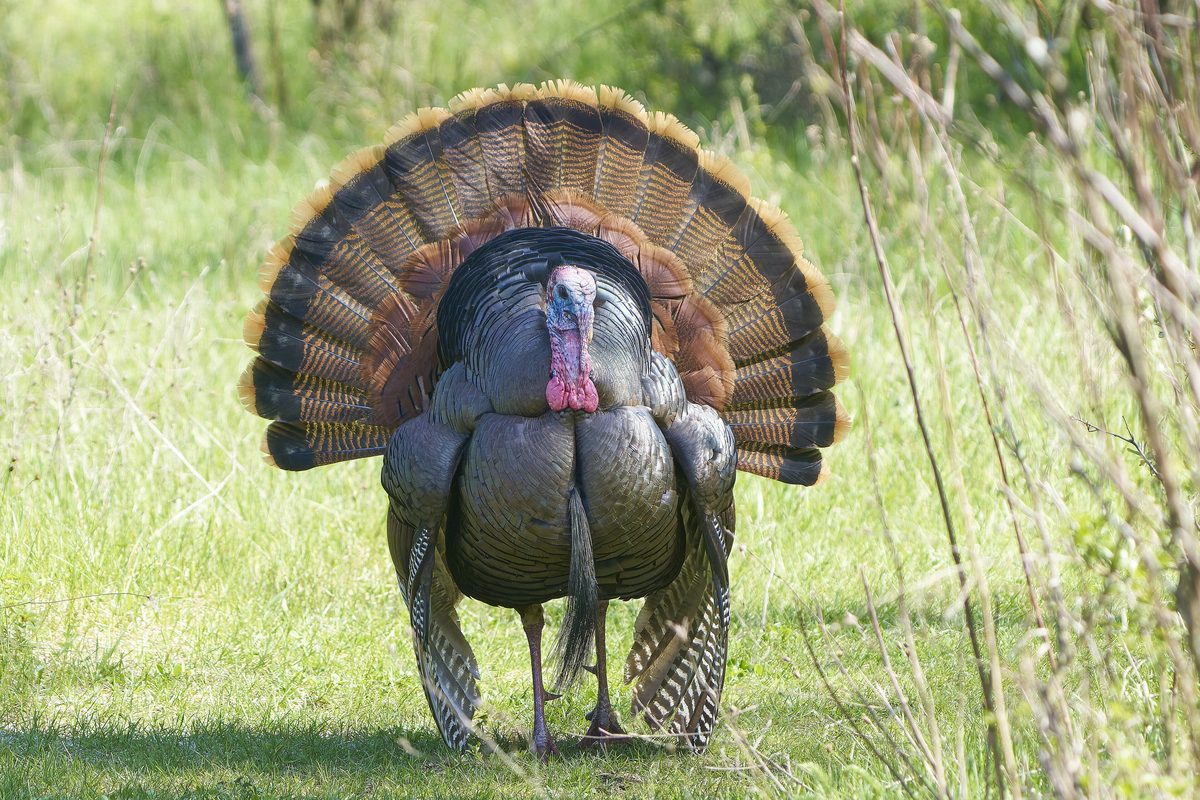
Small Game & Birds
Turkey, pheasant, grouse, quail, ducks, geese, rabbits, squirrels and predators.
Turkey Hunting
Calling, shotguns, bows, camo, blinds, scouting, and spring vs fall.
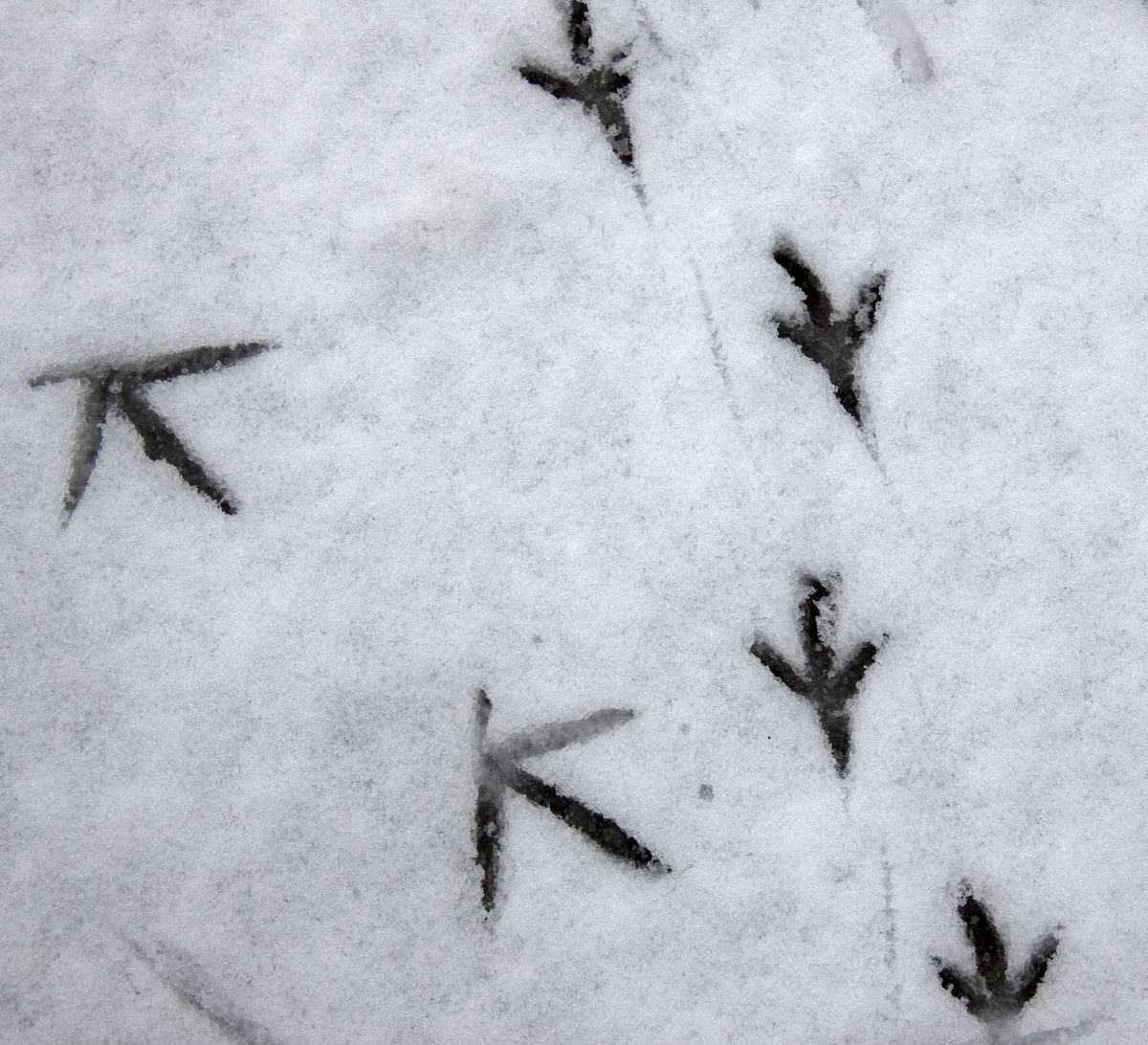
Species Finder
Search every species and filter by tracks, droppings and sign, harvest, or skinning.
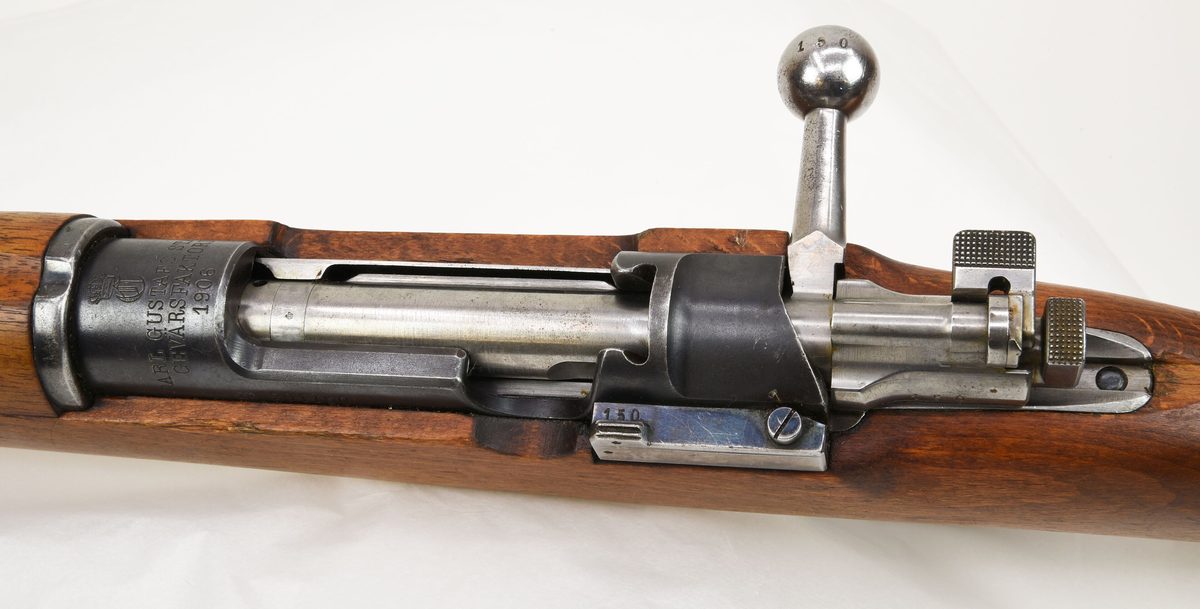
Rifle Hunting
Cartridges, zero, field positions, wind, and shot placement.
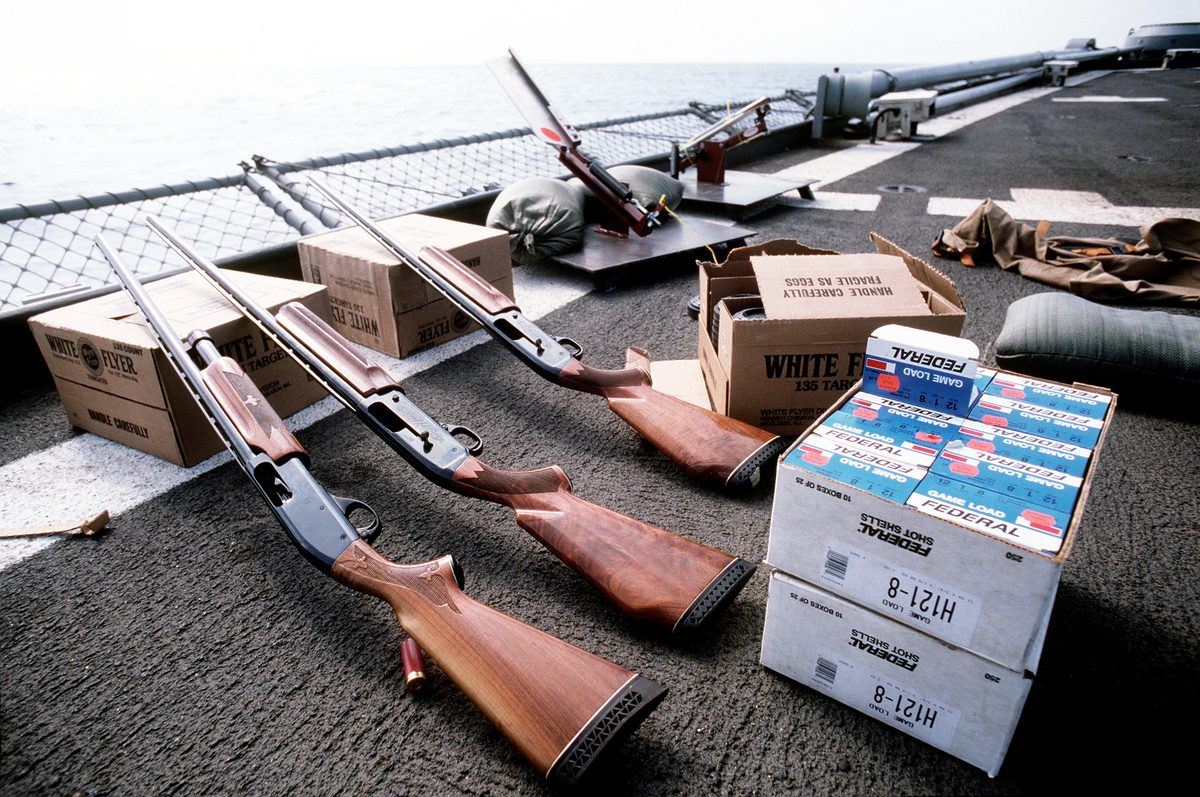
Shotgun Hunting
Gauges, chokes, shot size, and lead for birds and slug country.
Recurve & Traditional Bow
Instinctive shooting, draw weight, arrow spine, and close-range craft.
Traditional Archery Hub
Eleven recurve and longbow guides: form, aiming, spine, tuning, and building tackle.
Compound Bow Hunting
Draw length, sight and rest setup, broadhead tuning, and shot process.
Hunting Tips
Wind discipline, stand placement, blood trailing, and meat care.
Keep going
Related reading
Deer Hunting by State
All 50 states ranked, with seasons, tags and laws.
Read →Deer Season Calendar
Every state's season dates, tag costs and public land, side by side.
Read →Big Game Hunting
Whitetail, mule deer, elk, moose and bear profiles.
Read →Rifle Hunting
Cartridges, zero, positions and shot placement.
Read →Bowhunting
Setups, arrows, broadheads and treestand craft.
Read →Venison Recipes
Camp and home recipes for the deer you bring back.
Read →Top 10 lists
Best in category: hunting gear
Ranked picks with real product photos, specs, and editor notes — the buying side of everything covered in these guides.
Best Hunting Rifles
Bolt guns from budget workhorses to mountain rifles.
See the ranking →Best Upland Shotguns
Over-unders and light autos built to carry all day.
See the ranking →Best Waterfowl Shotguns
3.5-inch guns that keep cycling through mud and ice.
See the ranking →Best Deer Hunting Shotguns
Rifled slug guns for shotgun-only whitetail country.
See the ranking →Best Compound Bows
Forgiving, quiet compounds that tune without a fight.
See the ranking →Best Recurve Bows
Hunting recurves that shoot quiet and hold up outside.
See the ranking →Also on The Wild10
Fishing Guides
Fish identification, the knots that hold, lure selection by conditions, and the habits that fill a stringer.
Open the fishing hub →