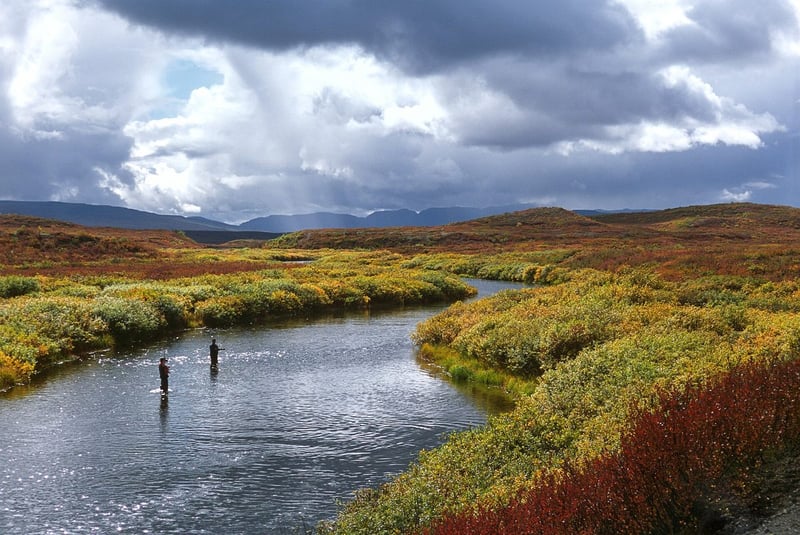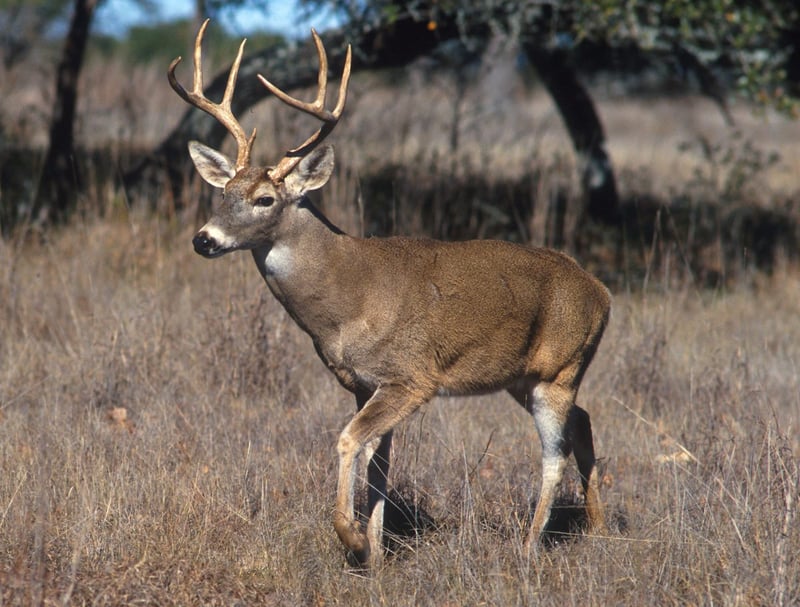
A draw-only nonresident system protects Kansas's trophy whitetail units and its western mule deer country alike.
Eastern Kansas is rolling hardwood draws, river bottoms and crop edges that consistently produce heavy-bodied, big-antlered whitetails; western Kansas is High Plains and Smoky Hills country holding mule deer and prairie whitetails along river corridors.
- Agency
- Kansas Department of Wildlife & Parks
- Region
- Great Plains
- Deer rank
- #2 of 50
- Species guides
- 9
01
Kansas hunting license and tag costs
Deer license and tag prices as last reviewed. Other species' permits are listed in the agency fee schedule.
| License / tag | Price |
|---|---|
| Nonresident hunting license (16+) | $127.50 |
| Nonresident whitetail deer permit (16+) | $477.50 (includes $27.50 application fee) |
| Nonresident youth whitetail permit | $117.50 |
| Resident deer permit (either-sex) | $40.00 |
| Resident antlerless-only permit | $20.00 |
02
Kansas hunting laws to know
Rules that catch hunters out most often. Not a substitute for the regulations book.
| Topic | Rule |
|---|---|
| Blaze orange | Hunter orange (cap plus outer garment) required during firearm deer season. |
| Baiting | Baiting is legal on private land in most of Kansas but prohibited on many public wildlife areas — check area-specific rules. |
| Crossbows | Legal for all hunters during archery season. |
| Sunday hunting | Allowed statewide. |
| Legal firearms | Centerfire rifle, shotgun, muzzleloader and straight-wall cartridge rifles are legal during firearm season. |
| Tagging/reporting | Deer must be tagged immediately (paper tag) or e-tagged through the Go Outdoors KS app, and harvest reported per permit instructions. |
| CWD carcass transport | Whole carcasses from CWD management zones and out-of-state may have transport restrictions; deboned meat, cleaned skulls/antlers and hides are generally exempt. |
| Hunter education | Required for anyone born on or after July 1, 1957. |
03
Kansas deer season structure (2025-26)
Kansas dates are set annually and vary by unit and season type — always check the current KDWP deer regulations summary before you hunt.
| Season | Weapon | Typical window |
|---|---|---|
| Youth & disabled season | Any legal method | Sept. 6–14, 2025 |
| Muzzleloader-only | Muzzleloader | Sept. 15–28, 2025 |
| Archery | Bow / crossbow | Sept. 15 – Dec. 31, 2025 |
| Pre-rut whitetail antlerless-only | Firearm | Oct. 11–13, 2025 (extended Oct. 14–19 in Unit 12) |
| Regular firearm | Rifle / shotgun/ straight-wall | Dec. 3–14, 2025 |
| Extended antlerless-only firearm | Firearm | Jan. 1 through early-to-late Jan. depending on unit |
What you can hunt in Kansas
- Deer — White-tailed deer, Mule deer
Elite · ranked #2 of 50 for deer.
- Whitetail Deer
The best mature-buck genetics and age structure in the country
Access: Nonresident tags are limited draw — apply and build points
- Wild Turkey
Dense Eastern subspecies population with generous public land
Access: Over-the-counter resident and nonresident tags
- Ring-Necked Pheasant
Underrated wild-bird numbers in the northwest part of the state
Access: Over-the-counter; check walk-in hunting access (WIHA) maps
- Northern Bobwhite Quail
Some of the best remaining wild bobwhite hunting on public and walk-in land
Access: Over-the-counter license with walk-in access programs
- Mourning Dove
Strong Midwest dove numbers around harvested grain fields
Access: Over-the-counter license plus HIP; check public wildlife area field plantings
- Sandhill Crane
Strong Central Flyway migration corridor with a straightforward permit process
Access: State-specific crane permit, typically easy to obtain
- Eastern Cottontail Rabbit
Good rabbit numbers on public walk-in access land
Access: Over-the-counter small-game license
- Coyote
Open agricultural country with excellent visibility for calling setups
Access: Over-the-counter license, minimal restrictions
Public hunting land in Kansas
Kansas blends big public wildlife areas with thousands of acres of Walk-In Hunting Access (WIHA) land leased from private owners for public hunting.
Cheyenne Bottoms Wildlife Area
WMA · Central Kansas
Large public wetland/upland complex with huntable deer numbers near the Arkansas River drainage.
Fort Riley (public hunting areas)
Military/public land · North-central Kansas
Large tract with managed public deer hunting access via permit.
Walk-In Hunting Access (WIHA) tracts
Walk-in access · Statewide
Thousands of acres of private land leased for public hunting, concentrated in river-bottom crop country.
Marais des Cygnes Wildlife Area
WMA · Eastern Kansas
Bottomland timber and marsh complex known for solid whitetail numbers.
Smoky Valley Ranch / Smoky Hills public tracts
Public land · Western Kansas
Mixed-grass prairie and draws holding mule deer and prairie whitetails.
Official Kansas links
Last reviewed 2026-09.
Nearby state hunting guides
Questions
Frequently asked
- Where do I buy a Kansas hunting license?
- Kansas hunting licenses and tags are sold by the Kansas Department of Wildlife & Parks through its official licensing site. Buy direct from the agency rather than a reseller, and complete hunter education first if your birth year requires it.
- When is Kansas hunting season?
- Seasons differ by species, weapon and zone, and the Kansas season dates change every year. Our Kansas deer guide summarizes the 2025-26 deer season structure; for every other species, check the current Kansas Department of Wildlife & Parks regulations before you plan a hunt.
- What can you hunt in Kansas?
- Besides white-tailed deer, mule deer, our species guides single out Kansas for whitetail deer, wild turkey, ring-necked pheasant, northern bobwhite quail, mourning dove, sandhill crane, eastern cottontail rabbit, coyote. Each species guide explains tags, seasons and tactics.
- Where is public hunting land in Kansas?
- Good starting points include Cheyenne Bottoms Wildlife Area, Fort Riley (public hunting areas), Walk-In Hunting Access (WIHA) tracts. Confirm access rules, closures and special regulations with the managing agency before you go.
Every hunting guide
Hunting Hub
Where every hunting guide on The Wild10 starts.
Types of Game
Big game, small game, upland birds, and waterfowl — habitat and season.
Big Game
Deer, elk, moose, bear, hog and sheep — where to hunt, tags, and what to expect.
Small Game & Birds
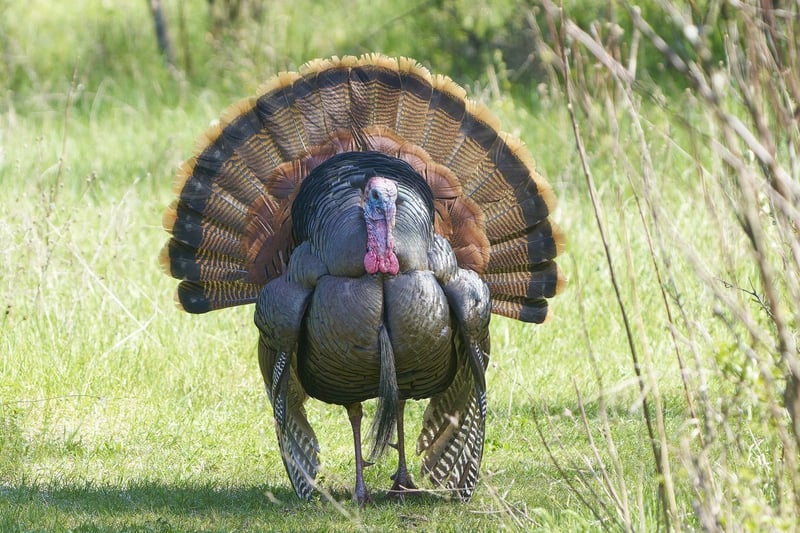
Turkey, pheasant, grouse, quail, ducks, geese, rabbits, squirrels and predators.
Deer Hunting by State
All 50 states — seasons, tags, laws, public land and tactics.
Turkey Hunting
Calling, shotguns, bows, camo, blinds, scouting, and spring vs fall.
Species Finder
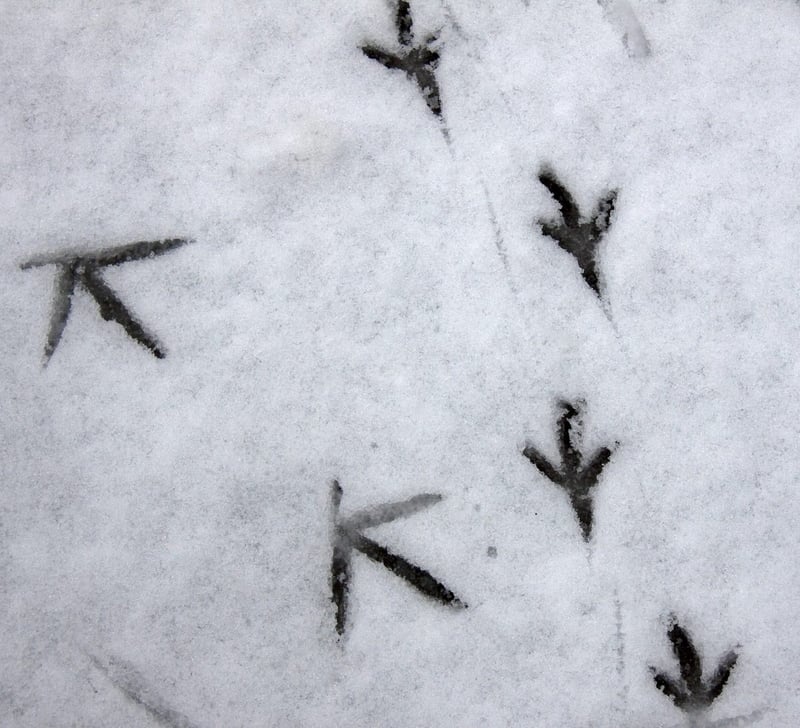
Search every species and filter by tracks, droppings and sign, harvest, or skinning.
Rifle Hunting
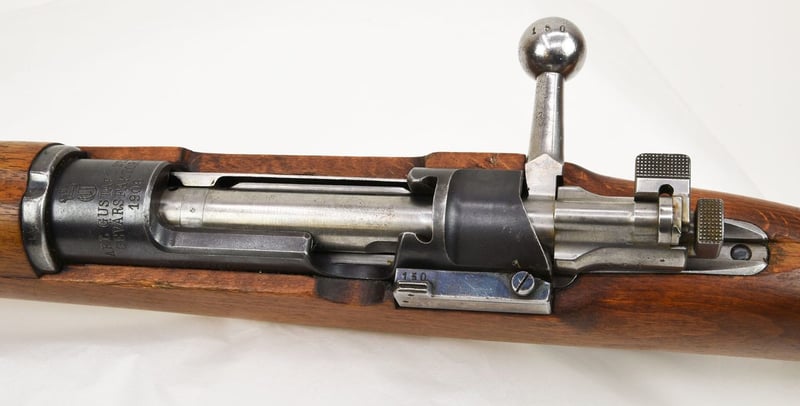
Cartridges, zero, field positions, wind, and shot placement.
Shotgun Hunting
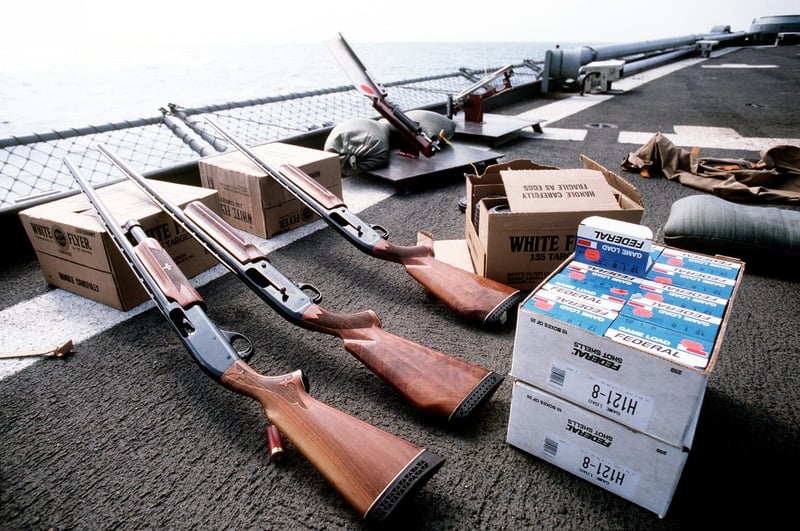
Gauges, chokes, shot size, and lead for birds and slug country.
Recurve & Traditional Bow
Instinctive shooting, draw weight, arrow spine, and close-range craft.
Traditional Archery Hub
Eleven recurve and longbow guides: form, aiming, spine, tuning, and building tackle.
Compound Bow Hunting
Draw length, sight and rest setup, broadhead tuning, and shot process.
Hunting Tips
Wind discipline, stand placement, blood trailing, and meat care.
Top 10 lists
Best in category: hunting gear
Ranked picks with real product photos, specs, and editor notes — the buying side of everything covered in these guides.
Best Hunting Rifles
Bolt guns from budget workhorses to mountain rifles.
See the ranking →Best Upland Shotguns
Over-unders and light autos built to carry all day.
See the ranking →Best Waterfowl Shotguns
3.5-inch guns that keep cycling through mud and ice.
See the ranking →Best Deer Hunting Shotguns
Rifled slug guns for shotgun-only whitetail country.
See the ranking →Best Compound Bows
Forgiving, quiet compounds that tune without a fight.
See the ranking →Best Recurve Bows
Hunting recurves that shoot quiet and hold up outside.
See the ranking →Also on The Wild10
Fishing Guides
Fish identification, the knots that hold, lure selection by conditions, and the habits that fill a stringer.
Open the fishing hub →