


Summer
- Days
- 70–90°F
- Nights
- 48–62°F
Peak daylight and stable overnight temps; heat and afternoon storms set the schedule.
- Afternoon thunderstorms on ridges and passes
- Heat and dehydration on exposed miles
- Fire closures and smoke drift
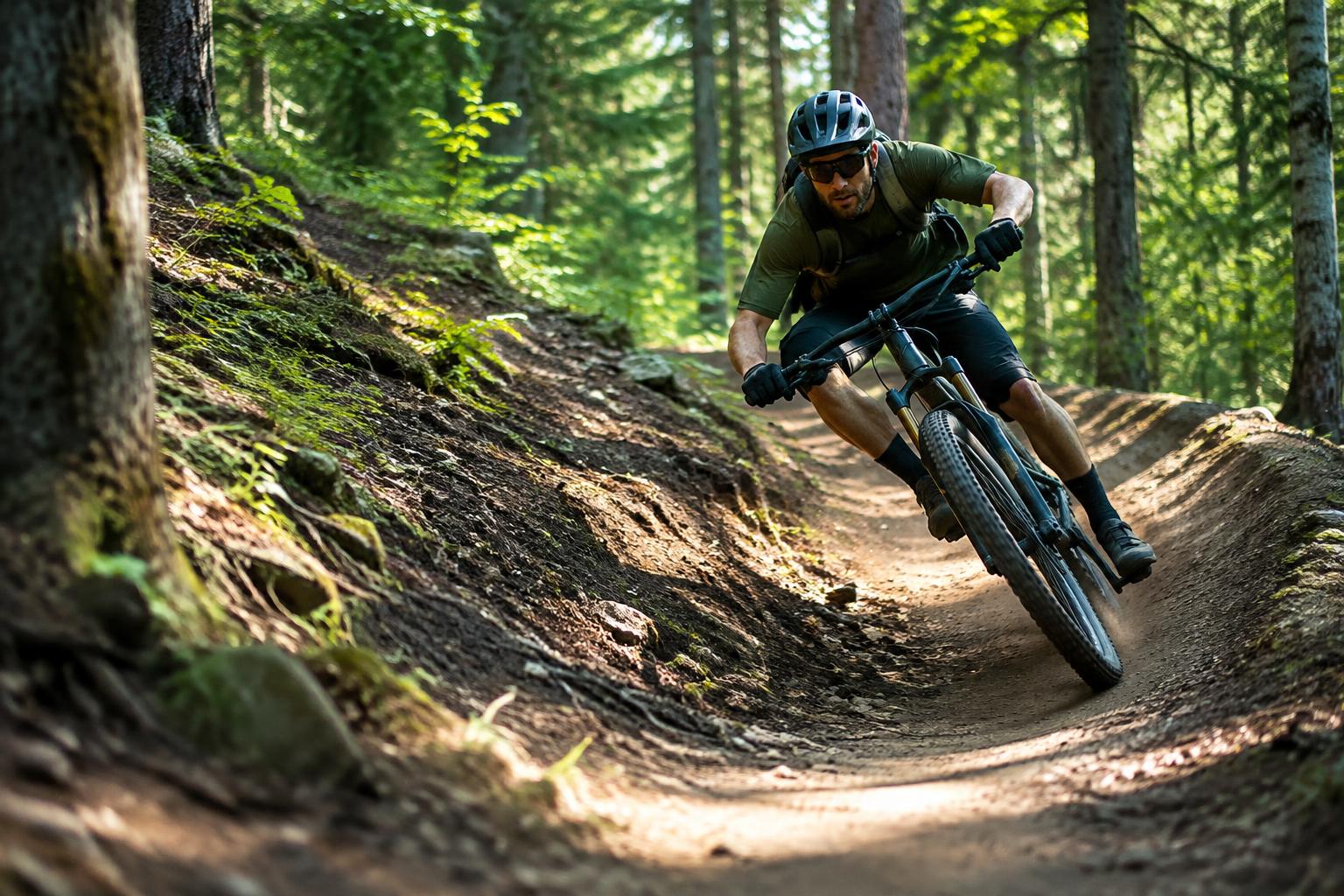
Mountain biking covers more ground than hiking with a steeper skills curve. Body position and braking control are the two levers that make hard trail feel easy.
Season: Dry trail seasons; avoid riding mud and wrecking tread.
Mountain biking is about bike fit, line choice and trail etiquette. A good fit and a few skills sessions make every ride safer and more fun.
Ride trails rated for your level and stay off muddy trails to protect them.
Green trails, body position, braking, basic repairs.
Blue trails, cornering and drops, longer rides.
Technical terrain, bikepacking, remote rides.
Pedals level, knees and elbows bent, weight centred and eyes up the trail.
Do most braking before corners and features, not in them. Front brake does most of the stopping.
Look through the turn, lean the bike more than your body and weight the outside pedal.
Carry and practise with a tube or plug, pump, multi-tool and quick link.
Spring and wet periods often close trails to protect them; dry fall days usually give the best conditions.
Sources: IMBA — Rules of the Trail · Leave No Trace — 7 Principles
Our Top 10 lists for the kit this pursuit leans on, each with real product photos.

We evaluated the top hydration packs across independent review outlets, balancing carry comfort, reservoir design, and cargo versatility for hiking and riding.

We synthesized professional reviews to rank the best mountain bike handlebars for durability, compliance, steering precision, and trail comfort.

A research-backed guide to the best mountain bike shorts, evaluating pedaling mobility, breathability, durability, and weather protection across trail, enduro, and bike park riding.

From sticky flat-pedal benchmarks to stiff carbon cross-country racers, we synthesized expert field tests to rank the best mountain bike shoes for every trail discipline.

We evaluated top-rated hydration vests across independent gear reviews to pinpoint the most stable, comfortable, and functional packs for trail running and ultramarathons.

We synthesized top independent gear reviews to rank the best hydration bladders for backpacking, day hiking, and cold-weather treks based on ease of cleaning, durability, and packability.
We haven't verified any mountain biking destinations yet, so we won't guess. Browse every destination or build a trip around your own spot.
Late spring through fall, on soil that is tacky rather than saturated.
Peak daylight and stable overnight temps; heat and afternoon storms set the schedule.
The best conditions of the year: cool days, few bugs, cold nights that reward a real sleep system.
Long light returns but the ground is wet, snow lingers up high, and creeks run big.
Quiet and beautiful, but it becomes a cold-weather trip with cold-weather consequences.
See live conditions and seasonal averages the same way destination pages show them.
Browse the destinations mapPlanning ranges are typical temperate-latitude values — always verify the forecast, flow, avalanche, and fire advisories for your specific area and elevation before you commit.
Every link below opens a planner already set to mountain biking — the right trip type, temperature band, checklist and builder, so your kit starts from the skills and hazards this pursuit actually demands.
A quality hardtail teaches line choice and is cheaper to maintain. Full suspension pays off on genuinely rough terrain.
Flats. Carry a plug kit and a tube even if you're tubeless.