


Winter
- Days
- 15–35°F
- Nights
- -5–22°F
The season this pursuit exists for: deep snow, short days, real avalanche terrain.
- Avalanche slabs after storms and wind loading
- Frostbite in wind chill
- Whiteouts destroying navigation
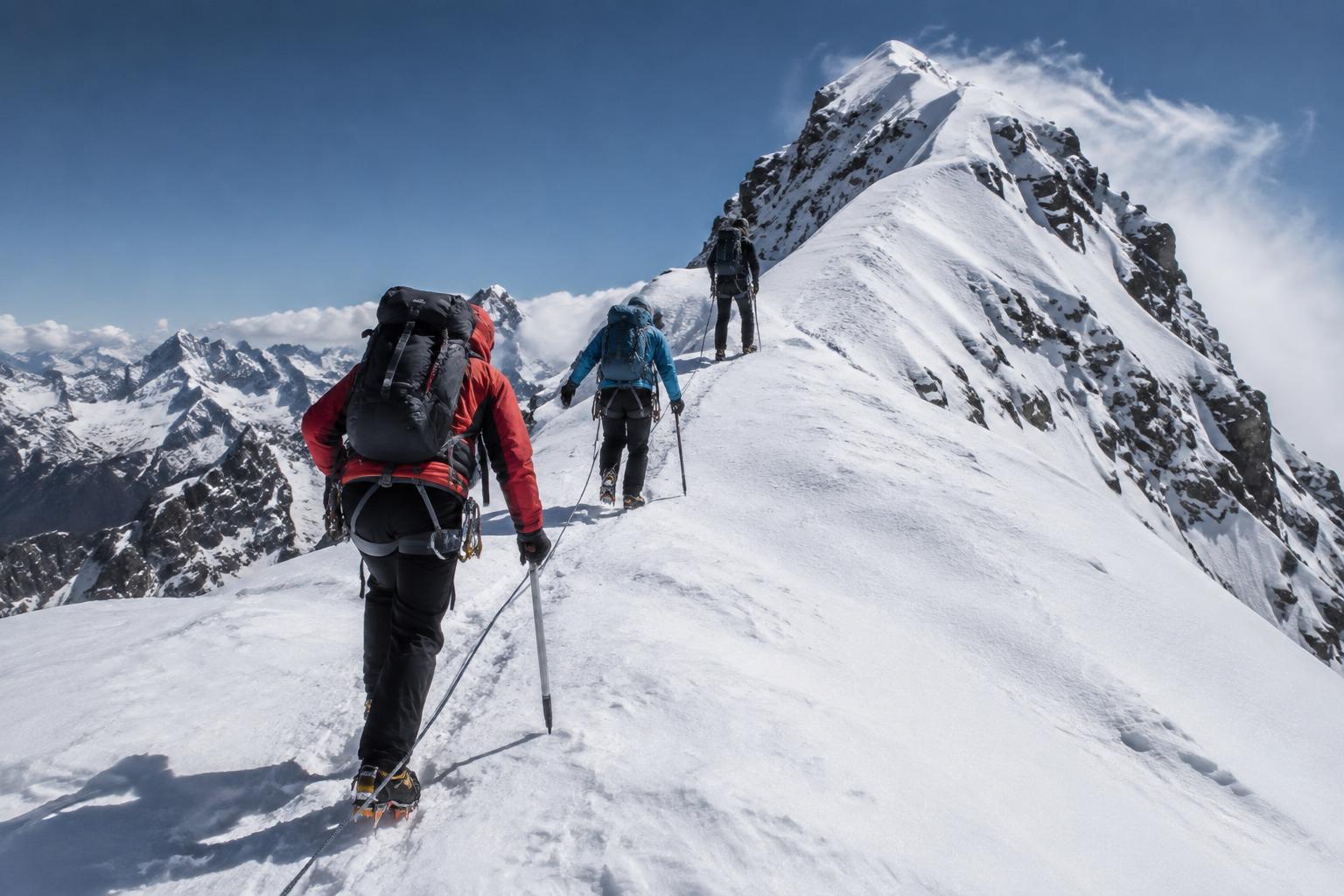
Mountaineering is logistics, weather judgment, and the willingness to turn around. The technical skills matter, but summit-day decision making is what keeps experienced climbers alive.
Season: Snow climbs in spring, rock and glacier routes in summer.
Mountaineering combines hiking, climbing and cold-weather camping where mistakes are costly. Altitude, weather and snow conditions decide the day.
Take a mountaineering course or hire a guide for your first glaciated or technical peaks.
Non-technical summits, ice-axe arrest practice, altitude awareness.
Glacier travel and crevasse rescue, alpine starts, snow camping.
Technical alpine routes, expedition peaks, leading rope teams.
Practise stopping a fall with an ice axe on a safe snow slope with a run-out, from every body position.
Rope up on glaciers and learn crevasse rescue (a pulley haul system) with a qualified instructor.
Climb high, sleep low. Ascend gradually and add rest days rather than rushing elevation.
Start before dawn so you're off snow before it softens and before afternoon storms.
Summer is typical for high alpine routes; early season brings better snow bridges, late season more open crevasses and rockfall.
Sources: CDC Yellow Book — High-altitude travel and altitude illness · Avalanche.org — Forecasts and danger scale
Our Top 10 lists for the kit this pursuit leans on, each with real product photos.

A research-backed guide to the best women's winter boots for deep snow, icy hikes, and freezing everyday slush, synthesized from leading independent outdoor tests.

A research-backed guide to the top mountaineering boots, comparing technical precision, warmth, crampon compatibility, and durability across 10 leading models.

Expert-backed ski boots ranked by independent consensus and real-world utility, covering high-performance resort carvers, hybrid tourers, and dedicated backcountry setups.

Trail harnesses and dog gear compared by fit, handle, reflectivity and pack options.

Field-tested climbing harnesses ranked by aggregate critical consensus, real durability, hanging comfort, and specific rock disciplines.

Field-ready waterproof boots ranked by traction, comfort, and durability across real-world testing consensus from leading outdoor gear reviewers.

Patagonia, Chile
Patagonian granite towers, glacier-fed lakes, and wind that decides your itinerary for you.

Alberta, Canada
Kananaskis Country offers a diverse array of ice climbing opportunities, ranging from easily accessible single-pitch flows to serious multi-pitch alpine routes, all within an hour or two's drive of Calgary.

United States, United States
3,500 km of green tunnel and hut culture.

South Island, New Zealand
Rainforest walls, waterfalls by the thousand, and New Zealand's most serious multi-day tracks.

Alberta, Canada
The Ghost River Wilderness, located west of Calgary, offers a more rugged and adventurous ice climbing experience compared to the readily accessible Parkway.

Nepal, Nepal
The full route is expedition-scale; sections like Manaslu or Kanchenjunga are trip-of-a-lifetime treks.

Alberta, Canada
The Icefields Parkway, stretching between Lake Louise and Jasper, is arguably the world's most concentrated corridor of accessible, high-quality ice climbs.

Alberta, Canada
While often lumped in with the Icefields Parkway, Jasper National Park offers its own distinct flavor of ice climbing, particularly further north.

California, United States
340 km through California's High Sierra, from Yosemite Valley to the summit of Mount Whitney.
January through March for reliable snowpack; late-season corn in April rewards early starts.
The season this pursuit exists for: deep snow, short days, real avalanche terrain.
Corn cycle: firm mornings, soft afternoons, and a hard turnaround time.
Early-season snow over rocks and stumps — thin cover, high consequence.
Snow is limited to permanent fields and high glaciers.
See live conditions and seasonal averages the same way destination pages show them.
Browse the destinations mapPlanning ranges are typical temperate-latitude values — always verify the forecast, flow, avalanche, and fire advisories for your specific area and elevation before you commit.
Every link below opens a planner already set to mountain climbing — the right trip type, temperature band, checklist and builder, so your kit starts from the skills and hazards this pursuit actually demands.

Staying hydrated in deep winter is critical, yet challenging. This guide breaks down the physical mechanics and practical techniques for keeping your essential three liters of water from freezing solid when temperatures plummet below zero.
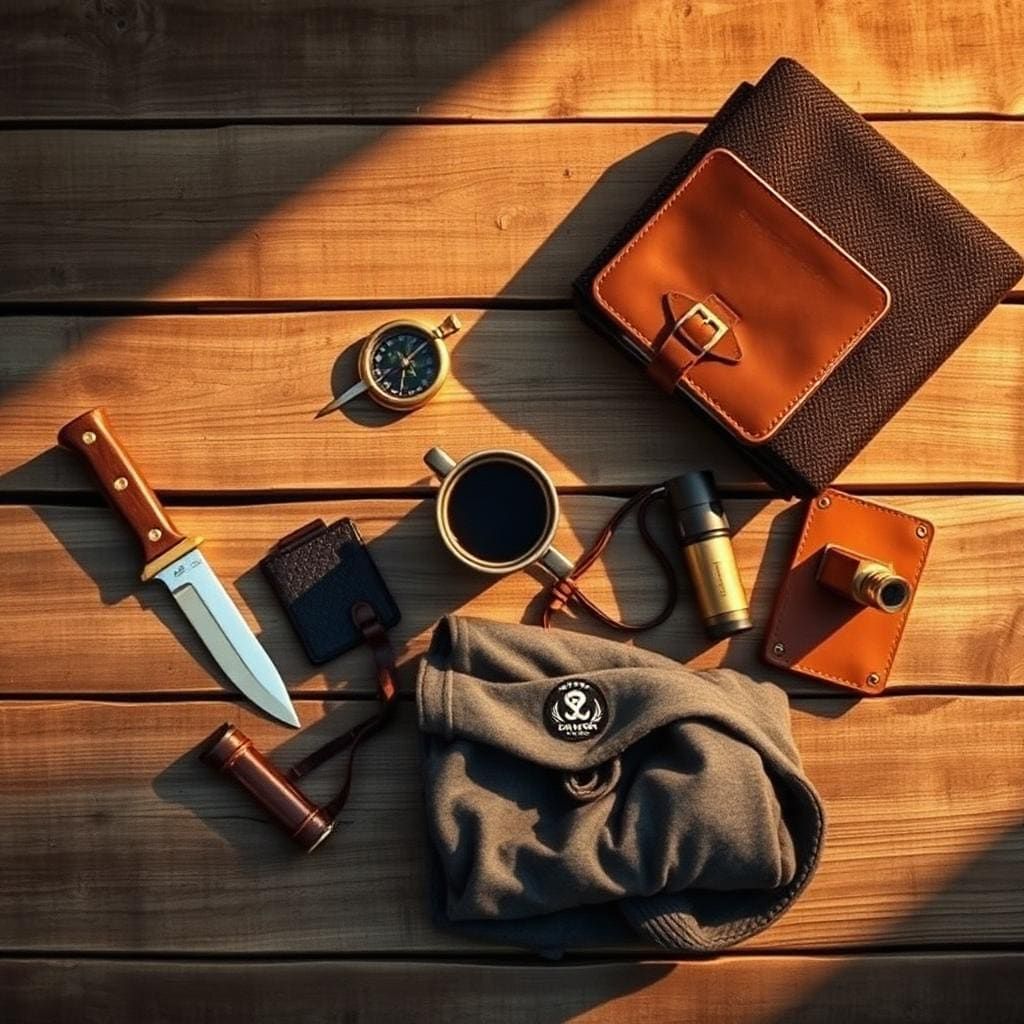
Navigating steep, unstable alpine terrain – talus, scree, and loose rock above 10,000 feet – demands a specific skillset. This guide breaks down rock stability, energy preservation, and micro-route selection to keep you safe and efficient.
An alpine start is not an initiation ritual involving a 2 a.m. alarm and resentful oatmeal. It is a timing strategy. Starting early can place a team past exposed terrain before thunderstorms, snow softening, rockfall, heat, crowds, or river

Plan a Glacier National Park trip around hiking, backpacking, and paddling, with a flexible itinerary, skill gates, official-source checks, gear priorities, turnaround triggers, and low-impact travel.
Plan a Glacier National Park trip around hiking, backpacking, and paddling, with a flexible itinerary, skill gates, official-source checks, gear priorities, turnaround triggers, and low-impact travel.
Mastering the mountain isn't just about the summit. Learn why training for the descent is crucial for mountaineering success and injury prevention.
A non-technical volcano or snow slog with a guided glacier course first — it teaches rope travel without a hard route on top of it.
Above 10,000 feet, keep sleeping elevation gains near 1,000–1,500 feet per day with rest days every third day.