


Summer
- Days
- 70–90°F
- Nights
- 48–62°F
Peak daylight and stable overnight temps; heat and afternoon storms set the schedule.
- Afternoon thunderstorms on ridges and passes
- Heat and dehydration on exposed miles
- Fire closures and smoke drift
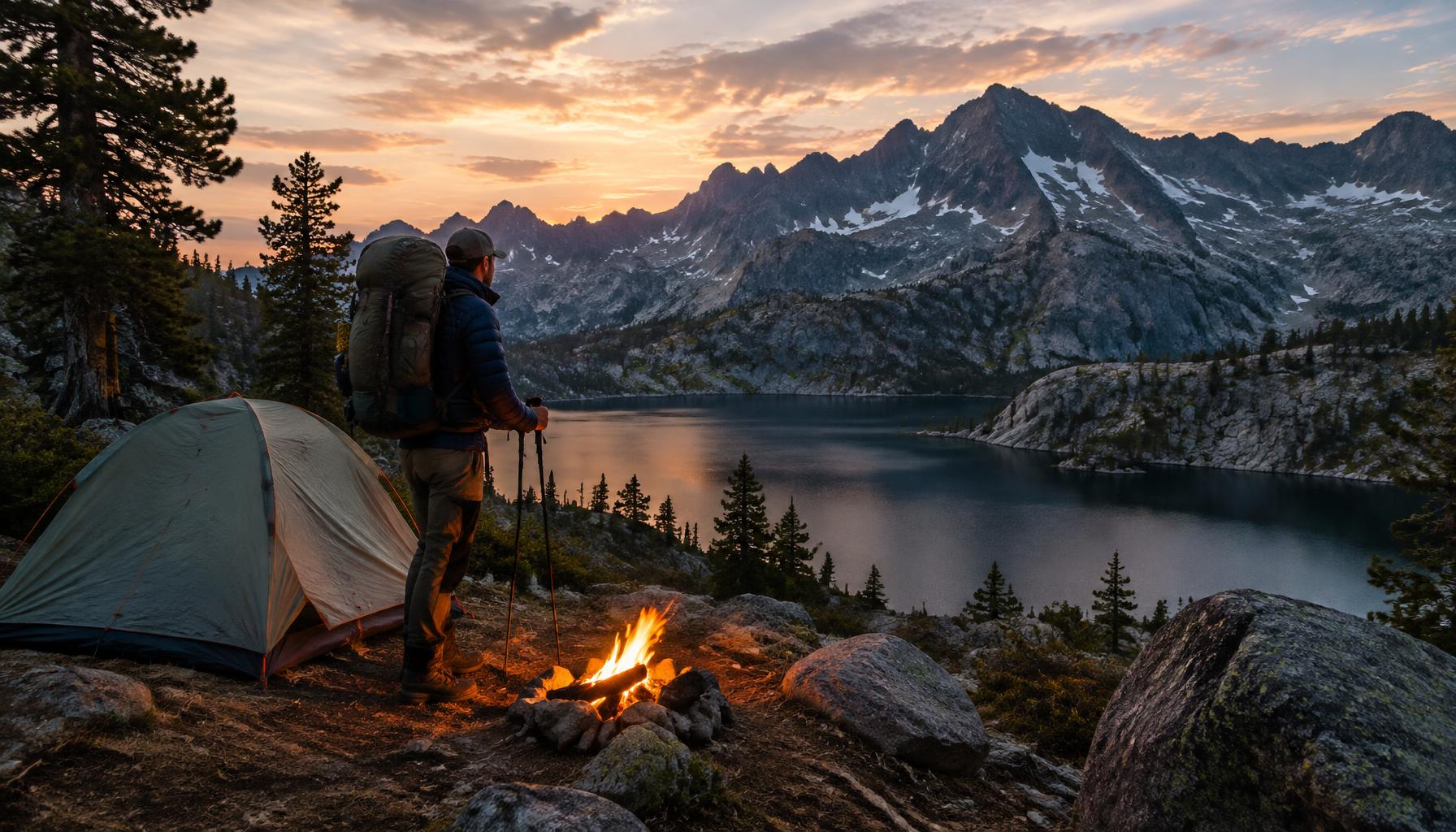
Backpacking is hiking plus the logistics of sleeping out. The craft is in the trade-offs: pack weight against comfort, food weight against calories, and mileage against the weather window you actually have.
Season: Late spring through fall in most ranges; winter is a different sport.
Backpacking adds a night — and with it shelter, sleep system, water treatment and food. Pack weight becomes the main lever: every pound you cut lets you walk further and enjoy it more.
Do a single overnight a few miles in before committing to a multi-day loop. You'll learn more about your gear in one cold night than from any review.
One night, under 5 miles in, established sites, test every piece of gear.
2–4 night loops, dial base weight, plan resupply and water sources.
Remote or permit-limited routes, shoulder seasons, long-distance sections.
A common guideline is to keep your loaded pack near 20% of body weight. Cut the big three first: shelter, sleep system and pack.
Filter, use chemical treatment or boil. Boiling for 1 minute kills germs — 3 minutes above 6,500 ft.
Camp on durable surfaces at least 200 ft from lakes and streams, out of drainages and away from dead trees overhead.
Plan roughly 2,500–4,500 calories a day depending on effort and cold, favouring calorie-dense food.
Late summer and early fall usually offer the most settled conditions; shoulder seasons bring snow, cold nights and swollen crossings.
Sources: Leave No Trace — 7 Principles · CDC — Backcountry water treatment · National Park Service — The Ten Essentials
Our Top 10 lists for the kit this pursuit leans on, each with real product photos.

Field-tested trail meals ranked on caloric density, rehydration reliability, ingredient quality, and overall pack value for wilderness travel.

We evaluated leading two-person backpacking shelters across weight, interior volume, storm protection, and long-term durability to find the best options for any trip.

Expertly researched pyramid tarps ranked for weather resistance, weight efficiency, and storm-worthiness in rough backcountry conditions.
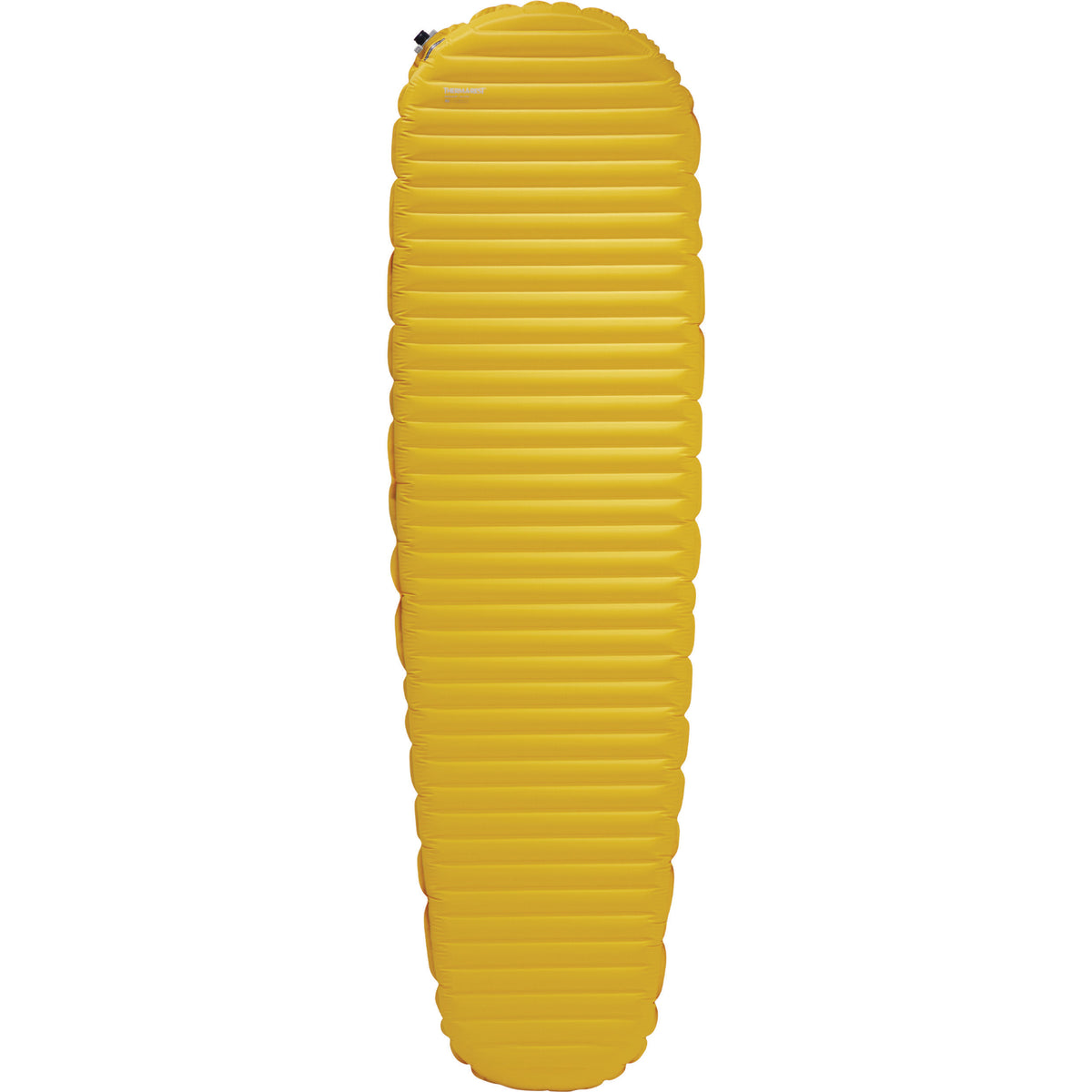
Field-tested sleeping mats evaluated for verified ASTM R-values, real pack weight, and survival on sharp granite slabs.

Solo backpacking tents compared by livable space, weight trade-offs, pitch style and weather protection.

From resort laps and sidecountry stashes to big backcountry tours and mountaineering, here are the top-rated ski backpacks based on independent expert consensus.

Nepal, Nepal
The full route is expedition-scale; sections like Manaslu or Kanchenjunga are trip-of-a-lifetime treks.

California, United States
340 km through California's High Sierra, from Yosemite Valley to the summit of Mount Whitney.

Washington, United States
150 km circling Mount Rainier through glacier valleys, wildflower parks and old-growth forest.

Minnesota, United States
Over a million acres of interconnected lakes and portages.

Maine, United States
A traditional New England wilderness river with campsites, portages, and a strong outfitter scene.

Alaska, United States
The serious tier — ski touring under aurora, temperatures well below zero, real logistics.
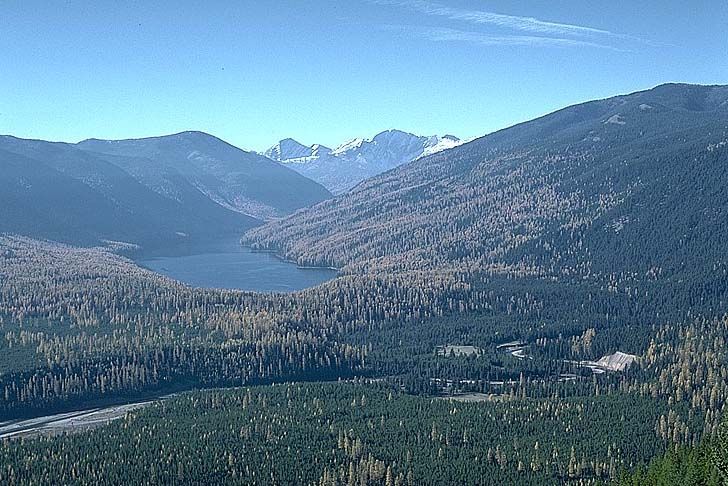
Montana, United States
A million roadless acres of Montana grizzly country anchored by the Chinese Wall.

South Island, New Zealand
Rainforest walls, waterfalls by the thousand, and New Zealand's most serious multi-day tracks.

Alaska, United States
No roads, no trails, no facilities — America's wildest national park, entirely above the Arctic Circle.
Late May through mid-October, with the sweet spot in September when bugs drop and trails empty.
Peak daylight and stable overnight temps; heat and afternoon storms set the schedule.
The best conditions of the year: cool days, few bugs, cold nights that reward a real sleep system.
Long light returns but the ground is wet, snow lingers up high, and creeks run big.
Quiet and beautiful, but it becomes a cold-weather trip with cold-weather consequences.
See live conditions and seasonal averages the same way destination pages show them.
Browse the destinations mapPlanning ranges are typical temperate-latitude values — always verify the forecast, flow, avalanche, and fire advisories for your specific area and elevation before you commit.
Every link below opens a planner already set to backpacking — the right trip type, temperature band, checklist and builder, so your kit starts from the skills and hazards this pursuit actually demands.

Tired of permit lotteries and crowded trails? Discover these seven National Parks offering exceptional backcountry experiences, challenging terrain, and the solitude serious backpackers crave. These aren't the parks you see on postcards, but they're the ones you'll remember.

Clean water in the backcountry isn't an option, it's a necessity. We've put the latest water filters through their paces, detailing the pros and cons of squeeze, gravity, pump, and chemical treatments so you can choose the right system for your adventures.

A lighter pack can improve pace, balance, comfort, and recovery, but the method matters. Safe weight reduction begins with removing unused redundancy, selecting multipurpose equipment, carrying accurate consumables, and choosing a route-app

Weather planning is not a one-time forecast check. It combines regional outlooks, local terrain, recent observations, seasonal patterns, and clear decisions about when to delay, reroute, or turn around. A forecast is evidence, not a guarant

Multi-day backpacking turns small assumptions into cumulative consequences. Route pace, campsite legality, water, food, weather, permits, resupply hours, transportation, and group capacity must align across every day. The plan should be det

Blisters develop from friction, moisture, pressure, heat, and time. The best treatment begins before skin separates: footwear that fits, socks that manage moisture, gradual conditioning, clean feet, trimmed nails, and immediate attention to

Backpacking food must be edible when tired, compact enough to carry, simple enough to prepare, and sufficient for the work. Calorie targets are estimates, not moral obligations. The best plan uses familiar foods, balances carbohydrates, fat

A backpack should transfer most of its supported load through the hip belt while allowing the shoulder harness and load lifters to stabilize the pack. Brand size labels are only a starting point. Torso length, hip shape, shoulder width, adj

A first solo backpacking trip should be simple enough that solitude—not route complexity—provides the new challenge. Choose a familiar or well-documented route, mild conditions, a short distance, reliable water, legal established camping, a
Under 20 pounds is comfortable for three-season trips; under 12 is lightweight territory and takes deliberate gear choices.
Budget around 1.6–2 pounds of food per person per day, aiming for calorie-dense items above 125 calories per ounce.