


Summer
- Days
- 70–90°F
- Nights
- 48–62°F
Peak daylight and stable overnight temps; heat and afternoon storms set the schedule.
- Afternoon thunderstorms on ridges and passes
- Heat and dehydration on exposed miles
- Fire closures and smoke drift
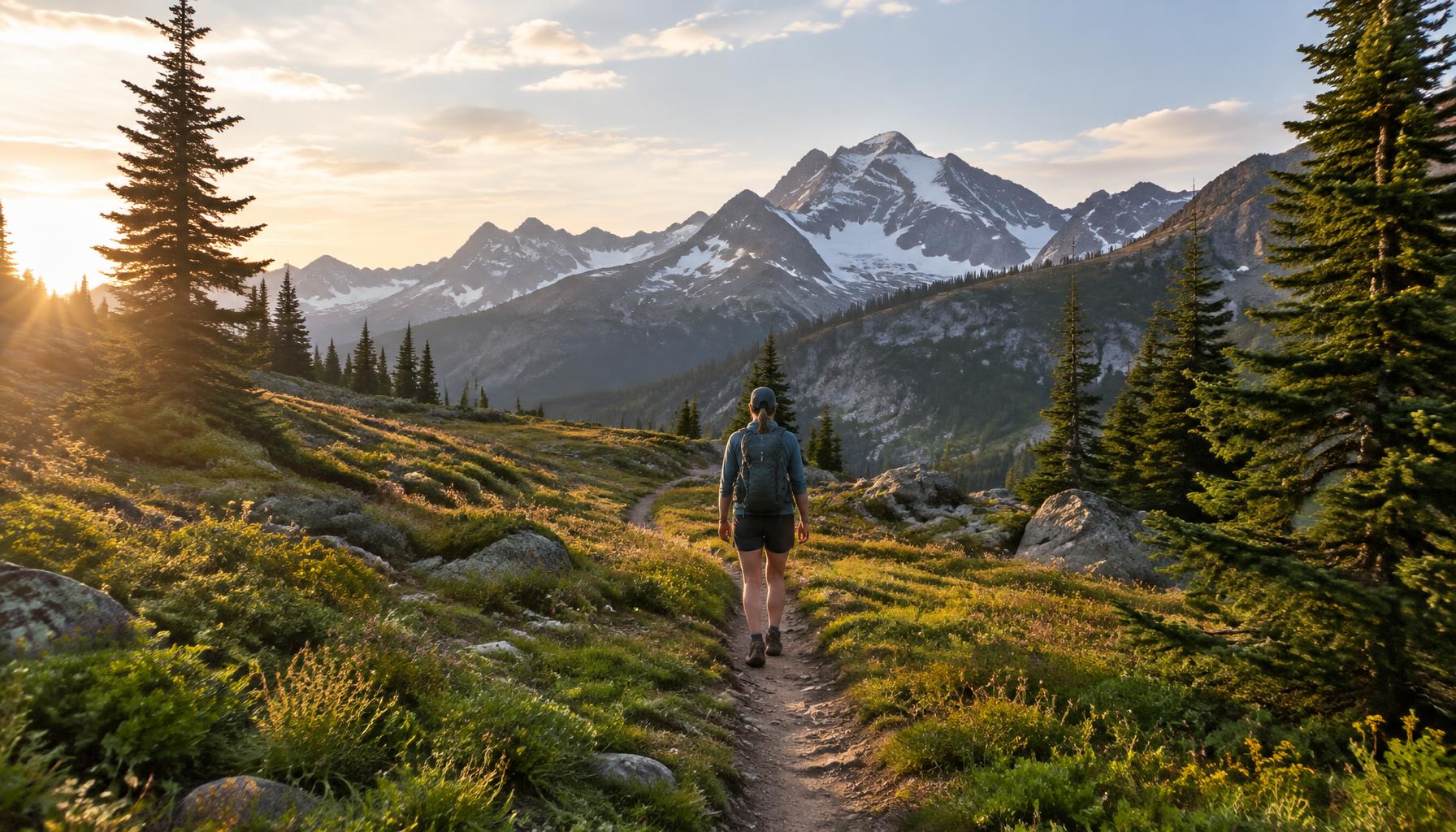
Hiking is the front door to every other pursuit on this site. Get the footwear, pacing, and navigation right and a day on trail stays fun in weather that would end a poorly planned outing.
Season: Year-round; shoulder seasons demand traction and layers.
Good hiking is mostly logistics: a realistic route for the daylight you have, footwear that fits, and enough layers and water to absorb a slow afternoon. Fitness matters less than people expect; pacing matters more.
Start on well-signed loops close to home, track how long each mile actually takes you, and use that number — not a trail sign — to plan longer days.
3–6 mile marked loops, learn your pace, carry the ten essentials every time.
10+ mile days with real gain, map-and-compass practice, start before sunrise.
Off-trail or high routes, shoulder-season traction, solo days with a trip plan left behind.
A classic estimate (Naismith's rule) is about 1 hour per 3 miles plus 1 hour per 2,000 ft of climb. Time your own hikes and replace it with your real numbers.
Carry a paper map and compass as backup to a phone app with offline maps downloaded. Check your position at every junction, not only when lost.
Base layer that wicks, an insulating mid layer and a wind/rain shell. Temperature drops roughly 3–5°F per 1,000 ft of elevation gain.
Treat hot spots the moment you feel them with tape. Break in boots before long days and carry dry socks.
Spring brings mud and high creeks, summer heat and storms, fall the best stable weather, and winter needs traction and shorter routes.
Sources: National Park Service — The Ten Essentials · Leave No Trace — 7 Principles
Our Top 10 lists for the kit this pursuit leans on, each with real product photos.

We synthesized leading outdoor testing reviews to rank the best trail energy bars for real-world hiking, endurance, and backcountry nutrition.

A ranked guide to the best hiking shirts, synthesizing technical specs, trail testing consensus, and value across tech tees, sun hoodies, and button-downs.

From ultralight thru-hiking stash pockets to load-hauling lumbar packs, here are the top-rated waist packs for keeping trail essentials secure and accessible.

Trail harnesses and dog gear compared by fit, handle, reflectivity and pack options.

Tested insights and meta-review rankings for the best hiking underwear, balancing anti-chafing performance, moisture wicking, durability, and odor control.

Trail-ready tights built for brush, scrambling, and multi-day treks, ranked using aggregated expert reviews and weighted for durability, comfort, and value.

Nepal, Nepal
The full route is expedition-scale; sections like Manaslu or Kanchenjunga are trip-of-a-lifetime treks.

California, United States
340 km through California's High Sierra, from Yosemite Valley to the summit of Mount Whitney.

Washington, United States
150 km circling Mount Rainier through glacier valleys, wildflower parks and old-growth forest.

Minnesota, United States
Over a million acres of interconnected lakes and portages.

Maine, United States
A traditional New England wilderness river with campsites, portages, and a strong outfitter scene.

Alberta, Canada
Kananaskis Country offers a diverse array of ice climbing opportunities, ranging from easily accessible single-pitch flows to serious multi-pitch alpine routes, all within an hour or two's drive of Calgary.

South Island, New Zealand
Rainforest walls, waterfalls by the thousand, and New Zealand's most serious multi-day tracks.

Wyoming, United States
The Gros Ventre Wilderness, located southeast of Jackson Hole, offers a magnificent blend of towering peaks, lush river valleys, and extensive timbered slopes.

Montana, United States
HD 210 plunges hunters into the heart of the Bob Marshall Wilderness Complex, offering an unparalleled backcountry elk experience.
Late May through mid-October, with the sweet spot in September when bugs drop and trails empty.
Peak daylight and stable overnight temps; heat and afternoon storms set the schedule.
The best conditions of the year: cool days, few bugs, cold nights that reward a real sleep system.
Long light returns but the ground is wet, snow lingers up high, and creeks run big.
Quiet and beautiful, but it becomes a cold-weather trip with cold-weather consequences.
See live conditions and seasonal averages the same way destination pages show them.
Browse the destinations mapPlanning ranges are typical temperate-latitude values — always verify the forecast, flow, avalanche, and fire advisories for your specific area and elevation before you commit.
Every link below opens a planner already set to hiking — the right trip type, temperature band, checklist and builder, so your kit starts from the skills and hazards this pursuit actually demands.

The 23 km Berg Lake Trail in Mount Robson Provincial Park — mileage, elevation, campsite permits, and what to carry.

Rain can be a hunter's worst enemy, washing away crucial blood sign. This guide offers practical strategies for recovering a blood trail when precipitation threatens, focusing on dilution patterns, leaf undersides, and effective search grids.
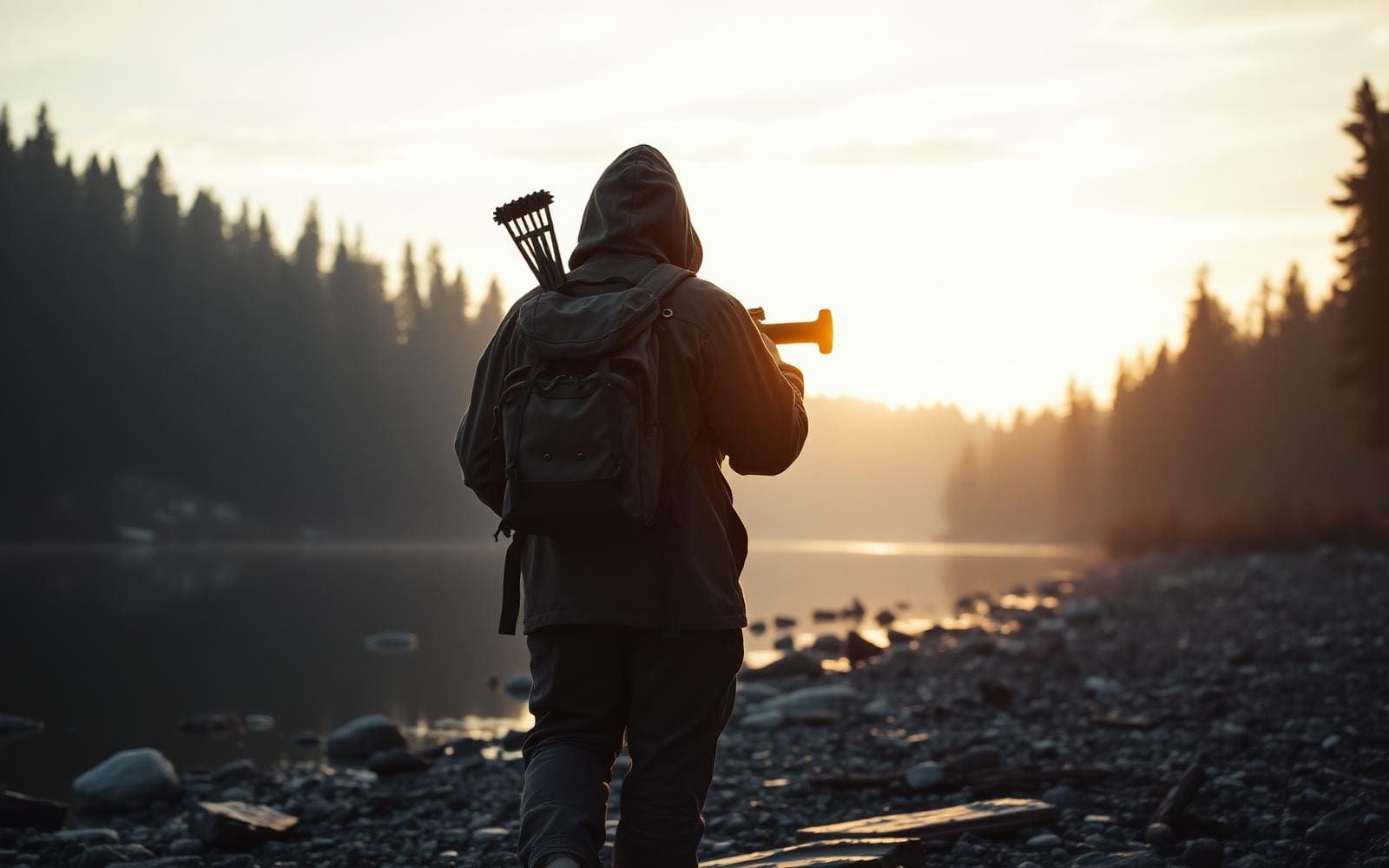
Game recovery is a disciplined investigation. The hunter should mark the shot location, last known position, animal reaction, direction of travel, and every reliable sign. Rushing can push a wounded animal farther, destroy evidence, and cre

Trail running compresses distance and decision time. A runner can move quickly beyond easy help, overheat before noticing, or reach exposed terrain as weather changes. Safety comes from route knowledge, appropriate pace, water and food, foo

Learn trail running bear safety through a practical sequence, common failure points, a controlled field drill, gear notes, and the safety checks that should happen before a real wildlife safety trip.
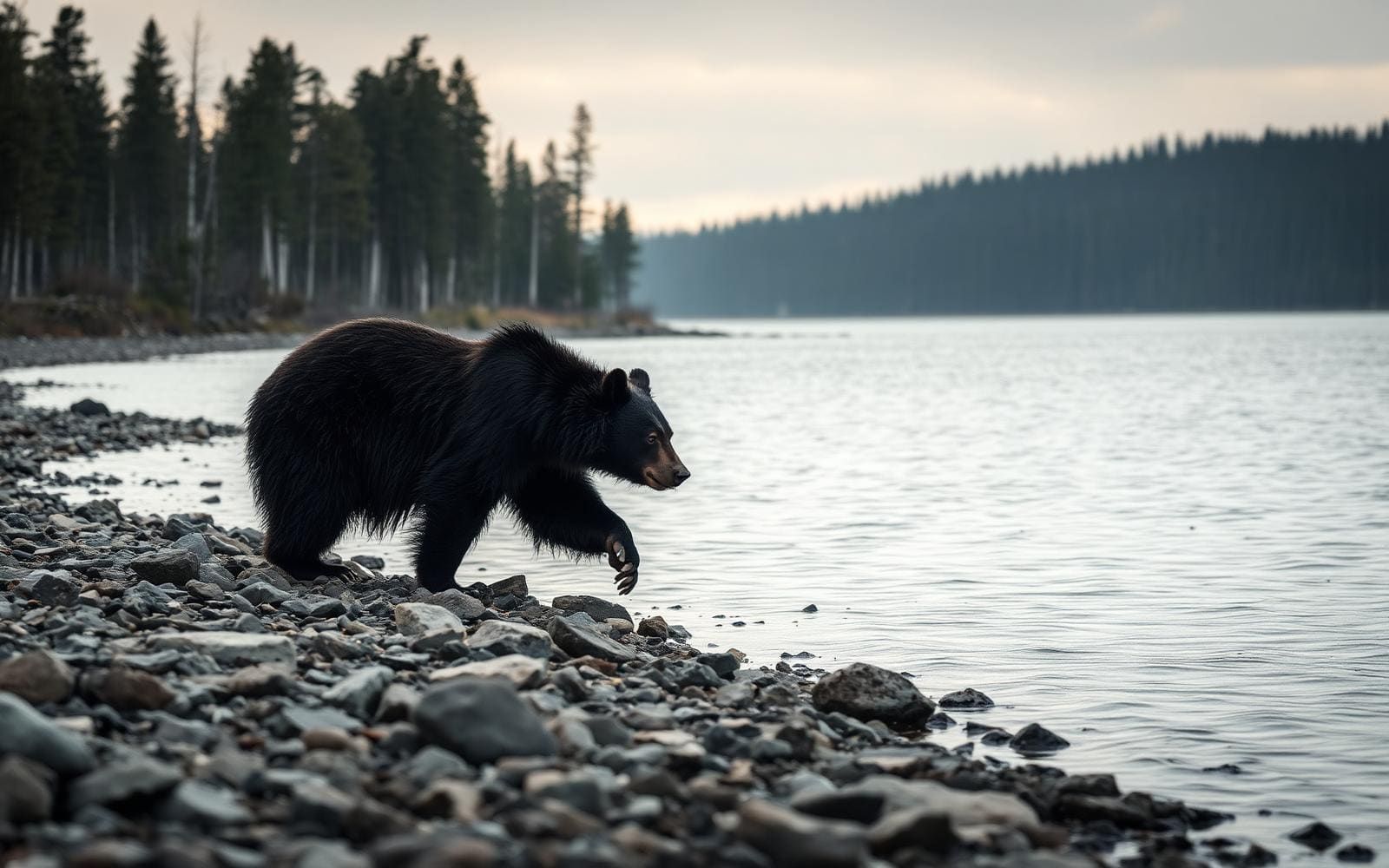
Learn trail running in bear country mistakes through a practical sequence, common failure points, a controlled field drill, gear notes, and the safety checks that should happen before a real wildlife safety trip.
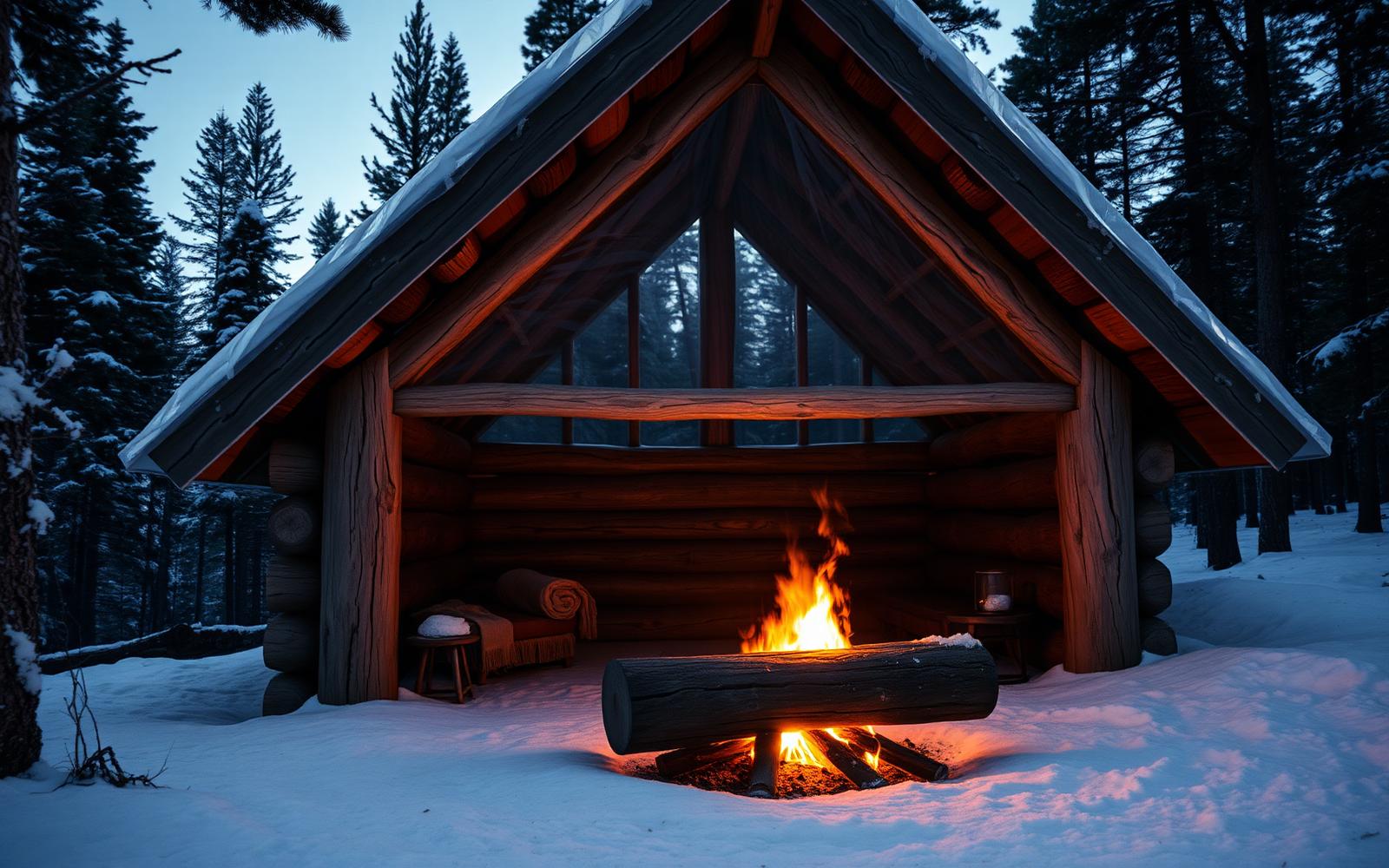
Learn hiking in bear country through a practical sequence, common failure points, a controlled field drill, gear notes, and the safety checks that should happen before a real wildlife safety trip.
Learn hiking in bear country mistakes through a practical sequence, common failure points, a controlled field drill, gear notes, and the safety checks that should happen before a real wildlife safety trip.

Learn lost hiker plan mistakes through a practical sequence, common failure points, a controlled field drill, gear notes, and the safety checks that should happen before a real survival trip.
Six to eight miles with under 1,500 feet of gain is a solid first target for most fit adults. Add distance before you add vertical.
Trail runners for maintained trail and light packs; boots when you're carrying over about 30 pounds, moving on scree, or expecting sustained wet cold.