


Spring
- Days
- 50–70°F
- Nights
- 32–48°F
Warming water pulls fish shallow — hatches begin and pre-spawn feeding peaks.
- High, off-color runoff
- Cold-water immersion if you wade a strong flow
- Spawning closures on some water
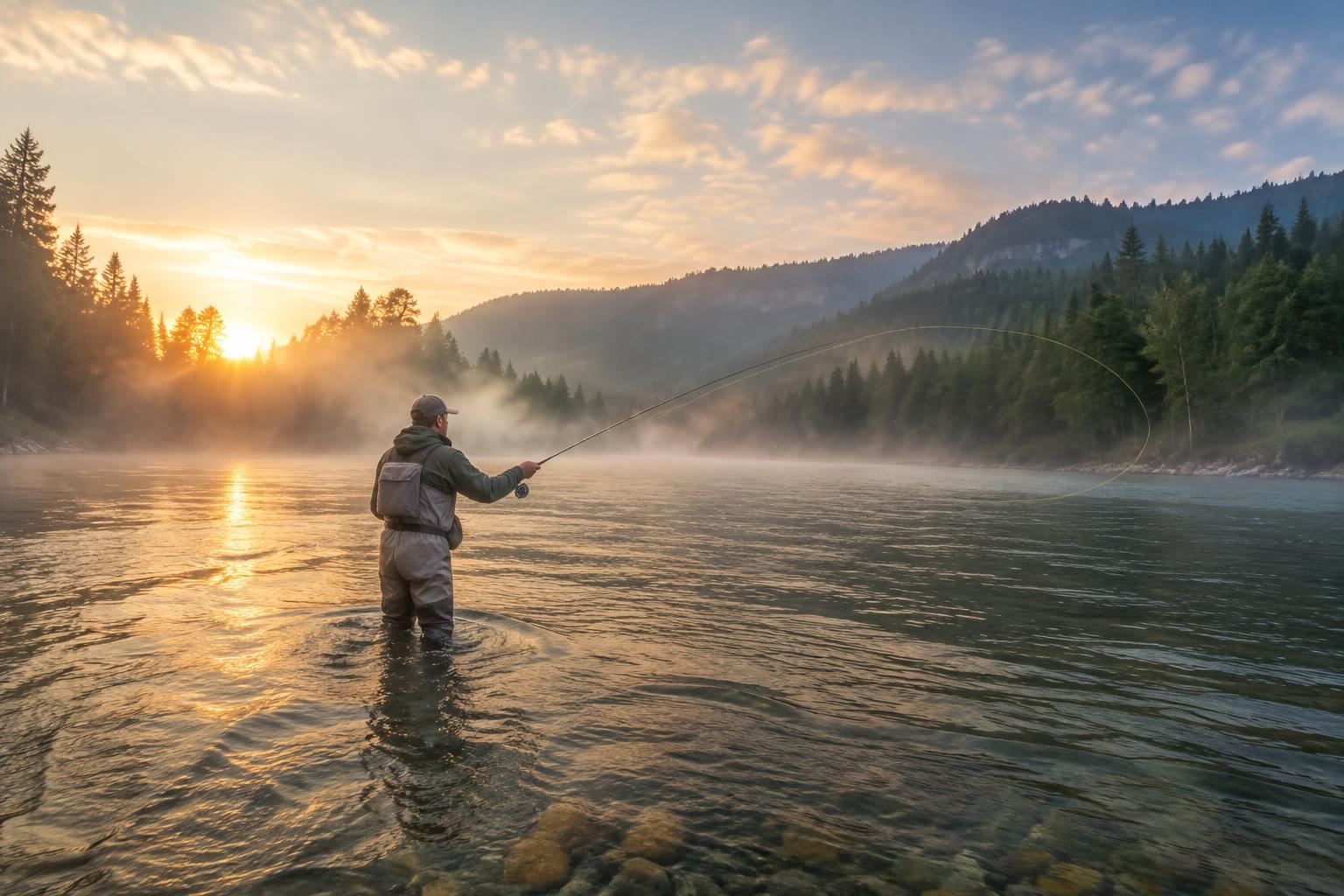
Fishing scales from a pack rod on an alpine lake to a full walleye rig. Reading water and matching presentation to conditions beats buying tackle every time. Our fishing hub has species, knots, and lure planning.
Season: Open-water seasons vary; ice fishing extends the year.
Fishing is reading water: where fish hold, what they eat and how conditions change that. A simple setup and lots of time on the water teach the most.
Buy your license, check species rules and handle fish carefully if you release them.
Spinning setup, panfish and stocked trout, basic knots.
Species-specific tactics, fly fishing basics, reading structure.
Remote waters, fly tying, boat and kayak fishing.
Learn the improved clinch and Palomar knots first; wet the line before cinching.
Fish hold near structure, current seams, drop-offs and shade — where food comes to them without much effort.
Low light at dawn and dusk is often the best bite; weather fronts and water temperature shift it.
Wet your hands, keep the fish in the water when you can and minimise air time.
Spring and fall are prime for many species as water temperatures move; summer fishing is best early and late.
Sources: Clean Drain Dry Initiative · U.S. Coast Guard — 2024 Recreational Boating Statistics
Our Top 10 lists for the kit this pursuit leans on, each with real product photos.

Wading jackets ranked on waterproof durability, hood adjustability, and pocket layout you can work with cold, wet hands.

Spinning reels ranked on drag smoothness, line management, and how long the gears stay quiet.

Casting rods for jigs, cranks, frogs, and heavy cover, ranked by blank quality and taper.

Trout, salmon, and saltwater country with real access and real fish.

Discover the best wadeable flats for sight-casting to redfish on the Texas Middle Coast, focusing on structure, wind protection, and tidal influence.

Casting reels ranked on brake systems, backlash resistance, and drag under real load.

The Bahamas, The Bahamas
Bonefish, permit, and tarpon on the flats.
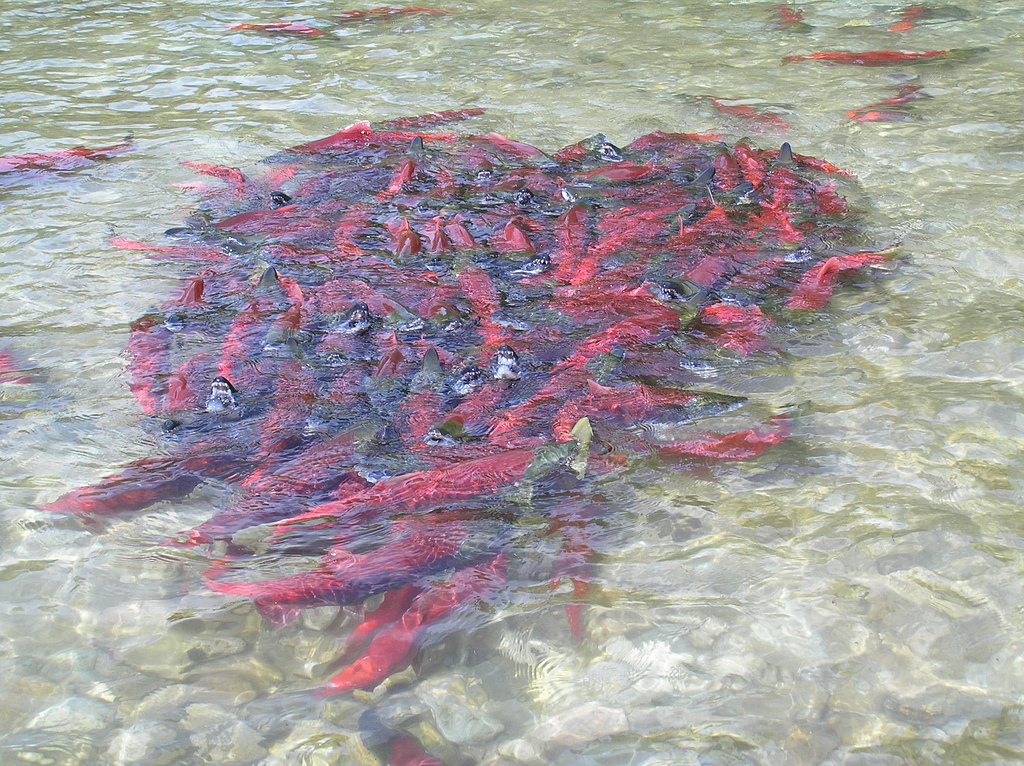
Alaska, United States
The greatest wild salmon fishery on Earth.

Texas, United States
Contee Lake, a back lake system reachable from Port O'Connor, is a hidden gem for fly anglers seeking solitude and aggressive redfish.

Texas, United States
Dagger Island, located within the vast San Antonio Bay system, is a prime redfish destination known for its expansive, shallow flats and strategic wind breaks.

Wisconsin, United States
Spring-creek wild-trout country in Wisconsin's unglaciated coulees, fishable nearly year-round.
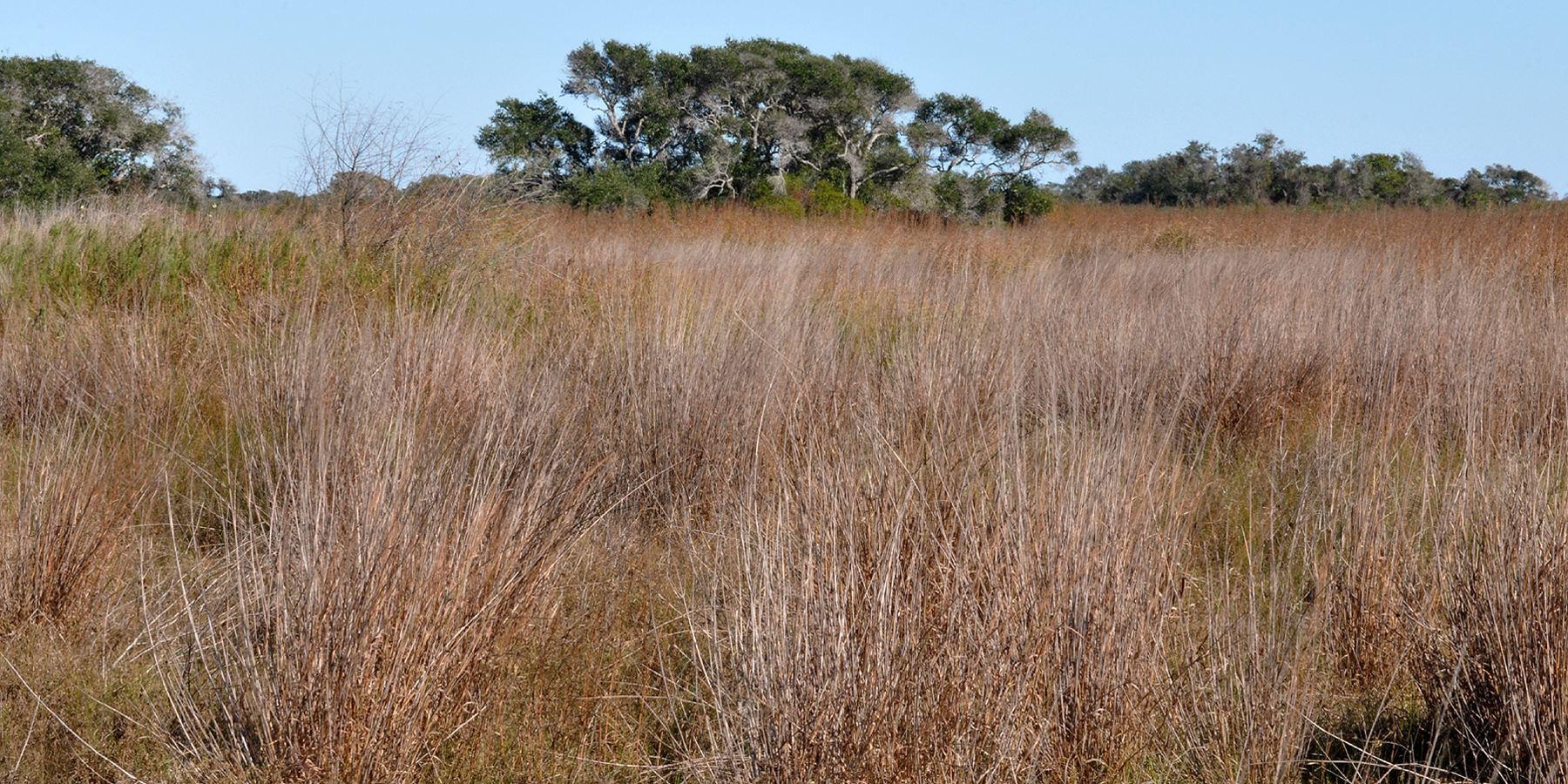
Texas, United States
Estes Flats, situated near Aransas Pass, is a legendary spot on the Texas Middle Coast, known for its extensive grass beds and consistent redfish population.

Texas, United States
Grass Island in Mesquite Bay is a textbook example of productive back-bay redfish habitat.

Murmansk Oblast, Russia
The Atlantic salmon fishery — Ponoi, Yokanga, Varzuga.

Texas, United States
Lighthouse Cove, nestled within the Aransas National Wildlife Refuge, is arguably one of the most iconic and productive redfish flats on the Texas Middle Coast.
Spring and fall, when water temperatures sit in the feeding range and fish hold at reachable depths.
Warming water pulls fish shallow — hatches begin and pre-spawn feeding peaks.
Aggressive pre-winter feeding and the least pressure of the year.
Early and late windows produce; midday fish go deep or shaded.
Slow presentations in deep, stable water — or hard water where it's safe and legal.
See live conditions and seasonal averages the same way destination pages show them.
Browse the destinations mapPlanning ranges are typical temperate-latitude values — always verify the forecast, flow, avalanche, and fire advisories for your specific area and elevation before you commit.
Every link below opens a planner already set to fishing — the right trip type, temperature band, checklist and builder, so your kit starts from the skills and hazards this pursuit actually demands.

Coastal wilderness presents unique challenges for preserving fish. High humidity and ever-present insects can spoil a hard-won catch quickly. This guide breaks down the critical factors for successful cold smoking and air drying.

Fishing the Boundary Waters Canoe Area Wilderness is an experience unlike any other. This guide covers everything from target species and ideal seasons to the right tackle and effective canoe-fishing tactics, ensuring a successful and memorable trip.
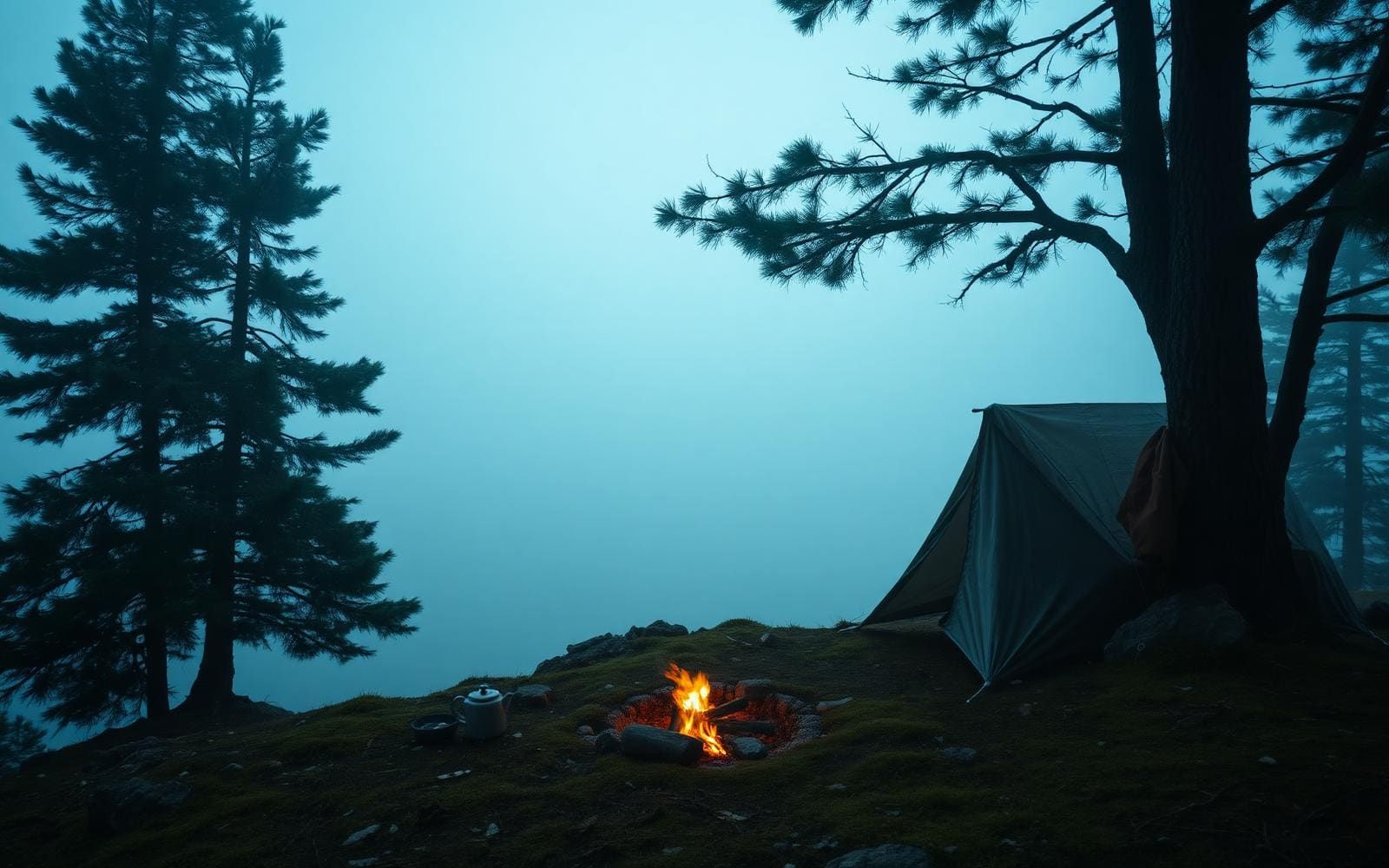
Fishing gives *Alone* a nearly perfect narrative device. It combines skill, uncertainty, local knowledge, patience, and immediate consequence. A participant can do almost everything correctly and still catch nothing. Another can adjust dept

Responsible angling protects fish, habitat, access, and the people sharing the water. The work is practical: know regulations, use appropriate tackle, handle fish efficiently, keep legal harvest cool, clean and drain equipment, dispose of l

Walleye are adapted to low-light feeding and often relate to bottom structure, current, and baitfish. They can be shallow, deep, suspended, or tucked along subtle edges depending on season and conditions. Anglers improve by tracking light,

Catch-and-release begins before the cast. Tackle, hook style, water temperature, landing plan, net, photography, and angler restraint all affect the fish. The goal is to land efficiently, keep the fish wet, minimize handling and air exposur

Surf fishing is less about casting beyond the horizon than identifying troughs, cuts, bars, points, and current where fish travel. Waves reveal the bottom: breaking water often marks shallow bars, while darker lanes or gaps can indicate dee

Structure is the shape of the lake bottom; cover is the vegetation, wood, rock, docks, or other objects fish use; temperature and oxygen determine which parts of that habitat are comfortable. Productive locations often combine all three wit

Wind exposes inefficient casting and creates real hook hazards. The answer is not simply more force. Adjust stance, casting plane, loop shape, trajectory, leader, fly size, and position. When gusts become unpredictable or hooks cannot be ke
A medium-power spinning rod with 8–10 lb line covers a remarkable range of freshwater species.
Cover depth first, then profile: one search bait, one bottom bait, and one finesse option will find fish almost anywhere.