


Summer
- Days
- 70–90°F
- Nights
- 48–62°F
Peak daylight and stable overnight temps; heat and afternoon storms set the schedule.
- Afternoon thunderstorms on ridges and passes
- Heat and dehydration on exposed miles
- Fire closures and smoke drift
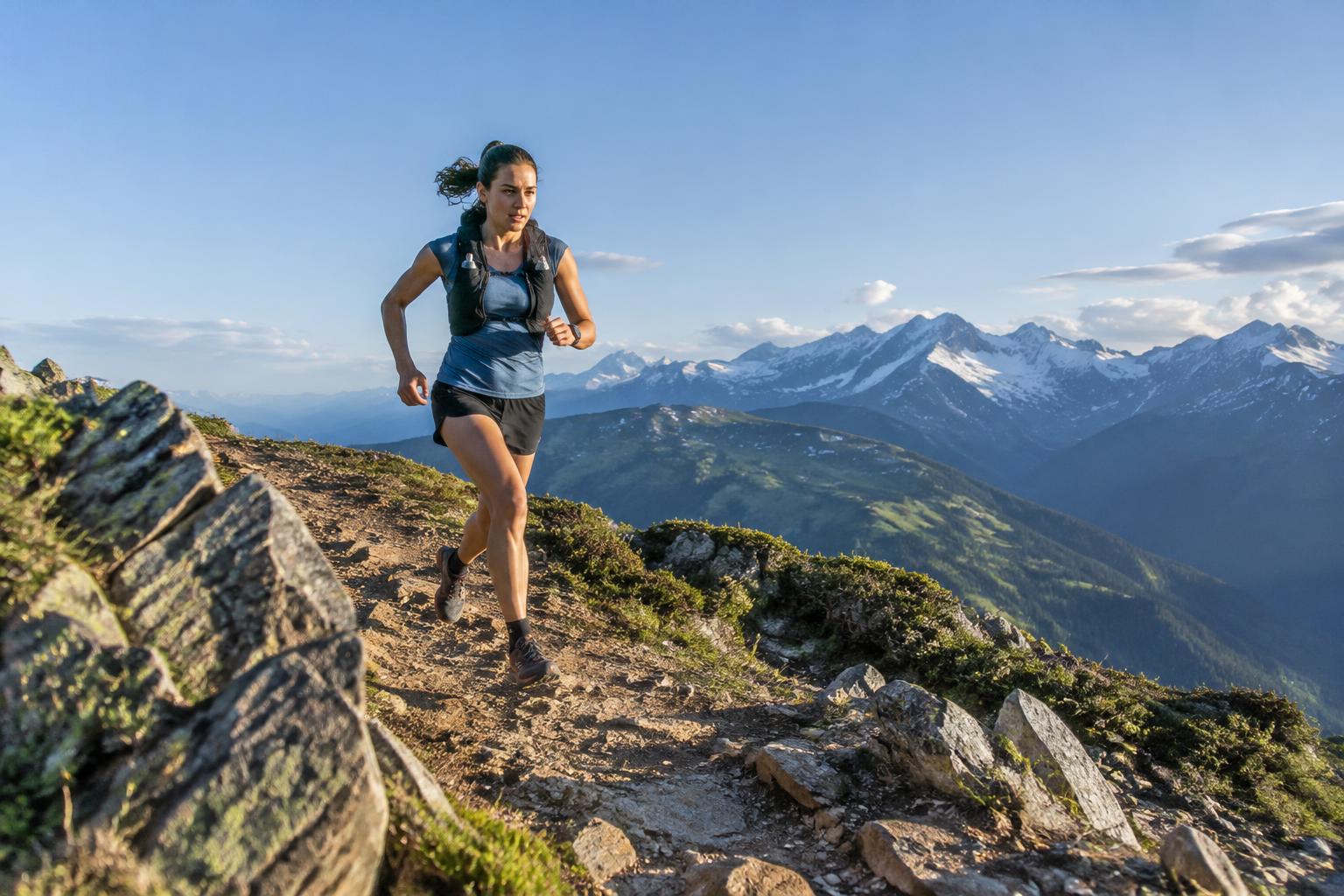
Trail running is the fastest way to see big country in a day, and the least forgiving if the weather turns. Speed is the plan; carrying a little more than feels necessary is the insurance.
Season: Snow-free trails; microspikes extend the season.
Trail running is fast, light hiking. Footwear, fueling and knowing when to walk the climbs matter more than speed.
Build distance gradually and carry a little more than you think you need.
Short smooth trails, run-walk, trail shoes.
Longer runs with climbing, fueling, vest carrying.
Ultras, mountain routes, self-supported long days.
Walk steep climbs with hands on knees — it's often as fast as running and saves energy.
Short, quick steps, eyes a few metres ahead and arms out for balance.
On runs over about 90 minutes, eat small amounts regularly and drink to thirst.
Build distance gradually — a common rule of thumb is no more than about 10% more weekly mileage — with an easy week every 3–4 weeks.
Cool spring and fall mornings are ideal; summer means early starts and more water.
Sources: National Park Service — The Ten Essentials · Leave No Trace — 7 Principles
Our Top 10 lists for the kit this pursuit leans on, each with real product photos.

We evaluated expert reviews and field benchmarks to rank the top 10 running sunglasses for optical clarity, bounce-free stability, and long-term durability.

We evaluated top-rated hydration vests across independent gear reviews to pinpoint the most stable, comfortable, and functional packs for trail running and ultramarathons.

We synthesized top expert testing and user feedback to rank the best running shorts for hot roads, rugged trails, and long endurance days.

We synthesized independent expert tests and long-term durability data to rank the best running socks for blister defense, moisture control, and trail protection.

We synthesized expert field reviews to rank the 10 best running jackets, balancing wind protection, storm defense, breathability, and durability.

From weather-resistant winter wool to breathable shoulder-season leggings, we evaluated the most dependable running tights and pants based on independent testing and build quality.

Minnesota, United States
Over a million acres of interconnected lakes and portages.

Maine, United States
A traditional New England wilderness river with campsites, portages, and a strong outfitter scene.

Alaska, United States
The serious tier — ski touring under aurora, temperatures well below zero, real logistics.

Alberta, Canada
Kananaskis Country offers a diverse array of ice climbing opportunities, ranging from easily accessible single-pitch flows to serious multi-pitch alpine routes, all within an hour or two's drive of Calgary.

Nepal, Nepal
The full route is expedition-scale; sections like Manaslu or Kanchenjunga are trip-of-a-lifetime treks.

Wyoming, United States
The Gros Ventre Wilderness, located southeast of Jackson Hole, offers a magnificent blend of towering peaks, lush river valleys, and extensive timbered slopes.

Montana, United States
HD 210 plunges hunters into the heart of the Bob Marshall Wilderness Complex, offering an unparalleled backcountry elk experience.

California, United States
340 km through California's High Sierra, from Yosemite Valley to the summit of Mount Whitney.

Wyoming, United States
The North Absaroka Wilderness, stretching north from Cody towards the Montana border, is a rugged and remote expanse of volcanic plateaus, deep canyons, and high ridges.
Late May through mid-October, with the sweet spot in September when bugs drop and trails empty.
Peak daylight and stable overnight temps; heat and afternoon storms set the schedule.
The best conditions of the year: cool days, few bugs, cold nights that reward a real sleep system.
Long light returns but the ground is wet, snow lingers up high, and creeks run big.
Quiet and beautiful, but it becomes a cold-weather trip with cold-weather consequences.
See live conditions and seasonal averages the same way destination pages show them.
Browse the destinations mapPlanning ranges are typical temperate-latitude values — always verify the forecast, flow, avalanche, and fire advisories for your specific area and elevation before you commit.
Every link below opens a planner already set to trail running — the right trip type, temperature band, checklist and builder, so your kit starts from the skills and hazards this pursuit actually demands.
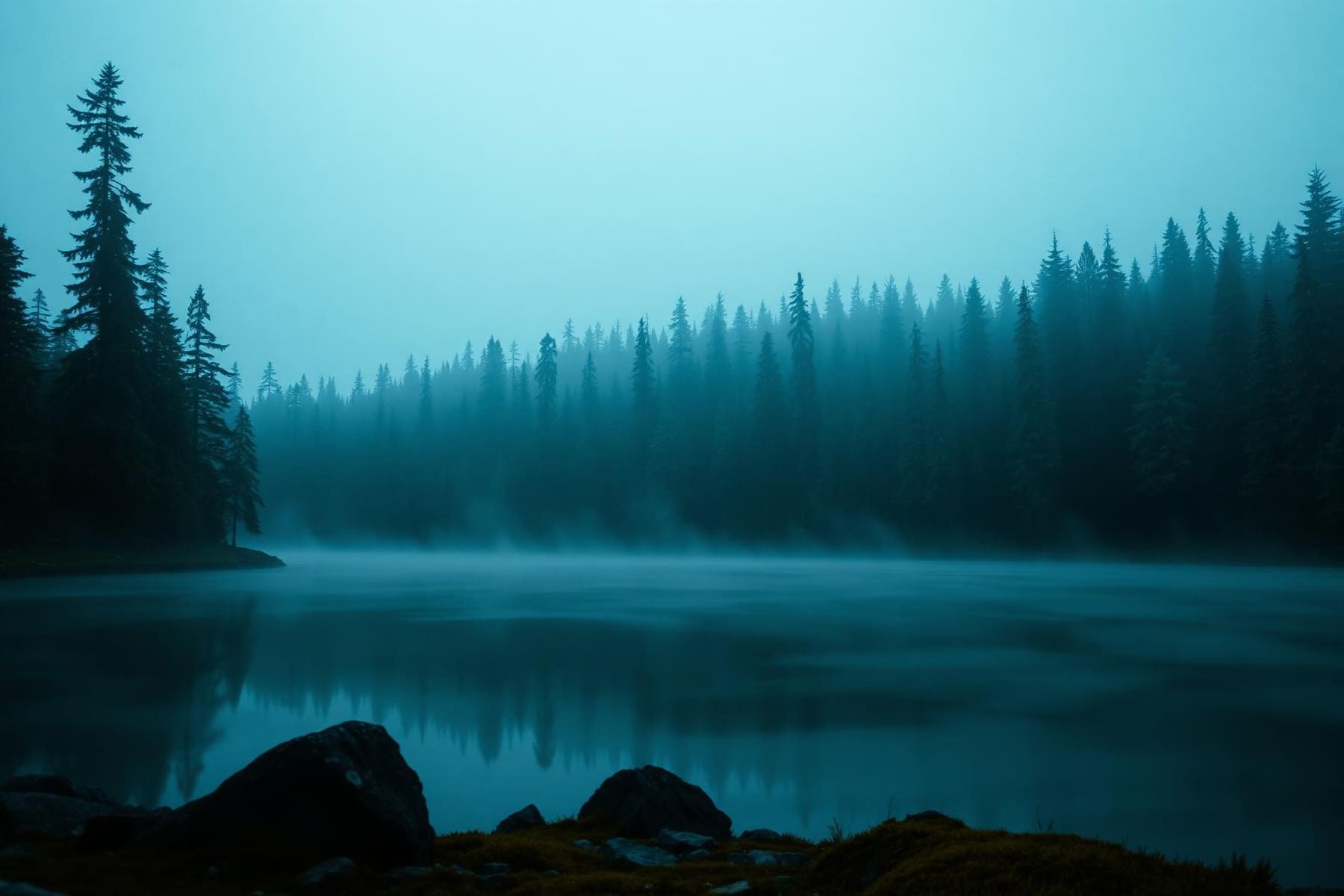
When the mercury plunges to -20°F, your stove isn't just about coffee; it's about survival. We put white gas and inverted canister stoves head-to-head in real arctic conditions, measuring melt times and fuel weight to see which truly delivers when it counts.

Trail running compresses distance and decision time. A runner can move quickly beyond easy help, overheat before noticing, or reach exposed terrain as weather changes. Safety comes from route knowledge, appropriate pace, water and food, foo

Learn trail running bear safety through a practical sequence, common failure points, a controlled field drill, gear notes, and the safety checks that should happen before a real wildlife safety trip.
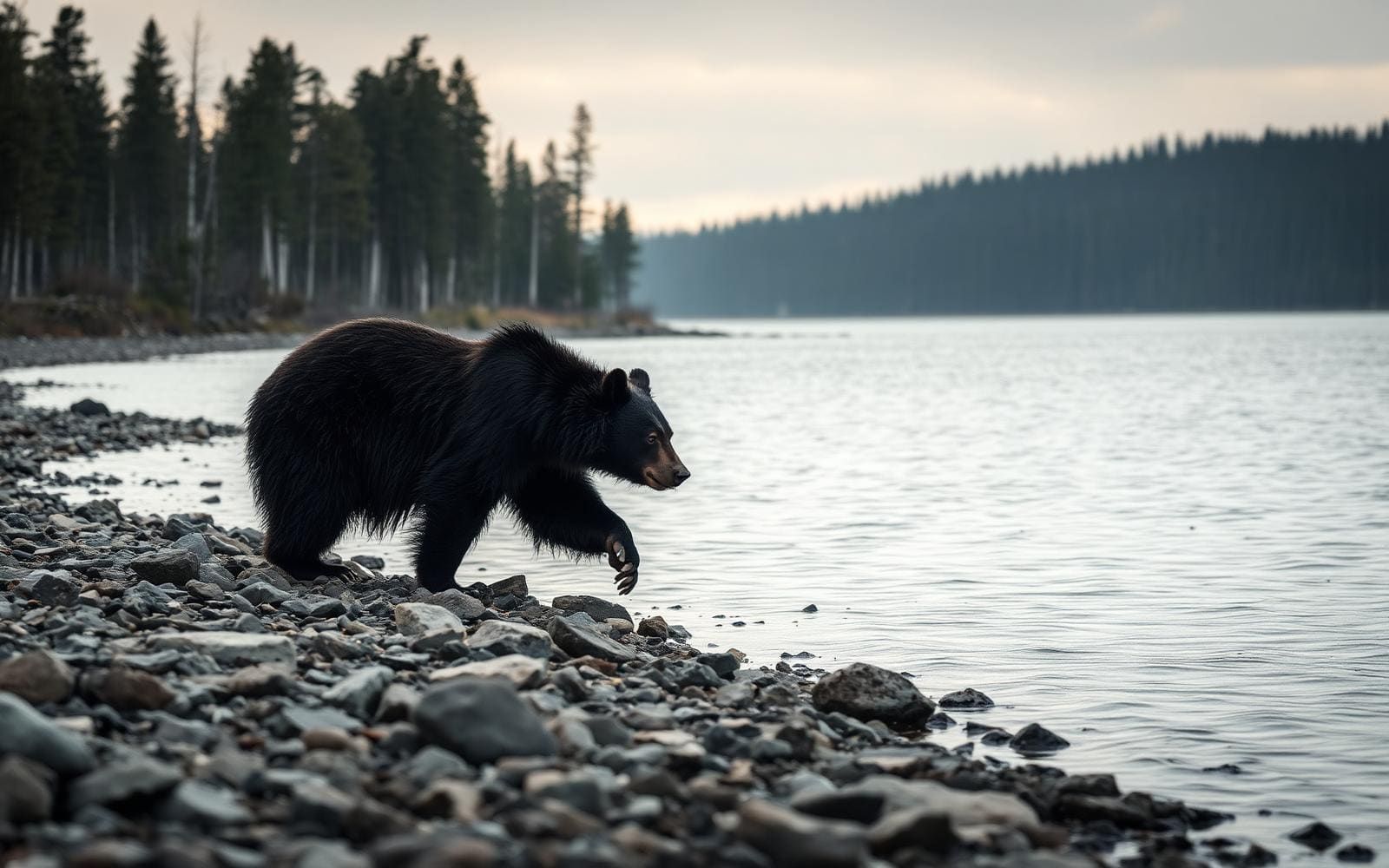
Learn trail running in bear country mistakes through a practical sequence, common failure points, a controlled field drill, gear notes, and the safety checks that should happen before a real wildlife safety trip.
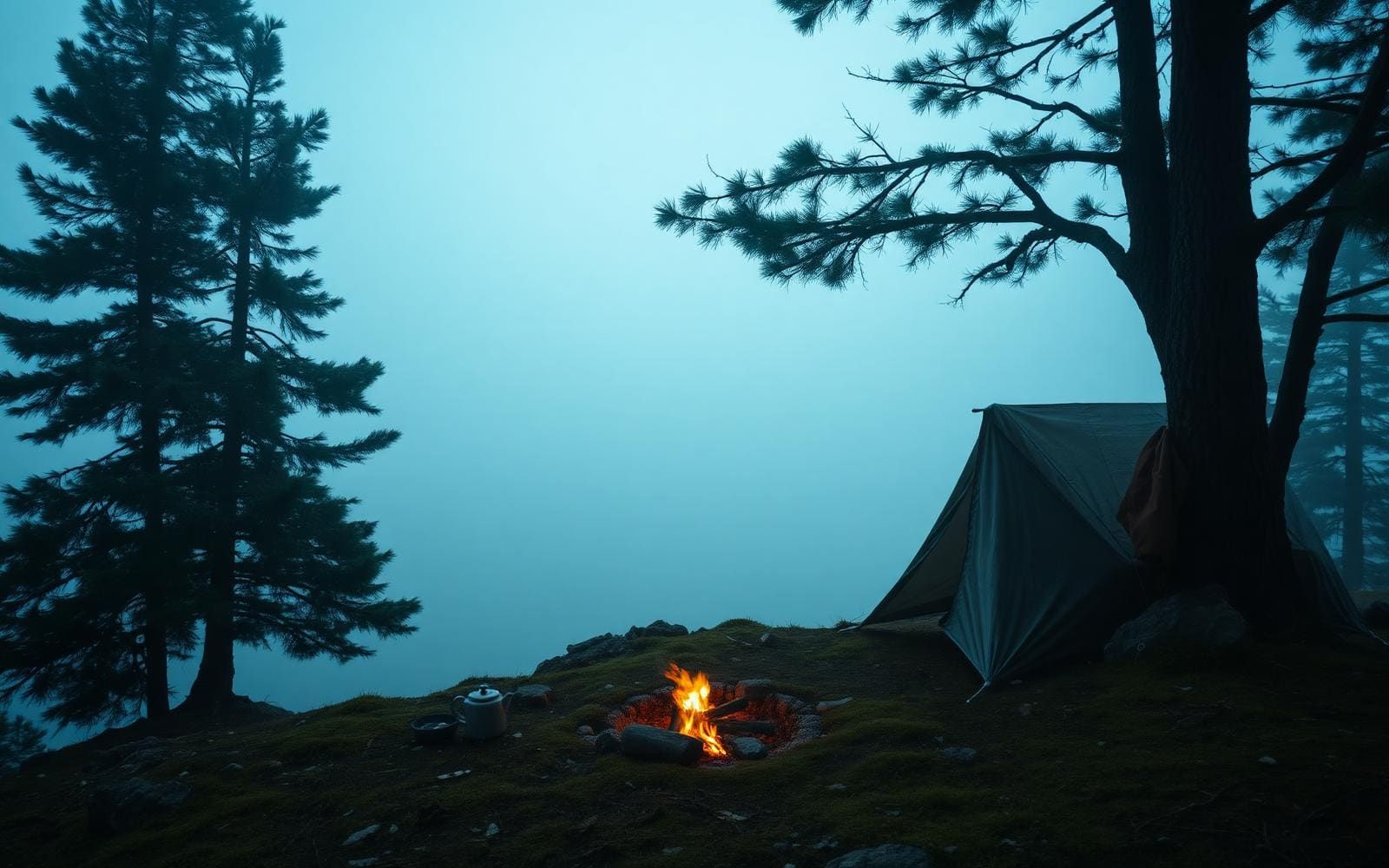
Master the ultralight vs. durable gear debate. Learn where to invest for longevity and performance, and where to save without sacrificing safety or comfort on the trail.
Hike steep grades with poles weekly and add one long day per week; vert tolerance comes from time, not intensity.
Wind shell, headlamp, an emergency layer, and more calories than you plan to eat.