


Winter
- Days
- 15–35°F
- Nights
- -5–22°F
The season this pursuit exists for: deep snow, short days, real avalanche terrain.
- Avalanche slabs after storms and wind loading
- Frostbite in wind chill
- Whiteouts destroying navigation
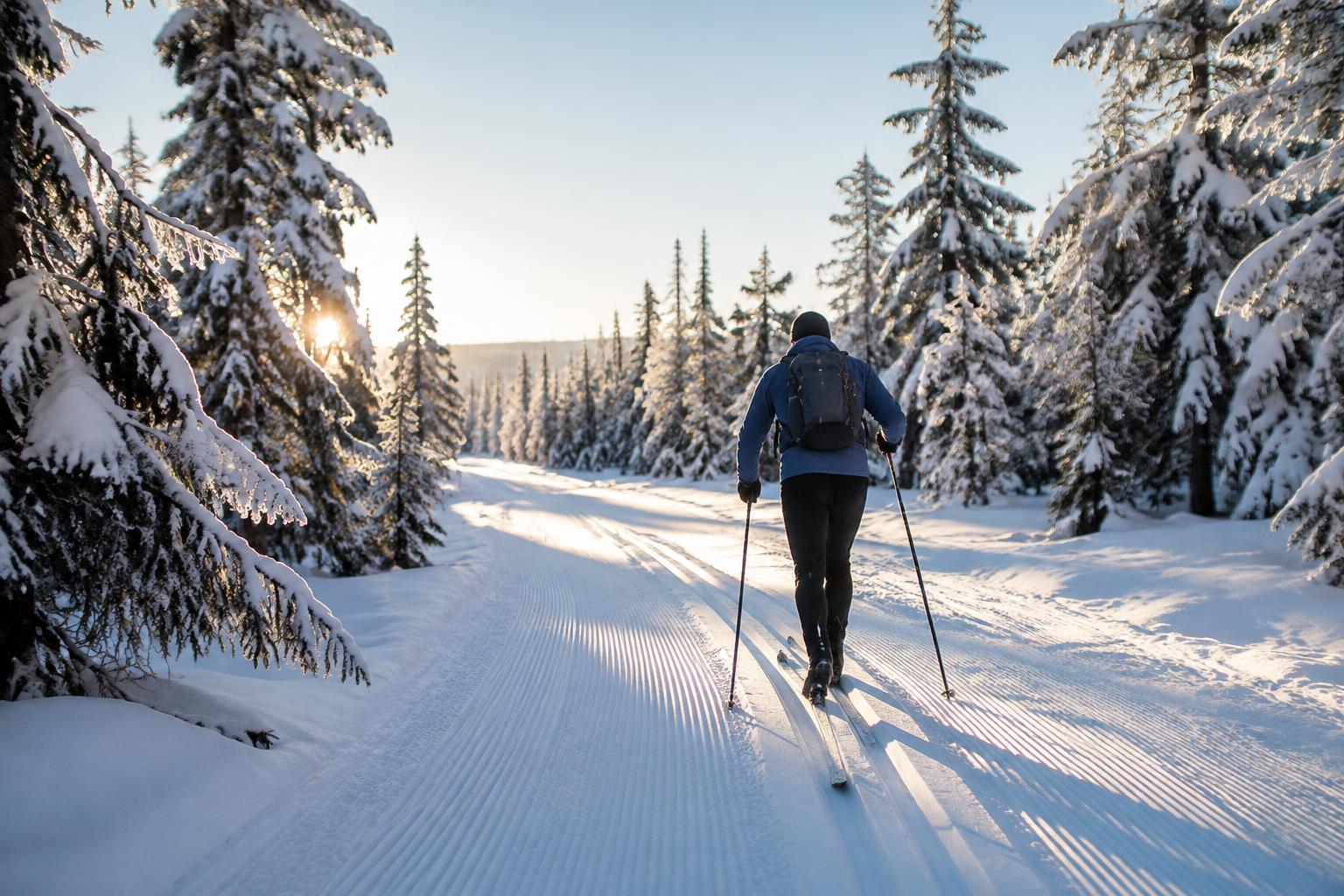
Nordic skiing is the most efficient way to cover winter miles. Classic tracks are approachable in an afternoon; backcountry touring turns frozen lakes and logging roads into a season's worth of routes.
Season: Deep winter through spring crust.
Nordic skiing is efficient winter travel and a superb workout. Groomed trails are the place to learn; backcountry touring adds navigation and cold camping.
Dress light while moving and carry a warm layer for stops — sweat is the main enemy.
Classic technique on groomed trails, rental gear, short loops.
Skate skiing, longer days, waxing basics.
Backcountry touring, hut trips, pulk-supported camping.
Classic uses a kick-and-glide stride in set tracks; skate is a V-shaped push on groomed corduroy. Most people start with classic.
Grip comes from kick wax, skins or a fish-scale base; glide wax goes on tips and tails. Waxless skis are simplest to start.
Herringbone up steep climbs, snowplough down, and side-step when it's icy.
Dress light — you'll heat up fast. Start slightly cold and add a layer at every stop.
Groomed trails open once there's a solid base; late-season crust can make ideal fast skiing in the morning.
Sources: Avalanche.org — Forecasts and danger scale · National Park Service — The Ten Essentials
Our Top 10 lists for the kit this pursuit leans on, each with real product photos.

Proven cold-weather canoeing gloves and mitts evaluated for thermal insulation, paddle grip, waterproof protection, and cockpit dexterity.

A vetted ranking of the top beginner skis, balancing easy turn initiation, forgiveness on groomers, and enough stability to support steady skill progression.

We synthesized consensus from leading gear testing outlets to rank the best ski jackets for resort laps, backcountry climbs, and winter storms.

From resort laps and sidecountry stashes to big backcountry tours and mountaineering, here are the top-rated ski backpacks based on independent expert consensus.

A data-driven ranking of the best cross-country skis and dedicated Nordic gear, evaluated for track speed, touring stability, durability, and backcountry capability.

Field-tested ski bindings ranked by aggregate expert consensus, balancing retention safety, tourability, durability, and practical value.

Alaska, United States
The serious tier — ski touring under aurora, temperatures well below zero, real logistics.

Innlandet, Norway
Norwegian winter trekking with DNT hut network.

United States, United States
Ski or snowshoe past thermal features under near-total silence.

Alberta, Canada
Kananaskis Country offers a diverse array of ice climbing opportunities, ranging from easily accessible single-pitch flows to serious multi-pitch alpine routes, all within an hour or two's drive of Calgary.

New York, United States
Cold, wind-hammered peaks with strong winter tradition.

Ontario, Canada
Ski-in yurt and hot-tent camping just three hours from Toronto.

Quebec, Canada
Backcountry ski touring and hot-tent camping in Québec's snowiest range.

Lapland, Sweden
Four hundred kilometers through Swedish Lapland with mountain huts spaced a comfortable day apart.

New Hampshire, United States
AMC huts and hardened winter hikers' scene.
January through March for reliable snowpack; late-season corn in April rewards early starts.
The season this pursuit exists for: deep snow, short days, real avalanche terrain.
Corn cycle: firm mornings, soft afternoons, and a hard turnaround time.
Early-season snow over rocks and stumps — thin cover, high consequence.
Snow is limited to permanent fields and high glaciers.
See live conditions and seasonal averages the same way destination pages show them.
Browse the destinations mapPlanning ranges are typical temperate-latitude values — always verify the forecast, flow, avalanche, and fire advisories for your specific area and elevation before you commit.
Every link below opens a planner already set to cross-country skiing — the right trip type, temperature band, checklist and builder, so your kit starts from the skills and hazards this pursuit actually demands.
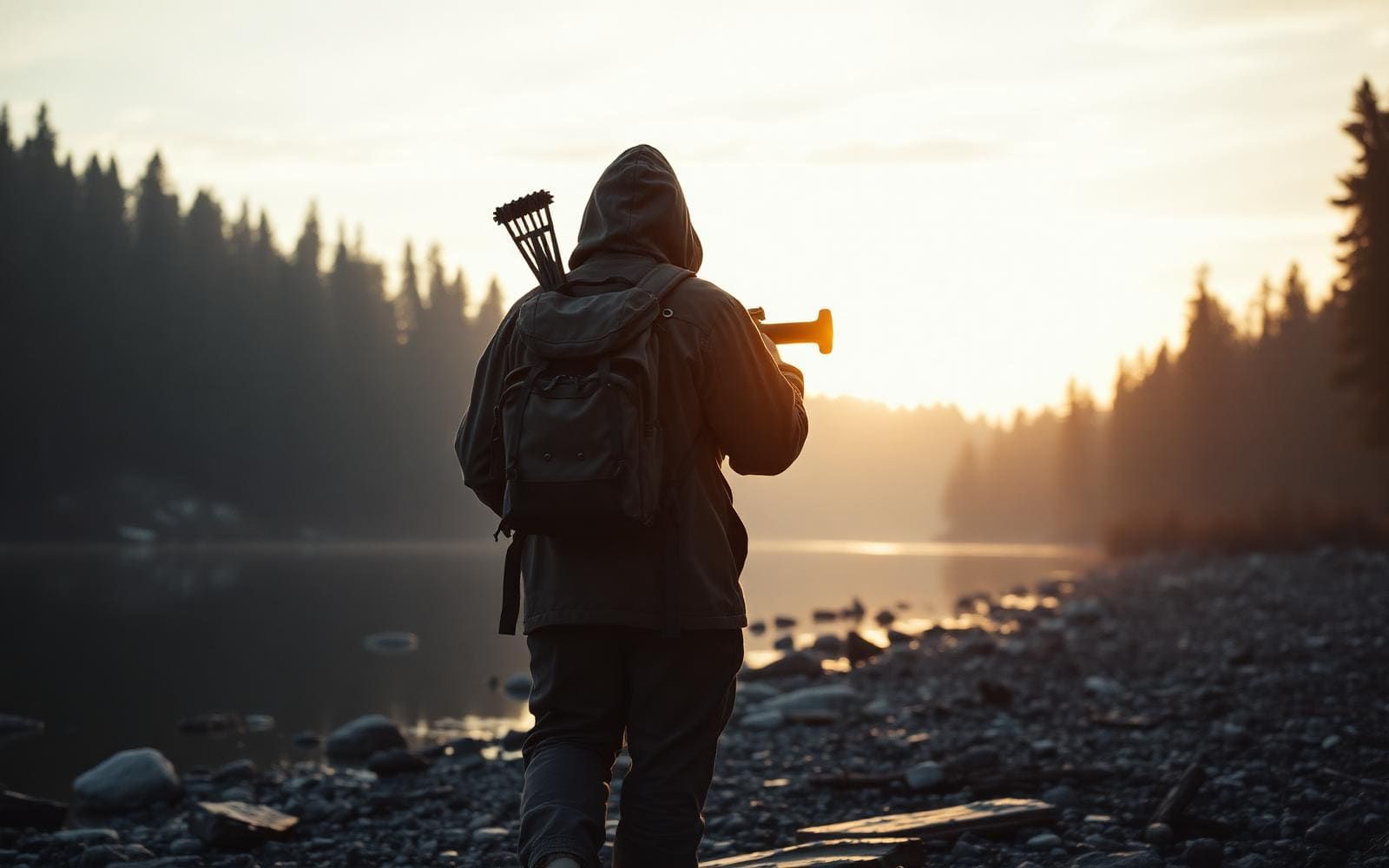
Episode 10 of Alone Season 9, "Winter's Grasp," ratchets up the pressure as contestants face dwindling supplies and the relentless onset of winter. Survival decisions become critical for the remaining few.

Staying hydrated in deep winter is critical, yet challenging. This guide breaks down the physical mechanics and practical techniques for keeping your essential three liters of water from freezing solid when temperatures plummet below zero.

Running a wood stove in a sub-zero tent feels like a luxury, but it's also an invitation for condensation. This deep dive explains the dew point, fabric performance, and practical steps to keep your winter shelter dry and comfortable.

We put high-fill power down to the ultimate test: ten days in sub-zero, high-condensation conditions. What happens when your premium insulation fights relentless moisture? The results might change how you pack for winter.
A useful fly box contains representative food forms in sensible sizes, not every pattern name ever spoken near a vise. Build around local insects, terrestrials, baitfish, and water conditions. Carry enough duplicates to replace lost flies,
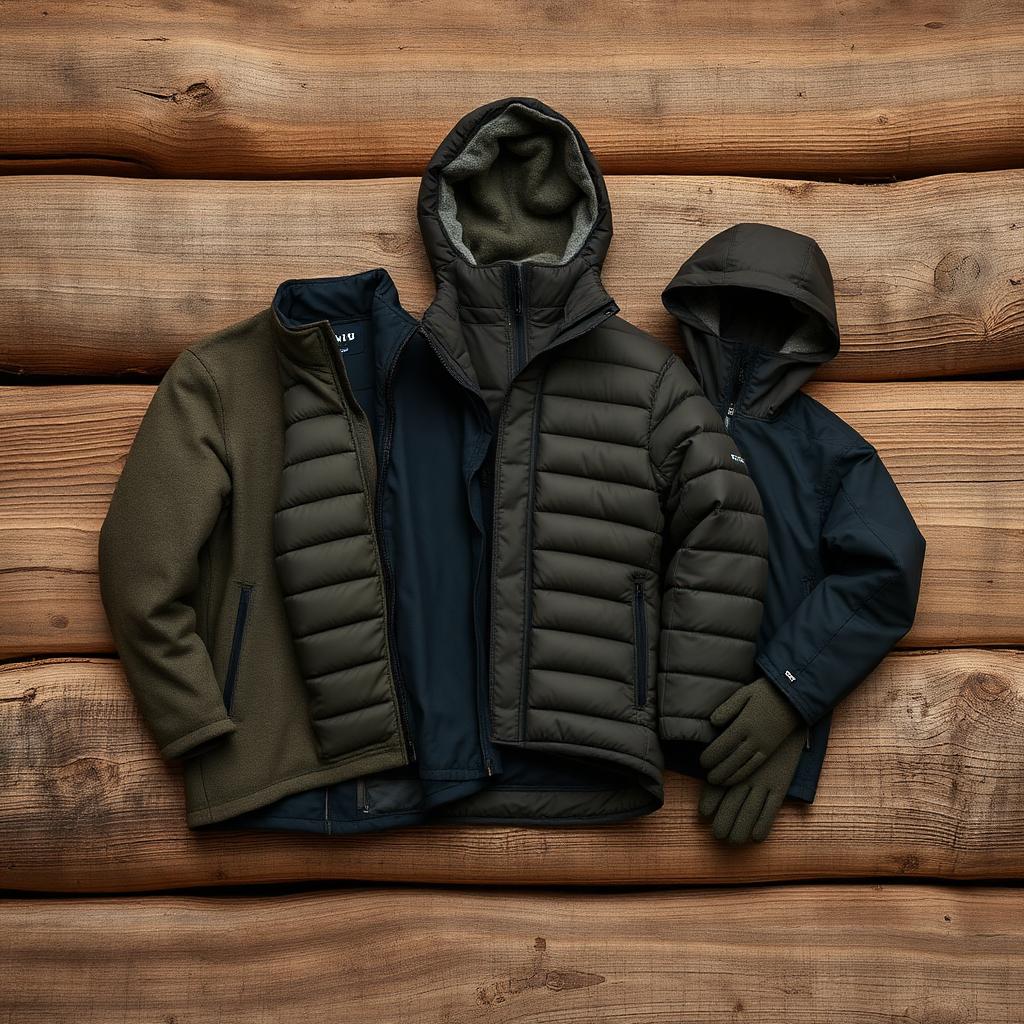
Learn winter survival in car through a practical sequence, common failure points, a controlled field drill, gear notes, and the safety checks that should happen before a real survival trip.

Learn winter stranding mistakes through a practical sequence, common failure points, a controlled field drill, gear notes, and the safety checks that should happen before a real survival trip.
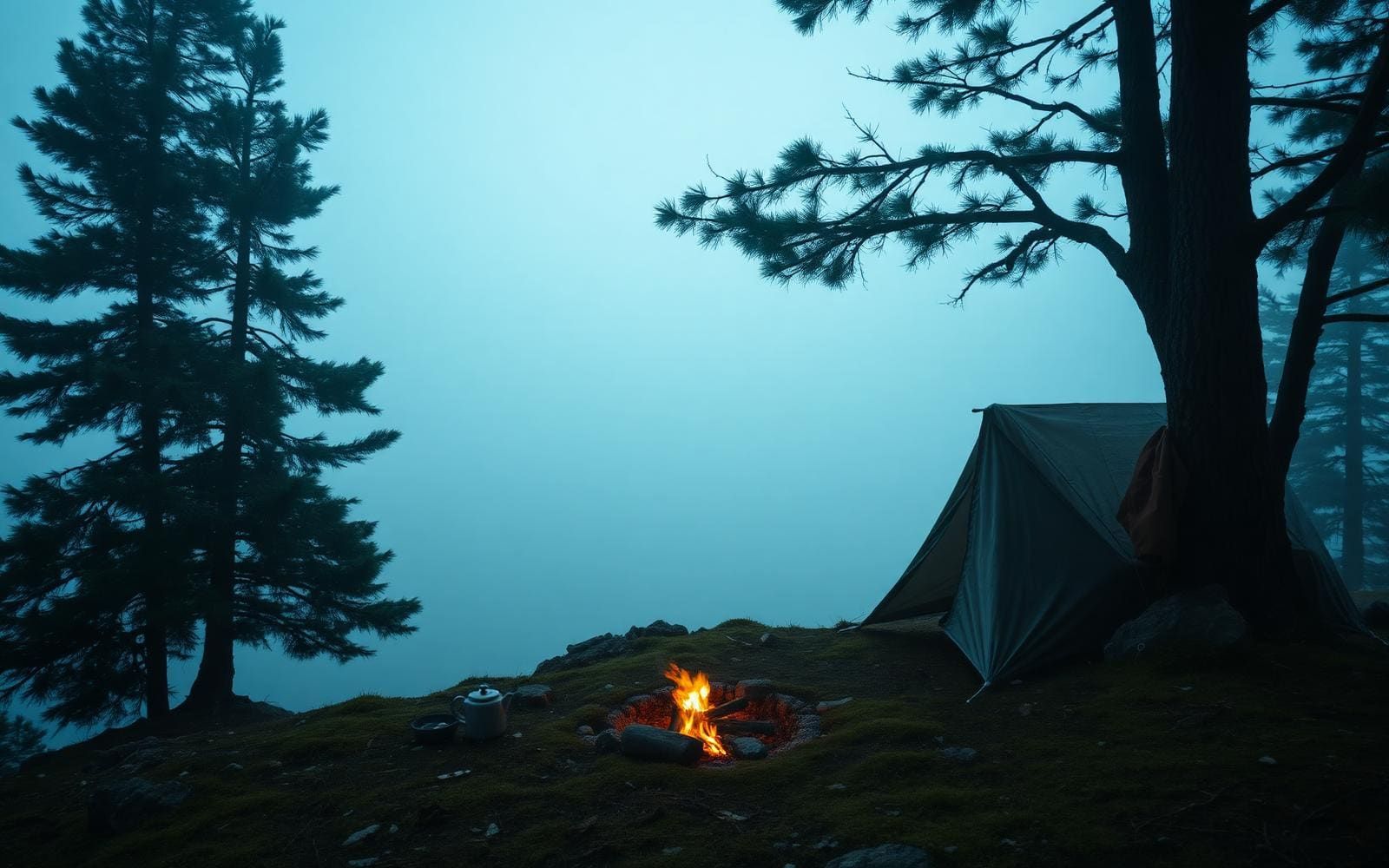
Learn winter bushcraft camping through a practical sequence, common failure points, a controlled field drill, gear notes, and the safety checks that should happen before a real bushcraft trip.

Learn winter bushcraft camp mistakes through a practical sequence, common failure points, a controlled field drill, gear notes, and the safety checks that should happen before a real bushcraft trip.
Classic. It's closer to walking, works on ungroomed snow, and translates directly to backcountry touring.
For most recreational skiers, yes — they remove wax guessing in changing temperatures at a small speed penalty.