


Winter
- Days
- 15–35°F
- Nights
- -5–22°F
The season this pursuit exists for: deep snow, short days, real avalanche terrain.
- Avalanche slabs after storms and wind loading
- Frostbite in wind chill
- Whiteouts destroying navigation
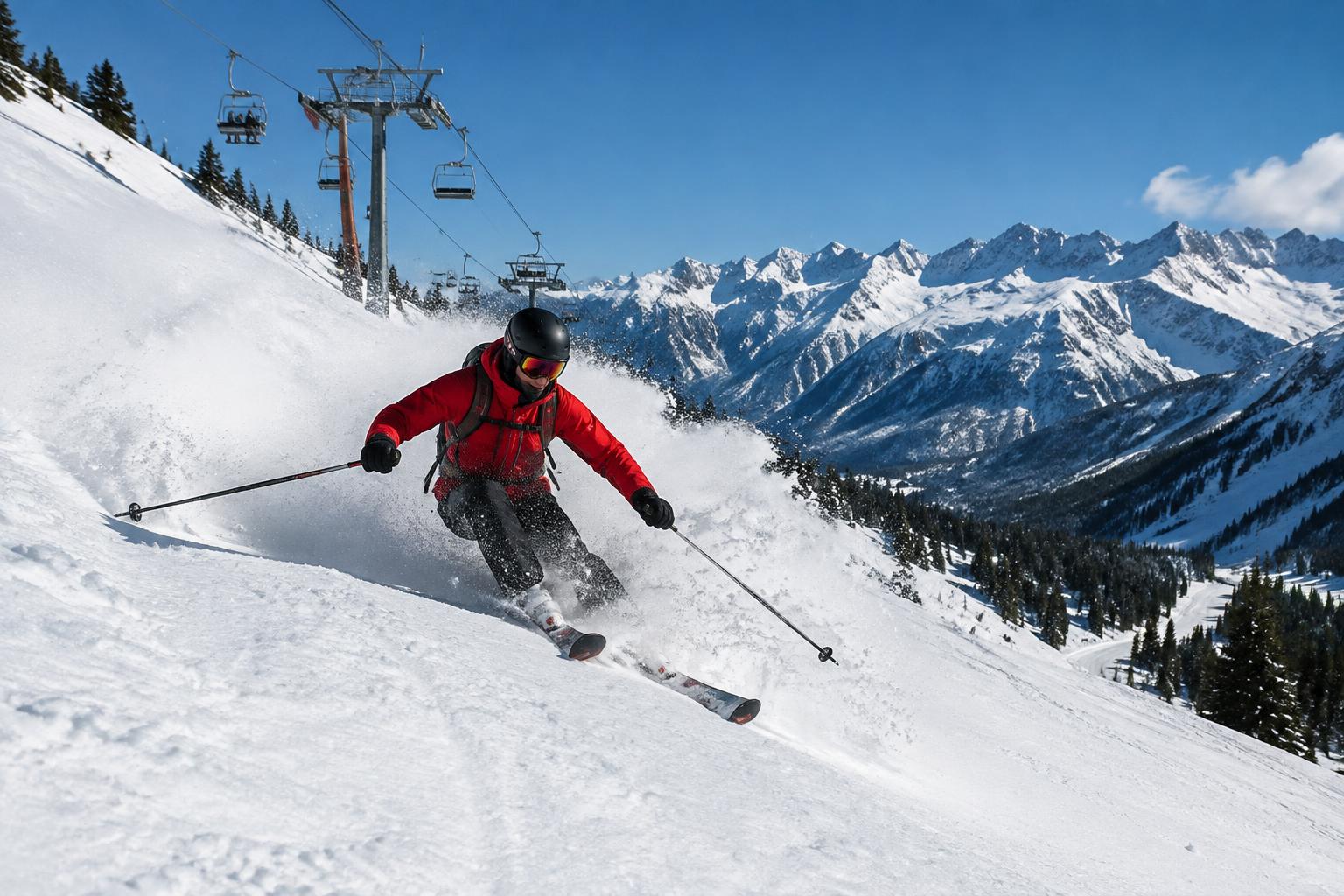
Downhill skiing spans groomers to sidecountry. Technique buys you terrain; conditions awareness buys you safety the moment you duck a rope or ski off-piste.
Season: Early winter through spring corn.
Resort skiing is about lessons, the right boot fit and staying warm. Backcountry skiing adds avalanche terrain — that takes formal training.
Boots matter more than skis; a proper fitting fixes most beginner problems.
Lessons on green runs, renting gear, layering for lift rides.
Blue and black runs, buying fitted boots, tree and powder skiing.
Avalanche course, touring setup, backcountry with partners.
Learn to tip the skis on edge rather than skid. Clean carved turns bring speed control on firm snow.
Shins pressed into the boot tongues, hands forward and visible, hips over feet.
Move from green to blue to black runs only when you can stop and turn on demand at the previous level.
Leave the resort boundary only with avalanche training, a beacon, shovel, probe and partner.
Mid-winter brings the best snow; spring offers soft afternoon snow but firm, icy mornings.
Sources: NSAA — Your Responsibility Code · Avalanche.org — Forecasts and danger scale
Our Top 10 lists for the kit this pursuit leans on, each with real product photos.

Proven cold-weather canoeing gloves and mitts evaluated for thermal insulation, paddle grip, waterproof protection, and cockpit dexterity.

A vetted ranking of the top beginner skis, balancing easy turn initiation, forgiveness on groomers, and enough stability to support steady skill progression.

We synthesized consensus from leading gear testing outlets to rank the best ski jackets for resort laps, backcountry climbs, and winter storms.

We synthesized top independent tests and field reviews to rank the best snow goggles for optical clarity, ventilation, field of view, and all-weather reliability.

A definitive guide to the top bike helmets for road, trail, and downhill riding, evaluated on real-world protection, ventilation, weight, and long-term value.

The best climbing helmets balance critical impact protection, ventilation, and weight. Here are the top 10 models for cragging, alpine routes, and ski mountaineering.

Alaska, United States
The serious tier — ski touring under aurora, temperatures well below zero, real logistics.

Innlandet, Norway
Norwegian winter trekking with DNT hut network.

United States, United States
Ski or snowshoe past thermal features under near-total silence.

Alberta, Canada
Kananaskis Country offers a diverse array of ice climbing opportunities, ranging from easily accessible single-pitch flows to serious multi-pitch alpine routes, all within an hour or two's drive of Calgary.

New York, United States
Cold, wind-hammered peaks with strong winter tradition.

Ontario, Canada
Ski-in yurt and hot-tent camping just three hours from Toronto.

Quebec, Canada
Backcountry ski touring and hot-tent camping in Québec's snowiest range.

Lapland, Sweden
Four hundred kilometers through Swedish Lapland with mountain huts spaced a comfortable day apart.

New Hampshire, United States
AMC huts and hardened winter hikers' scene.
January through March for reliable snowpack; late-season corn in April rewards early starts.
The season this pursuit exists for: deep snow, short days, real avalanche terrain.
Corn cycle: firm mornings, soft afternoons, and a hard turnaround time.
Early-season snow over rocks and stumps — thin cover, high consequence.
Snow is limited to permanent fields and high glaciers.
See live conditions and seasonal averages the same way destination pages show them.
Browse the destinations mapPlanning ranges are typical temperate-latitude values — always verify the forecast, flow, avalanche, and fire advisories for your specific area and elevation before you commit.
Every link below opens a planner already set to downhill skiing — the right trip type, temperature band, checklist and builder, so your kit starts from the skills and hazards this pursuit actually demands.

Based on a decade of Alone, we dissect the bushcraft skills that separate the finalists from the early tap-outs. This isn't just about survival; it's about thriving in isolation.

A campfire is optional. Warm clothing, a stove, and good company work without sparks, smoke, or a shovel. Light a fire only when it is legal, conditions are suitable, the site can contain it, and enough water is available to extinguish it c

Outdoor skill grows when practice continues between major trips. A year-round plan can rotate navigation, first aid, camping, paddling, fishing, weather, winter travel, and stewardship while matching local seasons. The objective is not to m

Thirty days is enough to create momentum, not mastery. A useful bushcraft challenge focuses on short, repeatable sessions, measurable standards, and safe progression. It should improve systems you will actually use outdoors rather than prod

Bushcraft begins with a simple promise: learn to meet ordinary needs outdoors with skill, judgment, and a modest kit. It is not a shopping contest, a costume, or a race to build a log cabin before lunch. Beginners improve fastest when they
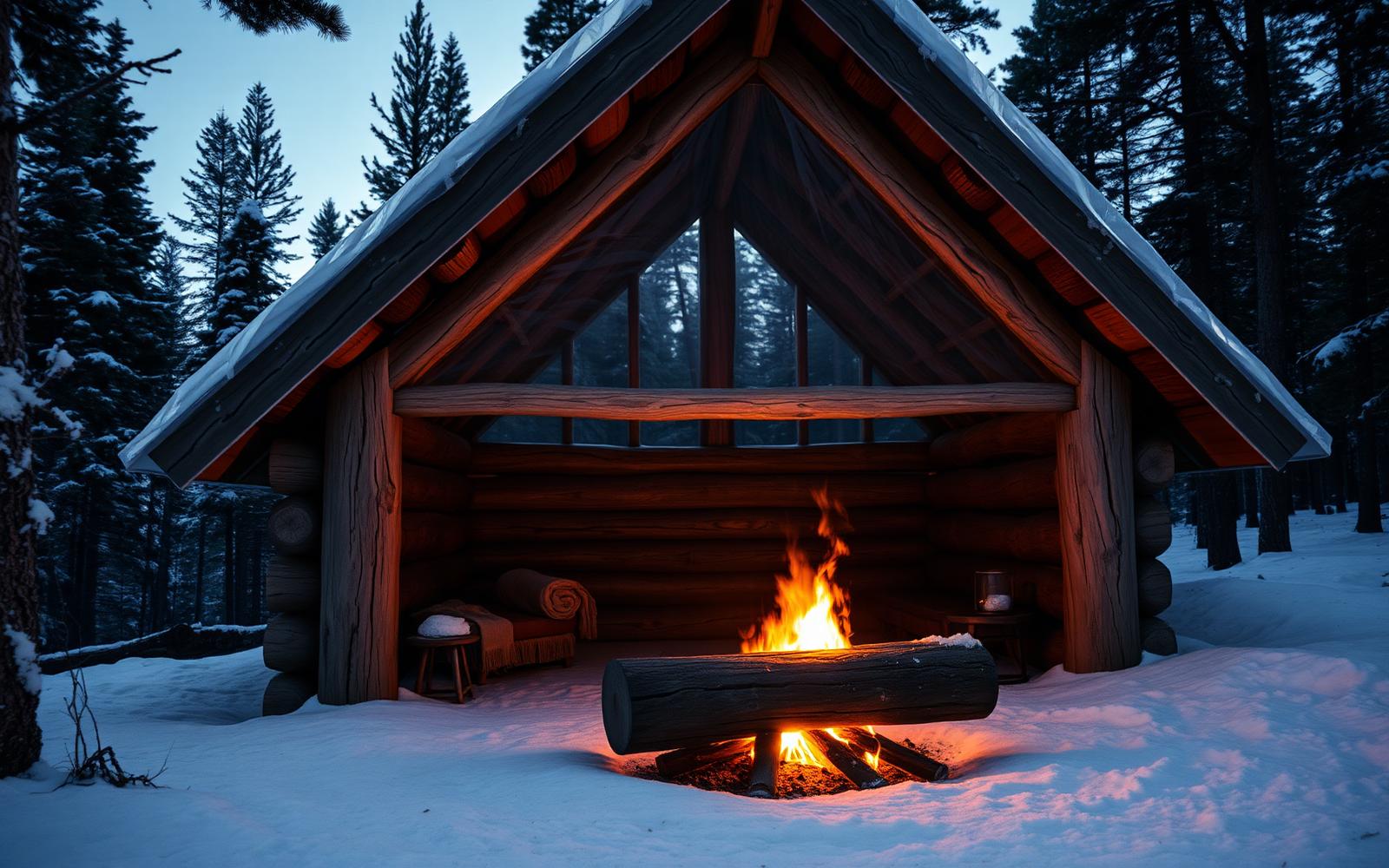
Children learn outdoors through manageable challenge, repetition, play, and trusted adults. The goal is not to prove toughness or remove every risk. It is to choose age-appropriate activities, explain concrete safety rules, invite observati
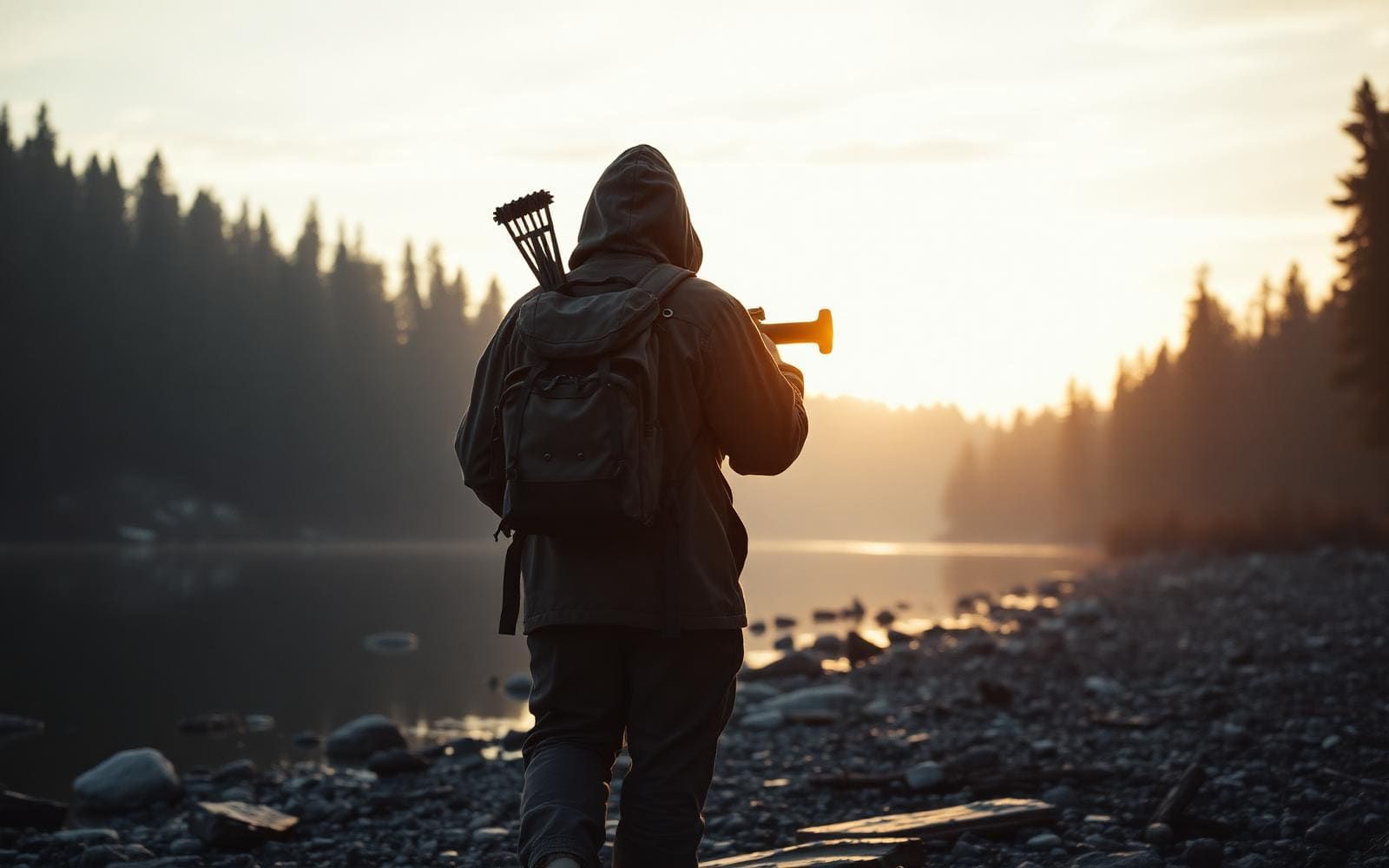
Inshore fishing usually occurs in bays, estuaries, flats, nearshore reefs, and coastal waters closer to shelter. Offshore fishing travels farther into exposed water for pelagic or deep-reef species. The choice affects boat, tackle, weather
A spoiler-light, independent analysis of an international Arctic championship format, deep participant experience, cold exposure, and early strategic tradeoffs, with safer real-world practice ideas, source links, and no claim of…

A spoiler-light, independent analysis of a fixed one-hundred-day objective, winter systems, patience, and long-horizon risk management, with safer real-world practice ideas, source links, and no claim of affiliation with the…
Not inbounds. The moment you cross a boundary rope, you need beacon, shovel, probe, training, and a partner.
Rent skis, buy boots. Fit is the single biggest factor in whether you enjoy the day.