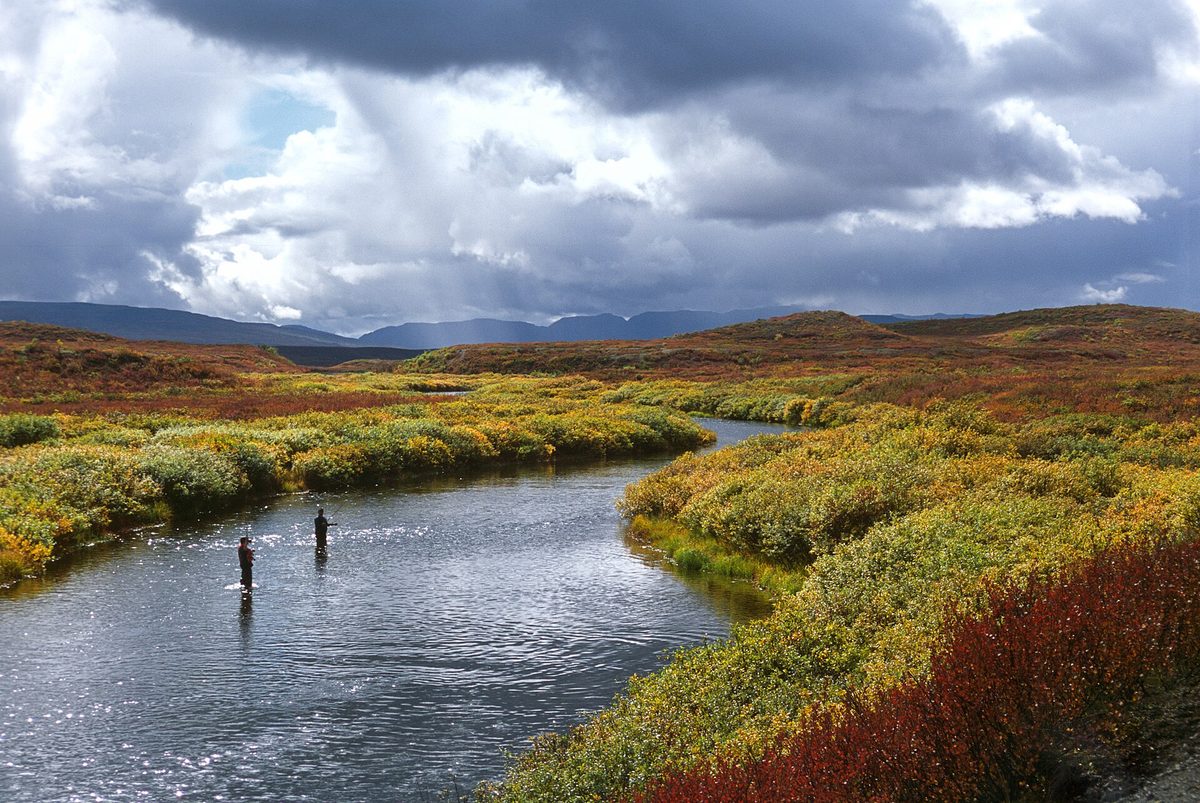
Hunting · Deer by State · Ranked #48 of 50
Alaska Deer Hunting
Rainforest islands, over-the-counter tags, and up to four bucks a season make Southeast Alaska a wilderness deer hunter's dream.
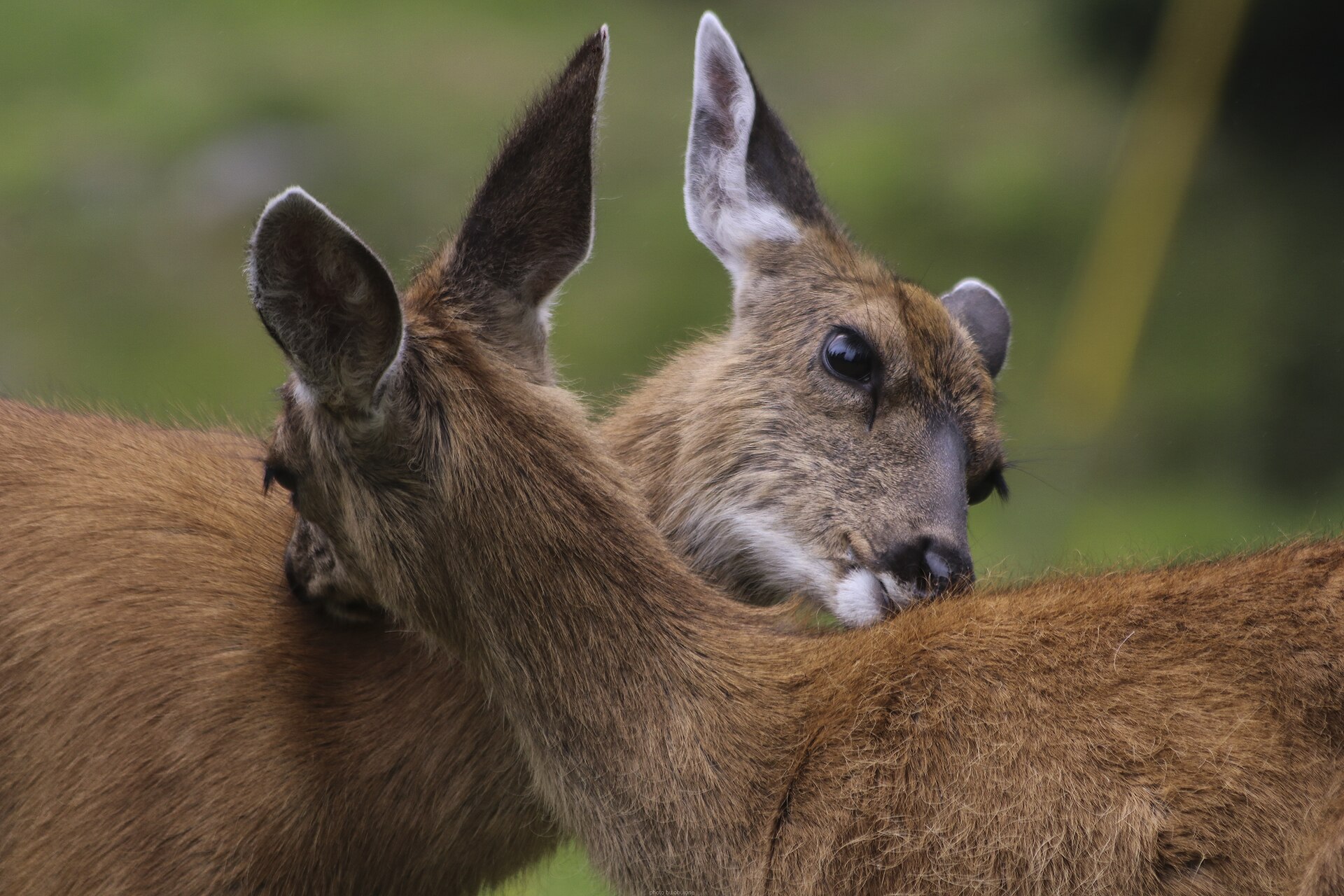
Alaska's deer hunting is a one-species show: the Sitka black-tailed deer, a compact, dark-coated blacktail subspecies native to the temperate rainforest of Southeast Alaska's Panhandle and transplanted decades ago to Kodiak Island and Prince William Sound. There's no whitetail or mule deer hunting to speak of, but the Sitka blacktail experience — hunting muskeg alpine basins and old-growth timber straight off a skiff or float plane — is unlike anything in the Lower 48.
Most of the best country sits inside the Tongass National Forest, the largest national forest in the country, giving nonresidents huge amounts of public land to hunt without needing a guide on most islands (a licensed guide or Alaska-resident second-degree-of-kinship companion is required for nonresident brown bear hunts, not deer). Access is almost always by boat or floatplane rather than road, which shapes the whole trip.
Bag limits are liberal by national standards — up to four deer per season in many Southeast units, sometimes with an either-sex or antlerless option late in the year — and licenses/tags are sold over the counter with no draw required for the vast majority of hunts.
- Wild10 rank
- #48 · Limited
- Primary species
- Sitka black-tailed deer (Southeast Alaska, Kodiak, Prince William Sound)
- Nonresident license + tag
- Hunting license (~$160) plus deer harvest tag/locking tag (~$150 for 2 deer, additional tags for more)
- Bag limit
- Up to 4 deer/season in many Southeast units (unit-specific); often bucks-only until a late any-deer period
- Access
- Boat and float plane; almost no road-accessible hunting outside a few communities
- Public land
- Tongass National Forest (16.7 million acres) across most of Southeast Alaska
- Season length
- Aug. 1–Jan. 31 in many Southeast units, exact dates and either-sex windows vary by GMU
01
Alaska deer hunting by the numbers
Where Alaska sits nationally, and the figures behind our rank of #48 of 50.
| Statistic | Value |
|---|---|
| Tongass National Forest size | Approx. 16.7 million acres, the largest national forest in the U.S. |
| Typical Southeast bag limit | Up to 4 deer per regulatory year in many GMUs, unit-dependent |
| Deer range | Native to Southeast Alaska (GMUs 1-5); introduced and established on Kodiak Island (GMU 8) and Prince William Sound (GMU 6) |
| Population driver | Severe winters with deep, prolonged snowpack can sharply reduce local deer numbers; ADF&G adjusts bag limits and season length by unit in response |
02
Alaska deer seasons (2025-26)
Alaska's deer seasons and bag limits are set unit-by-unit (Game Management Units 1-5 in Southeast, plus 6 and 8) and shift based on the current winter-severity outlook. Always confirm exact dates, bag limits, and any-sex windows for your specific GMU on ADF&G's hunting regulations page before you hunt.
| Season | Weapon | Typical window | Notes |
|---|---|---|---|
| General archery/any-legal-weapon buck season | Bow, rifle, muzzleloader (unit-dependent) | Aug. 1 – late Sept./Oct. start varies by GMU | Bucks only in most units at the start of the season. |
| General rifle buck season | Rifle | Roughly Oct.–Dec. in most Southeast units | The bulk of hunter effort and harvest happens in this window. |
| Late/either-sex season | Rifle | Late Nov. – Dec. or into Jan., unit-dependent | Some GMUs open a doe or any-deer period late in the year to manage local herd size. |
03
Alaska deer tags & licenses
Deer hunting in most of Southeast Alaska is over the counter: nonresidents buy a hunting license plus a deer harvest tag (a locking tag system where each tag covers a set number of deer, commonly two per tag) rather than going through a draw.
A small number of specific hunts or areas may use registration or drawing permits, but the vast majority of Southeast Alaska Sitka blacktail hunting is open to anyone with a valid license and tag.
Harvested deer must be reported to ADF&G, and hunters should carry proof of sex on any deer taken during a bucks-only period.
Nonresidents need an Alaska hunting license plus a deer harvest tag; no guide is required to hunt Sitka blacktail deer (unlike brown bear), making this one of the more accessible big-game hunts in the state for do-it-yourself nonresidents.
Most deer hunting is over-the-counter; only a limited number of specialized or high-demand hunts use ADF&G's drawing permit system, so check unit-specific regulations if targeting a specific controlled-use area.
04
What Alaska deer licenses cost
| License / tag | Price |
|---|---|
| Resident annual hunting license | approx. $45 |
| Nonresident annual hunting license | approx. $160 |
| Nonresident deer harvest tag (locking tag, covers multiple deer) | approx. $150 per tag |
05
Alaska deer hunting laws you must know
The rules that catch hunters out most often. Not a substitute for the regulations book.
| Topic | Rule |
|---|---|
| Blaze orange | Not required by state law for deer hunters in most of Alaska, though hunters should check local regulations near shared-use areas and always wear it for visibility on boats and in dense brush. |
| Baiting | Baiting deer is not a common or broadly legal practice in Alaska; check current unit regulations, as bear-baiting rules are separate and more developed than any deer-specific baiting allowance. |
| Crossbows | Legal for any hunter during any open deer season using a legal weapon, no special permit required. |
| Sunday hunting | No statewide Sunday hunting closure in Alaska. |
| Legal firearms | Centerfire rifles of legal caliber, shotguns with slugs, muzzleloaders, and bows/crossbows are legal for deer depending on the specific season; minimum caliber/energy rules apply in some units. |
| Same-day-airborne restriction | Alaska prohibits hunting the same day you've been airborne in most cases, a key rule for float-plane-access hunters — typically requiring you to wait until the day after flying before hunting. |
| Tagging/reporting | Deer must be tagged immediately upon kill using a locking harvest tag, and harvest must be reported to ADF&G, often through an online or mail-in harvest report. |
| Hunter education | Not universally mandatory for adult residents, but nonresidents and younger hunters should verify current requirements; hunter education is required for some specific hunts and is strongly recommended for all. |
06
What to expect hunting deer in Alaska
Sitka black-tailed deer hunting in Southeast Alaska means temperate rainforest — steep, timbered islands covered in old-growth Sitka spruce and western hemlock, opening into alpine muskeg meadows above timberline where deer feed heavily in late summer and early fall.
Access is almost entirely by boat or float plane; there are very few road systems connecting communities, so most hunts start with a skiff ride or bush-plane drop into a remote bay, then a hike up into alpine basins or a hunt along beach fringes and muskeg edges.
Early-season hunts (August-September) often focus on alpine basins where deer feed on subalpine vegetation before snow pushes them down; as fall progresses and snow accumulates at higher elevations, deer migrate toward lower-elevation old-growth timber and beach fringe, concentrating hunting opportunity closer to salt water.
Weather is the defining variable — expect frequent rain, wind, and fast-changing marine conditions typical of a coastal rainforest; plan float-plane and boat pickups with substantial weather buffer days, and pack technical rain gear as your single most important piece of equipment.
07
Alaska deer hunting tips
Field-tested advice specific to this state's deer, terrain and pressure.
- 1Build significant weather buffer days into any float-plane or boat-access trip — Southeast Alaska's marine weather regularly delays pickups by several days.
- 2Target alpine muskeg basins in August and early September before rifle season pressure and snow push deer down into timber.
- 3Prince of Wales Island offers the most road-accessible DIY deer hunting in Southeast Alaska if you'd rather drive/ferry in than charter a plane.
- 4Pack technical, breathable rain gear as your top gear priority — sustained rain is the default condition, not the exception.
- 5Remember the same-day-airborne rule: you generally can't hunt the same calendar day you've flown, so plan your first hunting day accordingly.
- 6A locking harvest tag typically covers two deer — buy enough tags in advance for your target bag limit since remote communities may not stock extras.
- 7Late-season hunts (Nov.-Dec.) concentrate deer near beach fringes and lower-elevation old growth, which can mean easier access but tougher weather and shorter daylight.
- 8Check unit-specific bag limits and any-sex windows every year — hard winters can trigger ADF&G to shorten seasons or restrict harvest to bucks only.
Why Alaska ranks #48 for deer hunting
Alaska isn't a numbers state — the entire deer population is Sitka black-tailed deer confined to the coastal rainforest of Southeast Alaska and Kodiak/Prince William Sound transplants — but it offers a wilderness hunting experience nothing in the Lower 48 can match. Over-the-counter tags, generous bag limits (up to four deer in many units), and huge tracts of Tongass National Forest make it a realistic DIY float-plane or boat hunt, though weather, access logistics, and unpredictable winter die-offs that swing deer numbers keep it out of the top tier.
Tier: Limited · Species: Sitka black-tailed deer
Where to hunt deer in Alaska
Nearly all of Alaska's best deer hunting sits within the Tongass National Forest, an almost 17-million-acre expanse of islands and mainland fjords across Southeast Alaska, supplemented by transplanted herds on Kodiak Island and in Prince William Sound.
Tongass National Forest — Admiralty Island
National forest / national monument · Southeast Alaska (GMU 4)
High deer densities and extensive shoreline access make Admiralty a favorite for boat-based DIY hunters, alongside its famous brown bear population.
Official pageTongass National Forest — Prince of Wales Island
National forest · Southeast Alaska (GMU 2)
Alaska's third-largest island, with a limited but real road system that makes it one of the more accessible Southeast deer destinations for nonresidents driving in via ferry.
Official pageTongass National Forest — Chichagof/Baranof Islands
National forest · Southeast Alaska (GMUs 4)
Rugged, heavily timbered islands near Sitka and Hoonah with strong deer numbers and good alpine access in late summer.
Official pageKodiak National Wildlife Refuge / Kodiak Island
National wildlife refuge · Kodiak Archipelago (GMU 8)
Transplanted Sitka blacktail population coexisting with the island's famous brown bears; boat and floatplane access into refuge and adjacent lands.
Official pagePrince William Sound coastline
National forest (Chugach) · South-central Alaska (GMU 6)
Introduced deer herd along the sound's forested shoreline, reachable by boat out of Cordova or Valdez.
Official pageYakutat forelands
National forest · Northern Southeast Alaska (GMU 5)
Remote, lightly hunted coastal forest and muskeg country near Yakutat, requiring floatplane or boat access.
Gear for Alaska deer season
Alaska's Sitka blacktail hunting rewards a boat/floatplane-ready kit built around serious rain protection, sure-footed boots for wet timber and muskeg, and packable optics for glassing alpine basins.
- Best Hunting Rifles
Bolt guns from budget workhorses to mountain rifles.
- Best Compound Bows
Forgiving, quiet compounds that tune without a fight.
- Best Hunting Boots
Early-season to mountain boots ranked on fit and support.
- Best Rain Jackets & Pants
Hard shells that keep a hunt going through real weather.
- Best Merino Base Layers
Next-to-skin wool for cold sits and long stalks.
- Best Fixed-Blade Knives
Blades that field dress, cape, and quarter without failing.
- Best Cellular Trail Cameras
Scouting cameras that send pictures instead of burning boots.
Watch: deer hunting in Alaska
Real hunts and how-tos filmed in Alaska, embedded from the creators' own channels with our notes on what to take from each.
Why watch: Public-land Southeast Alaska Sitka blacktail hunt showing boat and alpine access strategy.
Why watch: Coastal rainforest and alpine terrain typical of Southeast Alaska deer country.
Why watch: Shows the boat-access blacktail hunting style found on Kodiak Island.
Why watch: Road- and boat-accessible Southeast Alaska hunting on Prince of Wales Island.
Why watch: Official look at the Tongass, the public-land backbone of Alaska's deer hunting.
Official Alaska deer hunting resources
- Alaska Department of Fish and Game (ADF&G) (home)
- Current deer regulations
- Buy licenses & tags
- ADF&G Sitka black-tailed deer species profile
- Tongass National Forest hunting information
- Boone and Crockett Alaska state records
Last reviewed 2026-09. Found something out of date? Tell us in the community.
More state deer hunting guides
#50 of 50 · Limited
#1 of 50 · Elite
#2 of 50 · Elite
#3 of 50 · Elite
50 states covered. See the full ranking →
Questions
Frequently asked
- Can nonresidents hunt deer in Alaska?
- Yes. Nonresidents can buy an Alaska hunting license (approx. $160) plus a deer harvest tag over the counter; no guide is required for Sitka black-tailed deer, unlike some other Alaska big-game species.
- What kind of deer does Alaska have?
- Alaska's deer hunting is essentially all Sitka black-tailed deer, native to Southeast Alaska and introduced decades ago to Kodiak Island and Prince William Sound. There is no meaningful whitetail or mule deer hunting in the state.
- How many deer can I take in Alaska?
- Bag limits vary by Game Management Unit but can reach up to 4 deer per season in some Southeast units, often bucks-only early with a late any-sex window in certain areas.
- Do I need a guide to hunt deer in Alaska?
- No, nonresidents do not need a licensed guide to hunt Sitka black-tailed deer, unlike Alaska's guide requirement for nonresident brown bear hunters.
- How do I access deer hunting areas in Alaska?
- Almost all Southeast Alaska deer hunting requires boat or float-plane access; Prince of Wales Island is a notable exception with a limited road system reachable by ferry.
- When is the best time to hunt Sitka blacktail deer?
- Early season (August-September) hunting in alpine muskeg basins is popular before snow pushes deer to lower elevations; many hunters also target the general rifle season from October through December.
- What's the same-day-airborne rule?
- Alaska generally prohibits hunting on the same calendar day you've been airborne, which matters for hunters flying into remote areas by float plane — plan to arrive at least a day before you intend to hunt.
- What's the best public land for Alaska deer hunting?
- The Tongass National Forest, spanning most of Southeast Alaska's islands and mainland fjords, holds the vast majority of the state's huntable Sitka blacktail habitat.
Every hunting guide
Hunting Hub
Where every hunting guide on The Wild10 starts.
Types of Game
Big game, small game, upland birds, and waterfowl — habitat and season.
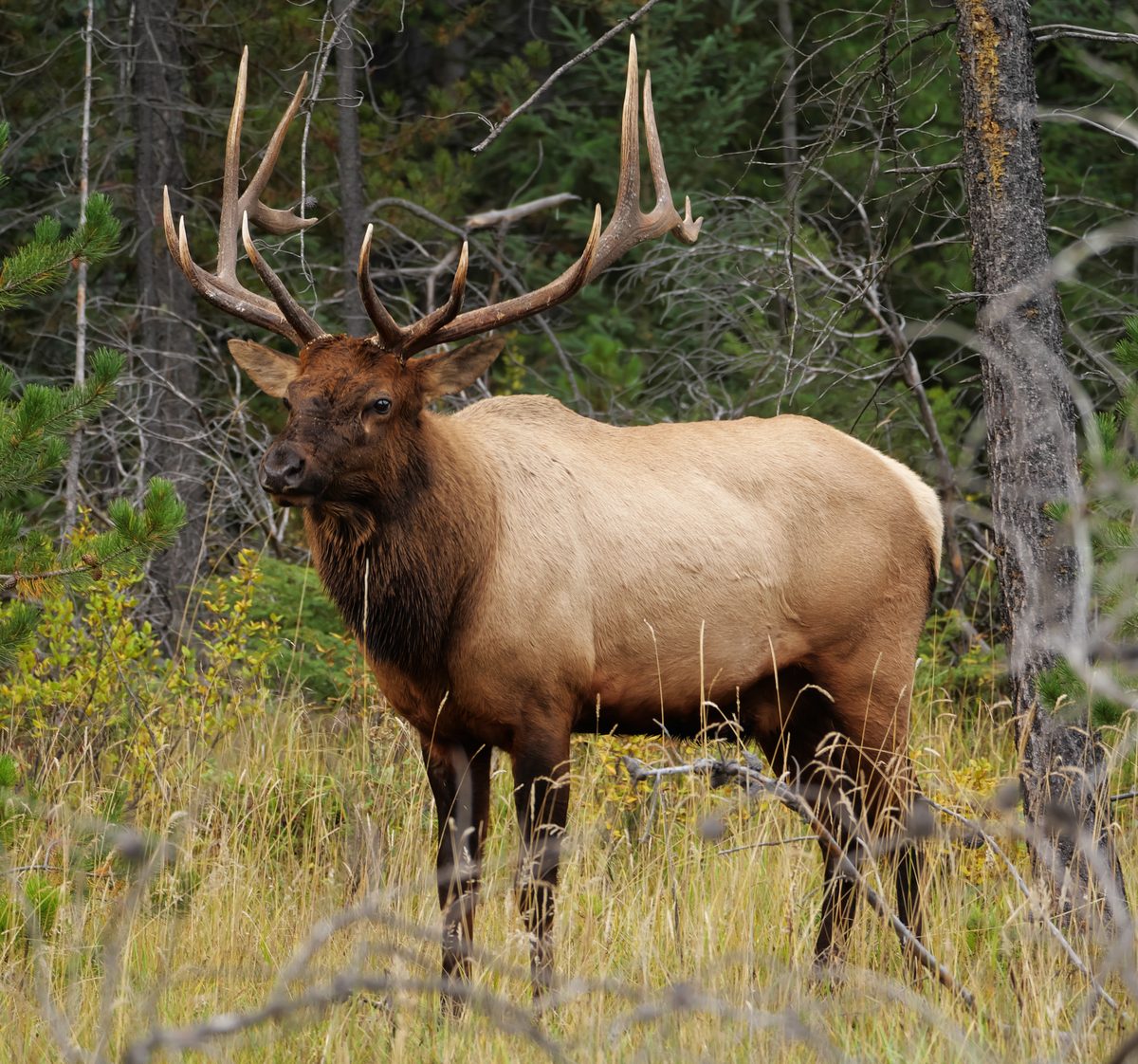
Big Game
Deer, elk, moose, bear, hog and sheep — where to hunt, tags, and what to expect.
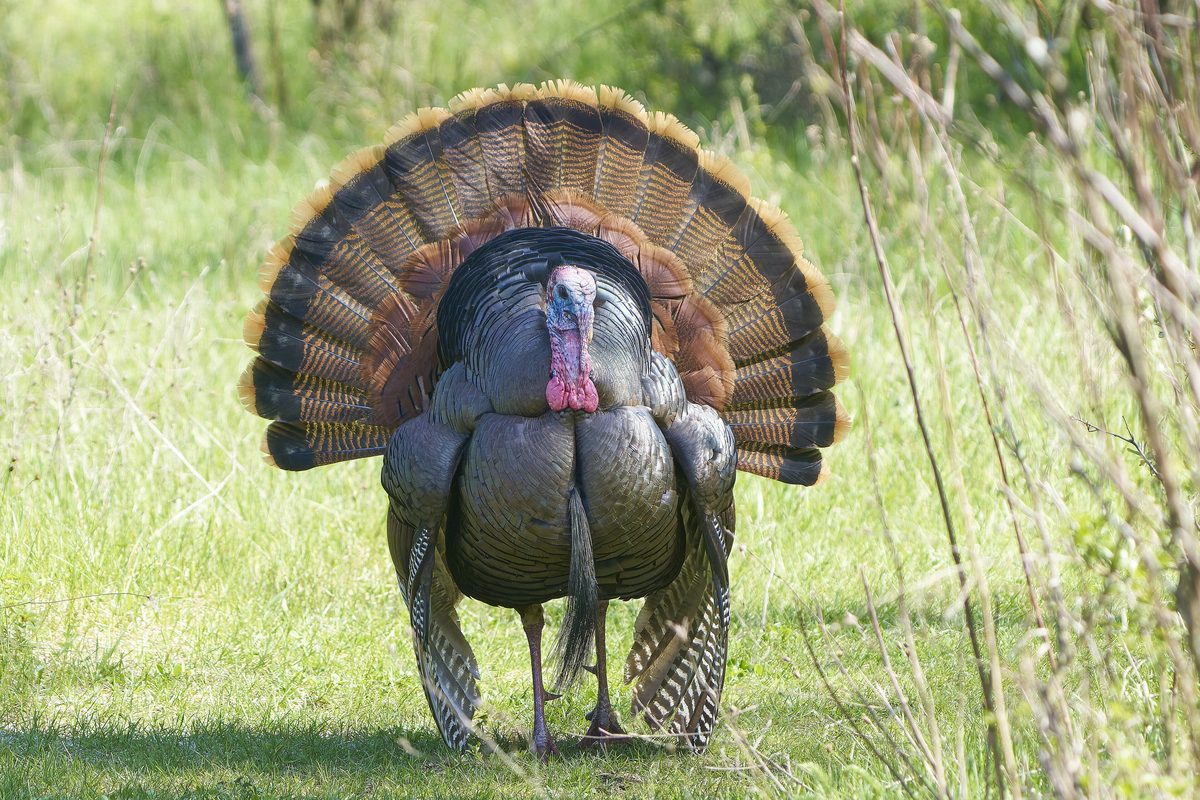
Small Game & Birds
Turkey, pheasant, grouse, quail, ducks, geese, rabbits, squirrels and predators.
Turkey Hunting
Calling, shotguns, bows, camo, blinds, scouting, and spring vs fall.
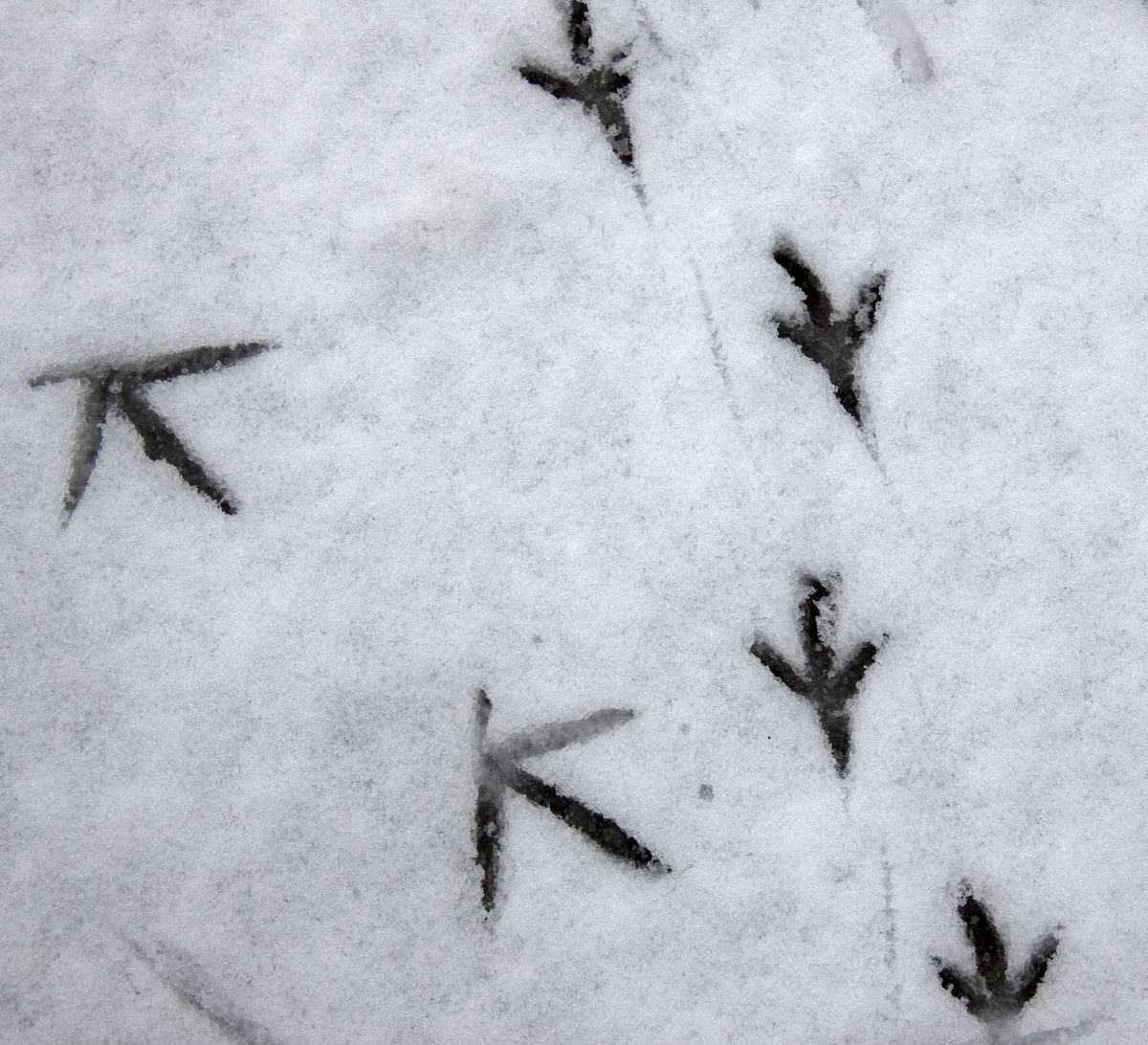
Species Finder
Search every species and filter by tracks, droppings and sign, harvest, or skinning.
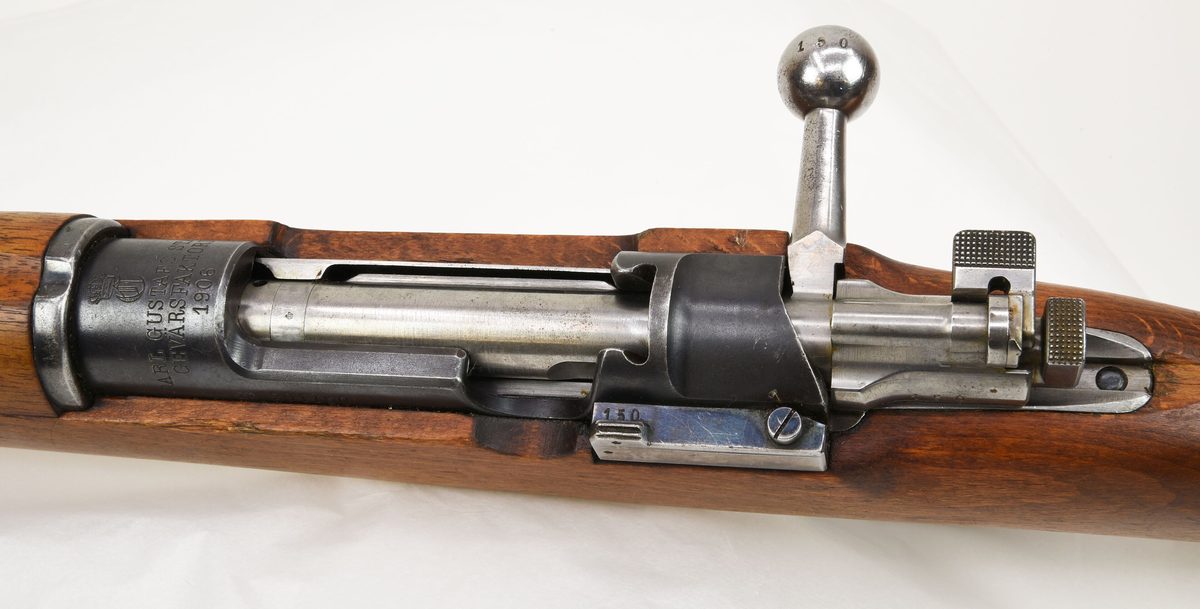
Rifle Hunting
Cartridges, zero, field positions, wind, and shot placement.
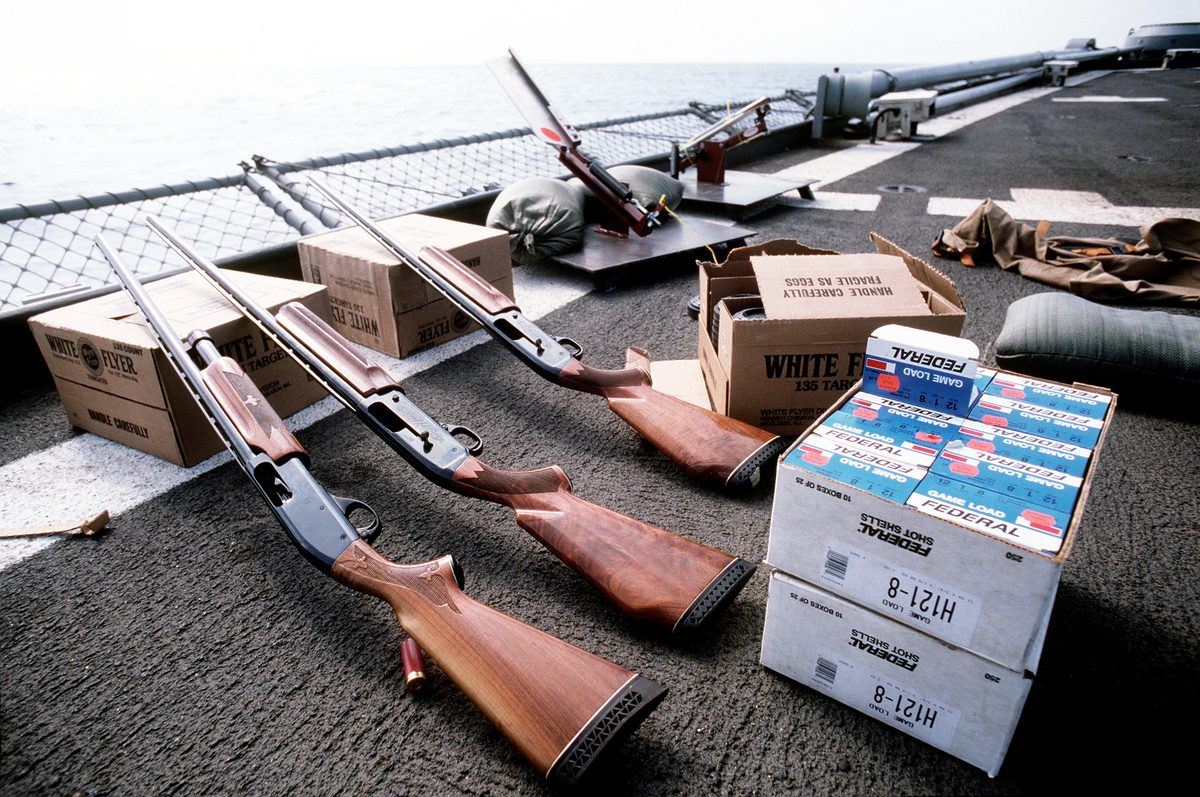
Shotgun Hunting
Gauges, chokes, shot size, and lead for birds and slug country.
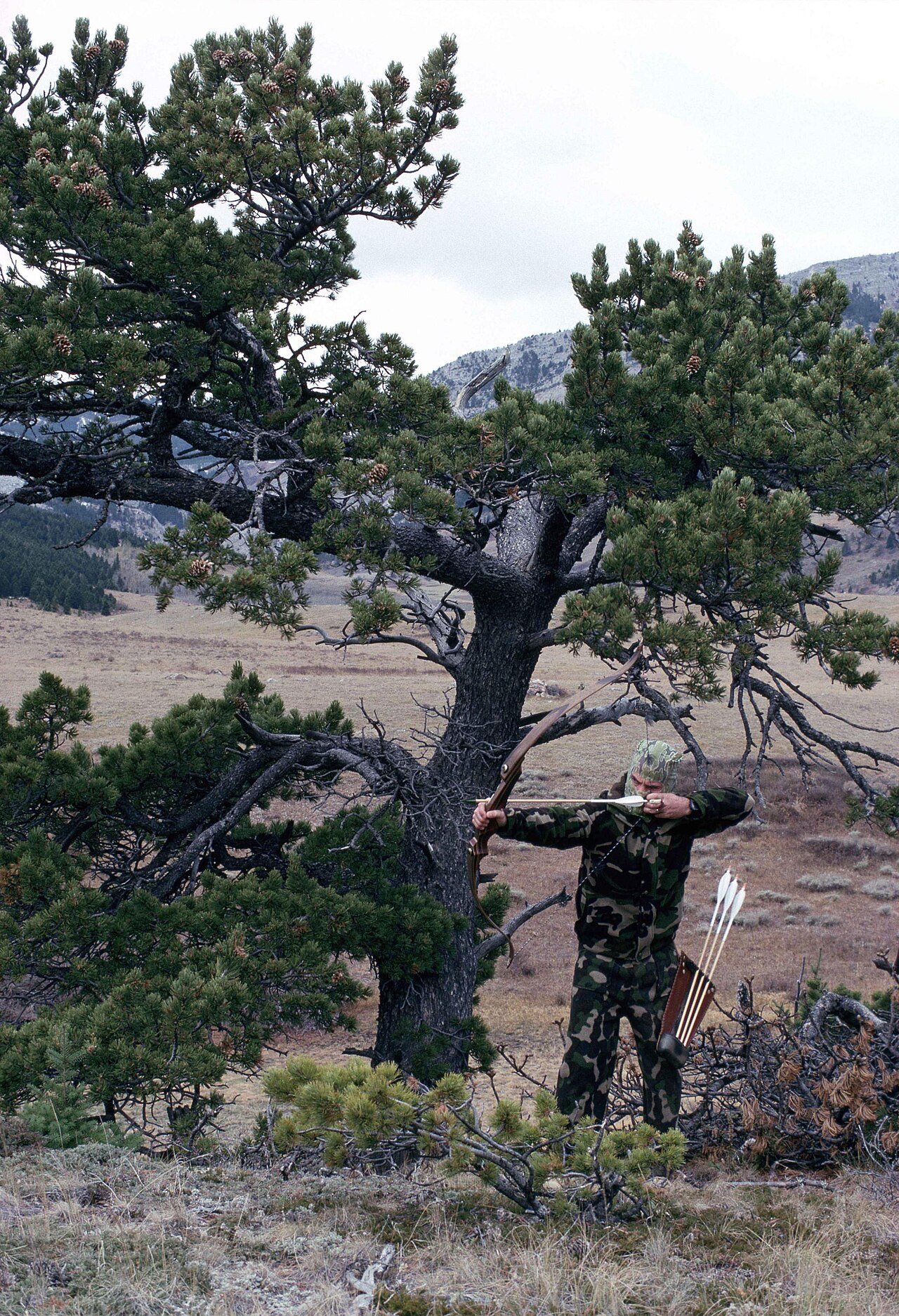
Recurve & Traditional Bow
Instinctive shooting, draw weight, arrow spine, and close-range craft.
Traditional Archery Hub
Eleven recurve and longbow guides: form, aiming, spine, tuning, and building tackle.
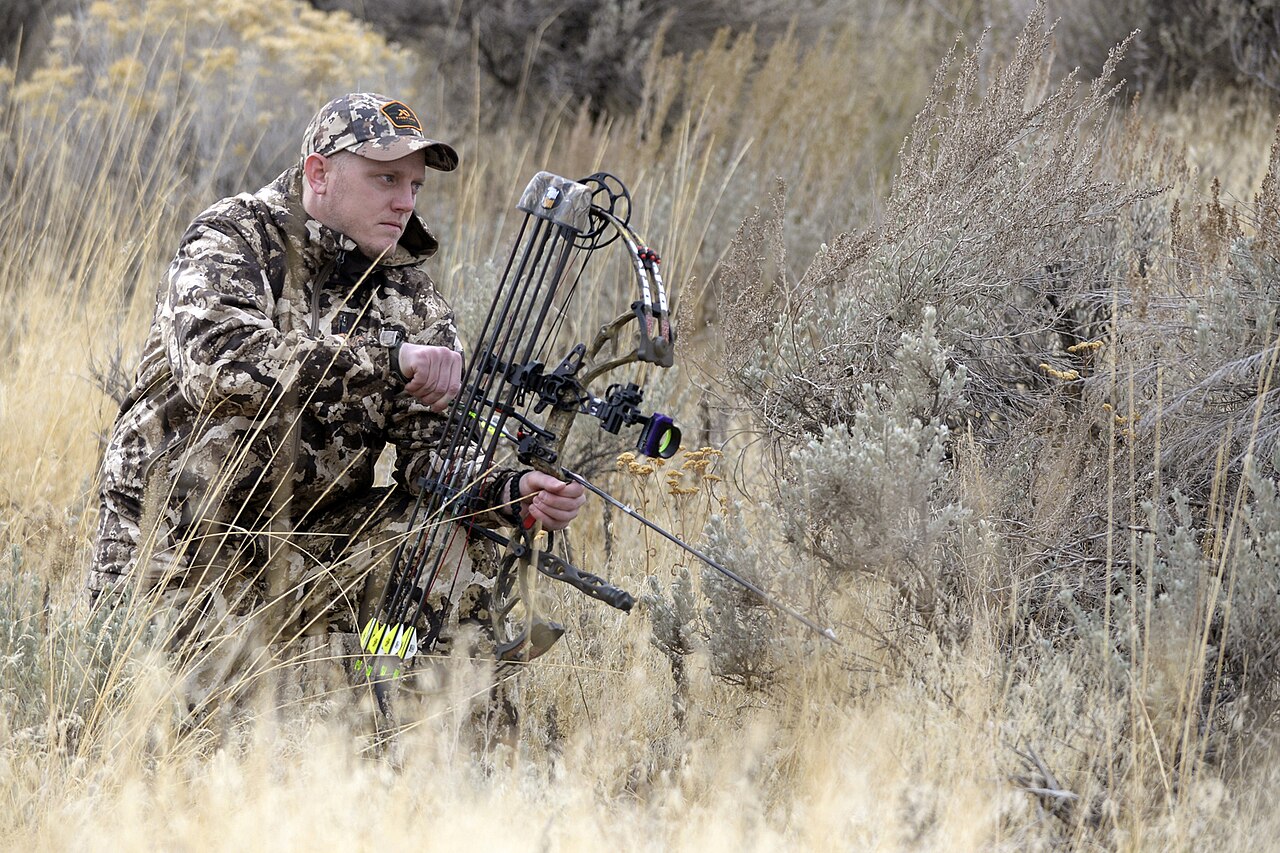
Compound Bow Hunting
Draw length, sight and rest setup, broadhead tuning, and shot process.
Hunting Tips
Wind discipline, stand placement, blood trailing, and meat care.
Keep going
Related reading
Deer Hunting by State
All 50 states ranked, with seasons, tags and laws.
Read →Deer Season Calendar
Every state's season dates, tag costs and public land, side by side.
Read →Big Game Hunting
Whitetail, mule deer, elk, moose and bear profiles.
Read →Rifle Hunting
Cartridges, zero, positions and shot placement.
Read →Bowhunting
Setups, arrows, broadheads and treestand craft.
Read →Venison Recipes
Camp and home recipes for the deer you bring back.
Read →Top 10 lists
Best in category: hunting gear
Ranked picks with real product photos, specs, and editor notes — the buying side of everything covered in these guides.
Best Hunting Rifles
Bolt guns from budget workhorses to mountain rifles.
See the ranking →Best Upland Shotguns
Over-unders and light autos built to carry all day.
See the ranking →Best Waterfowl Shotguns
3.5-inch guns that keep cycling through mud and ice.
See the ranking →Best Deer Hunting Shotguns
Rifled slug guns for shotgun-only whitetail country.
See the ranking →Best Compound Bows
Forgiving, quiet compounds that tune without a fight.
See the ranking →Best Recurve Bows
Hunting recurves that shoot quiet and hold up outside.
See the ranking →Also on The Wild10
Fishing Guides
Fish identification, the knots that hold, lure selection by conditions, and the habits that fill a stringer.
Open the fishing hub →