Hunting · Deer by State · Ranked #46 of 50
California Deer Hunting
From coastal black-tail brush to high Sierra mule deer basins, California's zone system rewards hunters who pick their unit carefully.
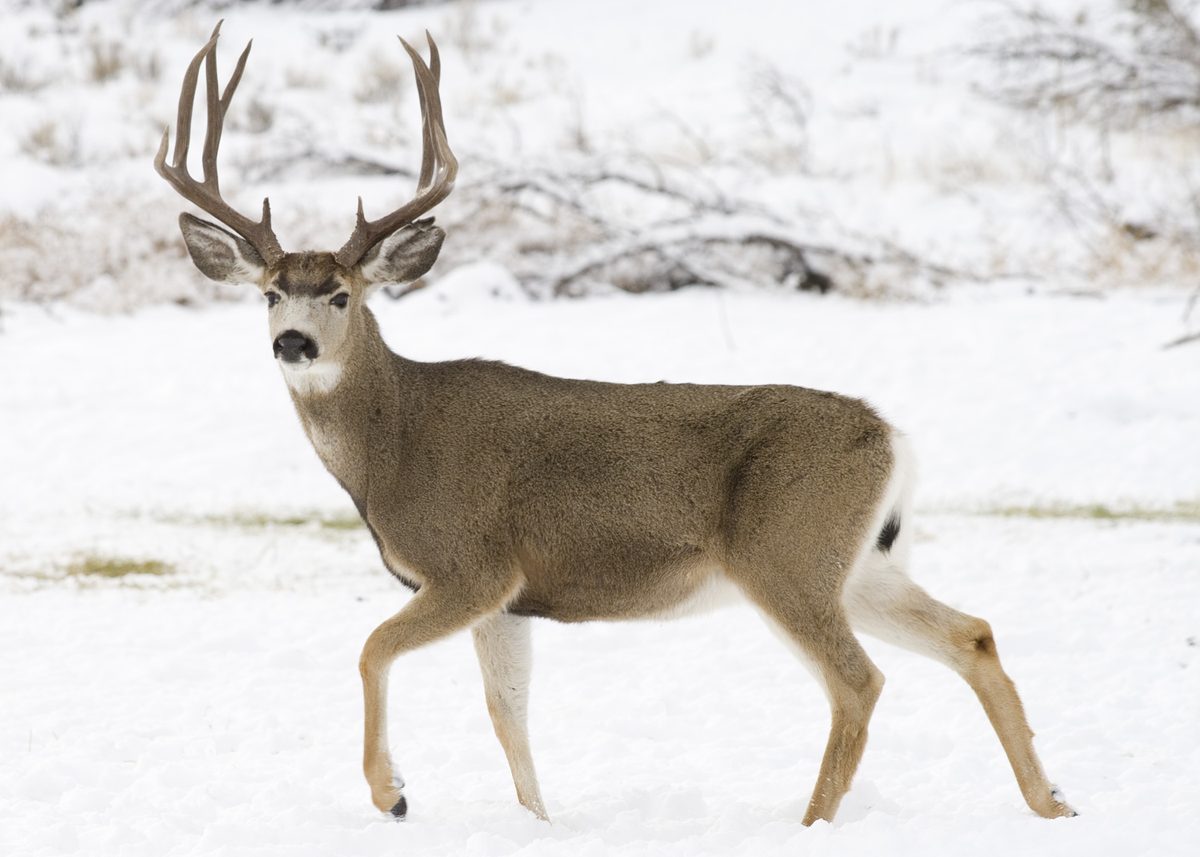
California is really several different deer hunts stitched into one state. Coastal and Klamath-Cascade hunters chase wary Columbian black-tailed deer in thick brush and timber, Sierra Nevada hunters pursue migratory mule deer that move from high alpine basins to lower winter range, and desert hunters in the southeast target lower-density mule deer in wide-open, arid country.
The state manages deer hunting through more than 50 zones (labeled A, B, C, D, X, and more), each with its own season dates, tag quotas, and application deadlines. Most tags require applying through CDFW's draw, though a handful of general zones sell over-the-counter tags until they sell out.
Public land is abundant — national forests blanket much of the Sierra and northern coastal ranges, and BLM desert districts cover the southeast — but success rates in many zones run in the 10-20% range, and competition for prime access points near population centers can be stiff on opening weekend.
- Wild10 rank
- #46 · Fair
- Species
- Columbian black-tailed deer (coast/north), mule deer (Sierra/desert)
- License system
- Zone-based, mostly limited draw; a few general zones sell over-the-counter tags
- Nonresident deer tag
- Approx. $460 (zone tag, plus hunting license)
- Top zones
- X zones (Sierra mule deer), A zone (north coast black-tail), D zones (desert mule deer)
- Public land
- Six Rivers, Klamath, Shasta-Trinity, Sierra, and Los Padres National Forests plus extensive BLM desert land
- Season length
- Varies by zone; most fall between mid-August and late November
01
California deer hunting by the numbers
Where California sits nationally, and the figures behind our rank of #46 of 50.
| Statistic | Value |
|---|---|
| Statewide deer population estimate | Roughly 400,000-500,000 (long-term decline from mid-20th-century highs) |
| Nonresident deer tag cost | Approx. $460 |
| Typical zone hunter success rate | Roughly 10-25%, varying widely by zone |
| CWD status | Not detected in California as of the most recent surveillance reports |
02
California deer seasons (2025-26)
California's deer seasons are set zone by zone with dozens of distinct windows and quotas. Always confirm your specific zone's dates and application deadline on CDFW's current deer hunting page before applying or hunting.
| Season | Weapon | Typical window | Notes |
|---|---|---|---|
| Archery (A-zone early) | Bow / crossbow | Mid-to-late Aug. – mid-Sept. | Archery-only season preceding general rifle in most zones. |
| General rifle, A zone (north coast) | Rifle / shotgun / muzzleloader | Mid-Sept. – late Oct. | Over-the-counter tags available for A-zone black-tail hunting. |
| General rifle, B zones (north coast/Klamath) | Rifle / shotgun / muzzleloader | Late Sept. – mid-Oct. (varies by sub-zone) | Limited draw in most B sub-zones; either-sex opportunities vary. |
| General rifle, D zones (desert/southern) | Rifle / shotgun / muzzleloader | Oct.-Nov. depending on sub-zone | Lower deer densities but more accessible tags in several D sub-zones. |
| X-zone rifle (Sierra Nevada mule deer) | Rifle / muzzleloader | Mid-Sept. – mid-Oct., varies by X sub-zone | Limited draw; some of the state's best mule deer trophy potential. |
03
California deer tags & licenses
Most California deer tags are allocated through a zone-specific limited draw, with an application period that typically opens in spring. A smaller number of general-season A-zone and some B-zone tags are sold over-the-counter until sold out.
Hunters choose zones carefully because quotas, season length, and either-sex opportunity vary enormously — some desert and Sierra zones draw easily most years, while premium X-zones and some B-zones can be competitive.
A hunting license is required in addition to the deer tag, and all first-time California hunters must complete hunter education certification.
Nonresidents apply through the same zone draw as residents and pay significantly higher license and tag fees. Some over-the-counter A-zone and general B-zone tags remain available to nonresidents after the draw, subject to zone-specific quotas.
The main deer tag application period generally runs through spring (check current CDFW dates), with drawing results released before the summer. Leftover tags in some zones are sold over-the-counter after the draw closes.
04
What California deer licenses cost
| License / tag | Price |
|---|---|
| Resident hunting license | approx. $58 |
| Resident deer tag | approx. $37 (first tag) |
| Nonresident hunting license | approx. $205 |
| Nonresident deer tag | approx. $460 |
05
California deer hunting laws you must know
The rules that catch hunters out most often. Not a substitute for the regulations book.
| Topic | Rule |
|---|---|
| Blaze orange | Not required by law, though CDFW recommends hunter-orange clothing for visibility on public land. |
| Baiting | Baiting deer is illegal statewide in California. |
| Crossbows | Legal for all hunters during general firearm seasons; restricted during archery-only seasons to hunters with a disabled archery permit. |
| Sunday hunting | Allowed statewide; California has no Sunday hunting restrictions. |
| Legal firearms | Centerfire rifles, shotguns with slugs, and legal handguns are permitted in most zones during general season; some zones restrict to shotgun or archery only. |
| Tagging | Hunters must validate and attach their deer tag to the carcass immediately upon harvest and report the harvest as required by CDFW. |
| CWD | No CWD has been detected in California deer; there are currently no special carcass import restrictions specific to CWD for in-state hunters, though out-of-state carcass import rules apply to deer taken elsewhere. |
| Hunter education | Required for all first-time California hunting license applicants regardless of age. |
06
What to expect hunting deer in California
California's deer hunting varies dramatically by region: north coast and Klamath-Cascade black-tail hunters work dense brush, oak woodland, and second-growth timber where deer are seen briefly and at close range, while Sierra Nevada mule deer hunters glass open basins and ridgelines for deer that migrate seasonally with snow.
Desert D-zone hunters in the southeast cover much larger, more open terrain with lower deer densities but less hunting pressure and more accessible tags.
Success often hinges on scouting a specific zone in the weeks before the season — California's deer move with acorn crops, water availability, and early-season weather, and patterns can shift year to year.
Expect real hunting pressure on opening weekend in accessible national forest zones near population centers; getting even a mile off the nearest road dramatically improves solitude and buck age structure.
07
California deer hunting tips
Field-tested advice specific to this state's deer, terrain and pressure.
- 1Study zone maps and past drawing statistics before applying — success rates and tag availability vary enormously between neighboring zones.
- 2For black-tail deer, hunt the edges of brush and timber early and late in the day; these deer rarely show themselves in the open for long.
- 3In Sierra Nevada X-zones, glass from vantage points overlooking basins and ridgelines rather than still-hunting through thick timber.
- 4Scout acorn crops and water sources in the weeks before archery season — both strongly influence early-season deer movement statewide.
- 5Consider a desert D-zone tag if you want a more reliable draw and don't mind covering more ground for fewer deer sightings.
- 6Get off the road system — even a mile of hiking dramatically reduces pressure in national forest zones near major cities.
- 7Apply for your top-choice zone even if it's competitive; California's draw allows backup choices, so there's little downside to aiming high.
- 8Check current fire-restriction and forest-closure notices before your hunt — wildfire activity can close access to parts of national forest zones in late summer and fall.
Why California ranks #46 for deer hunting
California offers a huge range of deer country — coastal black-tail brush, Sierra Nevada mule deer high country, and desert mule deer in the southeast — spread across millions of acres of national forest and BLM land. But nearly all of it runs through a zone-based, limited-tag draw system with modest success rates, and the state's dense human population means real hunting pressure and access competition near cities. It's a legitimate DIY public-land destination for patient hunters willing to learn a zone, just not a fast or cheap one.
Tier: Fair · Species: Mule deer, Columbian black-tailed deer
Where to hunt deer in California
California's best public-land deer hunting spans coastal and Klamath-Cascade national forests for black-tail, Sierra Nevada national forests for mule deer, and BLM desert districts in the southeast.
Six Rivers National Forest
National forest · North coast
Classic Columbian black-tail brush-and-timber country in the A zone, with strong over-the-counter tag access.
Official pageKlamath National Forest
National forest · Northern California
Mixed conifer and brush habitat holding both black-tail and some mule deer influence near the Oregon border.
Official pageShasta-Trinity National Forest
National forest · Northern California
Large, varied terrain from river canyons to high peaks with solid black-tail and mule deer opportunity across multiple zones.
Official pageSierra National Forest
National forest · Central Sierra Nevada
High-country mule deer habitat in several X-zones, with migratory herds moving between alpine basins and lower winter range.
Official pageInyo National Forest
National forest · Eastern Sierra Nevada
Rugged eastern-slope mule deer country bordering Nevada, popular with hunters targeting bigger-bodied high-elevation bucks.
Official pageLos Padres National Forest
National forest · Central Coast
Chaparral and oak woodland black-tail habitat within reach of the Bay Area and Central Coast population centers.
Official pageMojave Desert BLM lands
BLM · Southeastern California
Wide-open desert mule deer habitat in several D-zones, offering lower pressure and more accessible tags than premium Sierra zones.
Official page
Gear for California deer season
California's split personality — thick coastal brush versus open Sierra high country versus desert flats — means gear choices should match your specific zone rather than a one-size-fits-all kit.
- Best Hunting Rifles
Bolt guns from budget workhorses to mountain rifles.
- Best Compound Bows
Forgiving, quiet compounds that tune without a fight.
- Best Hunting Boots
Early-season to mountain boots ranked on fit and support.
- Best Hunting Jackets
Insulated and shell layers ranked by warmth-to-noise.
- Best Rain Jackets & Pants
Hard shells that keep a hunt going through real weather.
- Best Merino Base Layers
Next-to-skin wool for cold sits and long stalks.
- Best Cellular Trail Cameras
Scouting cameras that send pictures instead of burning boots.
Watch: deer hunting in California
Real hunts and how-tos filmed in California, embedded from the creators' own channels with our notes on what to take from each.
Why watch: Realistic look at hunting thick brush and timber for wary Columbian black-tail.
Why watch: Public-land glassing and stalking strategy for high-country California mule deer.
Why watch: Applicable tactics for California's southeastern D-zone desert mule deer.
Why watch: Glassing fundamentals that translate directly to California's open Sierra and desert terrain.
Why watch: General CWD background relevant to California hunters transporting carcasses from other states.
Official California deer hunting resources
- California Department of Fish and Wildlife (CDFW) (home)
- Current deer regulations
- Buy licenses & tags
- CDFW deer hunting statistics
- CDFW chronic wasting disease program
- Boone and Crockett California records
Last reviewed 2026-09. Found something out of date? Tell us in the community.
More state deer hunting guides
#34 of 50 · Good
#35 of 50 · Good
#1 of 50 · Elite
#2 of 50 · Elite
50 states covered. See the full ranking →
Questions
Frequently asked
- Can nonresidents hunt deer in California?
- Yes. Nonresidents apply through the same zone draw as residents, purchase a nonresident hunting license (approx. $205), and pay a higher deer tag fee (approx. $460).
- How does California's deer zone system work?
- The state is divided into more than 50 hunt zones, each with its own season dates, tag quotas, and application requirements. Most tags are limited-draw, though some general A-zone and B-zone tags sell over-the-counter.
- What kind of deer does California have?
- Columbian black-tailed deer dominate the coastal and northern forested zones, while mule deer are the primary species in the Sierra Nevada and southeastern desert zones.
- Is baiting legal for deer in California?
- No, baiting deer is illegal statewide in California. CDFW defines bait broadly to include placed feed, salt, or other attractants used to lure deer, and violations can carry significant fines. Scouting natural food sources like acorns and water is the legal alternative for pattering deer movement.
- Does California have chronic wasting disease?
- No, CWD has not been detected in California deer as of the most recent CDFW surveillance.
- What's the best public land for California deer hunting?
- North coast national forests like Six Rivers and Klamath offer strong black-tail hunting, while Sierra and Inyo National Forests hold the state's best mule deer, and BLM desert lands in the southeast offer more accessible tags.
- When should I apply for a California deer tag?
- The main application period generally runs through spring; check CDFW's current deer hunting page for exact dates since they can shift slightly year to year.
Every hunting guide
Hunting Hub
Where every hunting guide on The Wild10 starts.
Types of Game
Big game, small game, upland birds, and waterfowl — habitat and season.
Big Game
Deer, elk, moose, bear, hog and sheep — where to hunt, tags, and what to expect.
Small Game & Birds
Turkey, pheasant, grouse, quail, ducks, geese, rabbits, squirrels and predators.
Turkey Hunting
Calling, shotguns, bows, camo, blinds, scouting, and spring vs fall.
Species Finder
Search every species and filter by tracks, droppings and sign, harvest, or skinning.
Rifle Hunting
Cartridges, zero, field positions, wind, and shot placement.
Shotgun Hunting
Gauges, chokes, shot size, and lead for birds and slug country.
Recurve & Traditional Bow
Instinctive shooting, draw weight, arrow spine, and close-range craft.
Traditional Archery Hub
Eleven recurve and longbow guides: form, aiming, spine, tuning, and building tackle.
Compound Bow Hunting
Draw length, sight and rest setup, broadhead tuning, and shot process.
Hunting Tips
Wind discipline, stand placement, blood trailing, and meat care.
Keep going
Related reading
Deer Hunting by State
All 50 states ranked, with seasons, tags and laws.
Read →Deer Season Calendar
Every state's season dates, tag costs and public land, side by side.
Read →Big Game Hunting
Whitetail, mule deer, elk, moose and bear profiles.
Read →Rifle Hunting
Cartridges, zero, positions and shot placement.
Read →Bowhunting
Setups, arrows, broadheads and treestand craft.
Read →Venison Recipes
Camp and home recipes for the deer you bring back.
Read →Top 10 lists
Best in category: hunting gear
Ranked picks with real product photos, specs, and editor notes — the buying side of everything covered in these guides.
Best Hunting Rifles
Bolt guns from budget workhorses to mountain rifles.
See the ranking →Best Upland Shotguns
Over-unders and light autos built to carry all day.
See the ranking →Best Waterfowl Shotguns
3.5-inch guns that keep cycling through mud and ice.
See the ranking →Best Deer Hunting Shotguns
Rifled slug guns for shotgun-only whitetail country.
See the ranking →Best Compound Bows
Forgiving, quiet compounds that tune without a fight.
See the ranking →Best Recurve Bows
Hunting recurves that shoot quiet and hold up outside.
See the ranking →Also on The Wild10
Fishing Guides
Fish identification, the knots that hold, lure selection by conditions, and the habits that fill a stringer.
Open the fishing hub →