Hunting · Deer by State · Ranked #34 of 50
Oregon Deer Hunting
Rainforest black-tails on the coast, high-desert mule deer to the east — Oregon offers two completely different deer hunts in one state.
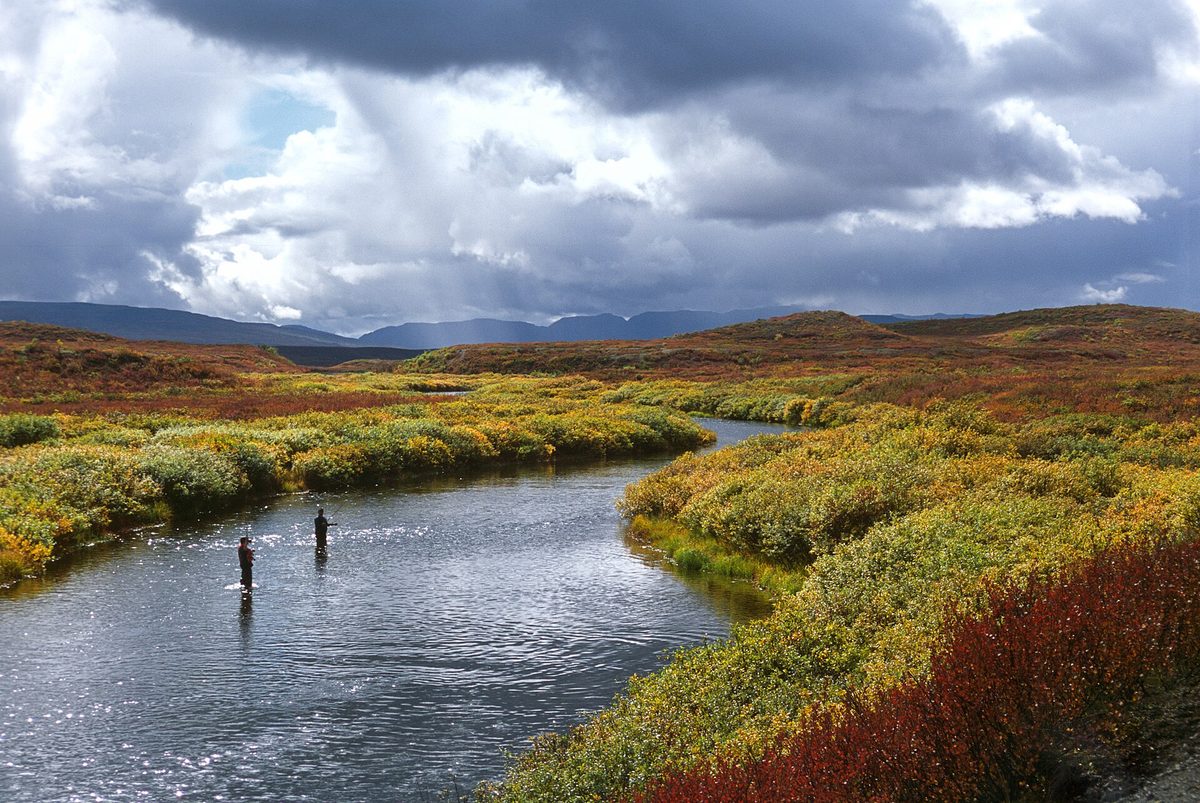
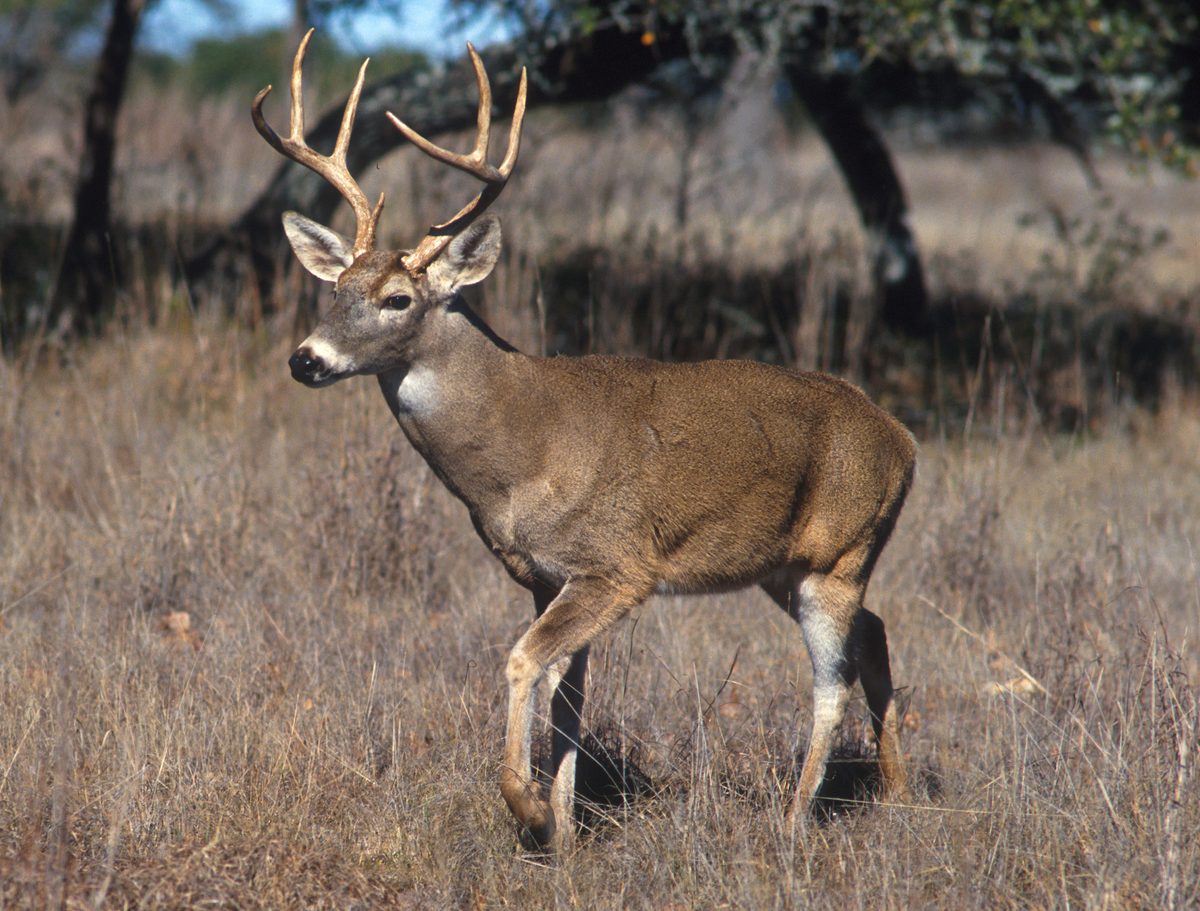
Oregon might be the most schizophrenic deer state in the country in the best way. West of the Cascades, thick Douglas-fir and alder forests hide wary Columbian black-tailed deer that live their whole lives within a few hundred acres and rarely show themselves in daylight. East of the mountains, the state opens up into sagebrush steppe, juniper flats, and pine-covered ridges where classic mule deer bucks migrate with the seasons across huge home ranges.
Most black-tail hunting and a good chunk of eastern Oregon's early mule deer seasons run on general, over-the-counter tags that any licensed hunter can buy. The state's best mule deer bucks, though, live in limited-entry hunt units managed through ODFW's controlled hunt draw, and top units can take a decade or more of preference points for nonresidents to pull.
Public land is abundant — national forests blanket both the coast range and the Cascades, and the BLM controls huge tracts of high desert in the southeast — which keeps Oregon accessible for do-it-yourself hunters willing to learn one of its two very different deer games.
- Wild10 rank
- #34 · Good
- Species
- Black-tailed deer (west), mule deer (east), scattered white-tails
- Tag system
- General season OTC tags for most black-tail/early mule deer hunts; premium mule deer hunts are controlled-hunt draw only
- Nonresident hunting license
- Approx. $210 annually
- Bag limit
- Typically 1 buck per general season tag; antlerless tags separate and limited
- Public land
- Siuslaw, Umpqua, Willamette, Mt. Hood, and other national forests plus vast BLM high desert
- Season length
- Archery late Aug.–late Sept.; general rifle late Sept.–early Nov. depending on unit/species
01
Oregon deer hunting by the numbers
Where Oregon sits nationally, and the figures behind our rank of #34 of 50.
| Statistic | Value |
|---|---|
| Primary species split | Black-tailed deer dominate west of the Cascades; mule deer dominate central and eastern Oregon |
| 2025 herd condition | Generally good over-winter survival statewide, with body condition varying by district after a dry late summer/fall |
| Tag structure | General season tags available over the counter for most black-tail hunts; the majority of prime mule deer buck hunts require a controlled-hunt tag drawn through ODFW |
| CWD status | ODFW actively tests harvested deer statewide and encourages hunters to submit samples as part of ongoing CWD surveillance |
02
Oregon deer seasons (2025-26)
Oregon's season dates and tag structure (general vs. controlled) vary significantly by wildlife management unit; always check the current year's Big Game Regulations and the unit-specific hunt information on myodfw.com.
| Season | Weapon | Typical window | Notes |
|---|---|---|---|
| Archery deer (western/eastern) | Bow / crossbow | Late Aug. – late Sept. | Statewide general archery season for both black-tail and mule deer; exact end dates vary slightly by zone. |
| Western Oregon general black-tail | Rifle/shotgun/muzzleloader | Late Sept. – early Nov. | Over-the-counter general season tag valid in most western Oregon units. |
| Eastern Oregon general mule deer (buck) | Rifle | Roughly early-to-mid Oct., about 9 days | OTC general tag in eligible units; premium units require a controlled-hunt tag instead. |
| Controlled mule deer hunts | Rifle/muzzleloader/archery | Various windows Sept.–Nov. | Draw-only tags for the state's best eastern Oregon mule deer units; apply by the spring deadline. |
| Late-season antlerless/muzzleloader hunts | Muzzleloader / antlerless rifle | Nov.–Dec., select units | Additional controlled hunts to manage local herds; tag availability varies by unit and year. |
03
Oregon deer tags & licenses
Oregon splits deer tags into two categories: general season tags, which are sold over the counter to any licensed hunter for eligible units and hunt types, and controlled hunt tags, which are limited in number and allocated through an annual application and draw.
Most western Oregon black-tail hunting and many eastern Oregon early-season mule deer buck hunts use general tags. The best eastern Oregon mule deer units, along with most antlerless and many muzzleloader hunts, are controlled-hunt only.
ODFW's preference point system rewards hunters who apply every year but do not draw, improving future odds in the state's most competitive mule deer units over time.
Nonresidents need an annual (or short-term) hunting license plus either a general season deer tag purchased over the counter or a controlled hunt tag won through the draw, depending on the unit and hunt type they want.
Controlled hunt applications for deer are typically due in spring (May) for fall hunts, with results posted a few weeks later; unsuccessful nonresident applicants accumulate a preference point for future draws.
04
What Oregon deer licenses cost
| License / tag | Price |
|---|---|
| Resident annual hunting license | approx. $44 |
| Nonresident annual hunting license | approx. $210 |
| General season deer tag (resident/nonresident) | approx. $35 resident / $105 nonresident |
| Controlled hunt application fee | approx. $9 per species application, plus tag cost if drawn |
05
Oregon deer hunting laws you must know
The rules that catch hunters out most often. Not a substitute for the regulations book.
| Topic | Rule |
|---|---|
| Blaze orange | Not legally required for big game hunters in Oregon, though ODFW strongly recommends hunter orange for visibility, especially during general rifle seasons. |
| Baiting | Baiting deer is illegal statewide in Oregon; scent attractants and food plots are treated differently from bait piles, so check current definitions before using any attractant. |
| Crossbows | Crossbows are legal only during general firearm seasons, not during archery-only seasons, except for hunters with a qualifying disability permit. |
| Sunday hunting | Allowed statewide with no day-of-week restrictions. |
| Legal firearms | Centerfire rifles and shotguns with slugs are legal during general rifle seasons; muzzleloader seasons have separate equipment rules for ignition type and sights. |
| Tagging/reporting | Hunters must validate (notch) their tag immediately upon harvest and report their hunt (harvest or not) online or by phone after the season, even if unsuccessful. |
| CWD sampling | ODFW asks hunters, especially in and near CWD surveillance areas, to submit lymph node samples from harvested deer; rules on carcass movement can apply if CWD is detected nearby. |
| Hunter education | Required for anyone born after a set date (generally those who have never held a hunting license) before purchasing a license, unless hunting under a mentored youth program. |
06
What to expect hunting deer in Oregon
Western Oregon black-tail hunting is a game of patience and woodsmanship — thick second-growth timber, near-constant rain, and deer that bed tight and move at last light make it one of the more physically and mentally demanding deer hunts in the country. Glassing clearcuts at dawn and dusk and still-hunting logging roads are staple tactics.
Eastern Oregon mule deer hunting looks and feels completely different: open sage flats, juniper draws, and rimrock canyons where spot-and-stalk with quality optics is the primary method. Mule deer here migrate seasonally, so scouting migration corridors and water sources pays off.
Weather varies as much as the terrain — expect cool, wet, and often foggy conditions on the coast and in the Cascades during archery and general rifle season, while eastern Oregon sees crisp, dry days with cold mornings and a real chance of early snow by late October.
Hunting pressure is heaviest on easily accessed national forest roads near population centers, but Oregon's sheer amount of public timber and high desert BLM ground means hunters willing to hike or use ATVs on legal routes can find far less pressure a mile or two off the road.
07
Oregon deer hunting tips
Field-tested advice specific to this state's deer, terrain and pressure.
- 1Decide which hunt you actually want before applying — black-tail (western forests, OTC, tough hunting) and mule deer (eastern high desert, often controlled-hunt, more open country) require different gear, tactics, and application strategies.
- 2Apply for controlled mule deer hunts every year even if you can't go, just to bank a preference point — the best eastern Oregon units can take many years to draw as a nonresident.
- 3In western Oregon, focus on clearcuts 3-8 years old with regenerating brush; black-tails favor the edge cover more than mature timber or fresh clearcuts.
- 4Glass early and late in eastern Oregon's open country — mule deer are most visible in the first and last hour of legal light before bedding in shade or draws.
- 5Pack rain gear as a non-negotiable for coastal and Cascade hunts; western Oregon gets real precipitation through archery and general rifle season.
- 6Watch migration timing in eastern Oregon — early snow can push mule deer out of high-elevation units before or during your hunt, so check recent weather and ODFW district reports.
- 7Baiting is illegal statewide, so plan on scouting, calling, and scent control rather than feed-based tactics.
- 8Submit a CWD sample if you're hunting near a surveillance area; ODFW makes this straightforward and it helps track the disease before it becomes established.
Why Oregon ranks #34 for deer hunting
Oregon's split identity is its strength: reclusive Columbian black-tails haunt the rainy, brush-choked coastal mountains and western Cascades, while classic mule deer roam the sagebrush and juniper high desert east of the Cascades, and a small white-tail population persists in the Willamette Valley and northeast. Most black-tail and many mule deer hunts are over-the-counter general season tags, but the best eastern Oregon mule deer buck hunts are limited-entry controlled hunts that can take years of preference points to draw, keeping the state out of the very top tier for easy nonresident access.
Tier: Good · Species: Black-tailed deer, Mule deer, White-tailed deer
Where to hunt deer in Oregon
Oregon's public land is split between wet, timbered national forests in the west and enormous BLM and national forest holdings in the high desert east of the Cascades.
Siuslaw National Forest
National forest · Oregon Coast Range
Nearly a million acres of coastal timber and clearcuts holding classic Columbian black-tail habitat.
Official pageUmpqua National Forest
National forest · Southwest Oregon Cascades
Rugged, heavily forested black-tail country with a mix of old growth and regenerating clearcuts.
Official pageOchoco National Forest
National forest · Central Oregon
Ponderosa pine and juniper country bordering prime mule deer range in central Oregon hunt units.
Official pageMalheur National Forest
National forest · Eastern Oregon (Blue Mountains)
Extensive timbered and open range holding solid mule deer numbers, particularly in the John Day drainage area.
Official pageSteens Mountain / Andrews BLM lands
BLM public land · Southeast Oregon high desert
Vast, remote high-desert terrain with classic mule deer spot-and-stalk hunting, mostly in controlled-hunt units.
Official pageTillamook State Forest
State forest · Northwest Oregon
Accessible, well-roaded black-tail habitat close to Portland with a mosaic of clearcuts and regrowth.
Official pageFremont-Winema National Forest
National forest · South-central Oregon
Big blocks of pine and juniper country adjoining some of the state's better-regarded mule deer units.
Official page
Gear for Oregon deer season
Oregon's two deer hunts demand different kits — waterproof layering and a shorter-range setup for black-tail timber, and long-range optics and durable boots for high-desert mule deer spot-and-stalk.
- Best Hunting Rifles
Bolt guns from budget workhorses to mountain rifles.
- Best Compound Bows
Forgiving, quiet compounds that tune without a fight.
- Best Hunting Boots
Early-season to mountain boots ranked on fit and support.
- Best Rain Jackets & Pants
Hard shells that keep a hunt going through real weather.
- Best Merino Base Layers
Next-to-skin wool for cold sits and long stalks.
- Best Hunting Jackets
Insulated and shell layers ranked by warmth-to-noise.
- Best Cellular Trail Cameras
Scouting cameras that send pictures instead of burning boots.
Watch: deer hunting in Oregon
Real hunts and how-tos filmed in Oregon, embedded from the creators' own channels with our notes on what to take from each.
Why watch: Shows the thick-timber, spot-and-stalk style needed for Oregon coastal black-tails.
Why watch: High-desert eastern Oregon mule deer hunting on public BLM/forest ground.
Why watch: Late-season rifle hunt for coastal black-tail bucks during the rut.
Why watch: Public-land mule deer hunt covering tactics for eastern Oregon terrain.
Why watch: Official ODFW rundown of herd conditions and season expectations.
Official Oregon deer hunting resources
- Oregon Department of Fish and Wildlife (ODFW) (home)
- Current deer regulations
- Buy licenses & tags
- ODFW deer hunting overview
- ODFW 2025 Big Game Hunting Forecast
- ODFW controlled hunts information
Last reviewed 2026-09. Found something out of date? Tell us in the community.
More state deer hunting guides
#35 of 50 · Good
#46 of 50 · Fair
#1 of 50 · Elite
#2 of 50 · Elite
50 states covered. See the full ranking →
Questions
Frequently asked
- Can nonresidents hunt deer in Oregon?
- Yes. Nonresidents buy an annual hunting license plus either an over-the-counter general season deer tag or a controlled hunt tag won through ODFW's draw, depending on the unit and hunt type.
- What's the difference between black-tail and mule deer hunting in Oregon?
- Black-tailed deer live in the thick, wet forests of western Oregon and are hunted mostly on general (OTC) tags with still-hunting and glassing clearcuts. Mule deer live in the open high desert of central and eastern Oregon and are often hunted with a controlled-hunt tag using spot-and-stalk tactics.
- How hard is it to draw an Oregon mule deer tag?
- It depends heavily on the unit. Many general eastern Oregon units offer OTC tags, but the state's premium trophy mule deer units are controlled-hunt only and can take many years of preference points for a nonresident to draw.
- Is baiting legal in Oregon?
- No, baiting deer is illegal statewide in Oregon. ODFW treats placed feed or bait piles differently from scent attractants, so hunters should check current regulations before using any product in the field. Violations can result in citations and loss of hunting privileges.
- Are crossbows legal in Oregon?
- Crossbows are legal during general firearm seasons but not during archery-only seasons, except for hunters with a qualifying disability permit.
- Is blaze orange required in Oregon?
- No, it's not legally required, but ODFW recommends wearing hunter orange for safety, especially during general rifle seasons.
- When should I apply for Oregon's controlled deer hunts?
- Applications are typically due in spring (around May) for fall hunts; apply annually even if unsuccessful to build preference points for future years.
- What's the best public land for Oregon deer hunting?
- Coastal and Cascade national forests like the Siuslaw and Umpqua are top black-tail destinations, while eastern Oregon's BLM high desert and forests like the Malheur and Ochoco hold strong mule deer numbers.
Every hunting guide
Hunting Hub
Where every hunting guide on The Wild10 starts.
Types of Game
Big game, small game, upland birds, and waterfowl — habitat and season.
Big Game
Deer, elk, moose, bear, hog and sheep — where to hunt, tags, and what to expect.
Small Game & Birds
Turkey, pheasant, grouse, quail, ducks, geese, rabbits, squirrels and predators.
Turkey Hunting
Calling, shotguns, bows, camo, blinds, scouting, and spring vs fall.
Species Finder
Search every species and filter by tracks, droppings and sign, harvest, or skinning.
Rifle Hunting
Cartridges, zero, field positions, wind, and shot placement.
Shotgun Hunting
Gauges, chokes, shot size, and lead for birds and slug country.
Recurve & Traditional Bow
Instinctive shooting, draw weight, arrow spine, and close-range craft.
Traditional Archery Hub
Eleven recurve and longbow guides: form, aiming, spine, tuning, and building tackle.
Compound Bow Hunting
Draw length, sight and rest setup, broadhead tuning, and shot process.
Hunting Tips
Wind discipline, stand placement, blood trailing, and meat care.
Keep going
Related reading
Deer Hunting by State
All 50 states ranked, with seasons, tags and laws.
Read →Deer Season Calendar
Every state's season dates, tag costs and public land, side by side.
Read →Big Game Hunting
Whitetail, mule deer, elk, moose and bear profiles.
Read →Rifle Hunting
Cartridges, zero, positions and shot placement.
Read →Bowhunting
Setups, arrows, broadheads and treestand craft.
Read →Venison Recipes
Camp and home recipes for the deer you bring back.
Read →Top 10 lists
Best in category: hunting gear
Ranked picks with real product photos, specs, and editor notes — the buying side of everything covered in these guides.
Best Hunting Rifles
Bolt guns from budget workhorses to mountain rifles.
See the ranking →Best Upland Shotguns
Over-unders and light autos built to carry all day.
See the ranking →Best Waterfowl Shotguns
3.5-inch guns that keep cycling through mud and ice.
See the ranking →Best Deer Hunting Shotguns
Rifled slug guns for shotgun-only whitetail country.
See the ranking →Best Compound Bows
Forgiving, quiet compounds that tune without a fight.
See the ranking →Best Recurve Bows
Hunting recurves that shoot quiet and hold up outside.
See the ranking →Also on The Wild10
Fishing Guides
Fish identification, the knots that hold, lure selection by conditions, and the habits that fill a stringer.
Open the fishing hub →