Hunting · Deer by State · Ranked #35 of 50
Washington Deer Hunting
From Olympic Peninsula blacktails to Cascade mule deer and northeast whitetails, Washington packs three deer hunts into one state.
Washington is really three deer states stitched together: dense, rain-soaked coastal forest holding secretive Columbian black-tailed deer; high, open Cascade and northeast Washington country with mule deer; and river-bottom and timbered whitetail habitat tucked into the far northeastern counties near Idaho.
General seasons are shorter than in many Midwest and Southern states, and some of the best mule deer and blacktail units require drawing a limited-entry permit, but general season tags are available over the counter for most of the state, and millions of acres of national forest and DNR trust land are open to public hunting.
Blacktail hunting in the coastal ranges and Olympic Peninsula is a genuine niche pursuit that draws hunters from across the country for its combination of rugged terrain, heavy timber, and wary, thick-cover bucks that rarely offer an easy shot.
- Wild10 rank
- #35 · Good
- Species
- Black-tailed deer (west), mule deer (Cascades/east), whitetail (northeast)
- Nonresident license
- Deer license available over the counter for most general seasons
- Special permits
- Limited-entry drawing needed for many premium GMUs and any-buck late hunts
- Public access
- National forests, DNR trust lands, and WDFW wildlife areas statewide
- Signature hunt
- Olympic Peninsula and coastal-range black-tailed deer
- Season length
- General modern firearm season runs roughly 2 weeks in October–November
01
Washington deer hunting by the numbers
Where Washington sits nationally, and the figures behind our rank of #35 of 50.
| Statistic | Value |
|---|---|
| General modern firearm season | Runs roughly mid-October through early November, dates vary by region |
| Nonresident deer license | Over-the-counter for general season in most game management units |
| Special permit hunts | Limited-entry drawing for many high-quality mule deer, blacktail, and late-season units |
| CWD status | Not yet detected in wild deer as of most recent surveillance; testing and carcass rules apply near affected regions |
02
Washington deer seasons (2025)
Season dates, legal weapons, and buck/antlerless rules vary significantly by game management unit (GMU) — always check the current-year Big Game Hunting Seasons and Rules pamphlet before hunting.
| Season | Weapon | Typical window | Notes |
|---|---|---|---|
| Archery | Bow / crossbow (with permit) | Mid-Sept. – early Oct., plus a late archery window in some units | Statewide, GMU-specific dates apply. |
| Muzzleloader | Muzzleloader | Early-to-mid October in most units | Falls between archery and modern firearm seasons. |
| Modern firearm (general) | Rifle/shotgun/muzzleloader per GMU rules | Mid-October through early November | Main statewide season; exact dates and buck rules vary by GMU. |
| Late/special permit hunts | Varies | November–December, by GMU | Limited-entry permits for antlerless or any-deer opportunities in specific units. |
03
Washington deer tags & licenses
Washington deer hunting requires a hunting license plus a deer tag/species license; nonresidents can buy an over-the-counter deer license for most general seasons alongside a nonresident hunting license.
Many of the state's best mule deer, blacktail, and antlerless hunts are managed through WDFW's special permit drawing, applied for in spring/early summer, which awards a limited number of tags for specific GMUs and season types.
Three-point (or better) antler restrictions apply to buck deer in most units, so hunters should confirm the legal buck definition for their GMU before the season.
Nonresidents can purchase a deer license over the counter for general-season hunting in most GMUs; premium mule deer, blacktail, and late-season permit hunts require entering WDFW's special permit drawing, typically applied for by late May.
WDFW's special permit application period runs in spring (roughly April–May), with results posted before the fall seasons; general-season deer tags do not require a drawing and can be purchased directly.
04
What Washington deer licenses cost
| License / tag | Price |
|---|---|
| Nonresident hunting license (small game/base) | approx. $50–$100 depending on license type |
| Nonresident deer tag (general season) | approx. $434 for nonresident deer license |
| Nonresident special permit application | approx. $7–$10 per species application |
| Nonresident multi-season deer permit (if applicable) | additional cost on top of base deer license |
05
Washington deer hunting laws you must know
The rules that catch hunters out most often. Not a substitute for the regulations book.
| Topic | Rule |
|---|---|
| Blaze orange | Not legally required for deer hunters in Washington, though it is strongly recommended, especially during modern firearm season. |
| Baiting | Baiting deer is illegal statewide in Washington. |
| Crossbows | Legal for all hunters during modern firearm and muzzleloader seasons; restricted during archery-only season to hunters with a disability permit in most cases. |
| Sunday hunting | Allowed statewide; no Sunday closure in Washington. |
| Legal firearms | Centerfire rifles are standard statewide; some western Washington GMUs restrict certain seasons to shotgun or muzzleloader only, so check GMU-specific rules. |
| Tagging/reporting | Harvested deer must be tagged immediately, and hunters must report their hunt results online each year, even if unsuccessful, or face a reporting penalty on future license purchases. |
| CWD carcass transport | Special carcass-transport restrictions apply for deer taken outside Washington or in designated CWD sampling areas; check current rules before moving carcasses across state or unit lines. |
| Hunter education | Required for anyone born after Jan. 1, 1972 before purchasing a Washington hunting license. |
06
What to expect hunting deer in Washington
Terrain and hunting style vary enormously by region. West of the Cascades, black-tailed deer live in dense, wet, second-growth timber and clear-cuts where visibility is often under 50 yards and still-hunting or glassing recent clear-cuts is the norm. East of the Cascades and in the Blue Mountains and northeast counties, mule deer and whitetail hunting looks more like classic Western or Rocky Mountain terrain — open sage, timbered ridges, and agricultural draws.
Public land access is strong: national forests (Olympic, Gifford Pinchot, Okanogan-Wenatchee, Colville) plus millions of acres of Washington DNR trust land are open to hunting, along with WDFW wildlife areas concentrated in eastern Washington.
The rut peaks mid-to-late November across most of the state, generally after the general modern firearm season closes in many GMUs, which pushes hunters toward late-season permit hunts or archery/muzzleloader seasons that better bracket peak breeding activity.
Weather is a defining factor west of the Cascades — persistent rain, fog, and thick understory make blacktail hunting physically demanding, while eastern Washington sees more typical dry, cold fall conditions with occasional early snow at elevation.
07
Washington deer hunting tips
Field-tested advice specific to this state's deer, terrain and pressure.
- 1Scout recent clear-cuts in western Washington a season or two after logging — new growth draws blacktails in for feed while still offering some cover.
- 2Apply for WDFW's special permit drawing by the spring deadline if you want a shot at premium mule deer or late-season units; general tags are OTC but don't unlock the best units.
- 3Confirm the legal buck definition (often 3-point minimum) for your specific GMU before the season — it varies more than in many states.
- 4Pack rain gear and moisture-wicking layers for west-side hunts; persistent rain and fog are the norm, not the exception.
- 5In eastern Washington, glass shrub-steppe draws and agricultural field edges early and late in the day for mule deer and whitetail movement.
- 6Report your hunt online after the season regardless of success — failing to report can result in a reporting penalty on future license purchases.
Why Washington ranks #35 for deer hunting
Washington offers unusual variety — coastal blacktails in dense rainforest, mule deer in the Cascades and northeast highlands, and whitetails in the northeast corner — spread across a huge base of national forest and state DNR land. But general seasons are modest length, many high-quality units are limited-entry/permit-only, and the biggest bucks are hard-won in thick blacktail cover, keeping the state out of the top tier despite genuine trophy potential in specific GMUs.
Tier: Good · Species: Columbian black-tailed deer, Mule deer, White-tailed deer
Where to hunt deer in Washington
Washington's public-land base spans coastal rainforest, Cascade high country, and dry eastern-Washington forest and shrub-steppe.
Olympic National Forest
National forest · Olympic Peninsula
Classic thick-cover black-tailed deer habitat in temperate rainforest and second-growth timber.
Official pageGifford Pinchot National Forest
National forest · Southwest Washington Cascades
Extensive clear-cuts and mixed timber around Mount St. Helens hold strong blacktail numbers.
Official pageOkanogan-Wenatchee National Forest
National forest · North-central/central Cascades
Large mule deer range across dry east-slope Cascade forest and shrub-steppe transition country.
Official pageColville National Forest
National forest · Northeast Washington
Timbered mountains bordering Idaho with the state's best whitetail numbers alongside mule deer.
Official pageWashington DNR trust lands (statewide)
State trust land · Statewide, concentrated west and central WA
Millions of acres of working forest open to public hunting, especially valuable for accessing blacktail clear-cuts.
Official pageWDFW wildlife areas (e.g., Wells, Sinlahekin, Swanson Lakes)
State wildlife area · Eastern Washington
Managed shrub-steppe and riparian habitat supporting mule deer and whitetail populations near agricultural edges.
Official page
Gear for Washington deer season
Washington's split personality — soggy coastal timber versus dry eastern highlands — means gear needs shift dramatically by region, with waterproofing a top priority west of the Cascades.
- Best Hunting Rifles
Bolt guns from budget workhorses to mountain rifles.
- Best Compound Bows
Forgiving, quiet compounds that tune without a fight.
- Best Hunting Boots
Early-season to mountain boots ranked on fit and support.
- Best Rain Jackets & Pants
Hard shells that keep a hunt going through real weather.
- Best Merino Base Layers
Next-to-skin wool for cold sits and long stalks.
- Best Fixed-Blade Knives
Blades that field dress, cape, and quarter without failing.
- Best Hunting Backpacks
Day packs to meat haulers with load shelves that work.
Watch: deer hunting in Washington
Real hunts and how-tos filmed in Washington, embedded from the creators' own channels with our notes on what to take from each.
Why watch: First-hand look at hunting Columbian black-tailed deer on private timber ground west of the Cascades.
Why watch: Official WDFW breakdown of the multi-season deer/elk tag, a key planning tool for hunters targeting more than one Washington season.
Why watch: Walks through WDFW's GoHunt mapping tool for finding GMU boundaries and public land, essential prep for Washington deer hunters.
Why watch: Official WDFW field-to-table series using a Washington blacktail deer to demonstrate hindquarter processing.
Why watch: Scouting framework specific to Columbia black-tailed deer, the signature species of western Washington's coastal timber.
Why watch: Local news segment on WDFW's mobile licensing tools, useful for Washington deer hunters managing tags and permits in the field.
Official Washington deer hunting resources
- Washington Department of Fish and Wildlife (WDFW) (home)
- Current deer regulations
- Buy licenses & tags
- WDFW Special Permit Hunts
- Washington DNR Hunting on Trust Lands
Last reviewed 2025. Found something out of date? Tell us in the community.
More state deer hunting guides
#34 of 50 · Good
#46 of 50 · Fair
#1 of 50 · Elite
#2 of 50 · Elite
50 states covered. See the full ranking →
Questions
Frequently asked
- Can nonresidents hunt deer in Washington?
- Yes, nonresidents can buy a deer license over the counter for most general seasons, though premium units and late-season hunts require entering WDFW's special permit drawing.
- What is the best deer hunting region in Washington?
- It depends on species: the Olympic Peninsula and southwest Cascades for black-tailed deer, the Okanogan and Cascade east slope for mule deer, and northeast Washington's Colville National Forest area for whitetail.
- Is baiting legal in Washington?
- No, baiting deer is illegal statewide in Washington. WDFW enforces this rule year-round, and hunters caught placing bait such as feed, salt, or minerals to attract deer can face citations and loss of hunting privileges.
- When is the rut in Washington?
- Peak breeding activity for deer typically runs mid-to-late November, generally after most general modern firearm seasons have closed.
- Does Washington have public land for deer hunting?
- Yes — national forests, Washington DNR trust lands, and WDFW wildlife areas together offer millions of acres open to public hunting statewide.
- Do I need blaze orange in Washington?
- It is not legally required for deer hunters, but WDFW strongly recommends wearing hunter orange, especially during firearm seasons.
- How do I get a permit for the best Washington deer units?
- Apply through WDFW's special permit drawing, typically open in spring with an application deadline around late May, for a chance at limited-entry mule deer, blacktail, and late-season tags.
- Does Washington have chronic wasting disease?
- As of the most recent surveillance, CWD has not been detected in Washington's wild deer population, though WDFW continues testing and enforces carcass-transport rules in some situations.
Every hunting guide
Hunting Hub
Where every hunting guide on The Wild10 starts.
Types of Game
Big game, small game, upland birds, and waterfowl — habitat and season.
Big Game
Deer, elk, moose, bear, hog and sheep — where to hunt, tags, and what to expect.
Small Game & Birds
Turkey, pheasant, grouse, quail, ducks, geese, rabbits, squirrels and predators.
Turkey Hunting
Calling, shotguns, bows, camo, blinds, scouting, and spring vs fall.
Species Finder
Search every species and filter by tracks, droppings and sign, harvest, or skinning.
Rifle Hunting
Cartridges, zero, field positions, wind, and shot placement.
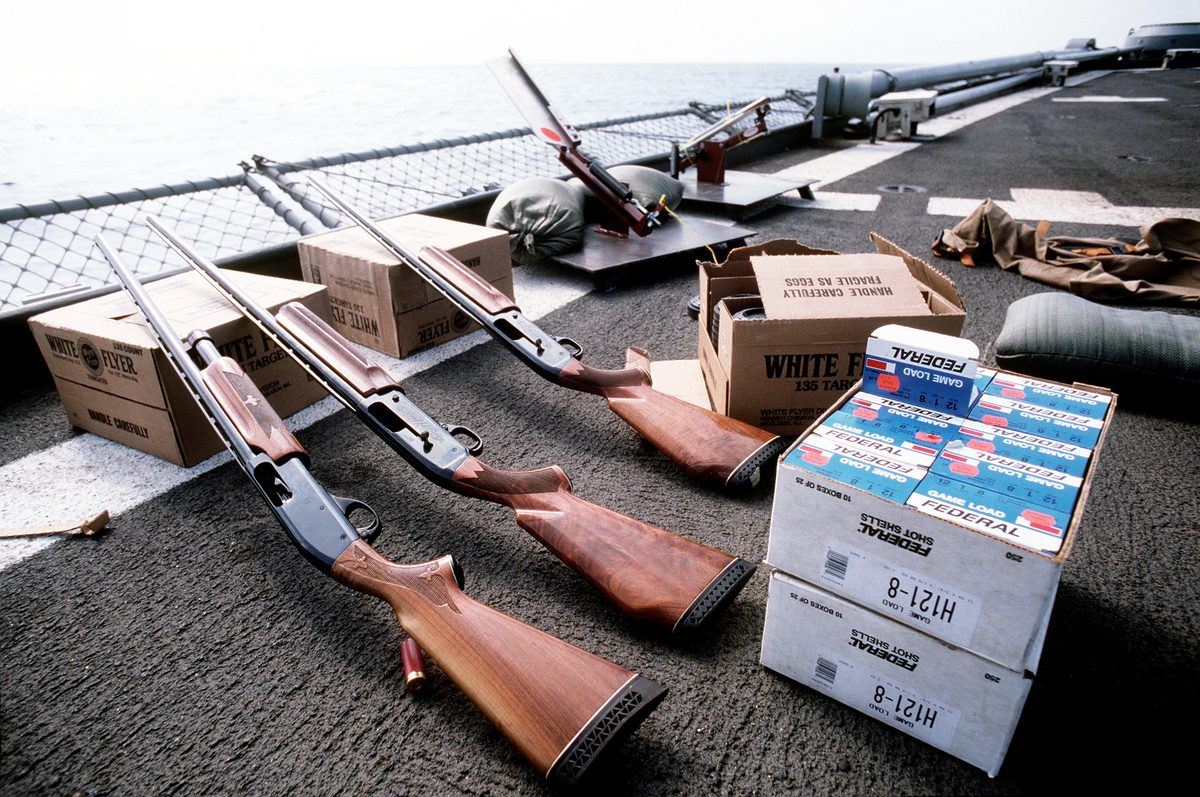
Shotgun Hunting
Gauges, chokes, shot size, and lead for birds and slug country.
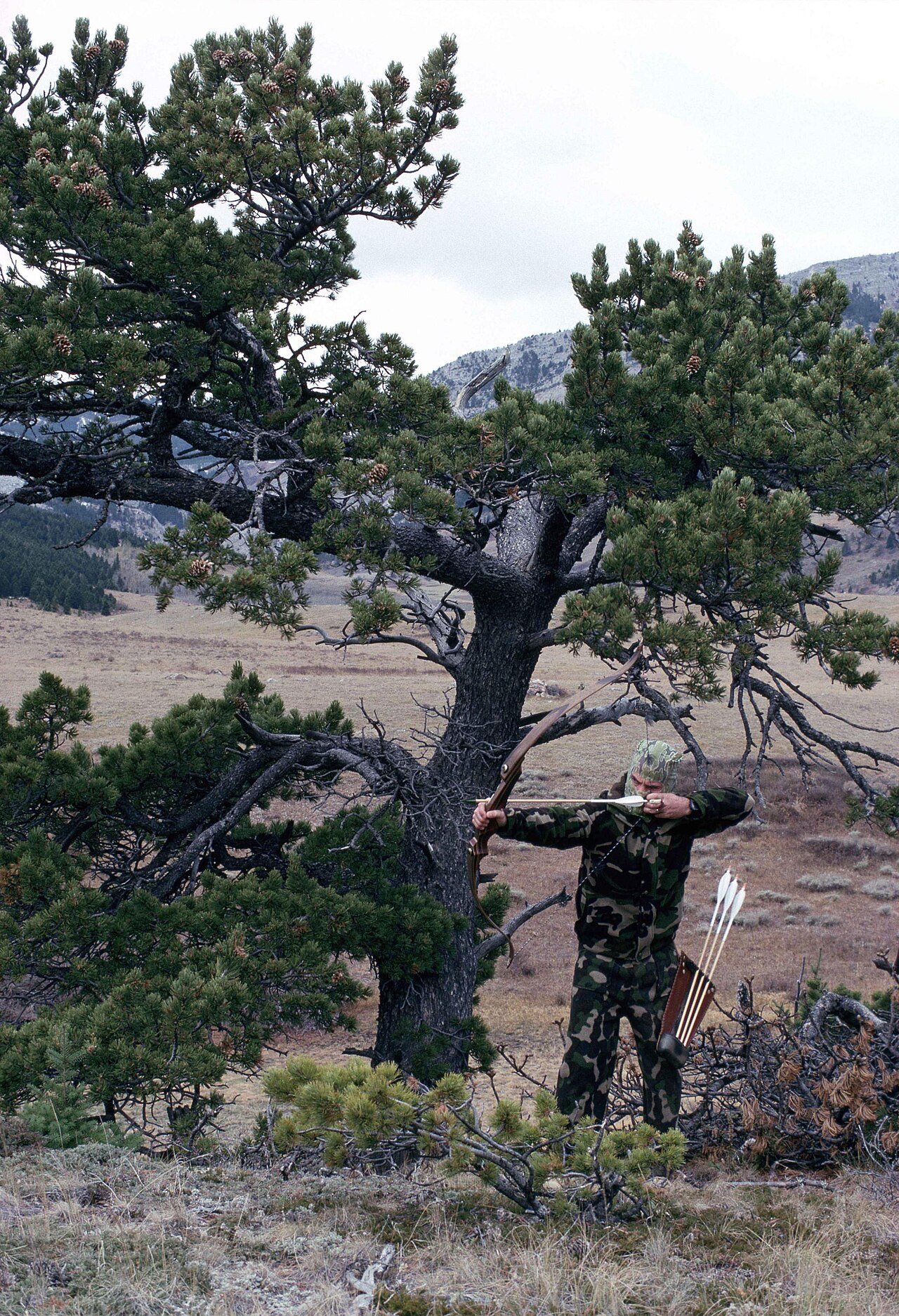
Recurve & Traditional Bow
Instinctive shooting, draw weight, arrow spine, and close-range craft.
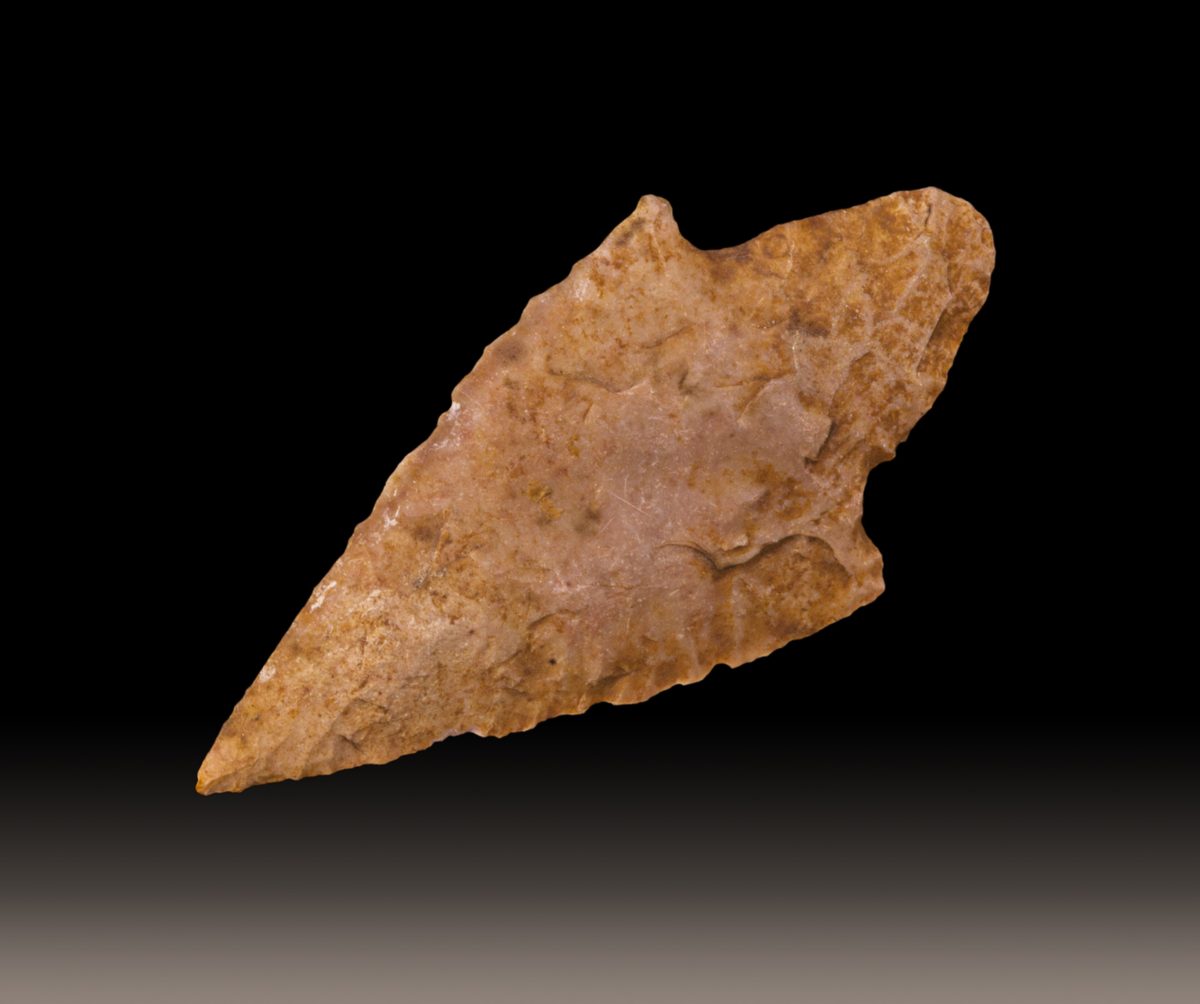
Traditional Archery Hub
Eleven recurve and longbow guides: form, aiming, spine, tuning, and building tackle.
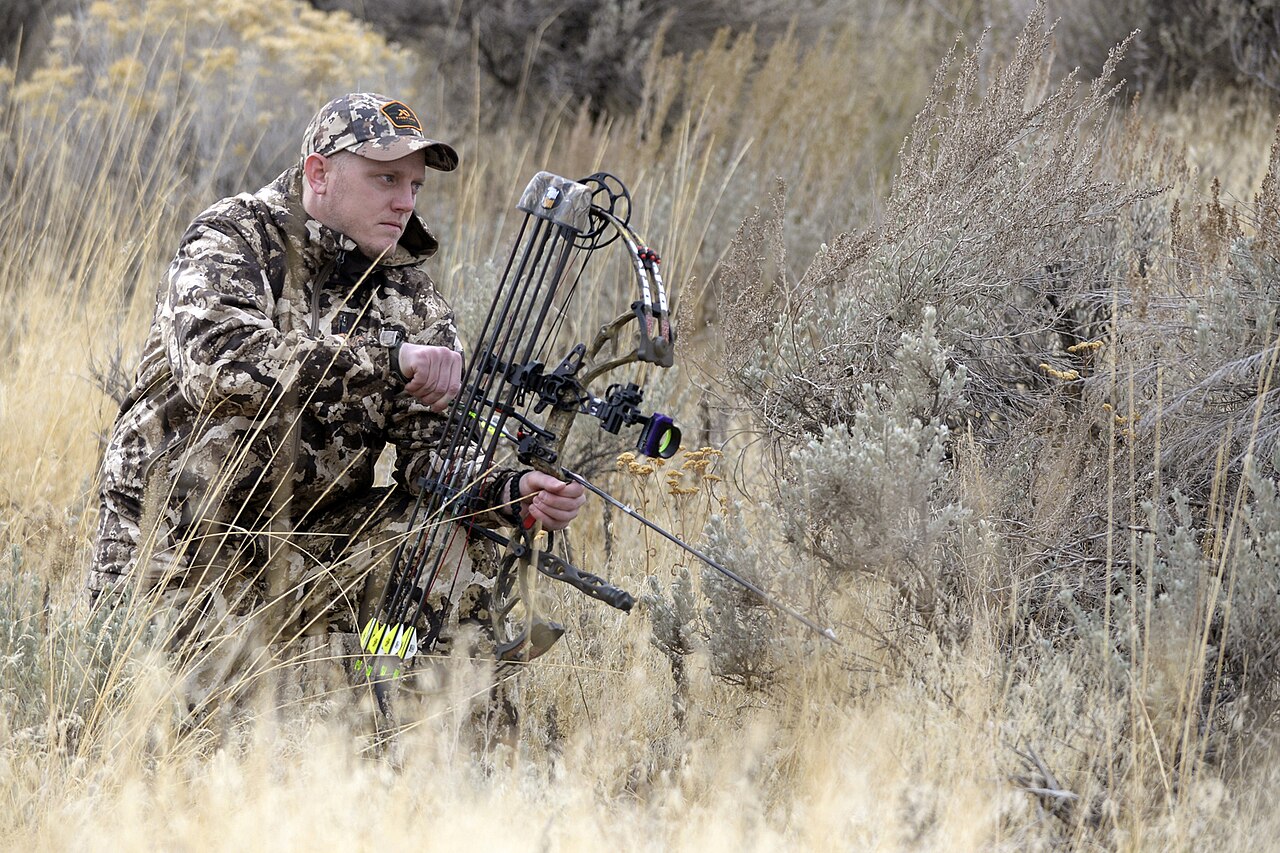
Compound Bow Hunting
Draw length, sight and rest setup, broadhead tuning, and shot process.
Hunting Tips
Wind discipline, stand placement, blood trailing, and meat care.
Keep going
Related reading
Deer Hunting by State
All 50 states ranked, with seasons, tags and laws.
Read →Deer Season Calendar
Every state's season dates, tag costs and public land, side by side.
Read →Big Game Hunting
Whitetail, mule deer, elk, moose and bear profiles.
Read →Rifle Hunting
Cartridges, zero, positions and shot placement.
Read →Bowhunting
Setups, arrows, broadheads and treestand craft.
Read →Venison Recipes
Camp and home recipes for the deer you bring back.
Read →Top 10 lists
Best in category: hunting gear
Ranked picks with real product photos, specs, and editor notes — the buying side of everything covered in these guides.
Best Hunting Rifles
Bolt guns from budget workhorses to mountain rifles.
See the ranking →Best Upland Shotguns
Over-unders and light autos built to carry all day.
See the ranking →Best Waterfowl Shotguns
3.5-inch guns that keep cycling through mud and ice.
See the ranking →Best Deer Hunting Shotguns
Rifled slug guns for shotgun-only whitetail country.
See the ranking →Best Compound Bows
Forgiving, quiet compounds that tune without a fight.
See the ranking →Best Recurve Bows
Hunting recurves that shoot quiet and hold up outside.
See the ranking →Also on The Wild10
Fishing Guides
Fish identification, the knots that hold, lure selection by conditions, and the habits that fill a stringer.
Open the fishing hub →