


Fall
- Days
- 40–65°F
- Nights
- 22–40°F
The core of the calendar: rut activity, cool temps, and manageable meat care.
- Warm early-season days spoiling meat
- Sudden cold fronts on multi-day sits
- Shorter daylight for tracking and packouts
Become a contributor
Join Wild10 · Free · Start with your own gear
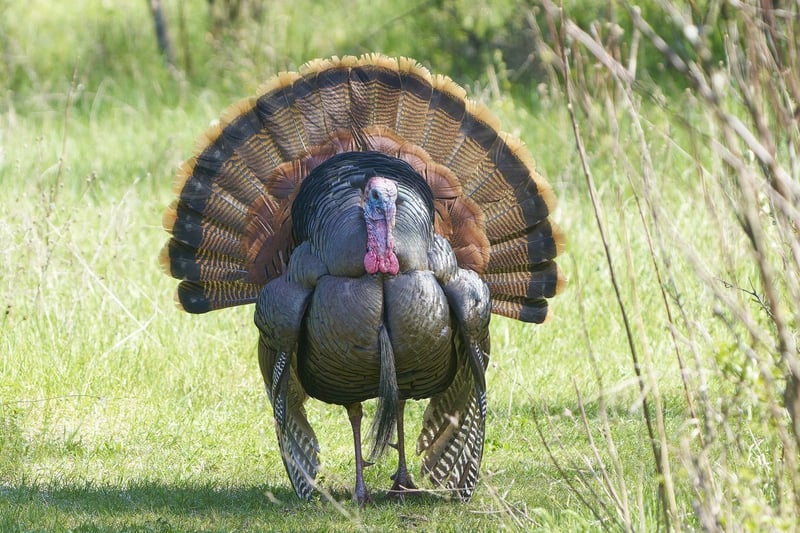
Turkey hunting is about locating birds, setting up close and calling them in. Turkeys see well, so stillness and a good setup matter most.
Season: Spring and, in some states, fall seasons. Seasons, licences and limits are set by each state or province; check the current regulations before you go.
Hunting is scouting, regulations and shot discipline. Seasons, tags and legal methods vary by state — read your regulations every year.
Take hunter education, practice at realistic ranges and know your shot limits.
Hunter education, small game or guided hunts, sight-in at the range.
Scouting your own ground, field dressing, public-land hunts.
Out-of-state draws, backcountry hunts, archery.
Our Top 10 lists for the kit this pursuit leans on, each with real product photos.

Insulated bibs, down overpants, wool and cold-weather softshells for late-season stands and snow hunts, from SITKA, KUIU, First Lite, Kifaru, Outdoor Research, Stone Glacier, Filson and Johnson Woolen Mills.

Midweight and softshell hunting pants for cool fall rut and mountain hunts, from KUIU, SITKA, First Lite, Kifaru, Outdoor Research, Stone Glacier, Kryptek and Badlands.

Lightweight, vented hunting pants for hot archery and early elk and antelope seasons, from KUIU, First Lite, SITKA, Outdoor Research, Badlands, Kryptek, Stone Glacier and Kifaru.

Traditional wool field trousers and modern merino hybrids for cold woods and cool trails; nine fully image-verified picks, with an explicit shortlist caveat.

Knee-high rubber and neoprene boots from LaCrosse, KUIU, Muck, Rocky, XTRATUF, Le Chameau and AIGLE, compared on height, insulation, weight and price.
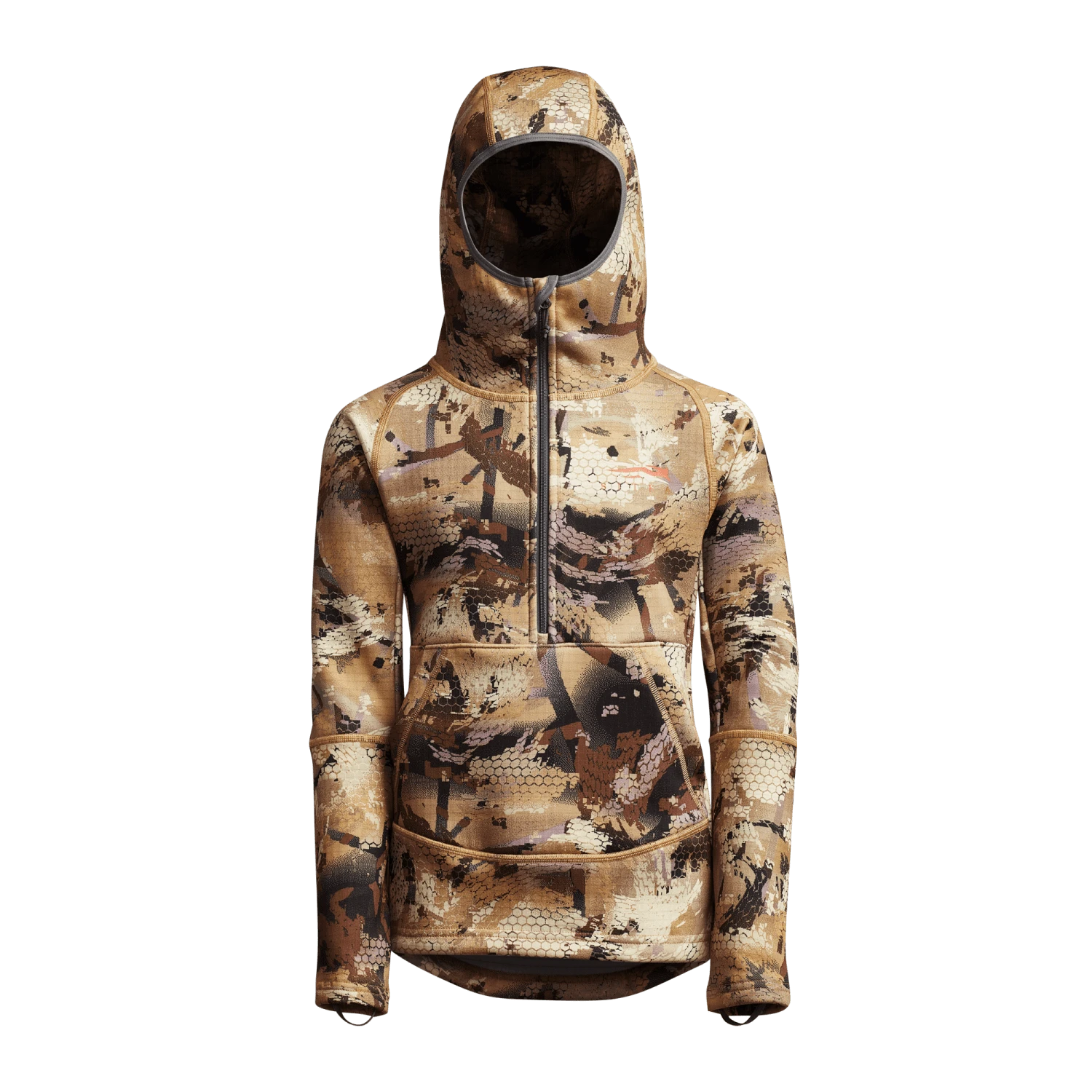
Youth camo jackets, pants, hoodies and a beanie from SITKA and Drake, ranked for warmth, quiet and growth-spurt fit. Research only, not field tested.

Minnesota, United States
Over a million acres of interconnected lakes and portages.

Maine, United States
A traditional New England wilderness river with campsites, portages, and a strong outfitter scene.

Wyoming, United States
The Gros Ventre Wilderness, located southeast of Jackson Hole, offers a magnificent blend of towering peaks, lush river valleys, and extensive timbered slopes.

Montana, United States
HD 210 plunges hunters into the heart of the Bob Marshall Wilderness Complex, offering an unparalleled backcountry elk experience.

Wyoming, United States
The North Absaroka Wilderness, stretching north from Cody towards the Montana border, is a rugged and remote expanse of volcanic plateaus, deep canyons, and high ridges.

Minnesota, United States
Whitewater State Park, located in Winona County, is a prime example of Minnesota's Driftless and offers excellent bowhunting opportunities within designated zones.

Wisconsin, United States
Belmont Mound State Park, located in Lafayette County, offers a smaller but often overlooked bowhunting opportunity within the Driftless.

Georgia, United States
Houston County in southeastern Minnesota is quintessential Driftless country, and its numerous Wildlife Management Areas (WMAs) offer some of the best public land bowhunting in the state.

Montana, United States
Situated in the Bitterroot Mountains, primarily within the Bitterroot National Forest, HD 130 offers rugged, heavily timbered hunting with good elk populations.
September through December, framed by legal seasons — check your state or province regulations first.
The core of the calendar: rut activity, cool temps, and manageable meat care.
Late seasons and predictable food-source patterns, with cold as the main opponent.
Turkey, bear, and shed seasons; wet, green, and loud underfoot.
Scouting and range time more than harvest — heat rules everything.
See live conditions and seasonal averages the same way destination pages show them.
Browse the destinations mapPlanning ranges are typical temperate-latitude values — always verify the forecast, flow, avalanche, and fire advisories for your specific area and elevation before you commit.
Every link below opens a planner already set to turkey hunting — the right trip type, temperature band, checklist and builder, so your kit starts from the skills and hazards this pursuit actually demands.
Rarely. Get set up within reasonable distance and let calling bring the bird in; stalking is risky and spooks birds.
Red, white, blue or black, which can resemble a gobbler's head.
