


Spring
- Days
- 50–70°F
- Nights
- 32–48°F
Warming water pulls fish shallow — hatches begin and pre-spawn feeding peaks.
- High, off-color runoff
- Cold-water immersion if you wade a strong flow
- Spawning closures on some water
Become a contributor
Join Wild10 · Free · Start with your own gear
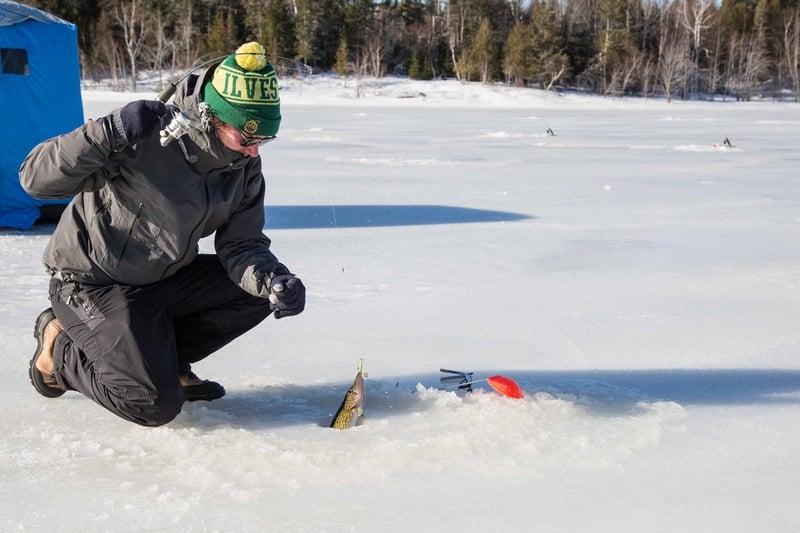
Ice fishing extends the season onto frozen lakes. Safe ice comes first; after that it is about drilling holes over the right depth and staying warm while you jig or watch tip-ups.
Season: Once lakes hold safe ice through late winter. Seasons, licences and limits are set by each state or province; check the current regulations before you go.
Fishing is reading water: where fish hold, what they eat and how conditions change that. A simple setup and lots of time on the water teach the most.
Buy your license, check species rules and handle fish carefully if you release them.
Spinning setup, panfish and stocked trout, basic knots.
Species-specific tactics, fly fishing basics, reading structure.
Remote waters, fly tying, boat and kayak fishing.
Our Top 10 lists for the kit this pursuit leans on, each with real product photos.

The best ferro rods throw 5,500°F sparks in any weather. These are the ten we trust when a fire matters.

Wading jackets ranked on waterproof durability, hood adjustability, and pocket layout you can work with cold, wet hands.

Spinning reels ranked on drag smoothness, line management, and how long the gears stay quiet.

Casting rods for jigs, cranks, frogs, and heavy cover, ranked by blank quality and taper.

Trout, salmon, and saltwater country with real access and real fish.

Discover the best wadeable flats for sight-casting to redfish on the Texas Middle Coast, focusing on structure, wind protection, and tidal influence.

The Bahamas, The Bahamas
Bonefish, permit, and tarpon on the flats.
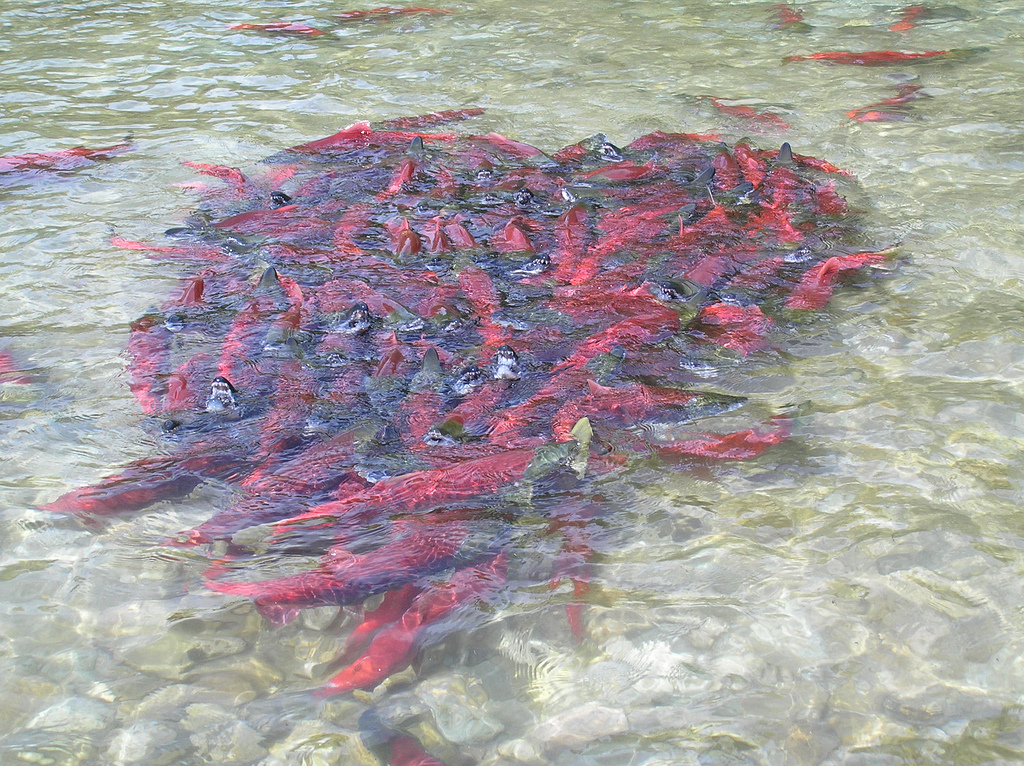
Alaska, United States
The greatest wild salmon fishery on Earth.

Texas, United States
Contee Lake, a back lake system reachable from Port O'Connor, is a hidden gem for fly anglers seeking solitude and aggressive redfish.

Texas, United States
Dagger Island, located within the vast San Antonio Bay system, is a prime redfish destination known for its expansive, shallow flats and strategic wind breaks.

Wisconsin, United States
Spring-creek wild-trout country in Wisconsin's unglaciated coulees, fishable nearly year-round.
Texas, United States
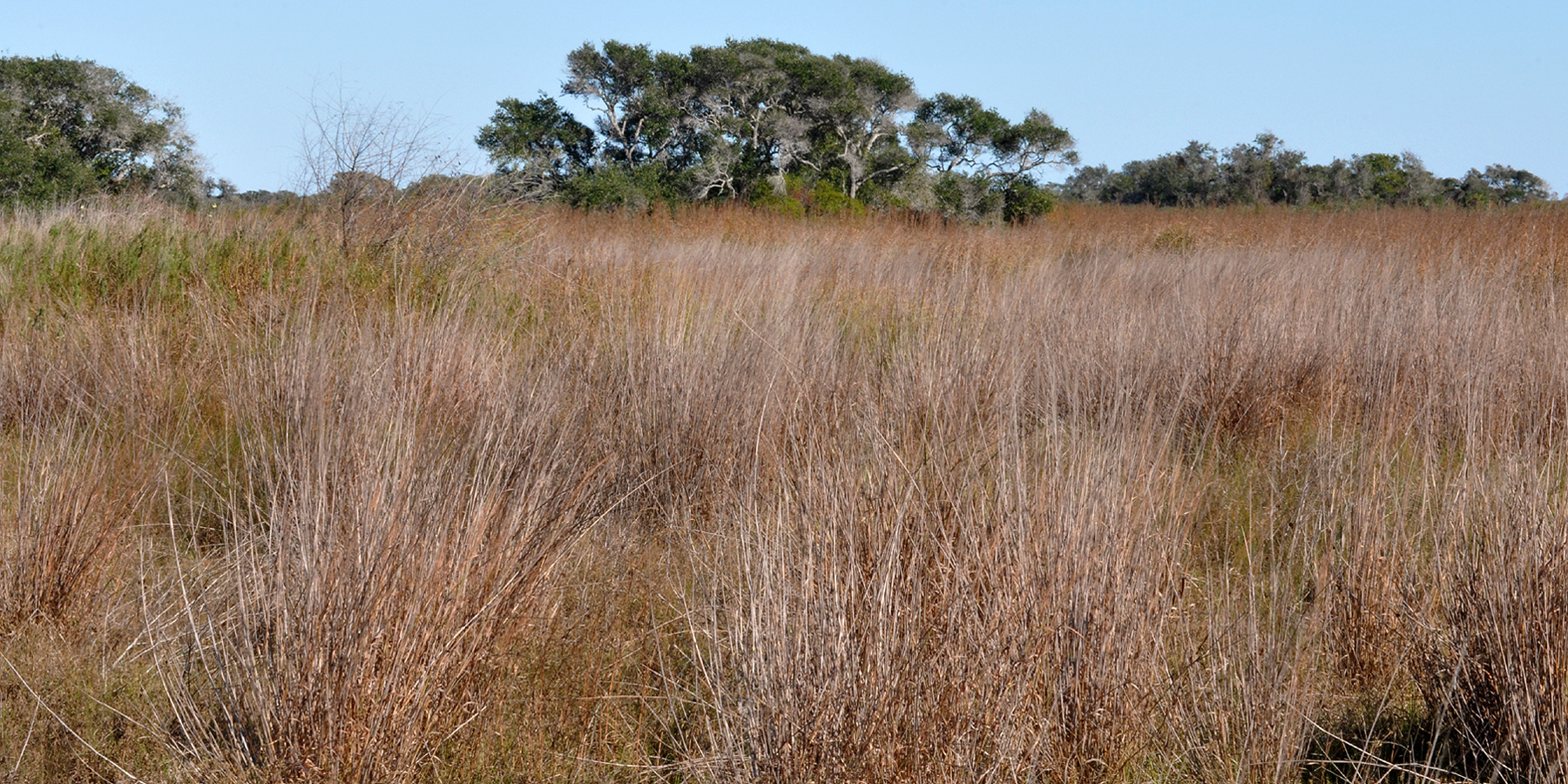
Estes Flats, situated near Aransas Pass, is a legendary spot on the Texas Middle Coast, known for its extensive grass beds and consistent redfish population.

Texas, United States
Grass Island in Mesquite Bay is a textbook example of productive back-bay redfish habitat.

Murmansk Oblast, Russia
The Atlantic salmon fishery — Ponoi, Yokanga, Varzuga.

Texas, United States
Lighthouse Cove, nestled within the Aransas National Wildlife Refuge, is arguably one of the most iconic and productive redfish flats on the Texas Middle Coast.
Spring and fall, when water temperatures sit in the feeding range and fish hold at reachable depths.
Warming water pulls fish shallow — hatches begin and pre-spawn feeding peaks.
Aggressive pre-winter feeding and the least pressure of the year.
Early and late windows produce; midday fish go deep or shaded.
Slow presentations in deep, stable water — or hard water where it's safe and legal.
See live conditions and seasonal averages the same way destination pages show them.
Browse the destinations mapPlanning ranges are typical temperate-latitude values — always verify the forecast, flow, avalanche, and fire advisories for your specific area and elevation before you commit.
Every link below opens a planner already set to ice fishing — the right trip type, temperature band, checklist and builder, so your kit starts from the skills and hazards this pursuit actually demands.
Ten items total, and five tools that each solve a different problem. Why Alone participants can rarely afford more than two of them, and how the trade-offs actually play out.
Jordan Jonas claims the win on Day 77 of Alone: The Arctic as Woniya Thibeault taps out from starvation, ending the season with a clinic on cold-weather endurance.
Season 6 concludes as a shelter fire ends Nathan Donnelly's run at Day 72 and starvation claims Woniya Thibeault at Day 73, leaving Jordan Jonas as the winner.

When spring snow turns slick and you only carry trekking poles, your body mechanics must do the work of steel. Here is how to arrest a slide using friction and poles.
Episode 9 of Alone Season 9, "The Ice Up," saw temperatures plummet, creating new challenges for the remaining survivalists. One contestant reached their breaking point.
Episode 9 of Alone Season 13 turns the shoreline to ice. Freeze-up rewrites every food plan, shelter heat loss becomes the deciding variable, and the field's margin for error nearly disappears.
Alone Season 13 Episode 2, titled “Worlds Collide: Part 2,” moves the World Championship past contestant introductions and straight into early camp consequences. Aired on June 24, 2026, the second hour tracks

Outdoor skill grows when practice continues between major trips. A year-round plan can rotate navigation, first aid, camping, paddling, fishing, weather, winter travel, and stewardship while matching local seasons. The objective is not to m

Thirty days is enough to create momentum, not mastery. A useful bushcraft challenge focuses on short, repeatable sessions, measurable standards, and safe progression. It should improve systems you will actually use outdoors rather than prod
Many state agencies advise at least 4 inches of clear, solid ice for walking; ice is never guaranteed safe, so check often.
Safety gear before tackle: ice picks, a spud bar and a buddy.