


Spring
- Days
- 50–70°F
- Nights
- 32–48°F
Warming water pulls fish shallow — hatches begin and pre-spawn feeding peaks.
- High, off-color runoff
- Cold-water immersion if you wade a strong flow
- Spawning closures on some water
Become a contributor
Join Wild10 · Free · Start with your own gear
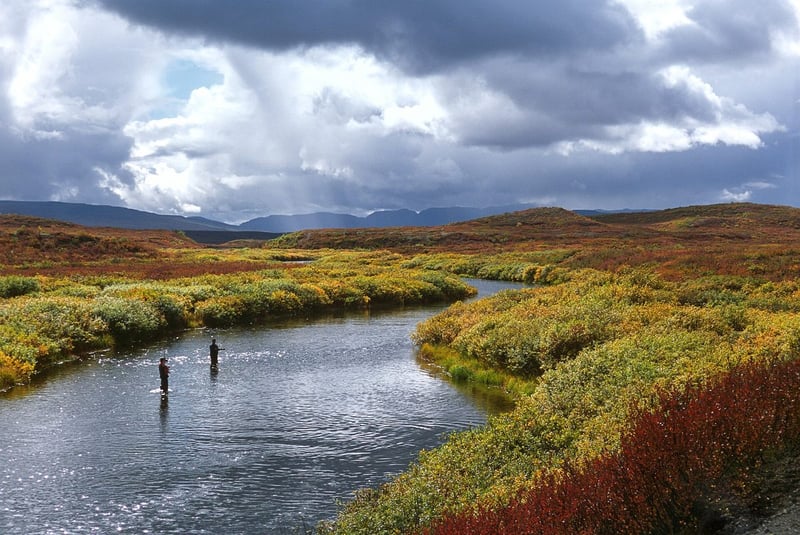
Fly fishing trades lure weight for line weight: the line carries a near-weightless fly to fish feeding on insects and baitfish. Learning a clean cast and reading current matters far more than the fly box.
Season: Year-round on many tailwaters; peak insect hatches in spring and fall. Seasons, licences and limits are set by each state or province; check the current regulations before you go.
Fishing is reading water: where fish hold, what they eat and how conditions change that. A simple setup and lots of time on the water teach the most.
Buy your license, check species rules and handle fish carefully if you release them.
Spinning setup, panfish and stocked trout, basic knots.
Species-specific tactics, fly fishing basics, reading structure.
Remote waters, fly tying, boat and kayak fishing.
Our Top 10 lists for the kit this pursuit leans on, each with real product photos.

The best ferro rods throw 5,500°F sparks in any weather. These are the ten we trust when a fire matters.

Wading jackets ranked on waterproof durability, hood adjustability, and pocket layout you can work with cold, wet hands.

Spinning reels ranked on drag smoothness, line management, and how long the gears stay quiet.

Casting rods for jigs, cranks, frogs, and heavy cover, ranked by blank quality and taper.

Trout, salmon, and saltwater country with real access and real fish.

Discover the best wadeable flats for sight-casting to redfish on the Texas Middle Coast, focusing on structure, wind protection, and tidal influence.

The Bahamas, The Bahamas
Bonefish, permit, and tarpon on the flats.
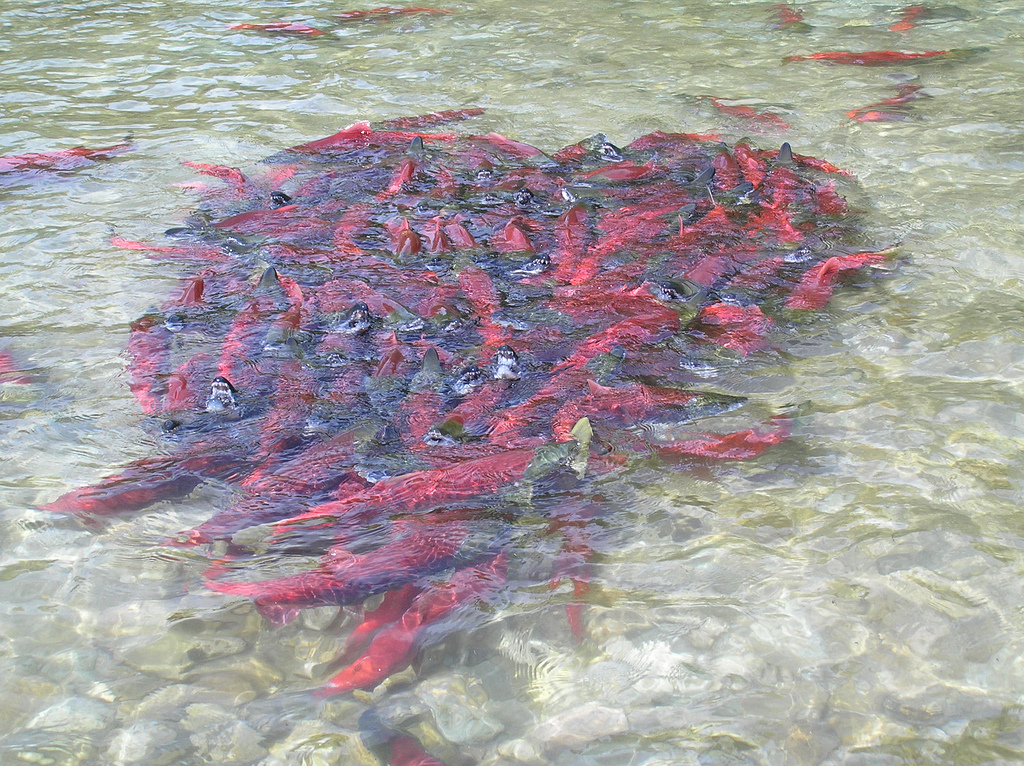
Alaska, United States
The greatest wild salmon fishery on Earth.

Texas, United States
Contee Lake, a back lake system reachable from Port O'Connor, is a hidden gem for fly anglers seeking solitude and aggressive redfish.

Texas, United States
Dagger Island, located within the vast San Antonio Bay system, is a prime redfish destination known for its expansive, shallow flats and strategic wind breaks.

Wisconsin, United States
Spring-creek wild-trout country in Wisconsin's unglaciated coulees, fishable nearly year-round.
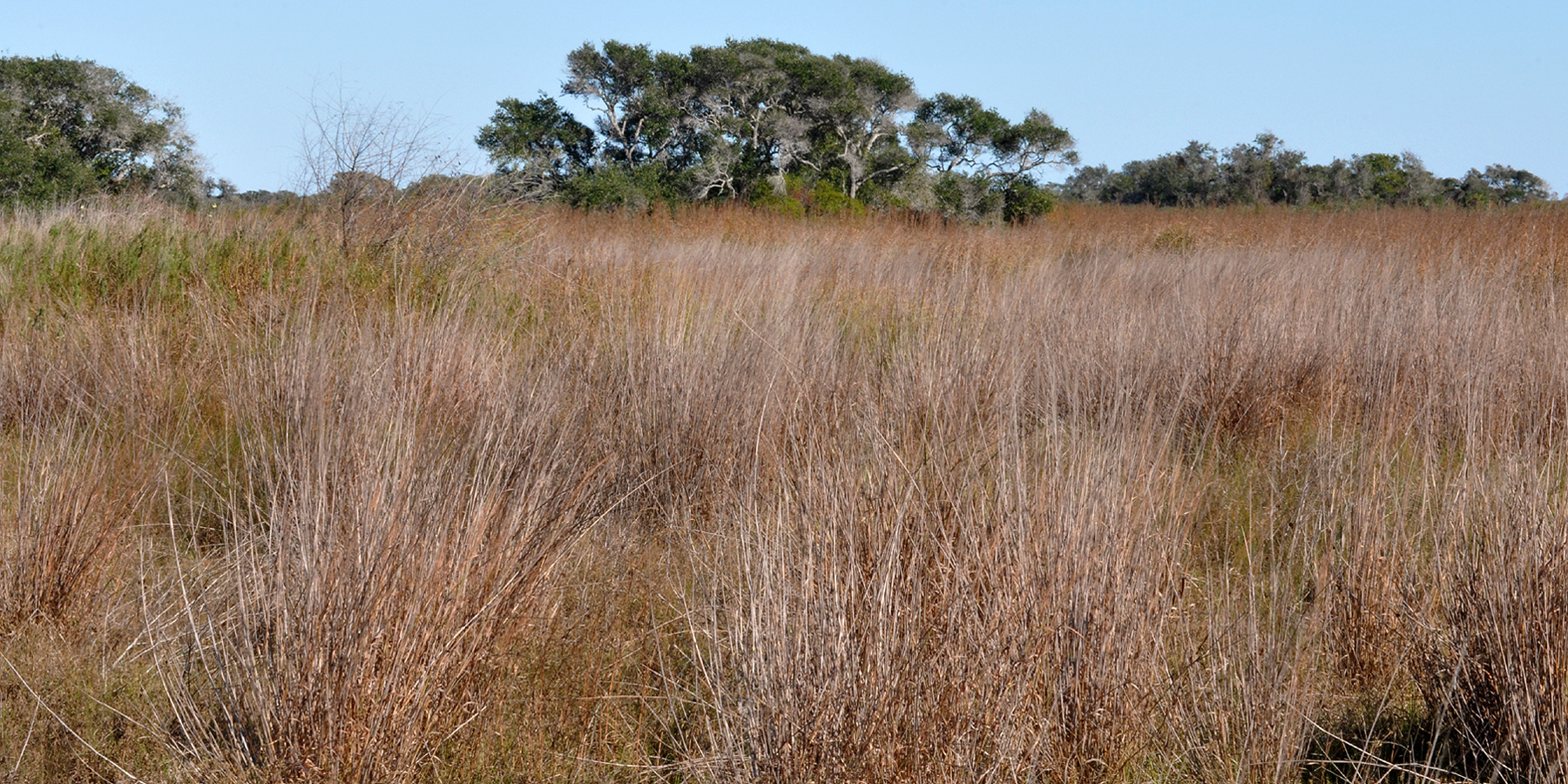
Texas, United States
Estes Flats, situated near Aransas Pass, is a legendary spot on the Texas Middle Coast, known for its extensive grass beds and consistent redfish population.

Texas, United States
Grass Island in Mesquite Bay is a textbook example of productive back-bay redfish habitat.

Murmansk Oblast, Russia
The Atlantic salmon fishery — Ponoi, Yokanga, Varzuga.

Texas, United States
Lighthouse Cove, nestled within the Aransas National Wildlife Refuge, is arguably one of the most iconic and productive redfish flats on the Texas Middle Coast.
Spring and fall, when water temperatures sit in the feeding range and fish hold at reachable depths.
Warming water pulls fish shallow — hatches begin and pre-spawn feeding peaks.
Aggressive pre-winter feeding and the least pressure of the year.
Early and late windows produce; midday fish go deep or shaded.
Slow presentations in deep, stable water — or hard water where it's safe and legal.
See live conditions and seasonal averages the same way destination pages show them.
Browse the destinations mapPlanning ranges are typical temperate-latitude values — always verify the forecast, flow, avalanche, and fire advisories for your specific area and elevation before you commit.
Every link below opens a planner already set to fly fishing — the right trip type, temperature band, checklist and builder, so your kit starts from the skills and hazards this pursuit actually demands.
Episode 4 of Alone Season 7, 'The Fly,' spotlights the critical battle against caloric deficit and the relentless assault of insects as participants push deeper into the Arctic. Preservation techniques and mental fortitude are key.

Catch-and-release begins before the cast. Tackle, hook style, water temperature, landing plan, net, photography, and angler restraint all affect the fish. The goal is to land efficiently, keep the fish wet, minimize handling and air exposur
Most fly-fishing opportunities are won by placing the fly in a useful lane with controlled slack, not by throwing the entire line into another postal code. Distance can help on lakes, salt water, and broad rivers, but accuracy, line managem

Wind exposes inefficient casting and creates real hook hazards. The answer is not simply more force. Adjust stance, casting plane, loop shape, trajectory, leader, fly size, and position. When gusts become unpredictable or hooks cannot be ke

Lake trout are cold-water fish that can move from shallow spring and fall habitat to deeper summer water as temperatures change. Finding them requires attention to temperature, structure, forage, and suspended depth. Releasing fish from dee

Fly-fishing knots must connect line systems of different diameters, preserve enough strength, remain compact, and be tied correctly with cold or wet hands. A small dependable set covers most freshwater days: backing connection, line-to-lead

Fly fishing becomes much easier when the first day has one rod, one leader system, a few proven flies, and a modest objective. Beginners do not need to memorize Latin insect names or cast across a county. They need to assemble the outfit, m
A useful fly box contains representative food forms in sensible sizes, not every pattern name ever spoken near a vise. Build around local insects, terrestrials, baitfish, and water conditions. Carry enough duplicates to replace lost flies,

Reading water means predicting where a fish can obtain food while spending less energy and remaining protected. Current speed, depth, structure, temperature, light, and pressure shape those locations. The most productive cast is often not t
A 9-foot 5-weight is the common all-round trout choice and handles most small to mid-size rivers.
Fish feed below the surface most of the time, so nymphs often catch more; switch to dries when you see fish rising.